





















SipsavorLife
  • Home
  • Wine
    Is Wine Aging Really Just About Time?

    Is Wine Aging Really Just About Time?

    Do Wine Labels Signal Style More Than Region Today?

    Do Wine Labels Signal Style More Than Region Today?

    Is Serving Temperature the Most Ignored Quality Factor?

    Is Serving Temperature the Most Ignored Quality Factor?

    Can Smoke Taint Be Detected Before Fermentation?

    Can Smoke Taint Be Detected Before Fermentation?

    How Does Bottle Closure Control Oxygen Over Time?

    How Does Bottle Closure Control Oxygen Over Time?

    Which Yeast Strain Shapes Flavor More Than the Grape Itself?

    Which Yeast Strain Shapes Flavor More Than the Grape Itself?

  • Whiskey
    Can Grain Spirits Really Rival Their Malt Counterparts?

    Can Grain Spirits Really Rival Their Malt Counterparts?

    Can Craft Beer Really Replace Traditional Lager?

    Can Craft Beer Really Replace Traditional Lager?

    Why Do Some Champagnes Have a Saltiness to Them?

    Why Do Some Champagnes Have a Saltiness to Them?

    Is Whiskey Really Better with Age?

    Is Whiskey Really Better with Age?

    Is Wine Aging Really Just About Time?

    Is Wine Aging Really Just About Time?

    Do Wine Labels Signal Style More Than Region Today?

    Do Wine Labels Signal Style More Than Region Today?

  • Beer
    Can Craft Beer Really Replace Traditional Lager?

    Can Craft Beer Really Replace Traditional Lager?

    Why Do Some Beers Pair Better With Silence Than Food?

    Why Do Some Beers Pair Better With Silence Than Food?

    Can Low-ABV Beers Deliver High Complexity?

    Can Low-ABV Beers Deliver High Complexity?

    Is Alcohol Strength the Least Interesting Thing About Beer?

    Is Alcohol Strength the Least Interesting Thing About Beer?

    Does Glass Shape Alter How Beer Tastes?

    Does Glass Shape Alter How Beer Tastes?

    Spontaneously Fermented Beers: Controlled Chaos?

    Spontaneously Fermented Beers: Controlled Chaos?

  • Grain Spirits
    Can Grain Spirits Really Rival Their Malt Counterparts?

    Can Grain Spirits Really Rival Their Malt Counterparts?

    Could the Future of Spirits Start in the Grain Field?

    Could the Future of Spirits Start in the Grain Field?

    Is Grain Spirits’ Sustainability Story Being Overlooked?

    Is Grain Spirits’ Sustainability Story Being Overlooked?

    Do Blended Grains Create Complexity or Confusion?

    Do Blended Grains Create Complexity or Confusion?

    Why Are Heirloom Grains Becoming a Distiller’s Obsession?

    Why Are Heirloom Grains Becoming a Distiller’s Obsession?

    Can Grain Selection Predict Mouthfeel Before Distillation?

    Can Grain Selection Predict Mouthfeel Before Distillation?

  • Champagne
    Why Do Some Champagnes Have a Saltiness to Them?

    Why Do Some Champagnes Have a Saltiness to Them?

    Is Champagne Better Understood as Wine First, Sparkle Second?

    Is Champagne Better Understood as Wine First, Sparkle Second?

    Does Champagne’s Appellation System Limit or Protect Innovation?

    Does Champagne’s Appellation System Limit or Protect Innovation?

    Why Is Hand Harvesting Still Critical in Champagne Vineyards?

    Why Is Hand Harvesting Still Critical in Champagne Vineyards?

    Can Pressure Levels Influence Champagne’s Mouthfeel?

    Can Pressure Levels Influence Champagne’s Mouthfeel?

    Is Grower Champagne Redefining Prestige in the Region?

    Is Grower Champagne Redefining Prestige in the Region?

  • ALL
    Can Grain Spirits Really Rival Their Malt Counterparts?

    Can Grain Spirits Really Rival Their Malt Counterparts?

    Can Craft Beer Really Replace Traditional Lager?

    Can Craft Beer Really Replace Traditional Lager?

    Why Do Some Champagnes Have a Saltiness to Them?

    Why Do Some Champagnes Have a Saltiness to Them?

    Is Whiskey Really Better with Age?

    Is Whiskey Really Better with Age?

    Is Wine Aging Really Just About Time?

    Is Wine Aging Really Just About Time?

    Do Wine Labels Signal Style More Than Region Today?

    Do Wine Labels Signal Style More Than Region Today?

SipsavorLife
  • Home
  • Wine
    Is Wine Aging Really Just About Time?

    Is Wine Aging Really Just About Time?

    Do Wine Labels Signal Style More Than Region Today?

    Do Wine Labels Signal Style More Than Region Today?

    Is Serving Temperature the Most Ignored Quality Factor?

    Is Serving Temperature the Most Ignored Quality Factor?

    Can Smoke Taint Be Detected Before Fermentation?

    Can Smoke Taint Be Detected Before Fermentation?

    How Does Bottle Closure Control Oxygen Over Time?

    How Does Bottle Closure Control Oxygen Over Time?

    Which Yeast Strain Shapes Flavor More Than the Grape Itself?

    Which Yeast Strain Shapes Flavor More Than the Grape Itself?

  • Whiskey
    Can Grain Spirits Really Rival Their Malt Counterparts?

    Can Grain Spirits Really Rival Their Malt Counterparts?

    Can Craft Beer Really Replace Traditional Lager?

    Can Craft Beer Really Replace Traditional Lager?

    Why Do Some Champagnes Have a Saltiness to Them?

    Why Do Some Champagnes Have a Saltiness to Them?

    Is Whiskey Really Better with Age?

    Is Whiskey Really Better with Age?

    Is Wine Aging Really Just About Time?

    Is Wine Aging Really Just About Time?

    Do Wine Labels Signal Style More Than Region Today?

    Do Wine Labels Signal Style More Than Region Today?

  • Beer
    Can Craft Beer Really Replace Traditional Lager?

    Can Craft Beer Really Replace Traditional Lager?

    Why Do Some Beers Pair Better With Silence Than Food?

    Why Do Some Beers Pair Better With Silence Than Food?

    Can Low-ABV Beers Deliver High Complexity?

    Can Low-ABV Beers Deliver High Complexity?

    Is Alcohol Strength the Least Interesting Thing About Beer?

    Is Alcohol Strength the Least Interesting Thing About Beer?

    Does Glass Shape Alter How Beer Tastes?

    Does Glass Shape Alter How Beer Tastes?

    Spontaneously Fermented Beers: Controlled Chaos?

    Spontaneously Fermented Beers: Controlled Chaos?

  • Grain Spirits
    Can Grain Spirits Really Rival Their Malt Counterparts?

    Can Grain Spirits Really Rival Their Malt Counterparts?

    Could the Future of Spirits Start in the Grain Field?

    Could the Future of Spirits Start in the Grain Field?

    Is Grain Spirits’ Sustainability Story Being Overlooked?

    Is Grain Spirits’ Sustainability Story Being Overlooked?

    Do Blended Grains Create Complexity or Confusion?

    Do Blended Grains Create Complexity or Confusion?

    Why Are Heirloom Grains Becoming a Distiller’s Obsession?

    Why Are Heirloom Grains Becoming a Distiller’s Obsession?

    Can Grain Selection Predict Mouthfeel Before Distillation?

    Can Grain Selection Predict Mouthfeel Before Distillation?

  • Champagne
    Why Do Some Champagnes Have a Saltiness to Them?

    Why Do Some Champagnes Have a Saltiness to Them?

    Is Champagne Better Understood as Wine First, Sparkle Second?

    Is Champagne Better Understood as Wine First, Sparkle Second?

    Does Champagne’s Appellation System Limit or Protect Innovation?

    Does Champagne’s Appellation System Limit or Protect Innovation?

    Why Is Hand Harvesting Still Critical in Champagne Vineyards?

    Why Is Hand Harvesting Still Critical in Champagne Vineyards?

    Can Pressure Levels Influence Champagne’s Mouthfeel?

    Can Pressure Levels Influence Champagne’s Mouthfeel?

    Is Grower Champagne Redefining Prestige in the Region?

    Is Grower Champagne Redefining Prestige in the Region?

  • ALL
    Can Grain Spirits Really Rival Their Malt Counterparts?

    Can Grain Spirits Really Rival Their Malt Counterparts?

    Can Craft Beer Really Replace Traditional Lager?

    Can Craft Beer Really Replace Traditional Lager?

    Why Do Some Champagnes Have a Saltiness to Them?

    Why Do Some Champagnes Have a Saltiness to Them?

    Is Whiskey Really Better with Age?

    Is Whiskey Really Better with Age?

    Is Wine Aging Really Just About Time?

    Is Wine Aging Really Just About Time?

    Do Wine Labels Signal Style More Than Region Today?

    Do Wine Labels Signal Style More Than Region Today?

SipsavorLife
No Result
View All Result
Home ALL

Why Is Japanese Whiskey Winning Global Awards? What’s Their Secret?

February 26, 2025
in ALL, Whiskey
Why Is Japanese Whiskey Winning Global Awards? What’s Their Secret?

Japanese whiskey has steadily grown in prominence over the past few decades, gaining global recognition for its exceptional quality, craftsmanship, and unique character. More than just a passing trend, Japanese whiskey has garnered a dedicated following and numerous prestigious awards at international spirits competitions. But what makes Japanese whiskey stand out so significantly in a crowded marketplace of fine spirits? In this article, we’ll dive into the rise of Japanese whiskey on the international stage, explore the distinct production methods that give it an edge, and unravel the qualities that set it apart in terms of flavor, smoothness, and complexity.

The Rise of Japanese Whiskey on the International Stage

In the last few decades, Japanese whiskey has undergone a remarkable journey from being a regional delicacy to a globally revered product. At the forefront of this revolution is a blend of tradition, innovation, and meticulous craftsmanship that has captured the attention of whiskey aficionados and critics worldwide.

1. The Global Recognition Surge
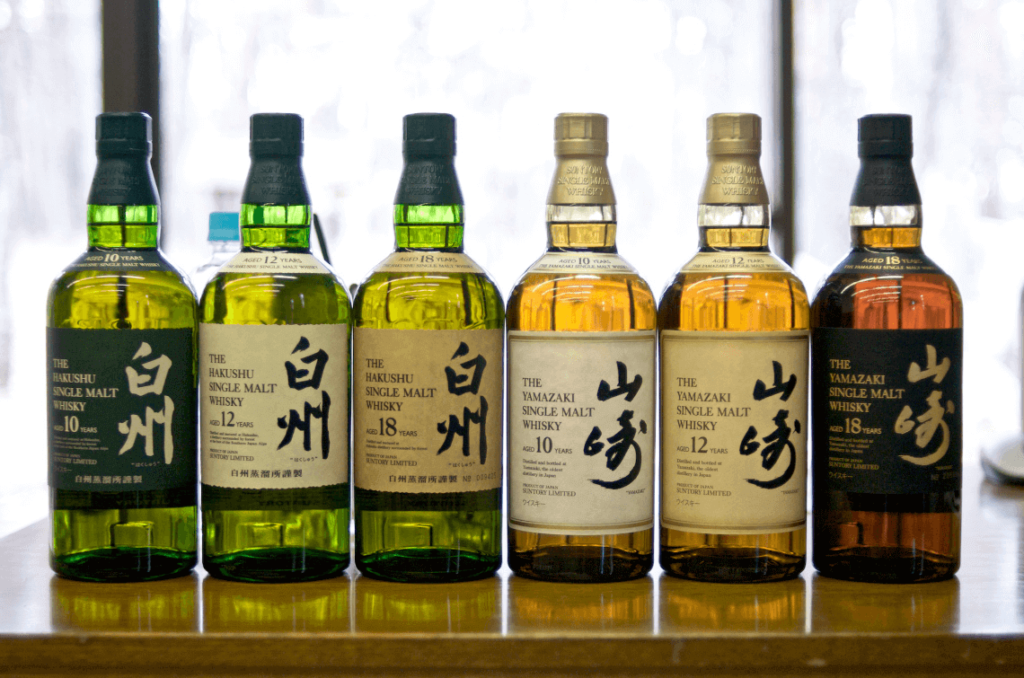
Japanese whiskey began to capture global attention in the early 2000s, with brands such as Suntory, Nikka, and Hakushu taking home prestigious awards at events like the World Whiskies Awards and the International Spirits Challenge. Their rising success was further solidified when the Yamazaki 18-Year-Old from Suntory was awarded the title of “Best Whiskey in the World” by Whisky Advocate magazine in 2003.

Today, the rise of Japanese whiskey is not just limited to awards but is an influential force in shaping whiskey trends globally. Japanese distilleries have become highly regarded for their ability to marry traditional Scotch techniques with unique local influences, creating whiskeys with exceptional quality and consistency.

2. International Demand and Market Growth
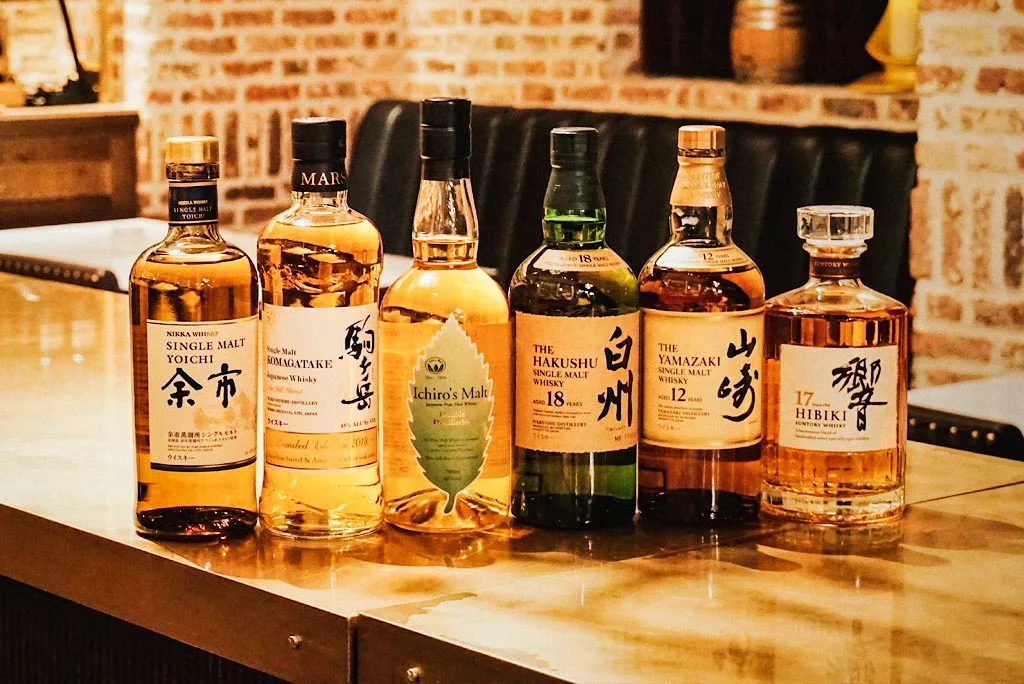
Japanese whiskey’s global success has led to increased demand, and as a result, Japanese distilleries have expanded their reach. The scarcity of some high-end bottles has made Japanese whiskey even more coveted. Brands like Hibiki, Yamazaki, and Hakushu are often found on the shelves of exclusive bars and retailers worldwide, fueling further interest in the Japanese whiskey scene.

Japan’s reputation for precision and dedication to craftsmanship has helped elevate its whiskey to an elite status, making it one of the most sought-after spirits on the international market.

The Unique Production Methods of Japanese Whiskey

Japanese whiskey’s distinctiveness stems largely from its production methods, which incorporate both time-honored traditions and unique innovations. The Japanese take a meticulous, almost reverential approach to whiskey-making, and the quality of the raw materials, attention to detail, and innovative techniques all contribute to the exceptional whiskey they produce.

1. The Influence of Scottish Techniques
Japan’s whiskey production can trace its roots back to Scotland, where Japanese distillers studied and adapted traditional methods of whiskey making. Shinjiro Torii, the founder of Suntory, brought Scottish-style whiskey-making to Japan in the early 20th century, and his approach has remained a cornerstone of Japanese whiskey production.

Much like their Scottish counterparts, Japanese distilleries prioritize aging whiskey in oak barrels. However, Japanese whiskey makers go a step further by experimenting with various types of wood—such as Mizunara oak, a native Japanese oak species. Mizunara imparts subtle flavors, such as sandalwood, coconut, and oriental spices, making Japanese whiskey particularly complex and unique.

2. The Art of Blending
One of the key elements of Japanese whiskey production is the art of blending. Japanese blenders are known for their precise, highly skilled approach to combining different whiskies, ensuring a harmonious and balanced final product. This blending technique is rooted in the philosophy of “umami,” a concept that emphasizes creating layers of flavor that are rich, smooth, and well-rounded.

The blending process is not just about balancing various age statements or flavor profiles but also creating a whiskey that reflects the distillery’s vision and the terroir of the region. Japanese whiskey makers focus on achieving a perfect equilibrium between sweet, savory, and smoky notes, resulting in a whiskey that is incredibly well-balanced and harmonious.

3. Smaller Distilleries and Attention to Detail
Many Japanese distilleries are small and craft-focused, allowing for greater attention to detail during the production process. In contrast to large-scale commercial whiskey production, the smaller batch size enables the distillers to maintain high levels of quality control at every stage—from selecting grains to monitoring fermentation and distillation. This micro-production philosophy allows for more precise flavor development and a deep respect for the ingredients being used.
What Makes Japanese Whiskey Stand Out in Terms of Flavor and Smoothness?

At the core of Japanese whiskey’s popularity is its unique flavor profile—delicate, complex, and often characterized by a smoothness and balance that sets it apart from whiskeys made in other countries. Several factors contribute to the development of this distinctive flavor, making Japanese whiskey a standout product in the global whiskey market.

1. A Harmonious Flavor Profile
Japanese whiskey is often described as exceptionally smooth, with a nuanced, well-rounded flavor that balances sweetness, smokiness, and subtle oak notes. The smoothness of Japanese whiskey is attributed to the precision of the distillation process and the influence of local ingredients, including water and barley. Additionally, the high humidity levels in Japan’s distilleries allow for a slower maturation process, which helps develop the whiskey’s elegant and refined flavor.

Japanese whiskey is typically less aggressive in its flavor profile than some other whiskeys, particularly bourbon or peated Scotch, making it a great introduction for those new to whiskey. The light, elegant taste makes it highly versatile for sipping neat, on the rocks, or in cocktails.

2. The Use of Mizunara Oak
Mizunara oak is one of the defining characteristics of Japanese whiskey. This indigenous Japanese wood imparts flavors that are distinctly different from the American or European oak used in traditional whiskey aging. Mizunara oak imparts a delicate, spicy, and floral flavor profile with notes of coconut, sandalwood, and oriental spices. This exotic wood has become synonymous with high-quality Japanese whiskey and contributes to its unique complexity and smoothness.

3. Exceptional Water Quality
Water is essential to whiskey-making, and Japan’s natural water sources are known for their purity and exceptional quality. The waters used in Japanese whiskey production are soft and low in minerals, which allows for a smoother fermentation process and more subtle flavors. Distilleries often source water from natural springs or mountains, further enhancing the purity and clarity of the whiskey.

4. A Focus on Craftsmanship and Consistency
The craftsmanship behind Japanese whiskey is often described as meticulous and detail-oriented. Distillers take great care in ensuring that every step of the production process, from grain selection to aging, is executed with precision. This commitment to quality control and consistency leads to whiskeys that are not only exceptional in flavor but also reliable in terms of taste from batch to batch.

Conclusion

Japanese whiskey’s rise to global prominence is no accident. Behind its numerous international awards and recognition is a perfect storm of tradition, innovation, and an unwavering commitment to quality. The unique production methods, which combine traditional Scotch techniques with Japanese craftsmanship, contribute to the distinctive smoothness, balance, and complexity of Japanese whiskey. The use of unique materials like Mizunara oak, coupled with a focus on purity and harmony, allows Japanese distillers to create whiskeys that captivate whiskey enthusiasts worldwide.

As more people discover the allure of Japanese whiskey, it’s clear that the secret to its success lies in its exceptional production methods, its ability to balance flavors seamlessly, and the dedication to quality that defines the Japanese approach to distilling. Whether you’re a seasoned whiskey drinker or a newcomer to the world of spirits, Japanese whiskey is undoubtedly worth exploring—and if you’ve never tried it, there’s no better time than now.
Tags: Japanese whiskeyMizunara oakwhiskey production methods
ShareTweetShare

Related Posts

Can Grain Spirits Really Rival Their Malt Counterparts?
ALL

Can Grain Spirits Really Rival Their Malt Counterparts?

January 16, 2026
Can Craft Beer Really Replace Traditional Lager?
ALL

Can Craft Beer Really Replace Traditional Lager?

January 16, 2026
Why Do Some Champagnes Have a Saltiness to Them?
ALL

Why Do Some Champagnes Have a Saltiness to Them?

January 16, 2026
Is Whiskey Really Better with Age?
ALL

Is Whiskey Really Better with Age?

January 16, 2026
Is Wine Aging Really Just About Time?
ALL

Is Wine Aging Really Just About Time?

January 16, 2026
Do Wine Labels Signal Style More Than Region Today?
ALL

Do Wine Labels Signal Style More Than Region Today?

January 15, 2026
Leave Comment
  • Trending
  • Comments
  • Latest
What Hidden Craftsmanship Lies Behind a Bottle of Quality Grain Spirits?

What Hidden Craftsmanship Lies Behind a Bottle of Quality Grain Spirits?

July 3, 2025
How Is Champagne Made? The Secrets Behind the Sparkle

How Is Champagne Made? The Secrets Behind the Sparkle

April 15, 2025
Grain Spirits vs. Traditional Distilled Spirits: Which One Suits Your Taste?

Grain Spirits vs. Traditional Distilled Spirits: Which One Suits Your Taste?

July 3, 2025
Champagne Bubbles: How Do They Perfectly Convey Celebration, Joy, and Luxury?

Champagne Bubbles: How Do They Perfectly Convey Celebration, Joy, and Luxury?

July 2, 2025
The Timeless Elegance of Wine: A Journey Through History and Culture

The Timeless Elegance of Wine: A Journey Through History and Culture

Why Is Château Lafite Rothschild the Pinnacle of Fine Wine?

Why Is Château Lafite Rothschild the Pinnacle of Fine Wine?

How Did Château Lafite Rothschild Become a Global Icon of Luxury?

How Did Château Lafite Rothschild Become a Global Icon of Luxury?

What Makes Chateau Lafite Rothschild the Pinnacle of Bordeaux Wines?

What Makes Chateau Lafite Rothschild the Pinnacle of Bordeaux Wines?

Can Grain Spirits Really Rival Their Malt Counterparts?

Can Grain Spirits Really Rival Their Malt Counterparts?

January 16, 2026
Can Craft Beer Really Replace Traditional Lager?

Can Craft Beer Really Replace Traditional Lager?

January 16, 2026
Why Do Some Champagnes Have a Saltiness to Them?

Why Do Some Champagnes Have a Saltiness to Them?

January 16, 2026
Is Whiskey Really Better with Age?

Is Whiskey Really Better with Age?

January 16, 2026
SipsavorLife

Welcome to our comprehensive beverage guide, where you can explore the fascinating world of alcoholic drinks. From exquisite wines and rich whiskeys to refreshing beers and sparkling champagnes, we provide insights, tips, and recommendations for enthusiasts and casual drinkers alike. Discover your next favorite libation with us!

© 2025 sipsavorlife.com. contacts:sipsavorlife-35376@gmail.com

No Result
View All Result
  • Home
  • Wine
  • Whiskey
  • Beer
  • Grain Spirits
  • Champagne
  • ALL

© 2025 sipsavorlife.com. contacts:sipsavorlife-35376@gmail.com

Welcome Back!

Login to your account below

Forgotten Password?

Retrieve your password

Please enter your username or email address to reset your password.

Log In