


















SipsavorLife
  • Home
  • Wine
    Wine Pairings: Can They Change the Flavor Profile of a Dish?

    Wine Pairings: Can They Change the Flavor Profile of a Dish?

    How Do Wine Glasses Influence the Tasting Experience?

    How Do Wine Glasses Influence the Tasting Experience?

    Is Organic Wine Healthier Than Conventional Wine?

    Is Organic Wine Healthier Than Conventional Wine?

    Why Do Some Wines Taste Better from Specific Vintages?

    Why Do Some Wines Taste Better from Specific Vintages?

    Wine Tasting: Can It Truly Be an Art Form?

    Wine Tasting: Can It Truly Be an Art Form?

    What Does Terroir Actually Mean for Your Wine?

    What Does Terroir Actually Mean for Your Wine?

  • Whiskey
    Can Beer Be an Effective Ingredient in Culinary Cooking?

    Can Beer Be an Effective Ingredient in Culinary Cooking?

    Second Fermentation in Champagne: Is It Really That Crucial?

    Second Fermentation in Champagne: Is It Really That Crucial?

    How Do Different Grains Impact the Flavor Profile of Distilled Spirits?

    How Do Different Grains Impact the Flavor Profile of Distilled Spirits?

    How Do Whiskey Master Blenders Create Perfection?

    How Do Whiskey Master Blenders Create Perfection?

    Wine Pairings: Can They Change the Flavor Profile of a Dish?

    Wine Pairings: Can They Change the Flavor Profile of a Dish?

    Beer the Ultimate Beverage for Pairing with Spicy Food?

    Beer the Ultimate Beverage for Pairing with Spicy Food?

  • Beer
    Can Beer Be an Effective Ingredient in Culinary Cooking?

    Can Beer Be an Effective Ingredient in Culinary Cooking?

    Beer the Ultimate Beverage for Pairing with Spicy Food?

    Beer the Ultimate Beverage for Pairing with Spicy Food?

    How Did Ancient Civilizations Brew Beer Without Modern Technology?

    How Did Ancient Civilizations Brew Beer Without Modern Technology?

    Is It Possible to Brew a Beer with No Alcohol and No Compromise on Taste?

    Is It Possible to Brew a Beer with No Alcohol and No Compromise on Taste?

    Why Does Beer Taste Different at High Altitudes?

    Why Does Beer Taste Different at High Altitudes?

    Is Hops the Secret Ingredient Behind Beer’s Bold Flavor?

    Is Hops the Secret Ingredient Behind Beer’s Bold Flavor?

  • Grain Spirits
    How Do Different Grains Impact the Flavor Profile of Distilled Spirits?

    How Do Different Grains Impact the Flavor Profile of Distilled Spirits?

    Grain Spirits the Unsung Heroes of Modern Mixology

    Grain Spirits the Unsung Heroes of Modern Mixology

    What Makes Grain-Based Whiskey So Different from Its Peated Cousins?

    What Makes Grain-Based Whiskey So Different from Its Peated Cousins?

    Grain Spirits: Could They Be the Next Big Trend in Craft Cocktails?

    Grain Spirits: Could They Be the Next Big Trend in Craft Cocktails?

    Why Are Grain Spirits Often Overlooked in the World of Fine Liquor?

    Why Are Grain Spirits Often Overlooked in the World of Fine Liquor?

    Is There a Secret Art to Distilling Grain Spirits?

    Is There a Secret Art to Distilling Grain Spirits?

  • Champagne
    Second Fermentation in Champagne: Is It Really That Crucial?

    Second Fermentation in Champagne: Is It Really That Crucial?

    The Science Behind the ‘Bubble Size’ in Champagne

    The Science Behind the ‘Bubble Size’ in Champagne

    Why Do Some Champagnes Use a High Proportion of Pinot Meunier?

    Why Do Some Champagnes Use a High Proportion of Pinot Meunier?

    Role of Terroir in Champagne Production

    Role of Terroir in Champagne Production

    Champagne Can Be Aged in Wood?

    Champagne Can Be Aged in Wood?

    Is There a Difference Between Blanc de Blancs and Blanc de Noirs Champagne?

    Is There a Difference Between Blanc de Blancs and Blanc de Noirs Champagne?

  • ALL
    Can Beer Be an Effective Ingredient in Culinary Cooking?

    Can Beer Be an Effective Ingredient in Culinary Cooking?

    Second Fermentation in Champagne: Is It Really That Crucial?

    Second Fermentation in Champagne: Is It Really That Crucial?

    How Do Different Grains Impact the Flavor Profile of Distilled Spirits?

    How Do Different Grains Impact the Flavor Profile of Distilled Spirits?

    How Do Whiskey Master Blenders Create Perfection?

    How Do Whiskey Master Blenders Create Perfection?

    Wine Pairings: Can They Change the Flavor Profile of a Dish?

    Wine Pairings: Can They Change the Flavor Profile of a Dish?

    Beer the Ultimate Beverage for Pairing with Spicy Food?

    Beer the Ultimate Beverage for Pairing with Spicy Food?

SipsavorLife
  • Home
  • Wine
    Wine Pairings: Can They Change the Flavor Profile of a Dish?

    Wine Pairings: Can They Change the Flavor Profile of a Dish?

    How Do Wine Glasses Influence the Tasting Experience?

    How Do Wine Glasses Influence the Tasting Experience?

    Is Organic Wine Healthier Than Conventional Wine?

    Is Organic Wine Healthier Than Conventional Wine?

    Why Do Some Wines Taste Better from Specific Vintages?

    Why Do Some Wines Taste Better from Specific Vintages?

    Wine Tasting: Can It Truly Be an Art Form?

    Wine Tasting: Can It Truly Be an Art Form?

    What Does Terroir Actually Mean for Your Wine?

    What Does Terroir Actually Mean for Your Wine?

  • Whiskey
    Can Beer Be an Effective Ingredient in Culinary Cooking?

    Can Beer Be an Effective Ingredient in Culinary Cooking?

    Second Fermentation in Champagne: Is It Really That Crucial?

    Second Fermentation in Champagne: Is It Really That Crucial?

    How Do Different Grains Impact the Flavor Profile of Distilled Spirits?

    How Do Different Grains Impact the Flavor Profile of Distilled Spirits?

    How Do Whiskey Master Blenders Create Perfection?

    How Do Whiskey Master Blenders Create Perfection?

    Wine Pairings: Can They Change the Flavor Profile of a Dish?

    Wine Pairings: Can They Change the Flavor Profile of a Dish?

    Beer the Ultimate Beverage for Pairing with Spicy Food?

    Beer the Ultimate Beverage for Pairing with Spicy Food?

  • Beer
    Can Beer Be an Effective Ingredient in Culinary Cooking?

    Can Beer Be an Effective Ingredient in Culinary Cooking?

    Beer the Ultimate Beverage for Pairing with Spicy Food?

    Beer the Ultimate Beverage for Pairing with Spicy Food?

    How Did Ancient Civilizations Brew Beer Without Modern Technology?

    How Did Ancient Civilizations Brew Beer Without Modern Technology?

    Is It Possible to Brew a Beer with No Alcohol and No Compromise on Taste?

    Is It Possible to Brew a Beer with No Alcohol and No Compromise on Taste?

    Why Does Beer Taste Different at High Altitudes?

    Why Does Beer Taste Different at High Altitudes?

    Is Hops the Secret Ingredient Behind Beer’s Bold Flavor?

    Is Hops the Secret Ingredient Behind Beer’s Bold Flavor?

  • Grain Spirits
    How Do Different Grains Impact the Flavor Profile of Distilled Spirits?

    How Do Different Grains Impact the Flavor Profile of Distilled Spirits?

    Grain Spirits the Unsung Heroes of Modern Mixology

    Grain Spirits the Unsung Heroes of Modern Mixology

    What Makes Grain-Based Whiskey So Different from Its Peated Cousins?

    What Makes Grain-Based Whiskey So Different from Its Peated Cousins?

    Grain Spirits: Could They Be the Next Big Trend in Craft Cocktails?

    Grain Spirits: Could They Be the Next Big Trend in Craft Cocktails?

    Why Are Grain Spirits Often Overlooked in the World of Fine Liquor?

    Why Are Grain Spirits Often Overlooked in the World of Fine Liquor?

    Is There a Secret Art to Distilling Grain Spirits?

    Is There a Secret Art to Distilling Grain Spirits?

  • Champagne
    Second Fermentation in Champagne: Is It Really That Crucial?

    Second Fermentation in Champagne: Is It Really That Crucial?

    The Science Behind the ‘Bubble Size’ in Champagne

    The Science Behind the ‘Bubble Size’ in Champagne

    Why Do Some Champagnes Use a High Proportion of Pinot Meunier?

    Why Do Some Champagnes Use a High Proportion of Pinot Meunier?

    Role of Terroir in Champagne Production

    Role of Terroir in Champagne Production

    Champagne Can Be Aged in Wood?

    Champagne Can Be Aged in Wood?

    Is There a Difference Between Blanc de Blancs and Blanc de Noirs Champagne?

    Is There a Difference Between Blanc de Blancs and Blanc de Noirs Champagne?

  • ALL
    Can Beer Be an Effective Ingredient in Culinary Cooking?

    Can Beer Be an Effective Ingredient in Culinary Cooking?

    Second Fermentation in Champagne: Is It Really That Crucial?

    Second Fermentation in Champagne: Is It Really That Crucial?

    How Do Different Grains Impact the Flavor Profile of Distilled Spirits?

    How Do Different Grains Impact the Flavor Profile of Distilled Spirits?

    How Do Whiskey Master Blenders Create Perfection?

    How Do Whiskey Master Blenders Create Perfection?

    Wine Pairings: Can They Change the Flavor Profile of a Dish?

    Wine Pairings: Can They Change the Flavor Profile of a Dish?

    Beer the Ultimate Beverage for Pairing with Spicy Food?

    Beer the Ultimate Beverage for Pairing with Spicy Food?

SipsavorLife
No Result
View All Result
Home ALL

What Makes Tsingtao Beer Unique? A Deep Dive into Its Flavor and Characteristics

January 12, 2025
in ALL, Beer
What Makes Tsingtao Beer Unique? A Deep Dive into Its Flavor and Characteristics

Introduction:

Tsingtao, a renowned Chinese beer brand with over a century of brewing tradition, has gained a global reputation for its distinctive taste and high quality. But what exactly makes Tsingtao beer unique? How do its ingredients, brewing process, and cultural background come together to create its signature flavor? This article aims to explore the flavor profile and characteristics of Tsingtao, from its crisp, refreshing taste to the subtle layers of flavor that define it.

By examining the history of Tsingtao’s brewing practices, its distinct taste, and how it compares to other international beers, we will uncover the essence of Tsingtao that has earned it a place among the world’s best-loved beers.

1. The Ingredients Behind Tsingtao’s Flavor Profile

To understand Tsingtao’s flavor, it’s essential to start with the ingredients that make it distinctive. The ingredients used in brewing a beer play a fundamental role in determining its taste. Tsingtao uses four primary ingredients: water, barley, hops, and rice. But how does the combination of these elements shape the final product?

Key points:

  • Barley: The use of high-quality barley is a fundamental part of Tsingtao’s brewing process. Barley gives the beer its core malt flavor and body, and Tsingtao uses a select variety of malted barley to create its signature crispness.
  • Hops: Hops add bitterness and aroma to beer. Tsingtao uses a blend of European and local hops, which contribute to its balanced bitterness and floral aroma.
  • Rice: Rice is a unique addition to Tsingtao’s recipe. Unlike many other beers, Tsingtao uses rice to lighten the body and increase the beer’s smoothness. This addition gives the beer its clean and refreshing finish.
  • Water: The quality of water is often overlooked, but it plays a pivotal role in shaping the beer’s flavor. Tsingtao sources its water from the Lao Mountain region, known for its purity and mineral balance, which adds to the beer’s smoothness.

2. Tsingtao’s Taste Profile: The Journey from First Sip to Finish

Tsingtao is known for its crisp, refreshing, and slightly malty taste. The light bitterness balanced by the malty sweetness makes it a crowd-pleaser across various palates. But what do these characteristics mean in practical terms?

Key points:

  • Appearance: Tsingtao pours a pale golden yellow, clear with a slight effervescence. The foam is thick and white, but dissipates relatively quickly. The appearance sets the tone for a crisp, refreshing experience.
  • Aroma: The first thing you’ll notice when you open a bottle of Tsingtao is its light, slightly sweet malt aroma with a subtle hint of hops. The scent is clean and inviting, with some faint herbal notes.
  • Taste (First Sip): Upon the first sip, you are greeted with a delicate balance of malt sweetness and mild hop bitterness. The beer’s flavor is not overly heavy, but the combination of barley and rice gives it a smooth, lightly textured mouthfeel.
  • Body: Tsingtao has a light to medium body, which makes it easy to drink and refreshing. It’s not overly filling, and this lighter body contributes to its wide appeal, especially for casual drinking.
  • Mouthfeel: The mouthfeel is clean and crisp, with a slight carbonation that gives it a refreshing finish. The balance between the malt and the rice keeps the texture smooth and non-overwhelming.
  • Finish: The finish of Tsingtao is clean and crisp, with a mild hop bitterness that lingers just enough to invite the next sip. It’s refreshing and well-balanced, making it easy to drink for longer sessions.

3. The Flavor Balance: Malt, Hops, and Rice

The success of Tsingtao lies in its ability to strike a perfect balance between sweetness, bitterness, and smoothness. While the hops and malt provide the primary flavor components, the rice plays a crucial role in balancing the beer, making it less heavy and more drinkable.

Key points:

  • Malty Sweetness: Tsingtao has a subtle malty sweetness, which gives it a pleasant and slightly bready flavor. This sweetness is present but never overpowering, allowing the beer to maintain a light and refreshing taste.
  • Bitterness from Hops: The bitterness of the hops is mild but distinct. The beer’s bitterness is balanced by the malt, resulting in a smooth, enjoyable bitterness that never becomes harsh.
  • The Role of Rice: Rice softens the flavor profile, helping to lighten the beer’s body and ensuring that it doesn’t become too heavy. It enhances the clean, refreshing finish and makes Tsingtao an easy-drinking beer, perfect for various occasions.
4. Tsingtao Compared to Other Beers: How It Stands Out

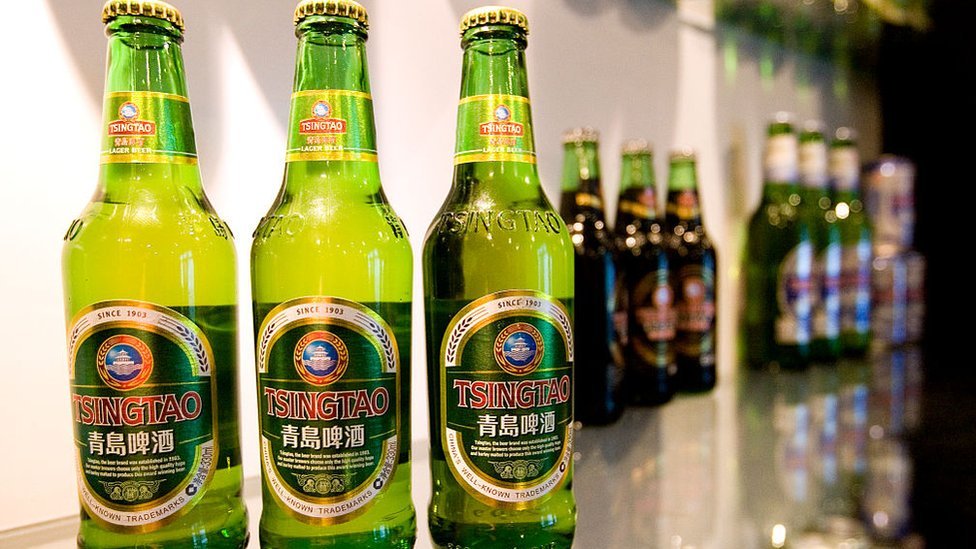
When compared to other international beers, Tsingtao’s distinctive blend of ingredients sets it apart. Although it shares some similarities with other lagers, its use of rice and its specific brewing techniques give it unique characteristics.

Key points:

  • Pilsner Comparison: Tsingtao’s use of barley and hops places it in the same family as Pilsners. However, unlike many European Pilsners that can have a strong hop bitterness, Tsingtao tends to be lighter and smoother, with less aggressive bitterness.
  • Comparison with Domestic Beers: Tsingtao’s global appeal also lies in its ability to stand out against domestic Chinese beers, which often have a much lighter and less distinctive taste profile. Tsingtao’s unique malt and hop balance give it more flavor complexity.
  • Lager Comparison: Tsingtao is a lager, but it differs from many mainstream lagers due to its crispness and smooth finish. While many lagers can feel bland, Tsingtao offers a distinct malty sweetness balanced with a refreshing finish, setting it apart from its contemporaries.

5. Cultural Influence on Tsingtao’s Flavor

Tsingtao is not just a beer but a reflection of Chinese brewing culture. The fusion of German brewing techniques with local Chinese ingredients speaks to the hybrid nature of Tsingtao’s identity. Its flavor is not only shaped by the ingredients and brewing methods but also by the cultural heritage that it carries.

Key points:

  • German Influence: The influence of German brewing techniques, especially in creating a light yet full-bodied lager, is evident in the flavor profile. This influence can be traced back to Tsingtao’s roots in the early 20th century.
  • Chinese Ingredients and Local Adaptations: The use of rice in Tsingtao is a distinctly Chinese adaptation. While German lagers rarely use rice, it reflects China’s agricultural heritage and provides a smoother finish that appeals to local tastes.
  • Cultural Significance of Refreshment: In Chinese culture, Tsingtao’s light and refreshing taste has made it an essential companion to food, especially in casual settings like barbecues and meals with friends and family. The beer’s flavor is designed to complement Chinese cuisine, which often involves bold flavors and spices.

6. Tsingtao’s Flavor in Pairings: Food and Beyond

Tsingtao’s crisp and refreshing flavor makes it an ideal beer to pair with a variety of foods. Whether you are enjoying Chinese cuisine or international dishes, Tsingtao’s versatility ensures it pairs well with many different flavors.

Key points:

  • Chinese Cuisine: Tsingtao pairs exceptionally well with dishes like dim sum, dumplings, fried rice, and spicy Sichuan hot pot. The beer’s lightness cuts through the richness of the food while complementing its spices and flavors.
  • Grilled Meats and Seafood: The crispness of Tsingtao makes it a great match for grilled meats, barbecued dishes, and seafood. The beer’s refreshing quality helps cleanse the palate between bites of flavorful foods.
  • International Pairings: Beyond Chinese cuisine, Tsingtao pairs well with a wide range of international dishes, including burgers, pizza, and fried foods. Its balanced flavor enhances the flavors of these dishes without overpowering them.

Conclusion: What Defines Tsingtao’s Flavor?

Tsingtao’s flavor is a harmonious balance of malty sweetness, mild hop bitterness, and a clean, refreshing finish. Its combination of German brewing techniques and Chinese ingredients, particularly the use of rice, sets it apart from other lagers and Pilsners. Whether enjoyed with a meal or as a refreshing solo drink, Tsingtao offers a unique taste experience that speaks to its deep cultural roots and its commitment to quality.

The global appeal of Tsingtao can be attributed not only to its distinctive flavor profile but also to its ability to blend tradition with innovation, making it a standout beer in the international market. As Tsingtao continues to grow and reach new markets, its signature taste will remain a cornerstone of its identity, capturing the essence of both Chinese brewing craftsmanship and global beer culture.


Tags: beercharacteristicsCultureflavorHealthHistoryInnovation
ShareTweetShare

Related Posts

Can Beer Be an Effective Ingredient in Culinary Cooking?
ALL

Can Beer Be an Effective Ingredient in Culinary Cooking?

January 22, 2026
Second Fermentation in Champagne: Is It Really That Crucial?
ALL

Second Fermentation in Champagne: Is It Really That Crucial?

January 22, 2026
How Do Different Grains Impact the Flavor Profile of Distilled Spirits?
ALL

How Do Different Grains Impact the Flavor Profile of Distilled Spirits?

January 22, 2026
How Do Whiskey Master Blenders Create Perfection?
ALL

How Do Whiskey Master Blenders Create Perfection?

January 22, 2026
Wine Pairings: Can They Change the Flavor Profile of a Dish?
ALL

Wine Pairings: Can They Change the Flavor Profile of a Dish?

January 22, 2026
Beer the Ultimate Beverage for Pairing with Spicy Food?
ALL

Beer the Ultimate Beverage for Pairing with Spicy Food?

January 21, 2026
Leave Comment
  • Trending
  • Comments
  • Latest
What Hidden Craftsmanship Lies Behind a Bottle of Quality Grain Spirits?

What Hidden Craftsmanship Lies Behind a Bottle of Quality Grain Spirits?

July 3, 2025
How Is Champagne Made? The Secrets Behind the Sparkle

How Is Champagne Made? The Secrets Behind the Sparkle

April 15, 2025
Grain Spirits vs. Traditional Distilled Spirits: Which One Suits Your Taste?

Grain Spirits vs. Traditional Distilled Spirits: Which One Suits Your Taste?

July 3, 2025
Champagne Bubbles: How Do They Perfectly Convey Celebration, Joy, and Luxury?

Champagne Bubbles: How Do They Perfectly Convey Celebration, Joy, and Luxury?

July 2, 2025
The Timeless Elegance of Wine: A Journey Through History and Culture

The Timeless Elegance of Wine: A Journey Through History and Culture

Why Is Château Lafite Rothschild the Pinnacle of Fine Wine?

Why Is Château Lafite Rothschild the Pinnacle of Fine Wine?

How Did Château Lafite Rothschild Become a Global Icon of Luxury?

How Did Château Lafite Rothschild Become a Global Icon of Luxury?

What Makes Chateau Lafite Rothschild the Pinnacle of Bordeaux Wines?

What Makes Chateau Lafite Rothschild the Pinnacle of Bordeaux Wines?

Can Beer Be an Effective Ingredient in Culinary Cooking?

Can Beer Be an Effective Ingredient in Culinary Cooking?

January 22, 2026
Second Fermentation in Champagne: Is It Really That Crucial?

Second Fermentation in Champagne: Is It Really That Crucial?

January 22, 2026
How Do Different Grains Impact the Flavor Profile of Distilled Spirits?

How Do Different Grains Impact the Flavor Profile of Distilled Spirits?

January 22, 2026
How Do Whiskey Master Blenders Create Perfection?

How Do Whiskey Master Blenders Create Perfection?

January 22, 2026
SipsavorLife

Welcome to our comprehensive beverage guide, where you can explore the fascinating world of alcoholic drinks. From exquisite wines and rich whiskeys to refreshing beers and sparkling champagnes, we provide insights, tips, and recommendations for enthusiasts and casual drinkers alike. Discover your next favorite libation with us!

© 2025 sipsavorlife.com. contacts:sipsavorlife-35376@gmail.com

No Result
View All Result
  • Home
  • Wine
  • Whiskey
  • Beer
  • Grain Spirits
  • Champagne
  • ALL

© 2025 sipsavorlife.com. contacts:sipsavorlife-35376@gmail.com

Welcome Back!

Login to your account below

Forgotten Password?

Retrieve your password

Please enter your username or email address to reset your password.

Log In