

SipsavorLife
  • Home
  • Wine
    Wine as a Cultural Artifact: History, Identity, and the Evolution of Taste

    The Art and Science of Wine & Food Pairing: How to Create Perfect Matches Every Time

    Wine as a Cultural Artifact: History, Identity, and the Evolution of Taste

    A Complete Guide to Wine Styles and Grape Varieties: From Cabernet Sauvignon to Riesling

    Wine as a Cultural Artifact: History, Identity, and the Evolution of Taste

    The Global Wine Industry: Economics, Markets, and the Future of Consumption

    Wine as a Cultural Artifact: History, Identity, and the Evolution of Taste

    The Science of Wine Tasting: How Chemistry, Biology, and Perception Shape Flavor

    Wine as a Cultural Artifact: History, Identity, and the Evolution of Taste

    Wine as a Cultural Artifact: History, Identity, and the Evolution of Taste

    Red Wine — The Liquid Expression of Land, Time, and Human Intention

    The Future of Red Wine — Climate Change, Technology, and the Evolution of Taste

  • Whiskey
    Can Beer Be an Effective Ingredient in Culinary Cooking?

    Can Beer Be an Effective Ingredient in Culinary Cooking?

    Second Fermentation in Champagne: Is It Really That Crucial?

    Second Fermentation in Champagne: Is It Really That Crucial?

    How Do Different Grains Impact the Flavor Profile of Distilled Spirits?

    How Do Different Grains Impact the Flavor Profile of Distilled Spirits?

    How Do Whiskey Master Blenders Create Perfection?

    How Do Whiskey Master Blenders Create Perfection?

    Wine Pairings: Can They Change the Flavor Profile of a Dish?

    Wine Pairings: Can They Change the Flavor Profile of a Dish?

    Beer the Ultimate Beverage for Pairing with Spicy Food?

    Beer the Ultimate Beverage for Pairing with Spicy Food?

  • Beer
    Beer as a Cultural and Social Force: From Ancient Brew to Modern Identity

    The Art of Beer & Food Pairing: Unlocking Flavor Through Balance, Contrast, and Texture

    Beer as a Cultural and Social Force: From Ancient Brew to Modern Identity

    A Complete Guide to Beer Styles: From Lager to Stout, Understanding Flavor, Body, and Character

    Beer as a Cultural and Social Force: From Ancient Brew to Modern Identity

    The Global Beer Industry: Craft Revolution, Market Forces, and the Future of Brewing

    Beer as a Cultural and Social Force: From Ancient Brew to Modern Identity

    The Science of Beer: Brewing Process, Ingredients, and the Chemistry of Flavor

    Beer as a Cultural and Social Force: From Ancient Brew to Modern Identity

    Beer as a Cultural and Social Force: From Ancient Brew to Modern Identity

    The Evolution of Beer — From Ancient Brews to the Craft Revolution

    The Future of Beer — Innovation, Sustainability, and Emerging Trends

  • Grain Spirits
    Grain Spirits Explained — The Foundation of Global Distillation

    The Future of Grain Spirits — Technology, Sustainability, and the Next Era of Distillation

    Grain Spirits Explained — The Foundation of Global Distillation

    Grain Spirits Around the World — Vodka, Whisky Bases, and Industrial Applications

    Grain Spirits Explained — The Foundation of Global Distillation

    Distillation Systems — Pot Still vs Column Still, and the Balance Between Efficiency and Flavor

    Grain Spirits Explained — The Foundation of Global Distillation

    Grain Selection and Fermentation Science — How Raw Ingredients Shape Grain Spirits

    Grain Spirits Explained — The Foundation of Global Distillation

    Grain Spirits Explained — The Foundation of Global Distillation

    Grain Spirits and the Industrial Birth of Neutral Alcohol

    The Future of Grain Spirits — AI Distillation, Sustainability, and the Post-Flavor Alcohol Industry

  • Champagne
    The History of Champagne — From Accidental Sparkle to Global Luxury

    The Future of Champagne — Climate Change, Innovation, and Industry Evolution

    The History of Champagne — From Accidental Sparkle to Global Luxury

    The Culture of Champagne — Luxury, Celebration, and Global Influence

    The History of Champagne — From Accidental Sparkle to Global Luxury

    Champagne Styles Explained — Brut, Rosé, Vintage, and Beyond

    The History of Champagne — From Accidental Sparkle to Global Luxury

    The Craft of Champagne — Terroir, Grapes, and the Méthode Traditionnelle

    The History of Champagne — From Accidental Sparkle to Global Luxury

    The History of Champagne — From Accidental Sparkle to Global Luxury

    The Future of Champagne — Climate Change, Innovation, and the Evolution of Sparkling Wine

    The Future of Champagne — Climate Change, Innovation, and the Evolution of Sparkling Wine

  • ALL
    Can Beer Be an Effective Ingredient in Culinary Cooking?

    Can Beer Be an Effective Ingredient in Culinary Cooking?

    Second Fermentation in Champagne: Is It Really That Crucial?

    Second Fermentation in Champagne: Is It Really That Crucial?

    How Do Different Grains Impact the Flavor Profile of Distilled Spirits?

    How Do Different Grains Impact the Flavor Profile of Distilled Spirits?

    How Do Whiskey Master Blenders Create Perfection?

    How Do Whiskey Master Blenders Create Perfection?

    Wine Pairings: Can They Change the Flavor Profile of a Dish?

    Wine Pairings: Can They Change the Flavor Profile of a Dish?

    Beer the Ultimate Beverage for Pairing with Spicy Food?

    Beer the Ultimate Beverage for Pairing with Spicy Food?

SipsavorLife
  • Home
  • Wine
    Wine as a Cultural Artifact: History, Identity, and the Evolution of Taste

    The Art and Science of Wine & Food Pairing: How to Create Perfect Matches Every Time

    Wine as a Cultural Artifact: History, Identity, and the Evolution of Taste

    A Complete Guide to Wine Styles and Grape Varieties: From Cabernet Sauvignon to Riesling

    Wine as a Cultural Artifact: History, Identity, and the Evolution of Taste

    The Global Wine Industry: Economics, Markets, and the Future of Consumption

    Wine as a Cultural Artifact: History, Identity, and the Evolution of Taste

    The Science of Wine Tasting: How Chemistry, Biology, and Perception Shape Flavor

    Wine as a Cultural Artifact: History, Identity, and the Evolution of Taste

    Wine as a Cultural Artifact: History, Identity, and the Evolution of Taste

    Red Wine — The Liquid Expression of Land, Time, and Human Intention

    The Future of Red Wine — Climate Change, Technology, and the Evolution of Taste

  • Whiskey
    Can Beer Be an Effective Ingredient in Culinary Cooking?

    Can Beer Be an Effective Ingredient in Culinary Cooking?

    Second Fermentation in Champagne: Is It Really That Crucial?

    Second Fermentation in Champagne: Is It Really That Crucial?

    How Do Different Grains Impact the Flavor Profile of Distilled Spirits?

    How Do Different Grains Impact the Flavor Profile of Distilled Spirits?

    How Do Whiskey Master Blenders Create Perfection?

    How Do Whiskey Master Blenders Create Perfection?

    Wine Pairings: Can They Change the Flavor Profile of a Dish?

    Wine Pairings: Can They Change the Flavor Profile of a Dish?

    Beer the Ultimate Beverage for Pairing with Spicy Food?

    Beer the Ultimate Beverage for Pairing with Spicy Food?

  • Beer
    Beer as a Cultural and Social Force: From Ancient Brew to Modern Identity

    The Art of Beer & Food Pairing: Unlocking Flavor Through Balance, Contrast, and Texture

    Beer as a Cultural and Social Force: From Ancient Brew to Modern Identity

    A Complete Guide to Beer Styles: From Lager to Stout, Understanding Flavor, Body, and Character

    Beer as a Cultural and Social Force: From Ancient Brew to Modern Identity

    The Global Beer Industry: Craft Revolution, Market Forces, and the Future of Brewing

    Beer as a Cultural and Social Force: From Ancient Brew to Modern Identity

    The Science of Beer: Brewing Process, Ingredients, and the Chemistry of Flavor

    Beer as a Cultural and Social Force: From Ancient Brew to Modern Identity

    Beer as a Cultural and Social Force: From Ancient Brew to Modern Identity

    The Evolution of Beer — From Ancient Brews to the Craft Revolution

    The Future of Beer — Innovation, Sustainability, and Emerging Trends

  • Grain Spirits
    Grain Spirits Explained — The Foundation of Global Distillation

    The Future of Grain Spirits — Technology, Sustainability, and the Next Era of Distillation

    Grain Spirits Explained — The Foundation of Global Distillation

    Grain Spirits Around the World — Vodka, Whisky Bases, and Industrial Applications

    Grain Spirits Explained — The Foundation of Global Distillation

    Distillation Systems — Pot Still vs Column Still, and the Balance Between Efficiency and Flavor

    Grain Spirits Explained — The Foundation of Global Distillation

    Grain Selection and Fermentation Science — How Raw Ingredients Shape Grain Spirits

    Grain Spirits Explained — The Foundation of Global Distillation

    Grain Spirits Explained — The Foundation of Global Distillation

    Grain Spirits and the Industrial Birth of Neutral Alcohol

    The Future of Grain Spirits — AI Distillation, Sustainability, and the Post-Flavor Alcohol Industry

  • Champagne
    The History of Champagne — From Accidental Sparkle to Global Luxury

    The Future of Champagne — Climate Change, Innovation, and Industry Evolution

    The History of Champagne — From Accidental Sparkle to Global Luxury

    The Culture of Champagne — Luxury, Celebration, and Global Influence

    The History of Champagne — From Accidental Sparkle to Global Luxury

    Champagne Styles Explained — Brut, Rosé, Vintage, and Beyond

    The History of Champagne — From Accidental Sparkle to Global Luxury

    The Craft of Champagne — Terroir, Grapes, and the Méthode Traditionnelle

    The History of Champagne — From Accidental Sparkle to Global Luxury

    The History of Champagne — From Accidental Sparkle to Global Luxury

    The Future of Champagne — Climate Change, Innovation, and the Evolution of Sparkling Wine

    The Future of Champagne — Climate Change, Innovation, and the Evolution of Sparkling Wine

  • ALL
    Can Beer Be an Effective Ingredient in Culinary Cooking?

    Can Beer Be an Effective Ingredient in Culinary Cooking?

    Second Fermentation in Champagne: Is It Really That Crucial?

    Second Fermentation in Champagne: Is It Really That Crucial?

    How Do Different Grains Impact the Flavor Profile of Distilled Spirits?

    How Do Different Grains Impact the Flavor Profile of Distilled Spirits?

    How Do Whiskey Master Blenders Create Perfection?

    How Do Whiskey Master Blenders Create Perfection?

    Wine Pairings: Can They Change the Flavor Profile of a Dish?

    Wine Pairings: Can They Change the Flavor Profile of a Dish?

    Beer the Ultimate Beverage for Pairing with Spicy Food?

    Beer the Ultimate Beverage for Pairing with Spicy Food?

SipsavorLife
No Result
View All Result
Home Beer

The Art of Beer & Food Pairing: Unlocking Flavor Through Balance, Contrast, and Texture

April 26, 2026
in Beer
Beer as a Cultural and Social Force: From Ancient Brew to Modern Identity

Introduction: Why Beer Might Be Better Than Wine for Pairing

Wine has long dominated the conversation around food pairing. It is often associated with fine dining, sophistication, and carefully curated meals. Beer, by contrast, is frequently viewed as casual—a drink for relaxation rather than refinement.

But this perception overlooks a key truth: beer is one of the most versatile beverages for food pairing.

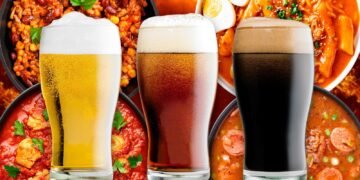
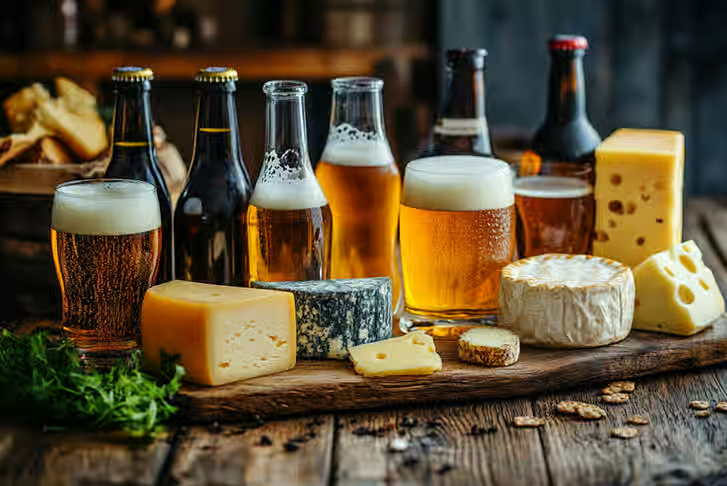
With its wide range of styles, carbonation, bitterness, and flavor diversity, beer can complement and enhance food in ways that wine sometimes cannot. From cutting through rich, fatty dishes to balancing spice and amplifying umami, beer offers pairing possibilities that are both flexible and powerful.

This article explores how beer interacts with food—not through rigid rules, but through understanding structure, flavor, and experience.


I. The Core Principle: Interaction, Not Rules

At the heart of beer pairing is a simple idea:
👉 How does the beer change the food, and how does the food change the beer?

Instead of memorizing combinations, focus on interaction between key elements:

  • Bitterness
  • Sweetness
  • Acidity
  • Carbonation
  • Body
  • Flavor intensity

A great pairing either harmonizes these elements or creates contrast that feels balanced.


II. Why Beer Works So Well with Food

Beer has several structural advantages in pairing:


1. Carbonation: The Palate Cleanser

Beer’s carbonation lifts flavors and refreshes the palate.

Effect:

  • Cuts through grease and fat
  • Resets the mouth between bites

This makes beer especially effective with fried or rich foods.


2. Bitterness: A Unique Tool

Unlike wine, beer can be bitter.

Effect:

  • Balances sweetness
  • Contrasts richness
  • Adds structure

However, too much bitterness can clash with certain dishes (especially spicy ones).


3. Malt Sweetness: Depth and Comfort

Malt provides sweetness and body.

Effect:

  • Complements roasted and caramelized foods
  • Adds richness to pairing

4. Wide Flavor Range

Beer spans a broader flavor spectrum than many beverages:

  • Light and crisp
  • Dark and roasted
  • Sour and funky
  • Fruity and aromatic

This diversity allows for highly flexible pairing.


III. Key Pairing Strategies


1. Match Intensity

The most important rule:

👉 Light food with light beer
👉 Rich food with rich beer

Examples:

  • Salad + light lager
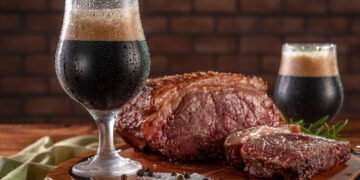
  • Steak + stout

If intensity is mismatched, one will overpower the other.


2. Complementary Pairing

Match similar flavors.

Examples:

  • Roasted meat + dark beer (shared roasted notes)
  • Citrus dish + hoppy beer

This creates harmony.


3. Contrasting Pairing

Balance opposing elements.

Examples:

  • Fatty food + crisp, carbonated beer
  • Sweet dessert + bitter beer

This creates excitement and balance.


IV. Understanding Beer Components in Pairing


1. Bitterness (Hops)

  • Cuts sweetness
  • Can clash with spice

Tip: Avoid highly bitter beers with very spicy dishes.

2. Sweetness (Malt)

  • Balances heat
  • Complements caramelized flavors

3. Acidity (Sour Beers)

  • Cuts richness
  • Brightens flavors

4. Carbonation

  • Cleanses palate
  • Enhances drinkability

5. Body

  • Match weight with food
  • Light beer for delicate dishes
  • Heavy beer for rich meals

V. Classic Pairings Explained


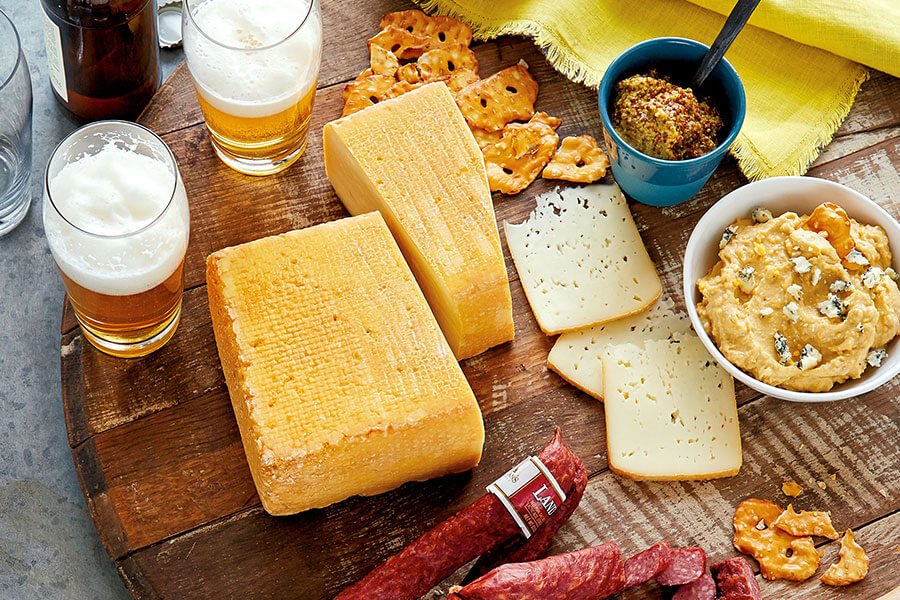
1. Burger and IPA

  • Fatty meat balanced by bitterness
  • Carbonation cuts grease
  • Hops add brightness

2. Fried Chicken and Lager

  • Crisp beer refreshes palate
  • Light body avoids heaviness

3. BBQ and Amber Ale

  • Malt sweetness complements smoky flavors
  • Balanced bitterness enhances taste

4. Chocolate Dessert and Stout

  • Shared roasted, chocolate notes
  • Richness matches intensity

VI. Pairing with Challenging Foods


1. Spicy Food

Problem:

  • Alcohol and bitterness amplify heat

Solution:

  • Low bitterness
  • Slight sweetness
  • High refreshment

Best choices:

  • Wheat beer
  • Light ales

2. Salty Food

Salt enhances sweetness and reduces bitterness.

Result:

  • Beer tastes smoother and more balanced

3. Umami-Rich Dishes

Umami can make beer taste bitter.

Solution:

  • Use malty or slightly sweet beers
  • Avoid overly bitter styles

VII. Beer vs. Wine in Pairing

Beer often has advantages:

  • Better with spicy food
  • Better with fried dishes
  • More forgiving overall

Wine may excel in delicate or highly structured dishes, but beer offers broader flexibility in everyday dining.


VIII. Real-Life Pairing (Not Fine Dining)

Most people are pairing beer with casual meals.


Practical Examples:

  • Pizza → Pale ale or lager
  • Fried food → Pilsner
  • Spicy takeout → Wheat beer
  • Grilled meat → IPA or amber ale

When in Doubt:

Choose beers that are:

  • Balanced
  • Medium-bodied
  • Not overly bitter

IX. Breaking the Rules

Modern pairing encourages experimentation.

Unexpected combinations often work:

  • Sour beer + seafood
  • Stout + oysters
  • IPA + desserts

The key is understanding why they work.


X. The Experience Factor

Pairing is not just technical—it is experiential.

A great pairing creates:

  • Contrast
  • Surprise
  • Comfort
  • Satisfaction

It enhances not just flavor, but enjoyment.


Conclusion: From Pairing Rules to Pairing Intuition

Beer and food pairing is not about memorizing charts—it is about understanding relationships.

By focusing on balance, intensity, and interaction, you can confidently create your own pairings.

And perhaps most importantly, beer makes pairing approachable.

It invites experimentation, reduces pressure, and turns meals into experiences.

Because in the end, the best pairing is not the most “correct” one—it’s the one you enjoy the most.

Tags: beer
ShareTweetShare

Related Posts

Beer as a Cultural and Social Force: From Ancient Brew to Modern Identity
Beer

A Complete Guide to Beer Styles: From Lager to Stout, Understanding Flavor, Body, and Character

April 26, 2026
Beer as a Cultural and Social Force: From Ancient Brew to Modern Identity
Beer

The Global Beer Industry: Craft Revolution, Market Forces, and the Future of Brewing

April 26, 2026
Beer as a Cultural and Social Force: From Ancient Brew to Modern Identity
Beer

The Science of Beer: Brewing Process, Ingredients, and the Chemistry of Flavor

April 26, 2026
Beer as a Cultural and Social Force: From Ancient Brew to Modern Identity
Beer

Beer as a Cultural and Social Force: From Ancient Brew to Modern Identity

April 26, 2026
The Evolution of Beer — From Ancient Brews to the Craft Revolution
Beer

The Future of Beer — Innovation, Sustainability, and Emerging Trends

April 23, 2026
The Evolution of Beer — From Ancient Brews to the Craft Revolution
Beer

Global Beer Styles — A Journey Across Continents

April 23, 2026
Leave Comment
  • Trending
  • Comments
  • Latest
Role of Terroir in Champagne Production

Role of Terroir in Champagne Production

January 19, 2026
Champagne Can Be Aged in Wood?

Champagne Can Be Aged in Wood?

January 18, 2026
Is Organic Wine Healthier Than Conventional Wine?

Is Organic Wine Healthier Than Conventional Wine?

January 20, 2026
Why Do Some Champagnes Use a High Proportion of Pinot Meunier?

Why Do Some Champagnes Use a High Proportion of Pinot Meunier?

January 20, 2026
The Timeless Elegance of Wine: A Journey Through History and Culture

The Timeless Elegance of Wine: A Journey Through History and Culture

Why Is Château Lafite Rothschild the Pinnacle of Fine Wine?

Why Is Château Lafite Rothschild the Pinnacle of Fine Wine?

How Did Château Lafite Rothschild Become a Global Icon of Luxury?

How Did Château Lafite Rothschild Become a Global Icon of Luxury?

What Makes Chateau Lafite Rothschild the Pinnacle of Bordeaux Wines?

What Makes Chateau Lafite Rothschild the Pinnacle of Bordeaux Wines?

Beer as a Cultural and Social Force: From Ancient Brew to Modern Identity

The Art of Beer & Food Pairing: Unlocking Flavor Through Balance, Contrast, and Texture

April 26, 2026
Beer as a Cultural and Social Force: From Ancient Brew to Modern Identity

A Complete Guide to Beer Styles: From Lager to Stout, Understanding Flavor, Body, and Character

April 26, 2026
Beer as a Cultural and Social Force: From Ancient Brew to Modern Identity

The Global Beer Industry: Craft Revolution, Market Forces, and the Future of Brewing

April 26, 2026
Beer as a Cultural and Social Force: From Ancient Brew to Modern Identity

The Science of Beer: Brewing Process, Ingredients, and the Chemistry of Flavor

April 26, 2026
SipsavorLife

Welcome to our comprehensive beverage guide, where you can explore the fascinating world of alcoholic drinks. From exquisite wines and rich whiskeys to refreshing beers and sparkling champagnes, we provide insights, tips, and recommendations for enthusiasts and casual drinkers alike. Discover your next favorite libation with us!

© 2025 sipsavorlife.com. contacts:sipsavorlife-35376@gmail.com

No Result
View All Result
  • Home
  • Wine
  • Whiskey
  • Beer
  • Grain Spirits
  • Champagne
  • ALL

© 2025 sipsavorlife.com. contacts:sipsavorlife-35376@gmail.com

Welcome Back!

Login to your account below

Forgotten Password?

Retrieve your password

Please enter your username or email address to reset your password.

Log In