




























Introduction: A Giant Industry in Transition
Beer is one of the most consumed alcoholic beverages in the world, with a global market that spans continents, cultures, and economic systems. For decades, the industry was dominated by a handful of multinational corporations producing consistent, mass-market lagers. Scale, efficiency, and brand recognition were the keys to success.
But the landscape has changed.
Over the past few decades, the rise of craft brewing, shifting consumer preferences, and technological advancements have disrupted traditional models. What was once a relatively stable industry is now dynamic, fragmented, and highly competitive.
Today, the beer market is defined by contrasts: global giants versus local artisans, mass production versus small-batch creativity, tradition versus innovation. Understanding these dynamics is essential to understanding where beer is headed.
I. The Structure of the Beer Industry
The global beer industry can be divided into several key segments, each operating under different economic principles.
1. Macro Breweries: Scale and Efficiency
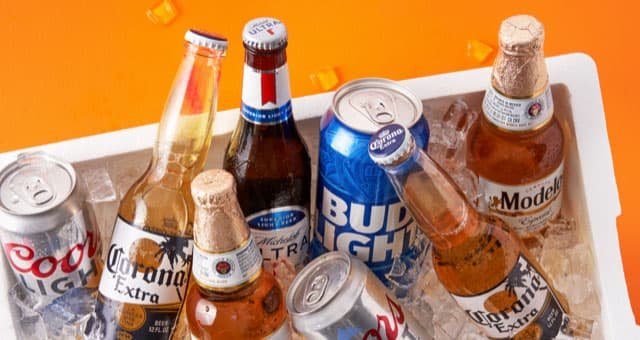
Large multinational brewers dominate global volume.
Their strengths include:
- Massive production capacity
- Global distribution networks
- Strong brand portfolios
- Cost efficiency
These companies focus on consistency and accessibility, producing beers that appeal to broad audiences.
However, their size can also limit flexibility and innovation.
2. Craft Breweries: Creativity and Identity
Craft breweries emerged as a response to industrial standardization.
They emphasize:
- Flavor diversity
- Local identity
- Small-batch production
- Innovation
While individually small, collectively they have reshaped consumer expectations.
Craft beer is not just a product—it is a movement.
3. Regional and Independent Breweries
Between macro and craft lies a diverse middle ground.
These breweries often:
- Serve specific geographic markets
- Balance scale with quality
- Compete on both price and differentiation
They play a crucial role in maintaining diversity within the industry.
II. The Craft Beer Revolution
The craft beer movement is one of the most significant developments in modern beer history.
1. Origins and Growth
The movement began in the late 20th century, particularly in the United States, as a reaction against uniform, mass-produced beer.
Consumers began seeking:
- More flavor
- More variety
- More authenticity
This demand fueled the rapid growth of small breweries.
2. Redefining Quality
Craft beer changed how people think about beer.
Instead of prioritizing consistency, it emphasized:
- Bold flavors
- Unique styles
- Experimental ingredients
Consumers became more adventurous, willing to explore unfamiliar tastes.
3. Cultural Impact
Craft beer has influenced:
- Food culture
- Tourism (brewery visits, beer festivals)
- Local economies
It has transformed beer from a commodity into a cultural experience.
III. Pricing and Value Perception
Beer pricing varies widely, and like wine, it is not solely determined by production cost.
1. Mass Market Pricing
Large breweries compete on:
- Price
- Volume
- Brand recognition
Margins are often driven by scale rather than premium positioning.
2. Craft Pricing
Craft beer typically commands higher prices due to:
- Smaller production volumes
- Higher ingredient costs
- Perceived quality and uniqueness
Consumers are often willing to pay more for differentiation.
3. Premiumization
There is a growing trend toward premium beer:
- Specialty releases
- Barrel-aged beers
- Limited editions
These products blur the line between beer and luxury goods.
IV. Distribution Challenges
Distribution is one of the most complex aspects of the beer industry.
1. Access to Market
For small breweries, getting products into bars and stores can be difficult.
Barriers include:
- Limited shelf space
- Distributor relationships
- Regulatory constraints
2. Direct-to-Consumer Trends
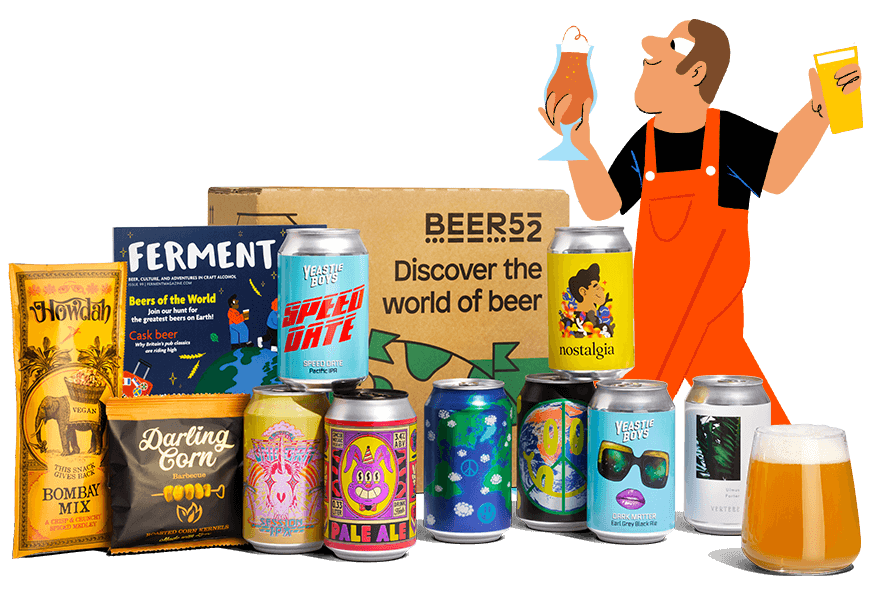
Some breweries are bypassing traditional channels by:
- Selling directly at taprooms
- Offering online orders
- Creating subscription models
This allows for higher margins and stronger customer relationships.
3. Global Logistics
Exporting beer introduces challenges such as:
- Shelf life
- Temperature control
- Transportation costs
Freshness is particularly important for certain styles like IPAs.
V. Changing Consumer Behavior
Consumer preferences are evolving rapidly, reshaping the industry.
1. Demand for Variety
Modern consumers seek:
- New flavors
- Seasonal releases
- Limited editions
This drives constant innovation.
2. Health and Moderation
There is increasing interest in:
- Low-alcohol beers
- Non-alcoholic options
- Health-conscious consumption
This trend is influencing product development.
3. Experience Over Product
Consumers are not just buying beer—they are buying experiences:
- Brewery visits
- Tasting events
- Social environments
This shifts the focus from product to engagement.
VI. Competition from Other Beverages
Beer faces strong competition from:
- Wine
- Spirits
- Ready-to-drink cocktails
- Hard seltzers
These alternatives often appeal to:
- Convenience
- Lower calorie content
- Novelty
Beer must continuously adapt to remain competitive.
VII. Innovation and Experimentation
Innovation is a defining feature of the modern beer industry.
1. New Styles and Hybrids
Brewers are constantly creating new styles, blending traditional categories.
2. Ingredient Exploration
Use of:
- Fruits
- Spices
- Coffee
- Unusual grains
expands flavor possibilities.
3. Technology Integration
Data and technology improve:
- Brewing precision
- Quality control
- Supply chain efficiency
VIII. Sustainability and Responsibility
Environmental concerns are increasingly important.
1. Resource Usage
Brewing requires:
- Water
- Energy
- Agricultural inputs
Efficiency improvements are critical.
2. Packaging Innovation
Sustainable packaging options include:
- Lightweight cans
- Recyclable materials
- Reduced waste
3. Consumer Expectations
Consumers increasingly favor brands that demonstrate environmental responsibility.
IX. Global Expansion and Localization
Beer is both global and local.
1. Emerging Markets
Growth is occurring in:
- Asia
- Africa
- Latin America
Rising incomes and urbanization drive demand.
2. Localization Strategies
Successful brands adapt to local tastes while maintaining identity.
3. Cultural Integration
Beer often integrates into local traditions, creating unique hybrid cultures.
X. The Future of the Beer Industry
Several trends will shape the future:
- Continued craft innovation
- Growth of premium segments
- Expansion of non-alcoholic beer
- Increased sustainability focus
- Digital transformation
At the same time, challenges remain:
- Market saturation
- Changing demographics
- Economic uncertainty
Conclusion: A Dynamic and Evolving Industry
The global beer industry is no longer defined by uniformity. It is a diverse, rapidly evolving ecosystem shaped by innovation, competition, and cultural change.
From multinational corporations to small craft brewers, every player contributes to a complex and dynamic market.
Beer’s future will depend on its ability to adapt—to new technologies, new consumers, and new expectations—while retaining the qualities that have made it one of humanity’s most enduring beverages.