






























SipsavorLife
  • Home
  • Wine
    Wine as a Cultural Artifact: History, Identity, and the Evolution of Taste

    The Art and Science of Wine & Food Pairing: How to Create Perfect Matches Every Time

    Wine as a Cultural Artifact: History, Identity, and the Evolution of Taste

    A Complete Guide to Wine Styles and Grape Varieties: From Cabernet Sauvignon to Riesling

    Wine as a Cultural Artifact: History, Identity, and the Evolution of Taste

    The Global Wine Industry: Economics, Markets, and the Future of Consumption

    Wine as a Cultural Artifact: History, Identity, and the Evolution of Taste

    The Science of Wine Tasting: How Chemistry, Biology, and Perception Shape Flavor

    Wine as a Cultural Artifact: History, Identity, and the Evolution of Taste

    Wine as a Cultural Artifact: History, Identity, and the Evolution of Taste

    Red Wine — The Liquid Expression of Land, Time, and Human Intention

    The Future of Red Wine — Climate Change, Technology, and the Evolution of Taste

  • Whiskey
    Can Beer Be an Effective Ingredient in Culinary Cooking?

    Can Beer Be an Effective Ingredient in Culinary Cooking?

    Second Fermentation in Champagne: Is It Really That Crucial?

    Second Fermentation in Champagne: Is It Really That Crucial?

    How Do Different Grains Impact the Flavor Profile of Distilled Spirits?

    How Do Different Grains Impact the Flavor Profile of Distilled Spirits?

    How Do Whiskey Master Blenders Create Perfection?

    How Do Whiskey Master Blenders Create Perfection?

    Wine Pairings: Can They Change the Flavor Profile of a Dish?

    Wine Pairings: Can They Change the Flavor Profile of a Dish?

    Beer the Ultimate Beverage for Pairing with Spicy Food?

    Beer the Ultimate Beverage for Pairing with Spicy Food?

  • Beer
    Beer as a Cultural and Social Force: From Ancient Brew to Modern Identity

    The Art of Beer & Food Pairing: Unlocking Flavor Through Balance, Contrast, and Texture

    Beer as a Cultural and Social Force: From Ancient Brew to Modern Identity

    A Complete Guide to Beer Styles: From Lager to Stout, Understanding Flavor, Body, and Character

    Beer as a Cultural and Social Force: From Ancient Brew to Modern Identity

    The Global Beer Industry: Craft Revolution, Market Forces, and the Future of Brewing

    Beer as a Cultural and Social Force: From Ancient Brew to Modern Identity

    The Science of Beer: Brewing Process, Ingredients, and the Chemistry of Flavor

    Beer as a Cultural and Social Force: From Ancient Brew to Modern Identity

    Beer as a Cultural and Social Force: From Ancient Brew to Modern Identity

    The Evolution of Beer — From Ancient Brews to the Craft Revolution

    The Future of Beer — Innovation, Sustainability, and Emerging Trends

  • Grain Spirits
    Grain Spirits Explained — The Foundation of Global Distillation

    The Future of Grain Spirits — Technology, Sustainability, and the Next Era of Distillation

    Grain Spirits Explained — The Foundation of Global Distillation

    Grain Spirits Around the World — Vodka, Whisky Bases, and Industrial Applications

    Grain Spirits Explained — The Foundation of Global Distillation

    Distillation Systems — Pot Still vs Column Still, and the Balance Between Efficiency and Flavor

    Grain Spirits Explained — The Foundation of Global Distillation

    Grain Selection and Fermentation Science — How Raw Ingredients Shape Grain Spirits

    Grain Spirits Explained — The Foundation of Global Distillation

    Grain Spirits Explained — The Foundation of Global Distillation

    Grain Spirits and the Industrial Birth of Neutral Alcohol

    The Future of Grain Spirits — AI Distillation, Sustainability, and the Post-Flavor Alcohol Industry

  • Champagne
    The History of Champagne — From Accidental Sparkle to Global Luxury

    The Future of Champagne — Climate Change, Innovation, and Industry Evolution

    The History of Champagne — From Accidental Sparkle to Global Luxury

    The Culture of Champagne — Luxury, Celebration, and Global Influence

    The History of Champagne — From Accidental Sparkle to Global Luxury

    Champagne Styles Explained — Brut, Rosé, Vintage, and Beyond

    The History of Champagne — From Accidental Sparkle to Global Luxury

    The Craft of Champagne — Terroir, Grapes, and the Méthode Traditionnelle

    The History of Champagne — From Accidental Sparkle to Global Luxury

    The History of Champagne — From Accidental Sparkle to Global Luxury

    The Future of Champagne — Climate Change, Innovation, and the Evolution of Sparkling Wine

    The Future of Champagne — Climate Change, Innovation, and the Evolution of Sparkling Wine

  • ALL
    Can Beer Be an Effective Ingredient in Culinary Cooking?

    Can Beer Be an Effective Ingredient in Culinary Cooking?

    Second Fermentation in Champagne: Is It Really That Crucial?

    Second Fermentation in Champagne: Is It Really That Crucial?

    How Do Different Grains Impact the Flavor Profile of Distilled Spirits?

    How Do Different Grains Impact the Flavor Profile of Distilled Spirits?

    How Do Whiskey Master Blenders Create Perfection?

    How Do Whiskey Master Blenders Create Perfection?

    Wine Pairings: Can They Change the Flavor Profile of a Dish?

    Wine Pairings: Can They Change the Flavor Profile of a Dish?

    Beer the Ultimate Beverage for Pairing with Spicy Food?

    Beer the Ultimate Beverage for Pairing with Spicy Food?

SipsavorLife
  • Home
  • Wine
    Wine as a Cultural Artifact: History, Identity, and the Evolution of Taste

    The Art and Science of Wine & Food Pairing: How to Create Perfect Matches Every Time

    Wine as a Cultural Artifact: History, Identity, and the Evolution of Taste

    A Complete Guide to Wine Styles and Grape Varieties: From Cabernet Sauvignon to Riesling

    Wine as a Cultural Artifact: History, Identity, and the Evolution of Taste

    The Global Wine Industry: Economics, Markets, and the Future of Consumption

    Wine as a Cultural Artifact: History, Identity, and the Evolution of Taste

    The Science of Wine Tasting: How Chemistry, Biology, and Perception Shape Flavor

    Wine as a Cultural Artifact: History, Identity, and the Evolution of Taste

    Wine as a Cultural Artifact: History, Identity, and the Evolution of Taste

    Red Wine — The Liquid Expression of Land, Time, and Human Intention

    The Future of Red Wine — Climate Change, Technology, and the Evolution of Taste

  • Whiskey
    Can Beer Be an Effective Ingredient in Culinary Cooking?

    Can Beer Be an Effective Ingredient in Culinary Cooking?

    Second Fermentation in Champagne: Is It Really That Crucial?

    Second Fermentation in Champagne: Is It Really That Crucial?

    How Do Different Grains Impact the Flavor Profile of Distilled Spirits?

    How Do Different Grains Impact the Flavor Profile of Distilled Spirits?

    How Do Whiskey Master Blenders Create Perfection?

    How Do Whiskey Master Blenders Create Perfection?

    Wine Pairings: Can They Change the Flavor Profile of a Dish?

    Wine Pairings: Can They Change the Flavor Profile of a Dish?

    Beer the Ultimate Beverage for Pairing with Spicy Food?

    Beer the Ultimate Beverage for Pairing with Spicy Food?

  • Beer
    Beer as a Cultural and Social Force: From Ancient Brew to Modern Identity

    The Art of Beer & Food Pairing: Unlocking Flavor Through Balance, Contrast, and Texture

    Beer as a Cultural and Social Force: From Ancient Brew to Modern Identity

    A Complete Guide to Beer Styles: From Lager to Stout, Understanding Flavor, Body, and Character

    Beer as a Cultural and Social Force: From Ancient Brew to Modern Identity

    The Global Beer Industry: Craft Revolution, Market Forces, and the Future of Brewing

    Beer as a Cultural and Social Force: From Ancient Brew to Modern Identity

    The Science of Beer: Brewing Process, Ingredients, and the Chemistry of Flavor

    Beer as a Cultural and Social Force: From Ancient Brew to Modern Identity

    Beer as a Cultural and Social Force: From Ancient Brew to Modern Identity

    The Evolution of Beer — From Ancient Brews to the Craft Revolution

    The Future of Beer — Innovation, Sustainability, and Emerging Trends

  • Grain Spirits
    Grain Spirits Explained — The Foundation of Global Distillation

    The Future of Grain Spirits — Technology, Sustainability, and the Next Era of Distillation

    Grain Spirits Explained — The Foundation of Global Distillation

    Grain Spirits Around the World — Vodka, Whisky Bases, and Industrial Applications

    Grain Spirits Explained — The Foundation of Global Distillation

    Distillation Systems — Pot Still vs Column Still, and the Balance Between Efficiency and Flavor

    Grain Spirits Explained — The Foundation of Global Distillation

    Grain Selection and Fermentation Science — How Raw Ingredients Shape Grain Spirits

    Grain Spirits Explained — The Foundation of Global Distillation

    Grain Spirits Explained — The Foundation of Global Distillation

    Grain Spirits and the Industrial Birth of Neutral Alcohol

    The Future of Grain Spirits — AI Distillation, Sustainability, and the Post-Flavor Alcohol Industry

  • Champagne
    The History of Champagne — From Accidental Sparkle to Global Luxury

    The Future of Champagne — Climate Change, Innovation, and Industry Evolution

    The History of Champagne — From Accidental Sparkle to Global Luxury

    The Culture of Champagne — Luxury, Celebration, and Global Influence

    The History of Champagne — From Accidental Sparkle to Global Luxury

    Champagne Styles Explained — Brut, Rosé, Vintage, and Beyond

    The History of Champagne — From Accidental Sparkle to Global Luxury

    The Craft of Champagne — Terroir, Grapes, and the Méthode Traditionnelle

    The History of Champagne — From Accidental Sparkle to Global Luxury

    The History of Champagne — From Accidental Sparkle to Global Luxury

    The Future of Champagne — Climate Change, Innovation, and the Evolution of Sparkling Wine

    The Future of Champagne — Climate Change, Innovation, and the Evolution of Sparkling Wine

  • ALL
    Can Beer Be an Effective Ingredient in Culinary Cooking?

    Can Beer Be an Effective Ingredient in Culinary Cooking?

    Second Fermentation in Champagne: Is It Really That Crucial?

    Second Fermentation in Champagne: Is It Really That Crucial?

    How Do Different Grains Impact the Flavor Profile of Distilled Spirits?

    How Do Different Grains Impact the Flavor Profile of Distilled Spirits?

    How Do Whiskey Master Blenders Create Perfection?

    How Do Whiskey Master Blenders Create Perfection?

    Wine Pairings: Can They Change the Flavor Profile of a Dish?

    Wine Pairings: Can They Change the Flavor Profile of a Dish?

    Beer the Ultimate Beverage for Pairing with Spicy Food?

    Beer the Ultimate Beverage for Pairing with Spicy Food?

SipsavorLife
No Result
View All Result
Home Beer

Beer as a Cultural and Social Force: From Ancient Brew to Modern Identity

April 26, 2026
in Beer
Beer as a Cultural and Social Force: From Ancient Brew to Modern Identity

Introduction: More Than a Drink

Beer is often seen as casual—something cold, refreshing, and easy to drink. Compared to wine, it is sometimes perceived as less complex, less prestigious, and less culturally significant. But this perception could not be further from the truth.

Beer is one of the oldest and most widely consumed beverages in human history. It predates written language, shaped early agricultural societies, influenced trade routes, and continues to play a central role in modern social life. From ancient Mesopotamian brews to today’s global craft beer revolution, beer has evolved alongside humanity itself.

To understand beer is not just to understand fermentation—it is to understand culture, community, and identity.


I. The Origins of Beer: Civilization in a Cup

Beer’s history stretches back over 10,000 years, making it one of humanity’s earliest technological achievements.

Archaeological evidence suggests that early forms of beer were produced in regions such as Mesopotamia and ancient China. These primitive brews were likely discovered accidentally when grains became wet and fermented naturally. What began as chance soon became intention.

In ancient Sumer, beer was so important that it was recorded in one of the earliest written texts—the “Hymn to Ninkasi,” a poem that doubled as a brewing recipe. Beer was not just consumed; it was celebrated, ritualized, and even used as payment for labor.

In Egypt, beer was a daily staple for all classes, from workers to royalty. It provided calories, hydration, and a safer alternative to contaminated water.

Beer, in its earliest form, was not a luxury—it was a necessity.


II. Beer and Religion: Sacred Fermentation

Like wine, beer has deep ties to religion and spirituality.

In many ancient cultures, fermentation was seen as a divine process. The transformation of grain into a flavorful, intoxicating liquid seemed almost magical. Gods and goddesses of brewing were common, reflecting beer’s sacred status.

During the Middle Ages in Europe, monasteries became centers of brewing innovation. Monks refined techniques, improved consistency, and introduced new ingredients such as hops. These monastic breweries were not only places of production but also hubs of knowledge and community.

Even today, some of the world’s most respected beers trace their origins to these religious traditions.


III. The Reinvention of Beer: From Survival to Pleasure

As societies evolved, so did beer.

What was once a nutritional necessity gradually became a beverage of enjoyment and craftsmanship. Advances in brewing technology allowed for greater control over flavor, consistency, and quality.

The introduction of hops was particularly transformative. Hops added bitterness to balance sweetness, improved shelf life, and introduced new aromatic possibilities. This innovation helped shape the beer styles we recognize today.

By the time of the Industrial Revolution, beer production had become more efficient and scalable. Large breweries emerged, producing consistent products for growing urban populations.

Beer was no longer just local—it was becoming global.


IV. Industrialization and Standardization

The industrial era marked a turning point in beer history.

Technological advancements such as refrigeration, pasteurization, and mechanized brewing allowed for mass production. Lager beer, which requires controlled cold fermentation, became dominant due to its clean, consistent profile.

Large brewing companies expanded rapidly, creating recognizable global brands. Standardization became a key goal—consumers could expect the same taste in every bottle, regardless of location.

While this consistency made beer widely accessible, it also led to a narrowing of styles. Many traditional, regional beers faded into obscurity as mass-produced lagers dominated the market.

Beer, in many ways, became a commodity.


V. The Craft Beer Revolution: A Return to Diversity

In the late 20th century, a counter-movement began to emerge.

Disillusioned with mass-produced beer, small-scale brewers started experimenting with traditional styles and new flavors. This movement, known as the craft beer revolution, began in places like the United States and quickly spread worldwide.

Craft brewers emphasized:

  • Creativity over consistency
  • Flavor over efficiency
  • Identity over scale

They revived forgotten styles, introduced bold new ingredients, and challenged conventional definitions of beer.

IPAs became hoppier, stouts richer, and sour beers more experimental. Beer was no longer just refreshing—it was expressive.

VI. Beer as Identity

Today, beer is closely tied to personal and cultural identity.

1. Local Identity

Many regions take pride in their beer traditions:

  • Germany with its lagers and purity laws
  • Belgium with its complex, diverse styles
  • The UK with its ales and pub culture

Beer reflects local ingredients, climate, and history.

2. Personal Identity

Consumers increasingly use beer as a form of self-expression:

  • Craft beer enthusiasts seek uniqueness
  • Casual drinkers value familiarity
  • Trend-driven consumers explore novelty

Choosing a beer can say something about who you are—or who you want to be.


VII. The Social Function of Beer

Beer is arguably the most social of alcoholic beverages.

It is associated with:

  • Gatherings
  • Celebrations
  • Casual interaction

Unlike wine, which can carry connotations of formality, beer often represents accessibility and inclusiveness.

Pubs, bars, and beer halls have long served as social spaces where people connect, share ideas, and build communities.

Beer does not demand attention—it facilitates interaction.


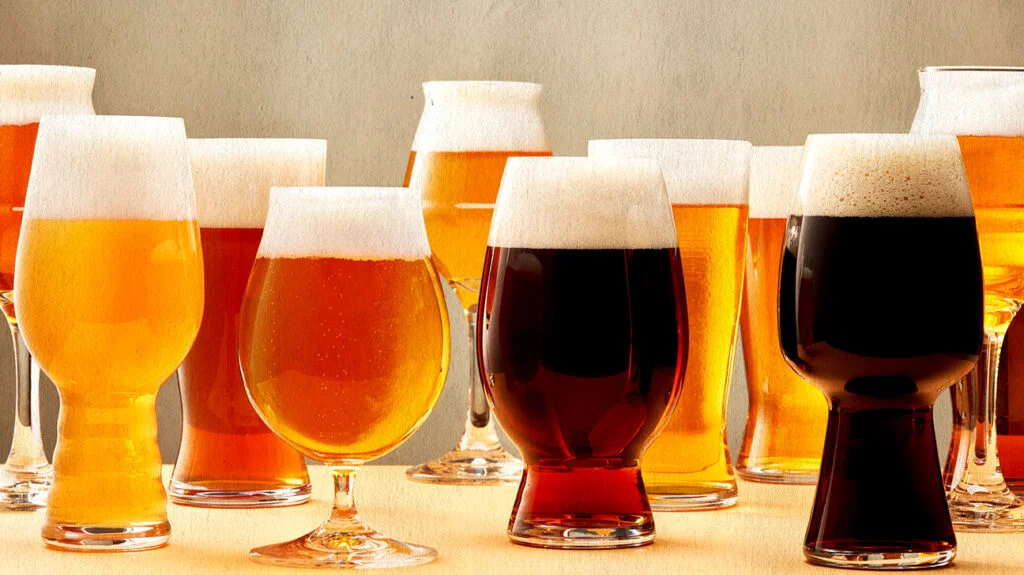
VIII. Flavor Complexity: The Hidden Depth

Despite its casual reputation, beer can be incredibly complex.

A single beer can contain hundreds of flavor compounds derived from:

  • Malt (sweetness, caramel, toast)
  • Hops (bitterness, citrus, floral notes)
  • Yeast (fruitiness, spice, funk)
  • Water (mineral influence)

Different combinations create an almost limitless range of styles and flavors.

From crisp lagers to rich stouts to tart sours, beer offers a diversity that rivals any other beverage.


IX. Modern Trends: Innovation and Experimentation

The beer industry continues to evolve rapidly.

1. New Ingredients

Brewers are experimenting with:

  • Fruits
  • Spices
  • Coffee and chocolate
  • Unconventional grains

2. Hybrid Styles

Boundaries between styles are increasingly blurred, leading to creative hybrids.

3. Non-Alcoholic and Low-Alcohol Beer

Health-conscious consumers are driving demand for alternatives that retain flavor without high alcohol content.


X. The Future of Beer

Looking ahead, several forces will shape the future of beer:

  • Sustainability and environmental responsibility
  • Continued growth of craft and independent breweries
  • Technological innovation in brewing
  • Changing consumer preferences

Beer will likely become even more diverse, personalized, and globally interconnected.


Conclusion: A Living Tradition

Beer is not just a beverage—it is a reflection of human history and creativity.

From ancient grains to modern craft experiments, beer has evolved alongside society, adapting to new technologies, tastes, and cultural contexts.

It is both simple and complex, local and global, traditional and innovative.

And perhaps that is what makes beer so enduring: it belongs to everyone.

Tags: beer
ShareTweetShare

Related Posts

Beer as a Cultural and Social Force: From Ancient Brew to Modern Identity
Beer

The Art of Beer & Food Pairing: Unlocking Flavor Through Balance, Contrast, and Texture

April 26, 2026
Beer as a Cultural and Social Force: From Ancient Brew to Modern Identity
Beer

A Complete Guide to Beer Styles: From Lager to Stout, Understanding Flavor, Body, and Character

April 26, 2026
Beer as a Cultural and Social Force: From Ancient Brew to Modern Identity
Beer

The Global Beer Industry: Craft Revolution, Market Forces, and the Future of Brewing

April 26, 2026
Beer as a Cultural and Social Force: From Ancient Brew to Modern Identity
Beer

The Science of Beer: Brewing Process, Ingredients, and the Chemistry of Flavor

April 26, 2026
The Evolution of Beer — From Ancient Brews to the Craft Revolution
Beer

The Future of Beer — Innovation, Sustainability, and Emerging Trends

April 23, 2026
The Evolution of Beer — From Ancient Brews to the Craft Revolution
Beer

Global Beer Styles — A Journey Across Continents

April 23, 2026
Leave Comment
  • Trending
  • Comments
  • Latest
Role of Terroir in Champagne Production

Role of Terroir in Champagne Production

January 19, 2026
Champagne Can Be Aged in Wood?

Champagne Can Be Aged in Wood?

January 18, 2026
Is Organic Wine Healthier Than Conventional Wine?

Is Organic Wine Healthier Than Conventional Wine?

January 20, 2026
Why Do Some Champagnes Use a High Proportion of Pinot Meunier?

Why Do Some Champagnes Use a High Proportion of Pinot Meunier?

January 20, 2026
The Timeless Elegance of Wine: A Journey Through History and Culture

The Timeless Elegance of Wine: A Journey Through History and Culture

Why Is Château Lafite Rothschild the Pinnacle of Fine Wine?

Why Is Château Lafite Rothschild the Pinnacle of Fine Wine?

How Did Château Lafite Rothschild Become a Global Icon of Luxury?

How Did Château Lafite Rothschild Become a Global Icon of Luxury?

What Makes Chateau Lafite Rothschild the Pinnacle of Bordeaux Wines?

What Makes Chateau Lafite Rothschild the Pinnacle of Bordeaux Wines?

Beer as a Cultural and Social Force: From Ancient Brew to Modern Identity

The Art of Beer & Food Pairing: Unlocking Flavor Through Balance, Contrast, and Texture

April 26, 2026
Beer as a Cultural and Social Force: From Ancient Brew to Modern Identity

A Complete Guide to Beer Styles: From Lager to Stout, Understanding Flavor, Body, and Character

April 26, 2026
Beer as a Cultural and Social Force: From Ancient Brew to Modern Identity

The Global Beer Industry: Craft Revolution, Market Forces, and the Future of Brewing

April 26, 2026
Beer as a Cultural and Social Force: From Ancient Brew to Modern Identity

The Science of Beer: Brewing Process, Ingredients, and the Chemistry of Flavor

April 26, 2026
SipsavorLife

Welcome to our comprehensive beverage guide, where you can explore the fascinating world of alcoholic drinks. From exquisite wines and rich whiskeys to refreshing beers and sparkling champagnes, we provide insights, tips, and recommendations for enthusiasts and casual drinkers alike. Discover your next favorite libation with us!

© 2025 sipsavorlife.com. contacts:sipsavorlife-35376@gmail.com

No Result
View All Result
  • Home
  • Wine
  • Whiskey
  • Beer
  • Grain Spirits
  • Champagne
  • ALL

© 2025 sipsavorlife.com. contacts:sipsavorlife-35376@gmail.com

Welcome Back!

Login to your account below

Forgotten Password?

Retrieve your password

Please enter your username or email address to reset your password.

Log In






