

















Introduction: Beyond the Glass
Wine is often approached as a beverage—something to be consumed, evaluated, and enjoyed. Yet to reduce wine to a mere drink is to overlook its deeper significance. Wine is, in many ways, one of humanity’s oldest cultural artifacts, a living expression of geography, history, technology, and identity. Each bottle tells a story that stretches far beyond the vineyard, encompassing centuries of tradition, shifts in economic systems, and evolving human tastes.
Unlike many other consumables, wine exists at the intersection of agriculture and art. It is shaped by nature but interpreted by human hands. It reflects climate patterns, soil composition, and grape genetics, but also the decisions of winemakers, the preferences of consumers, and the pressures of global markets. To understand wine is therefore to understand a complex web of relationships between people, place, and time.
This article explores wine not simply as a product, but as a cultural phenomenon. We will trace its origins, examine its role in shaping societies, and consider how modern trends are redefining what wine means in the contemporary world.
I. The Origins of Wine: Fermentation and Civilization
The story of wine begins with a simple yet transformative process: fermentation. At its core, wine is the result of yeast converting sugar into alcohol. This biochemical reaction, likely discovered by accident, became one of the earliest forms of human technological innovation.
Archaeological evidence suggests that winemaking dates back at least 8,000 years, with early examples found in regions that are now part of Georgia, Iran, and Armenia. These early wines were not refined or standardized; they were experimental, often mixed with herbs, resins, and other ingredients. Yet even in these primitive forms, wine held significance beyond nourishment.
Wine quickly became intertwined with ritual and religion. In ancient Mesopotamia and Egypt, it was associated with the divine, used in offerings and ceremonies. The Greeks elevated wine to a symbol of philosophical and social life, with symposia serving as spaces for intellectual exchange. The Romans, in turn, industrialized wine production, spreading viticulture across Europe and establishing many of the vineyard regions that remain famous today.
Wine, from its earliest days, was not just consumed—it was celebrated, regulated, and mythologized.
II. Terroir: The Language of Place
One of the most unique aspects of wine is its ability to express terroir—a French term that encompasses the environmental factors influencing a vineyard, including soil, climate, topography, and even local microbial life.
Terroir is what allows a wine from Bordeaux to taste fundamentally different from one produced in Napa Valley, even if both are made from the same grape variety. It is a concept that elevates wine from a standardized commodity to a deeply localized product.
This connection to place has profound cultural implications. Wine regions often develop strong identities tied to their products. Burgundy, Tuscany, Rioja—these names evoke not just wines, but entire ways of life. Local traditions, culinary practices, and even dialects are influenced by the presence of vineyards.
Terroir also introduces an element of unpredictability. Each vintage reflects the conditions of a specific year—weather patterns, harvest timing, and unforeseen challenges. As a result, wine becomes a record of time as much as place, capturing fleeting moments in liquid form.
III. The Social Life of Wine
Wine has long played a central role in social interaction. It is a drink that invites conversation, encourages reflection, and fosters connection. From ancient banquets to modern dinner parties, wine has been a catalyst for human engagement.
In many cultures, wine is associated with hospitality and generosity. Offering a guest a glass of wine is not merely a gesture of refreshment—it is an expression of welcome and trust. This social dimension is reinforced by the rituals surrounding wine: uncorking a bottle, pouring into glasses, swirling, smelling, tasting.
These rituals create a shared experience, one that transcends language and cultural barriers. Even in unfamiliar settings, the act of drinking wine can establish a sense of familiarity and belonging.
However, wine’s social role is not without complexity. It has also been a marker of status and class. Historically, access to fine wines was limited to elites, and even today, certain bottles command prices that place them firmly within the realm of luxury. This dual nature—both inclusive and exclusive—adds another layer to wine’s cultural significance.
IV. The Evolution of Taste
Taste is not static. What people consider a “good” wine changes over time, influenced by cultural trends, technological advancements, and economic forces.
In the past, wines were often sweeter and more robust, partly due to limitations in winemaking techniques. As technology improved, allowing for greater control over fermentation and storage, preferences began to shift toward drier, more nuanced styles.
The rise of wine critics and rating systems in the 20th century further shaped consumer tastes. Scores and reviews created a framework for evaluating wine, but they also introduced a degree of standardization. Wines that aligned with popular preferences—often bold, fruit-forward styles—tended to receive higher ratings, influencing production choices.
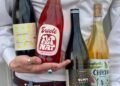
In recent years, there has been a counter-movement emphasizing authenticity and diversity. Natural wines, minimal intervention techniques, and lesser-known grape varieties are gaining popularity. Consumers are increasingly interested in the story behind the wine, not just its flavor profile.
This evolution reflects a broader shift toward individuality and exploration. Wine is no longer just about conforming to established standards—it is about discovering personal preferences and embracing variety.
V. Technology and Transformation
Modern winemaking is a blend of tradition and innovation. While many producers still rely on time-honored methods, technology has introduced new possibilities.
Temperature-controlled fermentation, advanced filtration systems, and precision agriculture have improved consistency and quality. Winemakers can now monitor vineyards with drones, analyze soil composition with sophisticated tools, and predict optimal harvest times with data-driven models.
At the same time, technology has democratized access to wine knowledge. Online platforms, apps, and social media have made it easier for consumers to learn about wine, share experiences, and discover new producers.
However, this technological shift also raises questions about authenticity. To what extent should wine be shaped by human intervention? Where is the line between enhancement and manipulation? These debates highlight the ongoing tension between tradition and progress in the world of wine.
VI. Globalization and Identity
Wine is no longer confined to its traditional European strongholds. Countries such as the United States, Australia, Chile, and South Africa have become major players in the global wine market. Emerging regions, including China and India, are also making their mark.
This globalization has expanded the diversity of wines available to consumers, but it has also introduced new challenges. Increased competition can pressure producers to standardize their products, potentially eroding regional distinctiveness.
At the same time, globalization has sparked a renewed interest in local identity. Many winemakers are emphasizing indigenous grape varieties and traditional methods as a way of differentiating themselves in a crowded market.
This dynamic creates a fascinating paradox: as wine becomes more global, it also becomes more local.
VII. Sustainability and the Future of Wine
Climate change poses one of the greatest challenges to the wine industry. Rising temperatures, shifting weather patterns, and extreme events such as droughts and wildfires are affecting vineyards around the world.
In response, many producers are adopting sustainable practices. Organic and biodynamic farming methods aim to reduce environmental impact and promote ecosystem health. Some winemakers are experimenting with new grape varieties better suited to changing conditions.
Sustainability is not just an environmental issue—it is also a cultural one. Preserving wine traditions requires adapting to new realities while maintaining a connection to the past.
Consumers, too, are playing a role in this transformation. There is growing demand for wines that are not only high-quality but also ethically produced. Transparency, traceability, and environmental responsibility are becoming key factors in purchasing decisions.
Conclusion: Wine as a Living Tradition
Wine is more than a beverage—it is a living tradition, constantly evolving yet deeply rooted in history. It reflects the complexities of human society, from ancient rituals to modern innovations. It captures the essence of place and time, offering a sensory experience that is both personal and universal.
As we look to the future, wine will continue to adapt to changing circumstances. New technologies, shifting consumer preferences, and environmental challenges will shape its trajectory. Yet its core essence—its ability to connect people, tell stories, and express identity—will remain unchanged.
To drink wine is to participate in a tradition that spans millennia. It is to engage with history, culture, and the natural world in a single glass. And perhaps that is what makes wine truly extraordinary: not just how it tastes, but what it represents.
Wine as a Cultural Artifact: History, Identity, and the Evolution of Taste
Introduction: Beyond the Glass
Wine is often approached as a beverage—something to be consumed, evaluated, and enjoyed. Yet to reduce wine to a mere drink is to overlook its deeper significance. Wine is, in many ways, one of humanity’s oldest cultural artifacts, a living expression of geography, history, technology, and identity. Each bottle tells a story that stretches far beyond the vineyard, encompassing centuries of tradition, shifts in economic systems, and evolving human tastes.
Unlike many other consumables, wine exists at the intersection of agriculture and art. It is shaped by nature but interpreted by human hands. It reflects climate patterns, soil composition, and grape genetics, but also the decisions of winemakers, the preferences of consumers, and the pressures of global markets. To understand wine is therefore to understand a complex web of relationships between people, place, and time.
This article explores wine not simply as a product, but as a cultural phenomenon. We will trace its origins, examine its role in shaping societies, and consider how modern trends are redefining what wine means in the contemporary world.
I. The Origins of Wine: Fermentation and Civilization
The story of wine begins with a simple yet transformative process: fermentation. At its core, wine is the result of yeast converting sugar into alcohol. This biochemical reaction, likely discovered by accident, became one of the earliest forms of human technological innovation.
Archaeological evidence suggests that winemaking dates back at least 8,000 years, with early examples found in regions that are now part of Georgia, Iran, and Armenia. These early wines were not refined or standardized; they were experimental, often mixed with herbs, resins, and other ingredients. Yet even in these primitive forms, wine held significance beyond nourishment.
Wine quickly became intertwined with ritual and religion. In ancient Mesopotamia and Egypt, it was associated with the divine, used in offerings and ceremonies. The Greeks elevated wine to a symbol of philosophical and social life, with symposia serving as spaces for intellectual exchange. The Romans, in turn, industrialized wine production, spreading viticulture across Europe and establishing many of the vineyard regions that remain famous today.
Wine, from its earliest days, was not just consumed—it was celebrated, regulated, and mythologized.
II. Terroir: The Language of Place
One of the most unique aspects of wine is its ability to express terroir—a French term that encompasses the environmental factors influencing a vineyard, including soil, climate, topography, and even local microbial life.
Terroir is what allows a wine from Bordeaux to taste fundamentally different from one produced in Napa Valley, even if both are made from the same grape variety. It is a concept that elevates wine from a standardized commodity to a deeply localized product.
This connection to place has profound cultural implications. Wine regions often develop strong identities tied to their products. Burgundy, Tuscany, Rioja—these names evoke not just wines, but entire ways of life. Local traditions, culinary practices, and even dialects are influenced by the presence of vineyards.
Terroir also introduces an element of unpredictability. Each vintage reflects the conditions of a specific year—weather patterns, harvest timing, and unforeseen challenges. As a result, wine becomes a record of time as much as place, capturing fleeting moments in liquid form.
III. The Social Life of Wine
Wine has long played a central role in social interaction. It is a drink that invites conversation, encourages reflection, and fosters connection. From ancient banquets to modern dinner parties, wine has been a catalyst for human engagement.
In many cultures, wine is associated with hospitality and generosity. Offering a guest a glass of wine is not merely a gesture of refreshment—it is an expression of welcome and trust. This social dimension is reinforced by the rituals surrounding wine: uncorking a bottle, pouring into glasses, swirling, smelling, tasting.
These rituals create a shared experience, one that transcends language and cultural barriers. Even in unfamiliar settings, the act of drinking wine can establish a sense of familiarity and belonging.
However, wine’s social role is not without complexity. It has also been a marker of status and class. Historically, access to fine wines was limited to elites, and even today, certain bottles command prices that place them firmly within the realm of luxury. This dual nature—both inclusive and exclusive—adds another layer to wine’s cultural significance.
IV. The Evolution of Taste
Taste is not static. What people consider a “good” wine changes over time, influenced by cultural trends, technological advancements, and economic forces.
In the past, wines were often sweeter and more robust, partly due to limitations in winemaking techniques. As technology improved, allowing for greater control over fermentation and storage, preferences began to shift toward drier, more nuanced styles.
The rise of wine critics and rating systems in the 20th century further shaped consumer tastes. Scores and reviews created a framework for evaluating wine, but they also introduced a degree of standardization. Wines that aligned with popular preferences—often bold, fruit-forward styles—tended to receive higher ratings, influencing production choices.
In recent years, there has been a counter-movement emphasizing authenticity and diversity. Natural wines, minimal intervention techniques, and lesser-known grape varieties are gaining popularity. Consumers are increasingly interested in the story behind the wine, not just its flavor profile.
This evolution reflects a broader shift toward individuality and exploration. Wine is no longer just about conforming to established standards—it is about discovering personal preferences and embracing variety.
V. Technology and Transformation
Modern winemaking is a blend of tradition and innovation. While many producers still rely on time-honored methods, technology has introduced new possibilities.
Temperature-controlled fermentation, advanced filtration systems, and precision agriculture have improved consistency and quality. Winemakers can now monitor vineyards with drones, analyze soil composition with sophisticated tools, and predict optimal harvest times with data-driven models.
At the same time, technology has democratized access to wine knowledge. Online platforms, apps, and social media have made it easier for consumers to learn about wine, share experiences, and discover new producers.
However, this technological shift also raises questions about authenticity. To what extent should wine be shaped by human intervention? Where is the line between enhancement and manipulation? These debates highlight the ongoing tension between tradition and progress in the world of wine.
VI. Globalization and Identity
Wine is no longer confined to its traditional European strongholds. Countries such as the United States, Australia, Chile, and South Africa have become major players in the global wine market. Emerging regions, including China and India, are also making their mark.
This globalization has expanded the diversity of wines available to consumers, but it has also introduced new challenges. Increased competition can pressure producers to standardize their products, potentially eroding regional distinctiveness.
At the same time, globalization has sparked a renewed interest in local identity. Many winemakers are emphasizing indigenous grape varieties and traditional methods as a way of differentiating themselves in a crowded market.
This dynamic creates a fascinating paradox: as wine becomes more global, it also becomes more local.
VII. Sustainability and the Future of Wine
Climate change poses one of the greatest challenges to the wine industry. Rising temperatures, shifting weather patterns, and extreme events such as droughts and wildfires are affecting vineyards around the world.
In response, many producers are adopting sustainable practices. Organic and biodynamic farming methods aim to reduce environmental impact and promote ecosystem health. Some winemakers are experimenting with new grape varieties better suited to changing conditions.
Sustainability is not just an environmental issue—it is also a cultural one. Preserving wine traditions requires adapting to new realities while maintaining a connection to the past.
Consumers, too, are playing a role in this transformation. There is growing demand for wines that are not only high-quality but also ethically produced. Transparency, traceability, and environmental responsibility are becoming key factors in purchasing decisions.
Conclusion: Wine as a Living Tradition
Wine is more than a beverage—it is a living tradition, constantly evolving yet deeply rooted in history. It reflects the complexities of human society, from ancient rituals to modern innovations. It captures the essence of place and time, offering a sensory experience that is both personal and universal.
As we look to the future, wine will continue to adapt to changing circumstances. New technologies, shifting consumer preferences, and environmental challenges will shape its trajectory. Yet its core essence—its ability to connect people, tell stories, and express identity—will remain unchanged.
To drink wine is to participate in a tradition that spans millennia. It is to engage with history, culture, and the natural world in a single glass. And perhaps that is what makes wine truly extraordinary: not just how it tastes, but what it represents.