

Introduction: More Than a Beverage
Red wine is often described in terms of flavor:
- Fruity
- Tannic
- Complex
- Structured
But these descriptions only scratch the surface.
Red wine is not simply something we drink.
It is something that encodes information:
- About land
- About climate
- About time
- About human decisions
Each bottle is a compressed narrative—one that begins long before fermentation and continues long after bottling.
To understand red wine is to understand how nature and human intention interact over time.
Chapter 1: The Origin of Red Wine — Fermentation as Discovery
1.1 The First Fermented Grapes
Red wine likely began as an accident.
Grapes naturally contain:
- Sugar
- Wild yeast on skins
When crushed and left exposed:
- Fermentation begins spontaneously
This simple biological process became one of humanity’s earliest technological discoveries.
1.2 Why Red Wine Is Red
Unlike white wine, red wine is fermented with grape skins.
The skins contain:
- Anthocyanins → color
- Tannins → structure
During fermentation:
- Heat and alcohol extract these compounds
Color is not inherent—it is extracted.
1.3 Early Cultural Importance
Red wine quickly became:
- A dietary staple
- A trade commodity
- A ritual substance
Its stability compared to water made it essential in early civilizations.
Chapter 2: Terroir — The Language of Place
2.1 What Is Terroir?
Terroir refers to the combined effect of:
- Soil
- Climate
- Topography
- Human practice
It defines how grapes develop.
2.2 Soil Influence
Different soils affect:
- Water retention
- Root depth
- Nutrient availability
Examples:
- Clay → structure, richness
- Limestone → acidity, precision
- Sand → lighter body
2.3 Climate Impact
Climate determines:
- Ripeness level
- Sugar concentration
- Acid balance
Cool climates produce:
- Higher acidity
- More subtle fruit
Warm climates produce:
- Riper fruit
- Higher alcohol
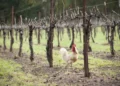
Chapter 3: The Vineyard — Controlled Growth
3.1 Vine Stress and Quality
High-quality wine often comes from stressed vines:
- Limited water
- Poor soil
- Low yields
Stress forces vines to concentrate energy into fewer grapes.
3.2 Canopy Management
Leaves are controlled to:
- Regulate sunlight exposure
- Manage ripening speed
- Protect grapes from damage
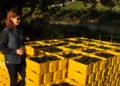
3.3 Harvest Decisions
Timing is critical.
Harvest too early:
- High acidity, low sugar
Harvest too late:
- Overripe flavors, high alcohol
Balance defines style.
Chapter 4: Fermentation — Transformation Begins
4.1 Crushing and Maceration
Grapes are crushed to release juice.
Maceration allows:
- Skin contact
- Color extraction
- Tannin development
4.2 Yeast Activity
Yeast converts:
- Sugar → alcohol + carbon dioxide
Temperature control is essential:
- Too hot → loss of aroma
- Too cold → incomplete fermentation
4.3 Cap Management
Grape skins rise to form a “cap.”
Winemakers manage it through:
- Punching down
- Pumping over
This controls extraction levels.
Chapter 5: Tannins — Structure and Aging Potential
5.1 What Are Tannins?
Tannins are compounds that:
- Bind with proteins
- Create dryness in the mouth
5.2 Sources of Tannins
- Grape skins
- Seeds
- Oak barrels
5.3 Role in Aging
Tannins:
- Stabilize wine
- Allow long-term aging
- Soften over time
Chapter 6: Aging — Time as an Ingredient
6.1 Oak Barrels
Aging in oak introduces:
- Vanilla
- Spice
- Toast notes
6.2 Oxygen Interaction
Barrels allow slow oxygen exposure:
- Softening tannins
- Integrating flavors
6.3 Bottle Aging
After bottling:
- Chemical reactions continue
- Aromas evolve
- Structure becomes smoother
Chapter 7: Flavor Development
7.1 Primary Flavors
- Fruit (cherry, plum, berry)
7.2 Secondary Flavors
- Fermentation-derived (yeast, spice)
7.3 Tertiary Flavors
- Aging-related (leather, tobacco, earth)
Chapter 8: Red Wine Styles
8.1 Light-Bodied Wines
- High acidity
- Lower tannin
8.2 Medium-Bodied Wines
- Balanced structure
8.3 Full-Bodied Wines
- High tannin
- Rich texture
Chapter 9: Sensory Experience
9.1 Visual
- Color intensity
- Clarity
9.2 Aroma
- Layered complexity
9.3 Taste
- Balance of acid, tannin, alcohol, fruit
Conclusion: A System in a Bottle
Red wine is not a simple product.
It is a system:
- Natural processes
- Human decisions
- Time-based transformations
Every bottle represents:
- A place
- A season
- A series of choices
To drink red wine is not just to consume liquid.
It is to experience a compressed form of time, land, and intention.