




























Introduction: When Neutrality Becomes Meaningful
At first glance, grain spirits seem like the least expressive category of alcohol.
They are:
- Clear
- Neutral
- Highly purified
- Designed for minimal flavor
Yet paradoxically, in many cultures, especially those centered around vodka, this neutrality is not emptiness—it is meaningful structure.
People do not attach value to grain spirits because of what they taste.
They attach value to what they represent.
This article explores how a chemically neutral liquid becomes socially and culturally dense.
Section 1: The Idea of “Purity” in Alcohol Culture
1.1 Purity as a Cultural Construct
In vodka cultures, purity is not a chemical term—it is a symbolic one.
“Clean” alcohol often implies:
- Honesty
- Strength
- Authenticity
- Emotional directness
Neutrality becomes moralized.
1.2 Why Absence Feels Strong
Unlike flavored spirits, neutral grain alcohol does not distract the senses.
This creates a psychological effect:
- Focus shifts from taste → to context
- Meaning is projected externally
The drink becomes a social mirror.
Section 2: Vodka as Social Infrastructure
2.1 Beyond Consumption
Vodka is rarely consumed as an isolated experience.
It is embedded in:
- Gatherings
- Toasts
- Family events
- Informal negotiations
It is not just a drink—it is a social operating system.
2.2 The Ritual of the Toast
In many cultures, vodka consumption follows structured rituals:
- Eye contact before drinking
- Collective synchronization
- Repeated rounds
These actions reinforce:
- Equality
- Trust
- Group cohesion
2.3 Consumption Without Individualization
Vodka drinking often minimizes individuality:
- Shared bottles
- Shared pacing
- Shared experience
This contrasts strongly with spirits like whiskey, which emphasize personal appreciation.
Section 3: Emotional Function of Neutral Alcohol
3.1 Emotional Equalization
Neutral spirits often serve to:
- Reduce social tension
- Flatten hierarchy
- Facilitate conversation
Because there is no strong flavor identity, attention shifts to interaction.
3.2 Alcohol as Social Catalyst
Grain spirits function as:
- Ice-breakers
- Social accelerators
- Emotional softeners
They are less about sensory complexity and more about behavioral change.
Section 4: The Psychology of “Clean Strength”
4.1 Strength Without Flavor
In vodka culture, strength is often associated with:
- High purity
- High alcohol content
- Lack of dilution
Strength is perceived as absence of disguise.
4.2 Cognitive Framing of Neutrality
When sensory input is minimal:
- The brain fills gaps with expectation
- Social context becomes dominant
This is why neutral spirits feel “socially charged” despite low flavor complexity.
Section 5: Gender, Identity, and Cultural Narratives
5.1 Masculinity Narratives
In some regions, vodka is historically linked to:
- Masculinity
- Endurance
- Emotional restraint
These associations are cultural, not chemical.
5.2 Changing Modern Perceptions
In contemporary markets:
- Vodka is becoming gender-neutral in branding
- Marketing shifts toward lifestyle rather than strength
Cultural meanings are evolving.
Section 6: Consumption Patterns Across Contexts
6.1 Neat Consumption
In traditional settings:
- Chilled
- Straight
- Fast-paced rounds
6.2 Mixed Consumption
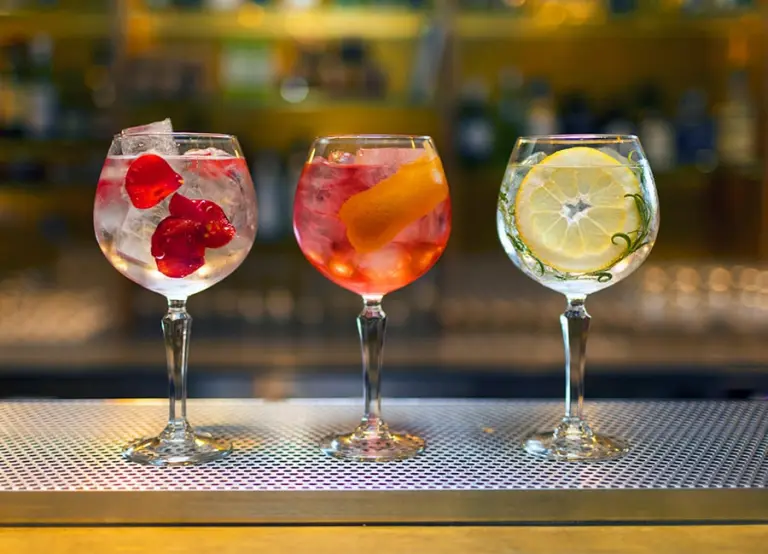
In global markets:
- Cocktails
- Flavored blends
- Long drinks
Neutrality allows adaptation.
6.3 Context Determines Meaning
Same liquid, different meaning:
- Formal toast → ritual
- Club setting → entertainment
- Cocktail → flavor base
Section 7: Social Trust and Shared Alcohol
7.1 Drinking as Agreement
In some cultures, drinking vodka together functions as:
- A symbolic agreement
- A trust-building act
7.2 Shared Vulnerability
Alcohol reduces inhibition, but neutral spirits amplify:
- Group alignment
- Collective pacing
- Social synchronization
Section 8: The Paradox of Neutral Identity
8.1 Absence Creates Projection
Because grain spirits lack strong flavor identity:
- Culture fills the gap
- Meaning is externally assigned
8.2 Maximum Flexibility
Neutral spirits can become:
- Ritual objects
- Party drinks
- Cocktail bases
- Industrial inputs
Identity is fluid.
Section 9: Globalization of Vodka Logic
9.1 Export of Neutrality
Vodka-style grain spirits have become globally dominant in:
- Bars
- Clubs
- Cocktails
9.2 Standardization of Taste
Global markets increasingly prefer:
- Smoothness
- Low flavor intensity
- Mixability
9.3 Cultural Dilution or Adaptation
Some argue this leads to:
- Loss of regional identity
Others see it as: - Cultural flexibility
Conclusion: Meaning Without Flavor
Grain spirits challenge a basic assumption:
That meaning in alcohol comes from taste.
Instead, they show something different:
Meaning can come from context, ritual, and social structure, even when flavor is minimal.
Vodka and other neutral grain spirits are not empty.
They are socially programmable substances.
Their power is not in what they express individually—but in what they enable collectively.