








Introduction: More Than Sparkling Wine
Champagne is often misunderstood.
To many, it is simply “sparkling wine”—a fizzy drink associated with celebrations, luxury, and special occasions. But in reality, Champagne is far more than that. It is a product of strict tradition, meticulous craftsmanship, and a unique geographical identity that cannot be replicated elsewhere.
True Champagne only comes from one place: the Champagne region in northeastern France. Everything else—no matter how similar—is technically just sparkling wine.
Champagne represents history, precision, and cultural symbolism. It is both a drink and an idea.
1. The Origins of Champagne
1.1 Accidental Beginnings
Ironically, Champagne was not always meant to sparkle.
Early winemakers in the Champagne region struggled with cold winters, which halted fermentation. When temperatures rose again in spring, fermentation restarted inside bottles, creating carbon dioxide—and bubbles.
At the time, this was considered a flaw.
1.2 The Role of Dom Pérignon
A Benedictine monk often associated with Champagne’s development, Dom Pérignon did not invent sparkling wine—but he greatly improved winemaking techniques.
His contributions included:
- Blending grapes for balance
- Improving clarity
- Enhancing overall quality
Over time, what was once a mistake became a defining feature.
1.3 Royal Adoption and Prestige
By the 17th and 18th centuries, Champagne became associated with French royalty. It was served at coronations and aristocratic gatherings, establishing its identity as a luxury product.
From there, its global reputation grew.
2. What Makes Champagne Unique
2.1 Terroir: The Sense of Place
Champagne’s uniqueness comes from its terroir—a combination of:
- Soil (chalk-rich, excellent drainage)
- Climate (cool, marginal for grapes)
- Geography
These factors create grapes with:
- High acidity
- Subtle flavors
- Aging potential
2.2 The Three Main Grapes
Champagne is typically made from:
- Chardonnay → elegance, acidity
- Pinot Noir → structure, body
- Pinot Meunier → fruitiness, softness
The art lies in blending them.
2.3 Strict Regulations
Champagne production is tightly controlled:
- Defined geographic boundaries
- Approved grape varieties
- Specific production methods
This ensures consistency and protects quality.
3. The Traditional Method (Méthode Champenoise)
3.1 First Fermentation
Grapes are pressed and fermented into still wine.
3.2 Blending (Assemblage)
Different wines are blended to achieve a house style.
3.3 Second Fermentation in Bottle
Sugar and yeast are added, and the wine is bottled.
This creates carbonation naturally.
3.4 Aging on Lees
Champagne is aged with dead yeast cells (lees), which adds:
- Creaminess
- Bread-like aromas
- Complexity
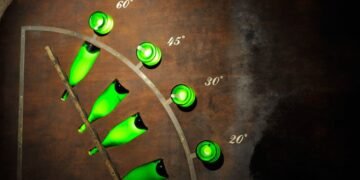
3.5 Riddling and Disgorgement
Sediment is gradually moved to the neck and removed.
3.6 Dosage
A small amount of sugar is added to balance acidity.
4. Styles of Champagne
4.1 By Sweetness Level
- Brut Nature → no added sugar
- Brut → dry (most common)
- Demi-Sec → sweeter
4.2 By Composition
- Blanc de Blancs → 100% Chardonnay
- Blanc de Noirs → dark grapes only
- Rosé Champagne → pink, often fruity
4.3 Vintage vs. Non-Vintage
- Non-Vintage → blended from multiple years
- Vintage → from a single exceptional year
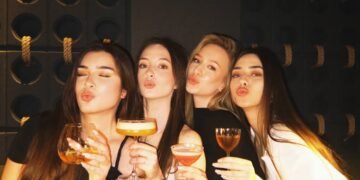
5. Champagne and Celebration
5.1 Why Champagne Represents Celebration
Champagne is tied to celebration because:
- Its bubbles symbolize joy
- Its rarity suggests importance
- Its history connects to royalty

5.2 Cultural Moments
Champagne is used for:
- Weddings
- New Year celebrations
- Sporting victories
Opening a bottle is itself a ritual.
6. The Sensory Experience
6.1 Appearance
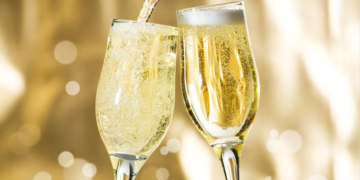
- Fine, persistent bubbles
- Pale gold to rosé hues
6.2 Aroma
Common notes include:
- Citrus
- Green apple
- Brioche
- Almond
6.3 Taste
Balanced between:
- Acidity
- Fruit
- Texture
6.4 Texture
Champagne is defined by:
- Effervescence
- Creaminess
- Precision
7. Champagne vs. Other Sparkling Wines
Not all sparkling wines are Champagne.
Examples include:
- Prosecco (Italy)
- Cava (Spain)
Differences lie in:
- Production method
- Flavor profile
- Aging
Champagne is typically more complex and refined.
8. The Luxury Factor
8.1 Why Champagne is Expensive
Factors include:
- Labor-intensive production
- Long aging periods
- Limited geographic area
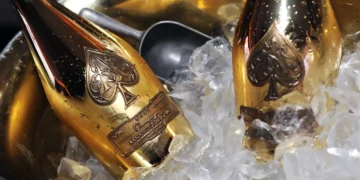
8.2 Branding and Prestige
Champagne houses invest heavily in:
- Image
- Heritage
- Exclusivity
This reinforces its luxury status.
9. Modern Trends
9.1 Sustainability
Producers are adopting:
- Organic farming
- Reduced chemical use
- Eco-friendly packaging
9.2 Grower Champagne
Small producers are gaining attention for:
- Terroir-driven wines
- Unique expressions
- Authenticity
10. How to Enjoy Champagne
10.1 Serving Temperature
Best served chilled but not too cold.
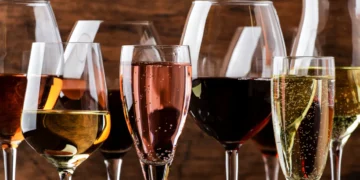
10.2 Glassware
Tulip-shaped glasses preserve aroma better than flutes.
10.3 Food Pairing
Champagne pairs with:
- Seafood
- Fried food
- Cheese
- Even fast food (surprisingly well)
Conclusion: A Drink That Defines Moments
Champagne is more than sparkling wine—it is a cultural symbol, a technical masterpiece, and a sensory experience.
It represents:
- Celebration
- Craftsmanship
- Time
Every bottle carries history, effort, and intention.
And when opened, it transforms an ordinary moment into something memorable.