

























Introduction: More Than Just a Drink
Beer is one of the oldest and most widely consumed alcoholic beverages in human history. From ancient civilizations to modern craft breweries, beer has evolved alongside humanity, shaping cultures, economies, and social traditions. While it is often seen as a casual drink—something to enjoy after work or during a social gathering—the truth is far more complex.
Beer is chemistry, agriculture, artistry, and storytelling combined.
This article explores beer from every angle: its origins, ingredients, brewing science, styles, global culture, and the explosive rise of the craft beer movement. By the end, you’ll see beer not just as a beverage—but as a living, evolving expression of human creativity.
1. A Brief History of Beer
1.1 Ancient Beginnings
Beer dates back over 7,000 years. Evidence suggests that early forms of beer were brewed in Mesopotamia and ancient China. Unlike modern beer, these early versions were cloudy, thick, and often consumed with straws to avoid sediment.
Beer wasn’t just a drink—it was essential nutrition. In ancient societies, it provided:
- Safe hydration (due to boiling during brewing)
- Calories
- Mild antiseptic properties
In ancient Egypt, beer was even used as payment for workers, including those who built the pyramids.
1.2 Medieval Brewing and Monasteries
During the Middle Ages, European monasteries became centers of brewing innovation. Monks refined recipes, introduced hops as a preservative, and standardized techniques.
Hops were revolutionary—they added bitterness, balanced sweetness, and extended shelf life. This transformed beer from a quickly spoiling drink into a more stable product suitable for trade.
1.3 Industrial Revolution and Mass Production
The Industrial Revolution brought:
- Thermometers and hydrometers (precision brewing)
- Steam power (large-scale production)
- Refrigeration (lager beer development)
Beer became consistent, scalable, and commercially viable. This era also saw the rise of major breweries that dominate global markets today.
2. The Four Essential Ingredients
At its core, beer is made from just four ingredients:
2.1 Water
Beer is about 90–95% water. The mineral content of water significantly affects flavor. For example:
- Soft water → smooth lagers
- Hard water → hoppy ales
Historic beer styles often reflect the water of their regions.
2.2 Malt (Usually Barley)
Malt provides:
- Sugars for fermentation
- Color
- Flavor (bread, caramel, chocolate, coffee notes)
Different roasting levels create different profiles:
- Pale malt → light, biscuity
- Roasted malt → dark, rich, bitter
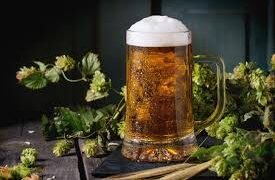
2.3 Hops
Hops are the spice of beer. They add:
- Bitterness (to balance sweetness)
- Aroma (citrus, pine, floral, tropical)
- Preservation qualities
Modern craft brewing has elevated hops into a central feature, especially in styles like IPA.
2.4 Yeast
Yeast is the magic ingredient. It ferments sugars into alcohol and CO₂ while producing unique flavor compounds.
Two main types:
- Ale yeast → warmer fermentation, fruity notes
- Lager yeast → colder fermentation, clean taste
3. The Brewing Process
Understanding beer requires understanding how it’s made.
Step 1: Malting
Barley is soaked, germinated, and dried to activate enzymes.
Step 2: Mashing
Grains are mixed with hot water to extract fermentable sugars.
Step 3: Boiling
The liquid (wort) is boiled, and hops are added at different stages.
Step 4: Fermentation
Yeast is added, converting sugar into alcohol.
Step 5: Conditioning
Beer matures, developing flavor and clarity.
Step 6: Packaging
Beer is bottled, canned, or kegged.
4. Beer Styles Explained
Beer is incredibly diverse. Here are the main categories:
4.1 Ales
Fermented at warmer temperatures.
Common types:
- Pale Ale
- India Pale Ale (IPA)
- Stout
- Porter
Characteristics:
- Fruity
- Complex
- Aromatic
4.2 Lagers
Fermented at cooler temperatures.
Types include:
- Pilsner
- Helles
- Dunkel
Characteristics:
- Clean
- Crisp
- Refreshing
4.3 Hybrid and Specialty Beers
These include:
- Sour beers
- Wheat beers
- Barrel-aged beers
- Experimental craft brews
5. The Craft Beer Revolution
5.1 What is Craft Beer?
Craft beer emphasizes:
- Small-scale production
- Innovation
- Flavor diversity
It rejects mass-produced uniformity in favor of creativity.
5.2 Why Craft Beer Exploded
Several factors contributed:
- Consumer desire for authenticity
- Culinary culture growth
- Social media and storytelling
- Localism and community identity
5.3 Innovation in Craft Brewing
Modern brewers experiment with:
- Fruits and spices
- Coffee and chocolate
- Wild fermentation
- Aging in whiskey or wine barrels
Beer has become a canvas for experimentation.
6. Beer and Culture
Beer is deeply embedded in global culture.
6.1 Europe
- Germany → purity laws, precision brewing
- Belgium → complex, yeast-driven beers
- UK → pub culture and ales
6.2 United States
The US is the heart of the craft beer revolution, known for bold flavors and hop-forward styles.
6.3 Asia
Beer markets in Asia are rapidly evolving, blending tradition with modern craft trends.
7. Beer Tasting and Appreciation
7.1 How to Taste Beer Properly
- Look – color and clarity
- Smell – aroma complexity
- Taste – balance of flavors
- Feel – body and carbonation
7.2 Flavor Profiles
Beer can include notes of:
- Citrus
- Caramel
- Coffee
- Chocolate
- Spice
- Herbs
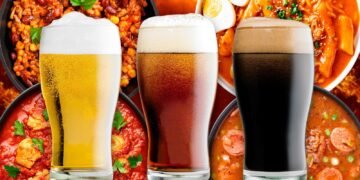
7.3 Glassware Matters
Different glasses enhance aroma and experience:
- Pint glass → casual drinking
- Tulip glass → aromatic beers
- Snifter → strong ales
8. Food Pairing with Beer
Beer pairs beautifully with food.
Examples:
- IPA + spicy food
- Stout + chocolate desserts
- Lager + seafood
- Wheat beer + salads
Beer’s carbonation and bitterness make it highly versatile.
9. The Business of Beer
Beer is a multi-billion-dollar global industry.
Key dynamics:
- Large corporations dominate volume
- Craft breweries dominate innovation
- Mergers and acquisitions shape the market
10. The Future of Beer
10.1 Trends to Watch
- Low-alcohol and non-alcoholic beers
- Sustainable brewing
- AI and automation in brewing
- Hyper-local breweries
10.2 Sustainability Challenges
Brewing requires:
- Water
- Energy
- Agriculture
The industry is investing in greener solutions.
Conclusion: Beer as a Living Tradition
Beer is not static—it evolves with society. From ancient grain fermentations to cutting-edge craft experiments, beer reflects human ingenuity and cultural identity.
Whether you’re drinking a simple lager or a complex barrel-aged stout, you’re participating in a tradition thousands of years old.
And perhaps that’s what makes beer so special:
It is both timeless and constantly reinventing itself.