














SipsavorLife
  • Home
  • Wine
    Wine Pairings: Can They Change the Flavor Profile of a Dish?

    Wine Pairings: Can They Change the Flavor Profile of a Dish?

    How Do Wine Glasses Influence the Tasting Experience?

    How Do Wine Glasses Influence the Tasting Experience?

    Is Organic Wine Healthier Than Conventional Wine?

    Is Organic Wine Healthier Than Conventional Wine?

    Why Do Some Wines Taste Better from Specific Vintages?

    Why Do Some Wines Taste Better from Specific Vintages?

    Wine Tasting: Can It Truly Be an Art Form?

    Wine Tasting: Can It Truly Be an Art Form?

    What Does Terroir Actually Mean for Your Wine?

    What Does Terroir Actually Mean for Your Wine?

  • Whiskey
    Can Beer Be an Effective Ingredient in Culinary Cooking?

    Can Beer Be an Effective Ingredient in Culinary Cooking?

    Second Fermentation in Champagne: Is It Really That Crucial?

    Second Fermentation in Champagne: Is It Really That Crucial?

    How Do Different Grains Impact the Flavor Profile of Distilled Spirits?

    How Do Different Grains Impact the Flavor Profile of Distilled Spirits?

    How Do Whiskey Master Blenders Create Perfection?

    How Do Whiskey Master Blenders Create Perfection?

    Wine Pairings: Can They Change the Flavor Profile of a Dish?

    Wine Pairings: Can They Change the Flavor Profile of a Dish?

    Beer the Ultimate Beverage for Pairing with Spicy Food?

    Beer the Ultimate Beverage for Pairing with Spicy Food?

  • Beer
    Can Beer Be an Effective Ingredient in Culinary Cooking?

    Can Beer Be an Effective Ingredient in Culinary Cooking?

    Beer the Ultimate Beverage for Pairing with Spicy Food?

    Beer the Ultimate Beverage for Pairing with Spicy Food?

    How Did Ancient Civilizations Brew Beer Without Modern Technology?

    How Did Ancient Civilizations Brew Beer Without Modern Technology?

    Is It Possible to Brew a Beer with No Alcohol and No Compromise on Taste?

    Is It Possible to Brew a Beer with No Alcohol and No Compromise on Taste?

    Why Does Beer Taste Different at High Altitudes?

    Why Does Beer Taste Different at High Altitudes?

    Is Hops the Secret Ingredient Behind Beer’s Bold Flavor?

    Is Hops the Secret Ingredient Behind Beer’s Bold Flavor?

  • Grain Spirits
    How Do Different Grains Impact the Flavor Profile of Distilled Spirits?

    How Do Different Grains Impact the Flavor Profile of Distilled Spirits?

    Grain Spirits the Unsung Heroes of Modern Mixology

    Grain Spirits the Unsung Heroes of Modern Mixology

    What Makes Grain-Based Whiskey So Different from Its Peated Cousins?

    What Makes Grain-Based Whiskey So Different from Its Peated Cousins?

    Grain Spirits: Could They Be the Next Big Trend in Craft Cocktails?

    Grain Spirits: Could They Be the Next Big Trend in Craft Cocktails?

    Why Are Grain Spirits Often Overlooked in the World of Fine Liquor?

    Why Are Grain Spirits Often Overlooked in the World of Fine Liquor?

    Is There a Secret Art to Distilling Grain Spirits?

    Is There a Secret Art to Distilling Grain Spirits?

  • Champagne
    Second Fermentation in Champagne: Is It Really That Crucial?

    Second Fermentation in Champagne: Is It Really That Crucial?

    The Science Behind the ‘Bubble Size’ in Champagne

    The Science Behind the ‘Bubble Size’ in Champagne

    Why Do Some Champagnes Use a High Proportion of Pinot Meunier?

    Why Do Some Champagnes Use a High Proportion of Pinot Meunier?

    Role of Terroir in Champagne Production

    Role of Terroir in Champagne Production

    Champagne Can Be Aged in Wood?

    Champagne Can Be Aged in Wood?

    Is There a Difference Between Blanc de Blancs and Blanc de Noirs Champagne?

    Is There a Difference Between Blanc de Blancs and Blanc de Noirs Champagne?

  • ALL
    Can Beer Be an Effective Ingredient in Culinary Cooking?

    Can Beer Be an Effective Ingredient in Culinary Cooking?

    Second Fermentation in Champagne: Is It Really That Crucial?

    Second Fermentation in Champagne: Is It Really That Crucial?

    How Do Different Grains Impact the Flavor Profile of Distilled Spirits?

    How Do Different Grains Impact the Flavor Profile of Distilled Spirits?

    How Do Whiskey Master Blenders Create Perfection?

    How Do Whiskey Master Blenders Create Perfection?

    Wine Pairings: Can They Change the Flavor Profile of a Dish?

    Wine Pairings: Can They Change the Flavor Profile of a Dish?

    Beer the Ultimate Beverage for Pairing with Spicy Food?

    Beer the Ultimate Beverage for Pairing with Spicy Food?

SipsavorLife
  • Home
  • Wine
    Wine Pairings: Can They Change the Flavor Profile of a Dish?

    Wine Pairings: Can They Change the Flavor Profile of a Dish?

    How Do Wine Glasses Influence the Tasting Experience?

    How Do Wine Glasses Influence the Tasting Experience?

    Is Organic Wine Healthier Than Conventional Wine?

    Is Organic Wine Healthier Than Conventional Wine?

    Why Do Some Wines Taste Better from Specific Vintages?

    Why Do Some Wines Taste Better from Specific Vintages?

    Wine Tasting: Can It Truly Be an Art Form?

    Wine Tasting: Can It Truly Be an Art Form?

    What Does Terroir Actually Mean for Your Wine?

    What Does Terroir Actually Mean for Your Wine?

  • Whiskey
    Can Beer Be an Effective Ingredient in Culinary Cooking?

    Can Beer Be an Effective Ingredient in Culinary Cooking?

    Second Fermentation in Champagne: Is It Really That Crucial?

    Second Fermentation in Champagne: Is It Really That Crucial?

    How Do Different Grains Impact the Flavor Profile of Distilled Spirits?

    How Do Different Grains Impact the Flavor Profile of Distilled Spirits?

    How Do Whiskey Master Blenders Create Perfection?

    How Do Whiskey Master Blenders Create Perfection?

    Wine Pairings: Can They Change the Flavor Profile of a Dish?

    Wine Pairings: Can They Change the Flavor Profile of a Dish?

    Beer the Ultimate Beverage for Pairing with Spicy Food?

    Beer the Ultimate Beverage for Pairing with Spicy Food?

  • Beer
    Can Beer Be an Effective Ingredient in Culinary Cooking?

    Can Beer Be an Effective Ingredient in Culinary Cooking?

    Beer the Ultimate Beverage for Pairing with Spicy Food?

    Beer the Ultimate Beverage for Pairing with Spicy Food?

    How Did Ancient Civilizations Brew Beer Without Modern Technology?

    How Did Ancient Civilizations Brew Beer Without Modern Technology?

    Is It Possible to Brew a Beer with No Alcohol and No Compromise on Taste?

    Is It Possible to Brew a Beer with No Alcohol and No Compromise on Taste?

    Why Does Beer Taste Different at High Altitudes?

    Why Does Beer Taste Different at High Altitudes?

    Is Hops the Secret Ingredient Behind Beer’s Bold Flavor?

    Is Hops the Secret Ingredient Behind Beer’s Bold Flavor?

  • Grain Spirits
    How Do Different Grains Impact the Flavor Profile of Distilled Spirits?

    How Do Different Grains Impact the Flavor Profile of Distilled Spirits?

    Grain Spirits the Unsung Heroes of Modern Mixology

    Grain Spirits the Unsung Heroes of Modern Mixology

    What Makes Grain-Based Whiskey So Different from Its Peated Cousins?

    What Makes Grain-Based Whiskey So Different from Its Peated Cousins?

    Grain Spirits: Could They Be the Next Big Trend in Craft Cocktails?

    Grain Spirits: Could They Be the Next Big Trend in Craft Cocktails?

    Why Are Grain Spirits Often Overlooked in the World of Fine Liquor?

    Why Are Grain Spirits Often Overlooked in the World of Fine Liquor?

    Is There a Secret Art to Distilling Grain Spirits?

    Is There a Secret Art to Distilling Grain Spirits?

  • Champagne
    Second Fermentation in Champagne: Is It Really That Crucial?

    Second Fermentation in Champagne: Is It Really That Crucial?

    The Science Behind the ‘Bubble Size’ in Champagne

    The Science Behind the ‘Bubble Size’ in Champagne

    Why Do Some Champagnes Use a High Proportion of Pinot Meunier?

    Why Do Some Champagnes Use a High Proportion of Pinot Meunier?

    Role of Terroir in Champagne Production

    Role of Terroir in Champagne Production

    Champagne Can Be Aged in Wood?

    Champagne Can Be Aged in Wood?

    Is There a Difference Between Blanc de Blancs and Blanc de Noirs Champagne?

    Is There a Difference Between Blanc de Blancs and Blanc de Noirs Champagne?

  • ALL
    Can Beer Be an Effective Ingredient in Culinary Cooking?

    Can Beer Be an Effective Ingredient in Culinary Cooking?

    Second Fermentation in Champagne: Is It Really That Crucial?

    Second Fermentation in Champagne: Is It Really That Crucial?

    How Do Different Grains Impact the Flavor Profile of Distilled Spirits?

    How Do Different Grains Impact the Flavor Profile of Distilled Spirits?

    How Do Whiskey Master Blenders Create Perfection?

    How Do Whiskey Master Blenders Create Perfection?

    Wine Pairings: Can They Change the Flavor Profile of a Dish?

    Wine Pairings: Can They Change the Flavor Profile of a Dish?

    Beer the Ultimate Beverage for Pairing with Spicy Food?

    Beer the Ultimate Beverage for Pairing with Spicy Food?

SipsavorLife
No Result
View All Result
Home ALL

How Do Different Grains Impact the Flavor Profile of Distilled Spirits?

January 22, 2026
in ALL, Grain Spirits
How Do Different Grains Impact the Flavor Profile of Distilled Spirits?

Distilled spirits are an intricate world of chemistry, art, and craftsmanship, and one of the most important yet often overlooked elements in their creation is the grain. The choice of grain not only defines the type of spirit but also contributes to the complexity of its flavor profile. Whether it’s bourbon, rye whiskey, vodka, or gin, the grain acts as the foundation for the beverage’s character, influencing everything from sweetness to bitterness, and even the smoothness of the final product. Understanding how different grains impact the flavor profile of distilled spirits opens a door to deeper appreciation for these beverages.

The Role of Grains in Distilled Spirits

Grains are the starting point for almost all distilled spirits, acting as the primary source of fermentable sugars. These sugars are essential for fermentation, a process in which yeast converts them into alcohol. The type of grain used—be it barley, corn, rye, wheat, or oats—has a profound effect on the final taste of the spirit. This is because each grain brings a unique profile of flavors, aromas, and textures that contribute to the overall character of the drink.

  • Corn: Known for its sweetness and smoothness, corn is the dominant grain used in American bourbon. It creates a spirit with a round, full-bodied flavor, often with notes of caramel, vanilla, and even butterscotch. Corn’s high starch content makes it an excellent base for fermentable sugars, leading to a spirit that is both rich and sweet.
  • Barley: Barley is the heart of many classic spirits, including Scotch whisky and Irish whiskey. It’s often malted, a process where the grain is germinated and then dried, to produce a distinctive flavor. Barley imparts a malty, biscuity sweetness to the spirit. It also brings a certain lightness and complexity, with flavors ranging from honey and cereal to nutty or even fruity nuances. For Scotch whisky, barley is integral to the “malt” designation, contributing to the depth and richness of the final product.
  • Rye: Rye is known for its spicy, slightly peppery character, which makes it a favorite for creating bold and flavorful spirits. Rye whiskey, particularly from the United States, has a sharper, more robust profile compared to bourbon. The grain’s spicy notes can include hints of black pepper, cinnamon, and clove, adding complexity to the spirit. Rye also often imparts a dryness that balances the sweetness of other grains.
  • Wheat: Wheat brings a smooth, creamy mouthfeel and a sweeter, softer flavor profile to spirits. Wheat whiskey, for example, tends to be lighter and smoother than its counterparts made with corn or rye. It has notes of honey, bread, and a faint cereal-like sweetness, which makes it approachable for many new whiskey drinkers. Wheat is also key in making certain vodkas, where its neutrality allows for a clean, crisp taste.
  • Oats: While less common in distilled spirits, oats are used in some small-batch whiskey production, particularly for their creamy, rich texture. Oats contribute a soft sweetness and a smooth, silky mouthfeel, often with flavors reminiscent of porridge or oatmeal. These characteristics add complexity and texture to the final spirit, although they are often subtle compared to the boldness of rye or the sweetness of corn.
Review: Sagamore Spirit Rye Small Batch - Drinkhacker

Corn in Bourbon: The American Standard

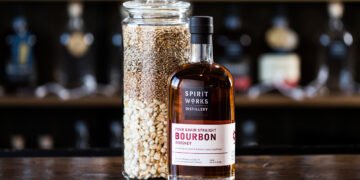
When it comes to bourbon, corn is the star. By law, bourbon must be made from a grain mash that is at least 51% corn. The sweetness of corn is integral to the flavor profile of bourbon, giving it the distinctive caramel, vanilla, and toasty notes that many bourbon drinkers love. Bourbon made from high-corn mash bills tends to be fuller-bodied, with a round mouthfeel and smooth finish.

Barley in Scotch Whisky: The Malted Touch

Barley’s role in Scotch whisky is legendary. Scotch whisky must be made from malted barley, and this grain imparts a nutty, malty character that forms the backbone of many Scotch varieties. The malting process, which involves soaking and drying the barley, enhances the flavor by converting the starches into fermentable sugars, creating a rich, slightly sweet base for fermentation. In addition to the malty notes, the use of barley in Scotch whisky can bring a range of flavors, from light and fruity to rich and savory, depending on the distillation process and aging conditions.

Peated Scotch, made from barley that has been dried over peat fires, takes this flavor even further by imparting smoky, earthy, and sometimes medicinal notes that are beloved by enthusiasts of this style. The versatility of barley allows Scotch whisky to be a complex spirit, capable of presenting a variety of flavors depending on the distiller’s technique.

Rye Whiskey: Bold and Spicy

Rye whiskey is another classic American spirit, with a distinct, spicy kick that sets it apart from bourbon and other whiskeys. Rye’s characteristic spiciness comes from the chemical composition of the grain. Unlike corn, which is mild and sweet, rye carries peppery, herbal notes that can include black pepper, clove, and cinnamon. Rye whiskeys are often described as dry, with a sharper, more intense flavor than bourbon.

Because of its spicy nature, rye whiskey can be challenging for some, but it is a favorite among those who enjoy a more robust and dynamic drinking experience. The spiciness also makes rye whiskey a great base for cocktails, adding complexity and structure to drinks like the Old Fashioned and the Manhattan.

Wheat: Smooth and Subtle

Wheat is a soft grain that lends a smooth, mellow character to whiskey. It is often used in wheat whiskey, where it typically makes up the majority of the mash bill. Wheat whiskey tends to have a lighter, sweeter profile compared to bourbon, with flavors of honey, bread, and a slight cereal sweetness. This makes it a favorite for those who prefer a smoother, less intense drink.

Wheat also plays a crucial role in vodka production. As one of the most neutral grains, wheat lends itself to the creation of clean, crisp vodkas with minimal flavor interference. This neutrality allows other elements, such as the distillation process or the addition of flavors, to shine through, which is why wheat-based vodkas are often sought after for their purity.

Oats: Creamy and Unique

Triple Malt Bourbon Explained – Rabbit Hole Distillery

Oats are less common in distilled spirits but can still make a significant impact on flavor. When used in whiskey production, oats contribute a soft, creamy texture and a delicate sweetness that sets the spirit apart from others made with more traditional grains. Oat whiskey tends to be silky smooth, with flavors of oatmeal, soft bread, and light honey. Though not as widely available as other types of whiskey, oat whiskey is gaining popularity for its unique mouthfeel and subtle sweetness.

The Influence of Distillation Process

While the choice of grain is crucial, the distillation process itself also plays an important role in shaping the final flavor of the spirit. Distillation is the process by which alcohol is separated from the fermented mash. The technique used in distillation—whether pot still, column still, or hybrid still—has a profound effect on the character of the spirit.

For example, pot still distillation tends to preserve more of the original flavors from the grain, resulting in a richer, more flavorful spirit. In contrast, column stills create a more refined and neutral spirit, allowing the base grain to shine through more subtly.

The Importance of Aging and Maturation

After distillation, the aging process continues to shape the flavor profile of a distilled spirit. Barrels, typically made of oak, interact with the spirit over time, imparting additional flavors such as vanilla, caramel, and spice. The aging process also allows the spirit to mellow, reducing harshness and enhancing the smoothness of the drink.

Different grains, combined with the aging process, contribute to the final complexity of the spirit. For example, bourbon, made predominantly from corn, will develop rich, sweet flavors over time as it ages in oak barrels, while rye whiskey will often retain its spicy edge even after years of maturation.

Conclusion: Understanding the Grain-to-Glass Journey

The flavor profile of a distilled spirit is a complex interplay of grain, fermentation, distillation, and aging. Grains such as corn, barley, rye, wheat, and oats each bring unique characteristics to the table, influencing everything from sweetness to spiciness, and smoothness to complexity. By understanding the role of each grain, drinkers can better appreciate the subtle (and not-so-subtle) flavors that define their favorite spirits.

Whether you’re sipping a smooth bourbon, enjoying a spicy rye, or sampling a delicate wheat whiskey, knowing how the grain impacts the flavor helps elevate the drinking experience. After all, a great spirit is not just about alcohol—it’s about the journey the grain takes from the field to the glass.


Tags: fermentationflavorsgrain spiritswhiskey production
ShareTweetShare

Related Posts

Can Beer Be an Effective Ingredient in Culinary Cooking?
ALL

Can Beer Be an Effective Ingredient in Culinary Cooking?

January 22, 2026
Second Fermentation in Champagne: Is It Really That Crucial?
ALL

Second Fermentation in Champagne: Is It Really That Crucial?

January 22, 2026
How Do Whiskey Master Blenders Create Perfection?
ALL

How Do Whiskey Master Blenders Create Perfection?

January 22, 2026
Wine Pairings: Can They Change the Flavor Profile of a Dish?
ALL

Wine Pairings: Can They Change the Flavor Profile of a Dish?

January 22, 2026
Beer the Ultimate Beverage for Pairing with Spicy Food?
ALL

Beer the Ultimate Beverage for Pairing with Spicy Food?

January 21, 2026
The Science Behind the ‘Bubble Size’ in Champagne
ALL

The Science Behind the ‘Bubble Size’ in Champagne

January 21, 2026
Leave Comment
  • Trending
  • Comments
  • Latest
What Hidden Craftsmanship Lies Behind a Bottle of Quality Grain Spirits?

What Hidden Craftsmanship Lies Behind a Bottle of Quality Grain Spirits?

July 3, 2025
How Is Champagne Made? The Secrets Behind the Sparkle

How Is Champagne Made? The Secrets Behind the Sparkle

April 15, 2025
Grain Spirits vs. Traditional Distilled Spirits: Which One Suits Your Taste?

Grain Spirits vs. Traditional Distilled Spirits: Which One Suits Your Taste?

July 3, 2025
Champagne Bubbles: How Do They Perfectly Convey Celebration, Joy, and Luxury?

Champagne Bubbles: How Do They Perfectly Convey Celebration, Joy, and Luxury?

July 2, 2025
The Timeless Elegance of Wine: A Journey Through History and Culture

The Timeless Elegance of Wine: A Journey Through History and Culture

Why Is Château Lafite Rothschild the Pinnacle of Fine Wine?

Why Is Château Lafite Rothschild the Pinnacle of Fine Wine?

How Did Château Lafite Rothschild Become a Global Icon of Luxury?

How Did Château Lafite Rothschild Become a Global Icon of Luxury?

What Makes Chateau Lafite Rothschild the Pinnacle of Bordeaux Wines?

What Makes Chateau Lafite Rothschild the Pinnacle of Bordeaux Wines?

Can Beer Be an Effective Ingredient in Culinary Cooking?

Can Beer Be an Effective Ingredient in Culinary Cooking?

January 22, 2026
Second Fermentation in Champagne: Is It Really That Crucial?

Second Fermentation in Champagne: Is It Really That Crucial?

January 22, 2026
How Do Different Grains Impact the Flavor Profile of Distilled Spirits?

How Do Different Grains Impact the Flavor Profile of Distilled Spirits?

January 22, 2026
How Do Whiskey Master Blenders Create Perfection?

How Do Whiskey Master Blenders Create Perfection?

January 22, 2026
SipsavorLife

Welcome to our comprehensive beverage guide, where you can explore the fascinating world of alcoholic drinks. From exquisite wines and rich whiskeys to refreshing beers and sparkling champagnes, we provide insights, tips, and recommendations for enthusiasts and casual drinkers alike. Discover your next favorite libation with us!

© 2025 sipsavorlife.com. contacts:sipsavorlife-35376@gmail.com

No Result
View All Result
  • Home
  • Wine
  • Whiskey
  • Beer
  • Grain Spirits
  • Champagne
  • ALL

© 2025 sipsavorlife.com. contacts:sipsavorlife-35376@gmail.com

Welcome Back!

Login to your account below

Forgotten Password?

Retrieve your password

Please enter your username or email address to reset your password.

Log In