


























Whiskey is one of those beverages that seems simple at first glance: a distilled spirit made from fermented grains, aged in wooden barrels, enjoyed neat or in cocktails. But dig a little deeper, and the world of whiskey unfolds into a rich, complex landscape full of variations, traditions, and meticulous craftsmanship. Among these, two broad categories often capture attention: grain-based whiskey and peated whiskey. Both share common DNA but diverge dramatically in flavor, aroma, production techniques, and cultural associations. Understanding these differences is not just for connoisseurs; it opens a door into centuries of innovation, regional influence, and the artistry of distillation.
The DNA of Whiskey: Grains as the Foundation
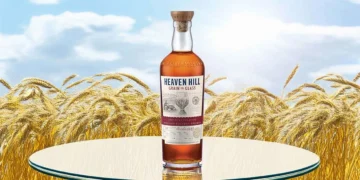
At its core, whiskey is a grain spirit. The grain is the canvas upon which flavor, aroma, and texture are painted. Common grains include barley, corn, rye, and wheat, each bringing unique characteristics. Grain-based whiskey often emphasizes the purity and sweetness of the grains themselves, offering a softer, rounder, and sometimes fruitier profile compared to the smoky intensity of peated whiskey.
Barley: The traditional darling of whiskey production, barley provides a sweet, malty backbone. In single malt whiskeys, barley is often malted and carefully kilned, providing enzymes necessary for converting starch into fermentable sugars. Its subtle sweetness and nutty undertones create a versatile flavor canvas that can carry complex aging notes without being overwhelming.
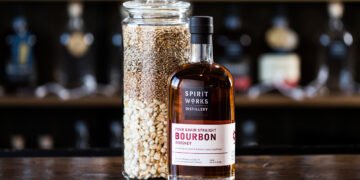
Corn: Corn is the star in American bourbon. Its high starch content translates into sweetness and body. Corn-heavy whiskeys tend to be smoother and approachable, with flavors of caramel, vanilla, and sometimes a hint of buttery richness that balances oak influence beautifully.
Rye: Rye grain contributes spiciness and a sharper edge. Its presence can cut through sweetness and add complexity to blends. Rye’s peppery, sometimes herbal, notes are often described as invigorating and slightly rebellious, a contrast to the gentle charm of pure corn or barley whiskey.
Wheat: Less common but cherished for its softness, wheat produces a gentle, creamy character. Whiskeys labeled as “wheated” are often smoother, with delicate floral or cereal notes, perfect for those who prefer elegance over punch.
Grain-based whiskeys may be single-grain (one grain type) or blended. Single-grain expressions allow distillers to showcase the essence of a particular grain or fermentation method, whereas blends balance multiple grains to achieve complexity and consistency.
Peat: Nature’s Smoky Signature
Peated whiskey introduces a completely different dimension. Peat is partially decomposed organic matter—mosses, grasses, and plant material—harvested from bogs and burned to dry malted barley. The smoke infuses the grains with phenolic compounds that carry through distillation and maturation, giving peated whiskeys their signature smoky, medicinal, and sometimes maritime character.
The intensity of peat varies widely:
- Lightly Peated: Subtle hints of smoke that complement rather than dominate.
- Medium Peated: A balanced presence where smoke is pronounced but integrated.
- Heavily Peated: Smoke dominates, creating bold, assertive flavors that linger long after the sip.
Phenols in peat contribute not just smoke but notes reminiscent of campfire, iodine, tar, and seaweed, depending on the terroir of the peat source. These whiskeys often evoke landscapes—the misty Scottish Highlands, coastal Islay islands, or windswept peat bogs—capturing geography in every dram.

Production Differences: Grain vs. Peated Whiskey
While the distillation process for grain-based and peated whiskeys shares fundamental steps—mashing, fermentation, distillation, maturation—the treatment of grains and choice of ingredients creates divergent outcomes.
- Mashing and Fermentation:
Grain-based whiskeys often favor a clean, controlled fermentation. Yeast strains are carefully selected to enhance the natural sweetness of the grains. The focus is on highlighting cereal flavors, balanced acidity, and smooth alcohol integration. Peated whiskeys undergo similar fermentation, but the presence of phenols from peat smoke interacts with yeast metabolites, subtly shifting the aromatic profile toward smoky, earthy, and herbal dimensions. - Distillation:
Pot stills, column stills, or a combination define the spirit’s texture. Grain whiskeys—especially those intended for blending—frequently use column stills to produce a lighter, more neutral spirit. This allows the barrel and grain flavors to shine without interference. Peated whiskeys, particularly single malts, often employ pot stills to preserve aromatic complexity, ensuring that smoky nuances are captured rather than evaporated. - Barrel Aging:
Grain-based whiskeys and peated whiskeys both age in oak barrels, but the interplay with smoke varies. Grain-focused whiskeys often lean on American oak barrels to accentuate sweetness and vanilla notes, while peated whiskeys may benefit from European oak, sherry casks, or even barrels with previous peated spirits, which enhance complexity without overpowering the smoky signature.
Flavor Profiles: Beyond Smoke and Sweetness
Understanding the difference between grain-based and peated whiskey requires tasting beyond obvious flavors. Grain-based whiskeys tend to emphasize:
- Sweetness: Notes of caramel, toffee, honey, or vanilla often dominate.
- Fruitiness: Apples, pears, or stone fruits may shine, especially in lighter, corn-heavy expressions.
- Cereal Character: Malt, biscuit, or bread-like nuances provide a grounding sense of the raw material.
- Soft Spice: Nutmeg, cinnamon, or mild cloves may appear, but rarely dominate.
Peated whiskeys, by contrast, highlight:
- Smoke and Earth: Campfire, charred wood, and peat bog aromas.
- Minerality and Maritime Notes: Salty, iodine-like flavors from coastal peat regions.
- Herbal Complexity: Thyme, heather, or even medicinal undertones.
- Bold Spice: Black pepper, cloves, and intense oak tannins can interplay with smoke for layered flavor.
Cultural and Regional Influence

Grain-based whiskey is often associated with American bourbon, Canadian rye, and Japanese grain whiskeys. These regions favor clarity, smoothness, and approachability. In contrast, peated whiskey is iconic in Scottish single malts, especially from Islay, where tradition and environment shape the peat flavor. Peat’s impact is less common in other regions, partly due to the scarcity of peat bogs or different distillation philosophies.
In Japan, grain-based whiskeys often take cues from both Scottish traditions and local craftsmanship, producing whiskeys that balance subtlety with precision. In America, corn-based whiskeys showcase sweetness and accessibility, appealing to a broader audience and creating the foundation for classic cocktails.
Sensory Experience and Pairing
The drinking experience differs markedly. Grain-based whiskeys invite exploration of smooth, layered flavors. They pair well with foods that complement rather than compete: mild cheeses, smoked salmon, roasted poultry, or chocolate desserts. Their approachability also makes them excellent for cocktails, where grain flavors can shine without clashing with mixers.
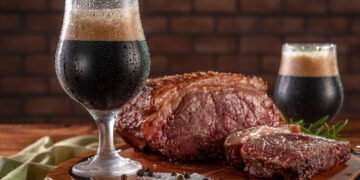
Peated whiskeys demand attention. The smoke dominates and interacts differently with food: rich meats, blue cheeses, and even oysters create a dramatic flavor interplay. Their intensity makes them less versatile in cocktails but perfect for savoring neat or with a drop of water to release aromatic complexity.
Evolution and Modern Trends
Grain-based whiskeys are seeing a renaissance. Distillers experiment with heritage grains, unusual barrel finishes, and innovative fermentation methods to push boundaries while retaining accessibility. The rise of Japanese grain whiskeys, for example, shows how precision and artistry can elevate grain-focused spirits into world-class offerings.
Peated whiskeys are also evolving. While the traditional heavy smoke remains popular, subtle and hybrid expressions—blending peated and unpeated malts—offer a bridge between intense smoke lovers and those who prefer a gentler profile. Experimental aging in wine or rum casks further diversifies their aroma and flavor.
Why Understanding the Difference Matters
Beyond academic curiosity, knowing the distinction between grain-based and peated whiskey enriches appreciation and decision-making. Whether buying, tasting, or pairing, awareness of production methods, grain choice, peat influence, and regional context enhances both enjoyment and conversation. A grain-based whiskey isn’t just “less smoky”; it’s a celebration of sweetness, texture, and grain character. A peated whiskey isn’t just “smoky”; it’s a narrative of place, tradition, and bold sensory storytelling.
Moreover, this understanding opens doors to whiskey education, tasting events, and connoisseurship. Appreciating grain and peat differences allows enthusiasts to recognize subtle variations, identify quality indicators, and explore new favorites confidently.
Conclusion: Two Paths, One Spirit
Grain-based whiskey and peated whiskey are two sides of the same coin, representing the diverse possibilities of whiskey craftsmanship. Grain-based expressions charm with smooth sweetness, layered cereal complexity, and versatility. Peated expressions intrigue with bold smoke, earthy depth, and place-driven character. Both have dedicated followings and compelling reasons to be savored, studied, and celebrated.
Ultimately, the difference lies in emphasis: the grain itself versus the smoky transformation peat imparts. The choice between them depends on mood, palate, and curiosity. One invites gentle exploration; the other dares you into bold adventure. Together, they demonstrate whiskey’s remarkable capacity for diversity and storytelling, proving that a humble grain, when combined with water, yeast, fire, and patience, can become a universe in a glass.
Grain-based or peated, each sip is a journey—an invitation to taste history, craftsmanship, and the very essence of the land. The more you explore, the clearer the contrast becomes, and the more fascinating whiskey becomes as an art form.