
















SipsavorLife
  • Home
  • Wine
    Wine Pairings: Can They Change the Flavor Profile of a Dish?

    Wine Pairings: Can They Change the Flavor Profile of a Dish?

    How Do Wine Glasses Influence the Tasting Experience?

    How Do Wine Glasses Influence the Tasting Experience?

    Is Organic Wine Healthier Than Conventional Wine?

    Is Organic Wine Healthier Than Conventional Wine?

    Why Do Some Wines Taste Better from Specific Vintages?

    Why Do Some Wines Taste Better from Specific Vintages?

    Wine Tasting: Can It Truly Be an Art Form?

    Wine Tasting: Can It Truly Be an Art Form?

    What Does Terroir Actually Mean for Your Wine?

    What Does Terroir Actually Mean for Your Wine?

  • Whiskey
    Can Beer Be an Effective Ingredient in Culinary Cooking?

    Can Beer Be an Effective Ingredient in Culinary Cooking?

    Second Fermentation in Champagne: Is It Really That Crucial?

    Second Fermentation in Champagne: Is It Really That Crucial?

    How Do Different Grains Impact the Flavor Profile of Distilled Spirits?

    How Do Different Grains Impact the Flavor Profile of Distilled Spirits?

    How Do Whiskey Master Blenders Create Perfection?

    How Do Whiskey Master Blenders Create Perfection?

    Wine Pairings: Can They Change the Flavor Profile of a Dish?

    Wine Pairings: Can They Change the Flavor Profile of a Dish?

    Beer the Ultimate Beverage for Pairing with Spicy Food?

    Beer the Ultimate Beverage for Pairing with Spicy Food?

  • Beer
    Can Beer Be an Effective Ingredient in Culinary Cooking?

    Can Beer Be an Effective Ingredient in Culinary Cooking?

    Beer the Ultimate Beverage for Pairing with Spicy Food?

    Beer the Ultimate Beverage for Pairing with Spicy Food?

    How Did Ancient Civilizations Brew Beer Without Modern Technology?

    How Did Ancient Civilizations Brew Beer Without Modern Technology?

    Is It Possible to Brew a Beer with No Alcohol and No Compromise on Taste?

    Is It Possible to Brew a Beer with No Alcohol and No Compromise on Taste?

    Why Does Beer Taste Different at High Altitudes?

    Why Does Beer Taste Different at High Altitudes?

    Is Hops the Secret Ingredient Behind Beer’s Bold Flavor?

    Is Hops the Secret Ingredient Behind Beer’s Bold Flavor?

  • Grain Spirits
    How Do Different Grains Impact the Flavor Profile of Distilled Spirits?

    How Do Different Grains Impact the Flavor Profile of Distilled Spirits?

    Grain Spirits the Unsung Heroes of Modern Mixology

    Grain Spirits the Unsung Heroes of Modern Mixology

    What Makes Grain-Based Whiskey So Different from Its Peated Cousins?

    What Makes Grain-Based Whiskey So Different from Its Peated Cousins?

    Grain Spirits: Could They Be the Next Big Trend in Craft Cocktails?

    Grain Spirits: Could They Be the Next Big Trend in Craft Cocktails?

    Why Are Grain Spirits Often Overlooked in the World of Fine Liquor?

    Why Are Grain Spirits Often Overlooked in the World of Fine Liquor?

    Is There a Secret Art to Distilling Grain Spirits?

    Is There a Secret Art to Distilling Grain Spirits?

  • Champagne
    Second Fermentation in Champagne: Is It Really That Crucial?

    Second Fermentation in Champagne: Is It Really That Crucial?

    The Science Behind the ‘Bubble Size’ in Champagne

    The Science Behind the ‘Bubble Size’ in Champagne

    Why Do Some Champagnes Use a High Proportion of Pinot Meunier?

    Why Do Some Champagnes Use a High Proportion of Pinot Meunier?

    Role of Terroir in Champagne Production

    Role of Terroir in Champagne Production

    Champagne Can Be Aged in Wood?

    Champagne Can Be Aged in Wood?

    Is There a Difference Between Blanc de Blancs and Blanc de Noirs Champagne?

    Is There a Difference Between Blanc de Blancs and Blanc de Noirs Champagne?

  • ALL
    Can Beer Be an Effective Ingredient in Culinary Cooking?

    Can Beer Be an Effective Ingredient in Culinary Cooking?

    Second Fermentation in Champagne: Is It Really That Crucial?

    Second Fermentation in Champagne: Is It Really That Crucial?

    How Do Different Grains Impact the Flavor Profile of Distilled Spirits?

    How Do Different Grains Impact the Flavor Profile of Distilled Spirits?

    How Do Whiskey Master Blenders Create Perfection?

    How Do Whiskey Master Blenders Create Perfection?

    Wine Pairings: Can They Change the Flavor Profile of a Dish?

    Wine Pairings: Can They Change the Flavor Profile of a Dish?

    Beer the Ultimate Beverage for Pairing with Spicy Food?

    Beer the Ultimate Beverage for Pairing with Spicy Food?

SipsavorLife
  • Home
  • Wine
    Wine Pairings: Can They Change the Flavor Profile of a Dish?

    Wine Pairings: Can They Change the Flavor Profile of a Dish?

    How Do Wine Glasses Influence the Tasting Experience?

    How Do Wine Glasses Influence the Tasting Experience?

    Is Organic Wine Healthier Than Conventional Wine?

    Is Organic Wine Healthier Than Conventional Wine?

    Why Do Some Wines Taste Better from Specific Vintages?

    Why Do Some Wines Taste Better from Specific Vintages?

    Wine Tasting: Can It Truly Be an Art Form?

    Wine Tasting: Can It Truly Be an Art Form?

    What Does Terroir Actually Mean for Your Wine?

    What Does Terroir Actually Mean for Your Wine?

  • Whiskey
    Can Beer Be an Effective Ingredient in Culinary Cooking?

    Can Beer Be an Effective Ingredient in Culinary Cooking?

    Second Fermentation in Champagne: Is It Really That Crucial?

    Second Fermentation in Champagne: Is It Really That Crucial?

    How Do Different Grains Impact the Flavor Profile of Distilled Spirits?

    How Do Different Grains Impact the Flavor Profile of Distilled Spirits?

    How Do Whiskey Master Blenders Create Perfection?

    How Do Whiskey Master Blenders Create Perfection?

    Wine Pairings: Can They Change the Flavor Profile of a Dish?

    Wine Pairings: Can They Change the Flavor Profile of a Dish?

    Beer the Ultimate Beverage for Pairing with Spicy Food?

    Beer the Ultimate Beverage for Pairing with Spicy Food?

  • Beer
    Can Beer Be an Effective Ingredient in Culinary Cooking?

    Can Beer Be an Effective Ingredient in Culinary Cooking?

    Beer the Ultimate Beverage for Pairing with Spicy Food?

    Beer the Ultimate Beverage for Pairing with Spicy Food?

    How Did Ancient Civilizations Brew Beer Without Modern Technology?

    How Did Ancient Civilizations Brew Beer Without Modern Technology?

    Is It Possible to Brew a Beer with No Alcohol and No Compromise on Taste?

    Is It Possible to Brew a Beer with No Alcohol and No Compromise on Taste?

    Why Does Beer Taste Different at High Altitudes?

    Why Does Beer Taste Different at High Altitudes?

    Is Hops the Secret Ingredient Behind Beer’s Bold Flavor?

    Is Hops the Secret Ingredient Behind Beer’s Bold Flavor?

  • Grain Spirits
    How Do Different Grains Impact the Flavor Profile of Distilled Spirits?

    How Do Different Grains Impact the Flavor Profile of Distilled Spirits?

    Grain Spirits the Unsung Heroes of Modern Mixology

    Grain Spirits the Unsung Heroes of Modern Mixology

    What Makes Grain-Based Whiskey So Different from Its Peated Cousins?

    What Makes Grain-Based Whiskey So Different from Its Peated Cousins?

    Grain Spirits: Could They Be the Next Big Trend in Craft Cocktails?

    Grain Spirits: Could They Be the Next Big Trend in Craft Cocktails?

    Why Are Grain Spirits Often Overlooked in the World of Fine Liquor?

    Why Are Grain Spirits Often Overlooked in the World of Fine Liquor?

    Is There a Secret Art to Distilling Grain Spirits?

    Is There a Secret Art to Distilling Grain Spirits?

  • Champagne
    Second Fermentation in Champagne: Is It Really That Crucial?

    Second Fermentation in Champagne: Is It Really That Crucial?

    The Science Behind the ‘Bubble Size’ in Champagne

    The Science Behind the ‘Bubble Size’ in Champagne

    Why Do Some Champagnes Use a High Proportion of Pinot Meunier?

    Why Do Some Champagnes Use a High Proportion of Pinot Meunier?

    Role of Terroir in Champagne Production

    Role of Terroir in Champagne Production

    Champagne Can Be Aged in Wood?

    Champagne Can Be Aged in Wood?

    Is There a Difference Between Blanc de Blancs and Blanc de Noirs Champagne?

    Is There a Difference Between Blanc de Blancs and Blanc de Noirs Champagne?

  • ALL
    Can Beer Be an Effective Ingredient in Culinary Cooking?

    Can Beer Be an Effective Ingredient in Culinary Cooking?

    Second Fermentation in Champagne: Is It Really That Crucial?

    Second Fermentation in Champagne: Is It Really That Crucial?

    How Do Different Grains Impact the Flavor Profile of Distilled Spirits?

    How Do Different Grains Impact the Flavor Profile of Distilled Spirits?

    How Do Whiskey Master Blenders Create Perfection?

    How Do Whiskey Master Blenders Create Perfection?

    Wine Pairings: Can They Change the Flavor Profile of a Dish?

    Wine Pairings: Can They Change the Flavor Profile of a Dish?

    Beer the Ultimate Beverage for Pairing with Spicy Food?

    Beer the Ultimate Beverage for Pairing with Spicy Food?

SipsavorLife
No Result
View All Result
Home ALL

Why Are Grain Spirits Often Overlooked in the World of Fine Liquor?

January 18, 2026
in ALL, Grain Spirits
Why Are Grain Spirits Often Overlooked in the World of Fine Liquor?

When it comes to the world of fine spirits, much attention is often given to whisky made from barley or the luxurious rum distilled from sugarcane. Yet, one category remains somewhat in the shadows: grain spirits. Despite their widespread popularity and use in the production of many iconic liquors, grain spirits often don’t receive the same prestige or recognition as their malted cousins. So why is it that grain spirits, which include vodka, certain whiskies, and other liquors derived from grains like corn, wheat, or rye, are often overlooked in the world of fine liquor?

Let’s explore this paradox in the world of spirits, digging into the reasons why grain spirits are often sidelined, the intricacies behind their production, and the potential for these spirits to claim a more significant place at the table of fine liquors.

The Role of Grain Spirits in the Global Liquor Scene

Grain spirits play a massive role in the global alcohol industry, particularly in the production of vodka, gin, bourbon, and some whiskies. These spirits, which are made primarily from grains such as corn, rye, barley, and wheat, form the backbone of many beloved cocktails, from the classic Martini to the Moscow Mule. However, despite their ubiquity and importance, they rarely capture the same cultural cachet as spirits like Scotch whisky or aged rum.

This underappreciation can largely be attributed to the simplicity of grain spirits’ production processes. Unlike whiskey, which is often aged for years in oak barrels to develop complex flavors, or gin, which is made by infusing botanicals into a base spirit, grain spirits are often distilled to a higher proof, with the goal of creating a neutral spirit that serves as a versatile base for cocktails. This neutrality, while appealing for mixing, often leads to grain spirits being seen as more utilitarian than artisanal.

The Perception of Grain Spirits as “Neutral”

One of the primary reasons why grain spirits are often overlooked is their perceived lack of character. Unlike the smoky complexity of Scotch whisky or the deep, rich sweetness of aged rum, many grain spirits are distilled to be neutral in flavor. The goal is often to create a clean, pure base for cocktails or other flavored spirits, rather than crafting a distinctive, stand-alone product. This neutrality can lead some to view grain spirits as lacking the refinement or artistry found in other liquors.

Take vodka, for example. While vodka is enjoyed worldwide, it has traditionally been seen as a drink of simplicity—made to be consumed with mixers or in shots rather than sipped and savored like a fine whiskey or aged rum. The hallmark of vodka is often its purity and lack of flavor, which, while appealing in certain contexts, doesn’t lend itself to the same kind of craft and complexity that enthusiasts typically associate with fine liquor.

Whiskies made from grains like corn or rye can also fall into this category. While bourbon, for instance, has made significant strides in terms of recognition and prestige, it still doesn’t enjoy the same status as Scotch whisky or French brandy. This can be attributed to a combination of factors: its relatively short aging process compared to Scotch, its connection to mass production (especially in the United States), and its image as more of a “working-class” spirit than a luxury item.

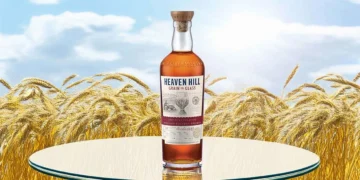
What does "premium" actually mean in the spirits world? - The Manual

The Importance of Distillation Techniques

While many grain spirits are perceived as simple or neutral, this doesn’t mean that their production process is without artistry or technique. The methods used to distill grain spirits vary widely, and the nuances of distillation can have a significant impact on the final product. The type of grain used, the distillation process, and the water quality all play a crucial role in determining the taste, texture, and overall profile of the spirit.

In vodka production, for instance, some of the finest vodkas are made from carefully selected grains, and the distillation process may involve multiple distillations to achieve the highest level of purity. Vodka produced this way may be more expensive, but it’s often still viewed as an everyday liquor rather than a luxurious indulgence.

Whiskey production from grains also offers room for experimentation and refinement. Bourbon, which must be made from at least 51% corn, often exhibits a distinct sweetness, but it is the aging process in oak barrels that adds complexity. Rye whiskey, on the other hand, has a spicier, more peppery character. Each type of grain used in whiskey-making can drastically alter the flavor profile, but since most grain-based whiskies don’t share the same aging process as Scotch, their depth is often undervalued in comparison.

Gin, though a grain spirit, is also often overlooked for the simple fact that it is so versatile in cocktails and often regarded as less “serious” than whiskey or rum. However, craft gin makers are showing how grains can be the foundation for something both unique and sophisticated, through the careful infusion of botanicals and innovative distillation techniques.

Marketing and Cultural Factors

Another factor contributing to the overlooked status of grain spirits in the world of fine liquor is marketing. Many premium spirits, such as aged Scotch whisky or luxury rum brands, benefit from decades of carefully constructed brands and rich cultural histories. Whisky distilleries in Scotland, for example, have cultivated a storied legacy, with many bottles commanding astronomical prices due to their rarity, age, and craftsmanship. Grain-based spirits, on the other hand, have often been marketed as more affordable and mass-produced, which can detract from their image as artisanal or fine products.

Bourbon whiskey, for instance, while incredibly popular in the United States, has historically been associated with a more down-to-earth, blue-collar image. It’s only in recent years that some of the smaller, more premium craft distilleries have started to shift this perception, with limited-edition bourbons and small-batch offerings drawing attention to the high-quality grain and distillation processes behind them.

Whisky versus Vodka: Bottle Barn Explains the Difference

Vodka, too, has had to overcome its reputation as a “party drink” or something consumed in large quantities rather than savored. High-end vodka brands are now attempting to reposition themselves as luxury items, with some distillers focusing on unique grains (such as rye, wheat, or spelt) or artisanal distillation methods to differentiate their products from the mass-market options.

The Untapped Potential of Grain Spirits

Despite their often-overlooked status, grain spirits have a massive amount of untapped potential in the fine liquor world. The beauty of these spirits lies in their versatility and adaptability, making them an ideal base for both classic and innovative cocktails. In recent years, many bartenders have begun to explore the flavor profiles of different grain spirits, experimenting with new ways to highlight their subtle characteristics.

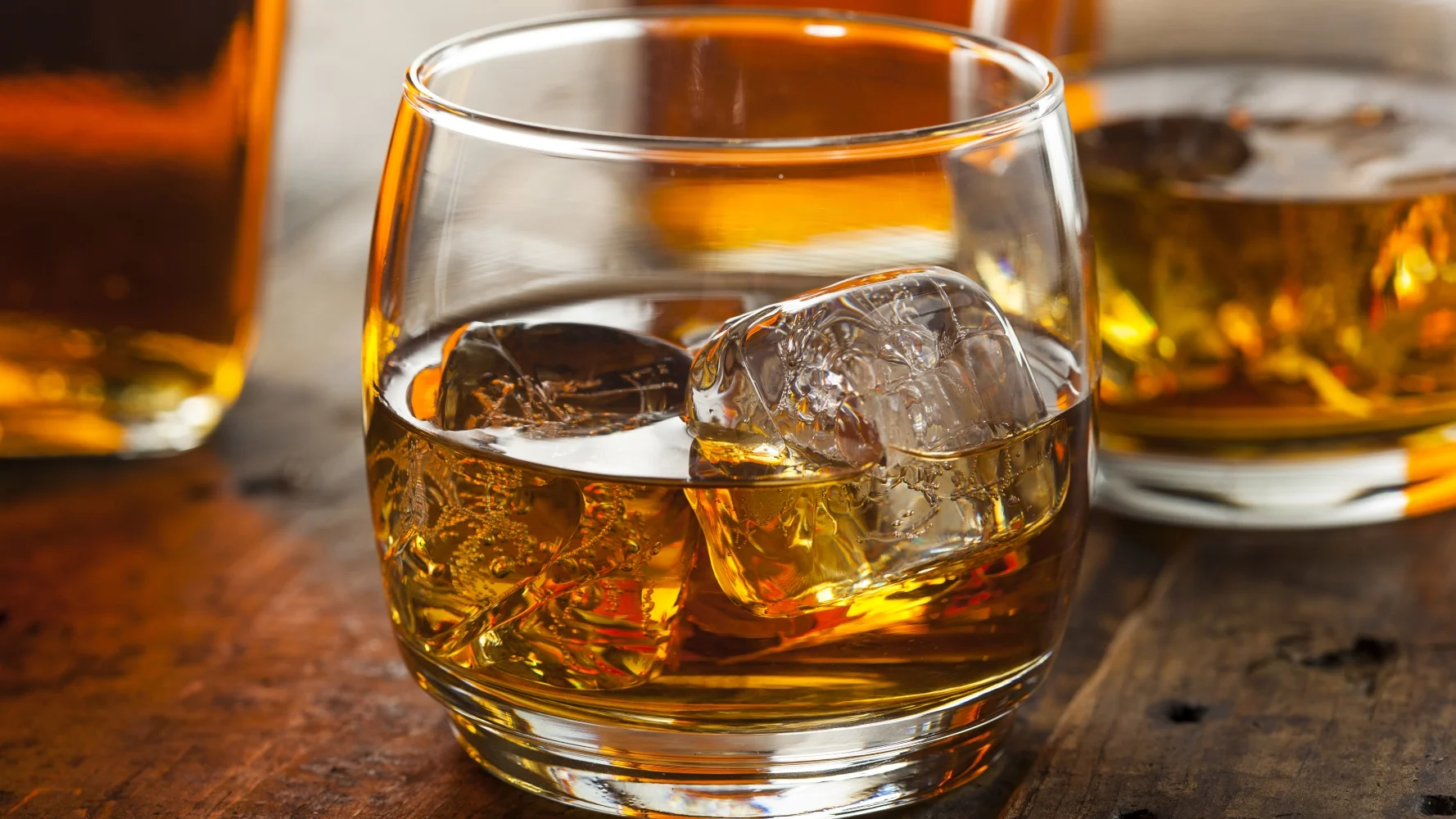
For instance, a well-made rye whiskey or bourbon can provide incredible depth when served neat or on the rocks, particularly when it’s made by a craft distillery that uses high-quality grains and focuses on the nuances of the distillation process. Similarly, artisanal vodka brands that focus on the purity and complexity of their spirits are starting to gain more attention, as consumers seek products that reflect quality over quantity.

Moreover, as the demand for craft spirits grows, it is likely that more grain-based spirits will emerge that challenge the norms of what is considered a “fine” liquor. With innovation, dedication to craftsmanship, and a deeper appreciation of grains and their potential, there is plenty of room for grain spirits to carve out their place among the world’s finest liquors.

Conclusion

While grain spirits may have long been overlooked in the world of fine liquor, their importance cannot be underestimated. From vodka and gin to bourbon and rye whiskey, grain-based spirits have a rich history and hold significant potential in the fine spirits world. The challenge lies in shifting perceptions—moving away from the notion of grain spirits as neutral or “simple” and instead focusing on their capacity for craftsmanship, innovation, and uniqueness.

With a growing appreciation for quality and artisanal production, grain spirits are slowly but surely earning the respect they deserve. As distillers continue to experiment with new techniques and grains, the possibilities for grain spirits in the world of fine liquor are only just beginning to be explored. So the next time you reach for a bottle of vodka or pour yourself a glass of bourbon, take a moment to appreciate the artistry behind it—because these grain-based spirits just might be the unsung heroes of the fine liquor world.


Tags: bourbongrain spiritsvodkawhiskey
ShareTweetShare

Related Posts

Can Beer Be an Effective Ingredient in Culinary Cooking?
ALL

Can Beer Be an Effective Ingredient in Culinary Cooking?

January 22, 2026
Second Fermentation in Champagne: Is It Really That Crucial?
ALL

Second Fermentation in Champagne: Is It Really That Crucial?

January 22, 2026
How Do Different Grains Impact the Flavor Profile of Distilled Spirits?
ALL

How Do Different Grains Impact the Flavor Profile of Distilled Spirits?

January 22, 2026
How Do Whiskey Master Blenders Create Perfection?
ALL

How Do Whiskey Master Blenders Create Perfection?

January 22, 2026
Wine Pairings: Can They Change the Flavor Profile of a Dish?
ALL

Wine Pairings: Can They Change the Flavor Profile of a Dish?

January 22, 2026
Beer the Ultimate Beverage for Pairing with Spicy Food?
ALL

Beer the Ultimate Beverage for Pairing with Spicy Food?

January 21, 2026
Leave Comment
  • Trending
  • Comments
  • Latest
What Hidden Craftsmanship Lies Behind a Bottle of Quality Grain Spirits?

What Hidden Craftsmanship Lies Behind a Bottle of Quality Grain Spirits?

July 3, 2025
How Is Champagne Made? The Secrets Behind the Sparkle

How Is Champagne Made? The Secrets Behind the Sparkle

April 15, 2025
Grain Spirits vs. Traditional Distilled Spirits: Which One Suits Your Taste?

Grain Spirits vs. Traditional Distilled Spirits: Which One Suits Your Taste?

July 3, 2025
Champagne Bubbles: How Do They Perfectly Convey Celebration, Joy, and Luxury?

Champagne Bubbles: How Do They Perfectly Convey Celebration, Joy, and Luxury?

July 2, 2025
The Timeless Elegance of Wine: A Journey Through History and Culture

The Timeless Elegance of Wine: A Journey Through History and Culture

Why Is Château Lafite Rothschild the Pinnacle of Fine Wine?

Why Is Château Lafite Rothschild the Pinnacle of Fine Wine?

How Did Château Lafite Rothschild Become a Global Icon of Luxury?

How Did Château Lafite Rothschild Become a Global Icon of Luxury?

What Makes Chateau Lafite Rothschild the Pinnacle of Bordeaux Wines?

What Makes Chateau Lafite Rothschild the Pinnacle of Bordeaux Wines?

Can Beer Be an Effective Ingredient in Culinary Cooking?

Can Beer Be an Effective Ingredient in Culinary Cooking?

January 22, 2026
Second Fermentation in Champagne: Is It Really That Crucial?

Second Fermentation in Champagne: Is It Really That Crucial?

January 22, 2026
How Do Different Grains Impact the Flavor Profile of Distilled Spirits?

How Do Different Grains Impact the Flavor Profile of Distilled Spirits?

January 22, 2026
How Do Whiskey Master Blenders Create Perfection?

How Do Whiskey Master Blenders Create Perfection?

January 22, 2026
SipsavorLife

Welcome to our comprehensive beverage guide, where you can explore the fascinating world of alcoholic drinks. From exquisite wines and rich whiskeys to refreshing beers and sparkling champagnes, we provide insights, tips, and recommendations for enthusiasts and casual drinkers alike. Discover your next favorite libation with us!

© 2025 sipsavorlife.com. contacts:sipsavorlife-35376@gmail.com

No Result
View All Result
  • Home
  • Wine
  • Whiskey
  • Beer
  • Grain Spirits
  • Champagne
  • ALL

© 2025 sipsavorlife.com. contacts:sipsavorlife-35376@gmail.com

Welcome Back!

Login to your account below

Forgotten Password?

Retrieve your password

Please enter your username or email address to reset your password.

Log In