


























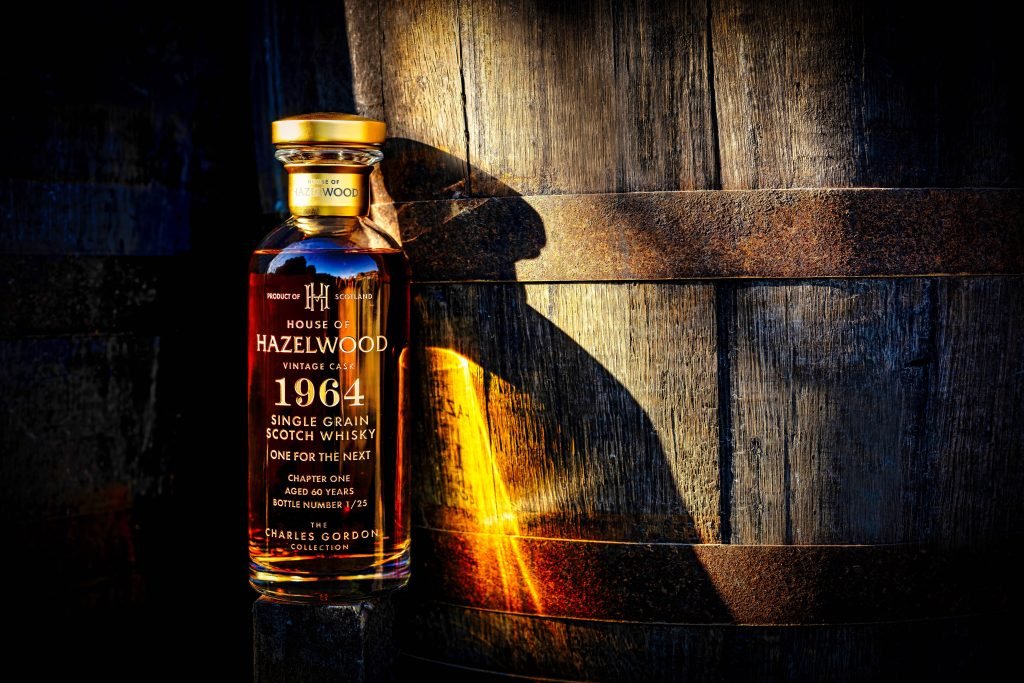
The world of distilled spirits is one often steeped in tradition, nostalgia, and the nearly sacred reverence for time-honored techniques. Within this universe, few debates provoke as much spirited discussion as the rivalry between grain spirits and malt-based counterparts. Whisky enthusiasts, bartenders, and casual drinkers alike frequently find themselves pondering: Can the humble grain spirit genuinely rival the more celebrated malt expression? Or is it forever destined to occupy the shadow of its malty cousin?
To answer this, we need to explore several dimensions: history, production methods, flavor development, market trends, and, perhaps most importantly, sensory experience. We also need to challenge a few long-held assumptions that have shaped the narrative for decades.
Understanding the Basics: Grain vs. Malt
At the heart of this debate lies a simple distinction: the source of the fermentable sugars. Malt whisky, traditionally derived from malted barley, undergoes a process that emphasizes enzymatic activity to convert starch into fermentable sugar. Grain spirits, on the other hand, often incorporate multiple grains—corn, wheat, rye, and unmalted barley—distilled in column stills rather than the pot stills favored for malt.
The choice of grains and distillation method has a profound effect on the spirit’s character. Malt whiskies tend to carry intense, complex flavors, often described as nutty, malty, or even floral. Grain spirits, by contrast, are lighter, cleaner, and more neutral—a blank canvas in which subtle aging or blending can introduce nuance.
The key question, then, isn’t simply whether one is “better” than the other; it’s whether the grain spirit has matured beyond the notion of being a supporting actor to stand confidently on its own.
The Historical Context
Grain spirits have long been seen as the utilitarian sibling of malt whiskies. In the 19th century, column distillation revolutionized spirit production by offering higher efficiency and a lighter spirit profile. This was a boon for commercial distillers, allowing for increased output without sacrificing consistency. In regions like Scotland and Ireland, grain whiskies were often used as blending components, softening the robust flavors of malt and creating a more approachable product for broader markets.
However, history also tells us that these “lighter” spirits weren’t necessarily inferior—they were simply different. In Japan, for example, the approach to grain spirits has always emphasized subtlety and balance, producing whiskies that can rival even the finest malt expressions in elegance and drinkability. Meanwhile, American bourbon, largely a corn-based grain spirit, has carved out an iconic identity, demonstrating that a grain foundation can indeed support complex, highly distinctive flavor profiles.
Production Techniques and Innovation
The production of grain spirits offers a different toolkit for innovation compared to malt. Column stills allow for continuous distillation, which extracts alcohol efficiently and at a higher proof. This produces a clean spirit that can highlight nuanced flavors introduced through cask maturation, blending, or creative cask finishes.
One significant advantage of grain spirits is flexibility. Where malt whiskies are tied to the singular characteristics of barley and pot stills, grain spirits can incorporate diverse cereal grains, yeast strains, and fermentation techniques. This opens a playground for experimentation—rye, wheat, and corn each bring distinct aromatic and textural qualities that a skilled distiller can exploit.

In recent years, distillers have embraced hybrid approaches, combining malt and grain components to push the envelope of flavor. Innovative barrel finishes, such as sherry, port, or even rum casks, can amplify subtle characteristics in grain spirits, allowing them to achieve complexity on par with malt whiskies.
Sensory Experience: Flavor Profiles and Palate Perception
Here lies the crux of the debate. Malt whiskies are celebrated for their rich, layered profiles: the caramelized grains, the roasted nuts, the hints of smoke or peat. Grain spirits, with their lighter body, are often perceived as lacking “character.” But is this truly a flaw, or simply a different kind of expression?
When approached correctly, grain spirits can deliver elegance, balance, and drinkability that malt whiskies sometimes struggle to achieve. Their lighter profile allows subtler notes—vanilla, citrus, or floral undertones—to shine. They are also more forgiving in cocktails, adapting without overpowering other ingredients.
A blind tasting often surprises even the most devoted malt enthusiasts. Properly aged grain whiskies exhibit layers of flavor that challenge assumptions about depth and complexity. The key lies in maturation strategy, cask selection, and blending skill, proving that character is not the sole domain of malt.
Aging: Where Grain Spirits Can Shine
A common critique of grain spirits is that they age “faster” than malts, potentially leading to a lack of complexity. But this perspective overlooks the potential for thoughtful maturation. Lighter grain spirits interact differently with wood, often absorbing subtle nuances from casks rather than being dominated by oak.
Distillers have increasingly explored creative aging techniques. Hybrid cask systems, finishing in fortified wine barrels, or utilizing multiple cask types sequentially can produce grain spirits with exceptional depth. Japanese and some Irish distilleries have shown that, given patience and precision, grain spirits can rival malts in elegance, balance, and aromatic sophistication.
Furthermore, because grain spirits are less congested with inherent flavor, they allow nuanced maturation effects to stand out more clearly, providing a unique tasting experience distinct from malts.
Blending and the Rise of Single Grain Expressions
For decades, the perception of grain whisky as a supporting actor held firm. Single grain whiskies were rare, often reserved for experimentation or blending. But the tide is shifting. Consumers are increasingly curious, adventurous, and willing to explore beyond the malt-heavy narratives.
Blending is another arena where grain spirits excel. In Scotland, for example, blended whiskies often rely on grain to smooth out intense malt profiles, creating a more versatile, approachable spirit. However, single grain releases are now capturing attention, demonstrating that grain can deliver a self-sufficient, expressive personality.
The modern palate appreciates finesse, drinkability, and subtle complexity—qualities where grain spirits often thrive. Distillers are embracing the opportunity, producing single grain bottlings that emphasize their unique characteristics rather than their supporting role.
Market Trends and Consumer Perception
Historically, marketing has framed grain spirits as secondary or utilitarian. This has begun to change, driven by both innovation and evolving consumer preferences. Younger consumers, in particular, are less beholden to tradition and more willing to explore lighter, nuanced, and cocktail-friendly spirits.
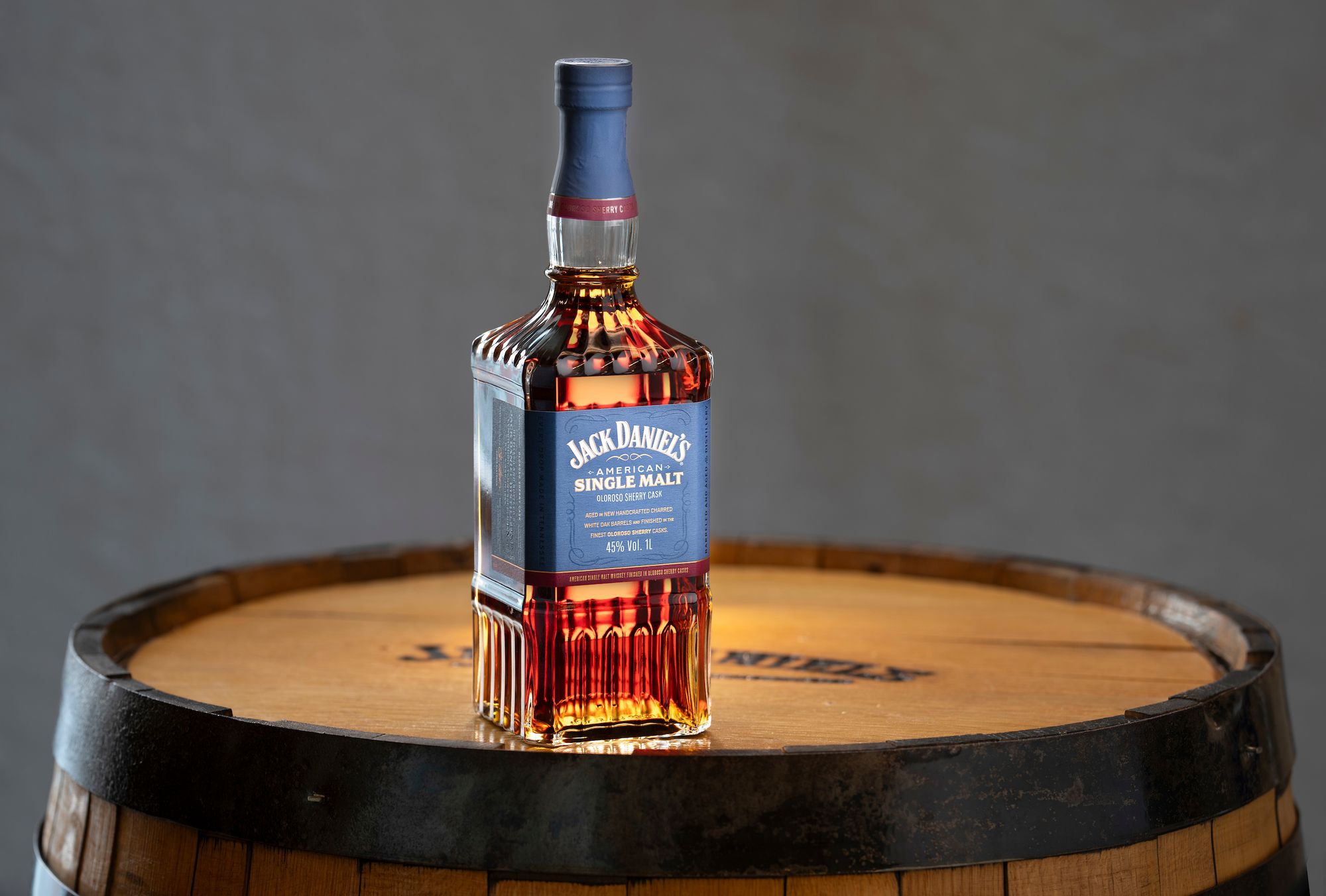
Grain whiskies are finding success as both premium single expressions and versatile blends. Distillers leverage storytelling, origin narratives, and aging techniques to position grain spirits as desirable in their own right. In some markets, single grain whiskies now command prices comparable to high-end malts, challenging the long-standing hierarchy in the spirits world.
Interestingly, the very qualities once deemed weaknesses—clean, subtle, adaptable—are now celebrated. Grain spirits’ lighter body allows for a broader range of sensory experiences, both neat and in mixed drinks, making them increasingly relevant in modern bars and high-end cocktail culture.
Comparing Flavor Depth: Misconceptions and Reality
A critical misperception is that malt whiskies inherently possess greater flavor depth. While malts are often richer and more robust, depth is not exclusively defined by intensity or maltiness. Grain spirits exhibit their own form of complexity—elegance, balance, and an ability to reveal layered flavors incrementally.
Blind tastings between single malts and single grains reveal surprising results. Skilled distillers manipulate grain composition, fermentation, and maturation to produce floral, fruity, nutty, or even lightly smoky notes. The perceived “simplicity” of grain whisky often reflects consumer expectations rather than intrinsic limitations.
Moreover, grain spirits’ lighter nature can make subtleties more noticeable. Where a heavily peated malt might overwhelm a taster, a finely aged grain whisky allows delicate flavors to emerge over time, rewarding patience and attention.
Regional Perspectives: Scotland, Ireland, Japan, and Beyond
Scotland has long defined the global understanding of whisky, with malt at the forefront. However, Scottish distillers are increasingly embracing single grain bottlings, especially from regions like the Lowlands, producing expressions that rival malts in sophistication.
Ireland’s grain whiskies often utilize unmalted barley and corn, delivering approachable, smooth spirits that complement their more robust malt counterparts. Japanese distilleries, unbound by tradition, frequently champion single grain expressions, focusing on balance, subtlety, and finesse—qualities that have garnered international acclaim.
In the United States, bourbon exemplifies the grain spirit’s capacity for character and complexity. Predominantly corn-based, it showcases rich vanilla, caramel, and spice notes, demonstrating that grain foundations can yield both power and elegance.
The Role of Grain Spirits in Modern Cocktails
One area where grain spirits arguably surpass malts is in mixology. The neutral, light profile of grain whisky allows it to adapt to diverse flavor environments without overwhelming other ingredients. Classic cocktails, from a refined Manhattan to a contemporary whiskey sour, benefit from grain’s versatility.
Bartenders appreciate grain spirits for this flexibility, as subtle aromatic notes can enhance rather than dominate. In contrast, heavily peated or intensely flavored malts can dictate the cocktail’s character, limiting creative possibilities. Grain whiskies, therefore, play a critical role in the evolution of cocktail culture, balancing sophistication with accessibility.
Innovation, Experimentation, and the Future
The future of grain spirits is tied to experimentation. Distillers are exploring novel grains, hybrid fermentation techniques, and innovative maturation processes. The resurgence of single grain releases, combined with adventurous cask finishes and cross-cultural techniques, signals a shift in perception: grain can stand on its own, not just support malt.
Craft distillers are particularly important in this evolution. Free from the constraints of mass production, they can experiment with unusual cereal grains, micro-distillation, and creative cask strategies. These innovations are helping grain spirits claim a distinct identity rather than being judged solely in comparison to malt.
Conclusion: A Rivalry Redefined
So, can grain spirits truly rival malt counterparts? The answer is nuanced but increasingly affirmative. While malt whiskies offer tradition, intensity, and iconic flavor, grain spirits provide elegance, subtlety, and versatility. The two are not enemies but different interpretations of what a whisky—or any distilled spirit—can be.
Grain spirits are no longer merely background actors; they are protagonists in their own right, capable of delivering complexity, sophistication, and unique sensory experiences. The evolving market, innovative production techniques, and adventurous consumer palates are finally giving them the stage they deserve.
Ultimately, the question isn’t about superiority; it’s about choice. For enthusiasts, connoisseurs, and curious explorers, grain spirits offer an exciting landscape of flavor, innovation, and refinement. They invite us to rethink assumptions, celebrate diversity, and savor the unexpected—proving that, in the world of distilled spirits, rivalry can coexist with respect, and perhaps even friendship.