






























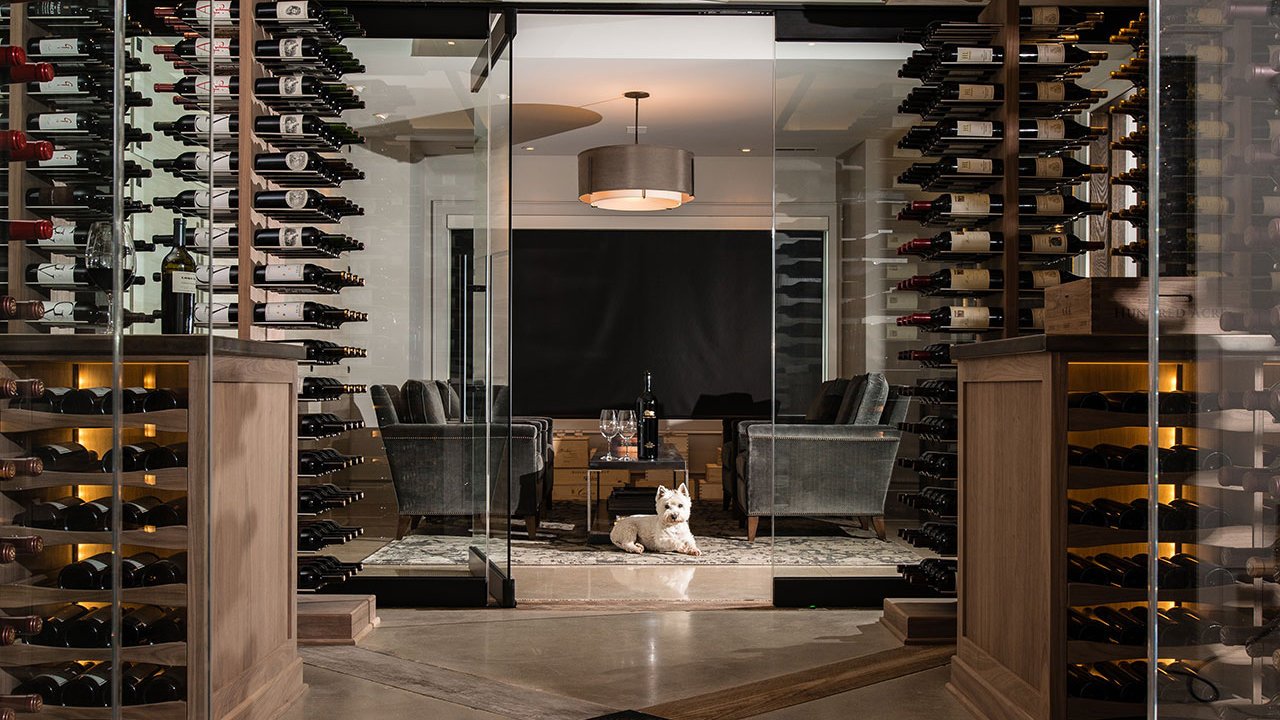
When you think of aged wine, the mental image is often that of a dusty bottle resting quietly in a dark cellar for decades, gradually transforming into a liquid masterpiece. Popular culture has made aging synonymous with sophistication: the older the wine, the better it must be. But is that really true? Is wine aging really just about time? As it turns out, wine is a far more complex companion than a simple chronological traveler. The journey from grape to glass involves a labyrinth of chemistry, artistry, and environmental influences, and understanding aging is about appreciating these layers, not merely counting the years.
The Myth of “Older is Better”
Many people buy wine with the expectation that longevity guarantees quality. Wine labels, marketing campaigns, and even fine dining culture have reinforced this notion. However, wine does not possess a uniform aging potential. While some wines improve with decades of patience, others peak in months or a few years. A delicate Riesling might reach its best expression after five to ten years, whereas a robust Bordeaux could take twenty or more years to reveal its full complexity. Time alone cannot convert an unbalanced or poorly made wine into a triumph; the initial quality and composition of the wine dictate whether it can age gracefully at all.
The idea that “aging is everything” ignores the role of intrinsic structure: acidity, tannin, sugar, alcohol, and flavor compounds all interact to create a wine’s potential. In short, aging is not magic—it is chemistry in motion, moderated by human choices and environmental conditions.
The Chemistry Behind Aging
Wine is a living chemical ecosystem, even after bottling. When grapes are harvested, fermented, and bottled, a wine contains acids, sugars, alcohol, tannins, phenolic compounds, and a myriad of aromatic molecules. Aging triggers slow chemical reactions that transform these compounds over time. Some key reactions include:
- Polymerization of Tannins: In red wines, tannins—bitter, astringent compounds from grape skins and seeds—gradually polymerize, forming longer chains. This process softens the wine’s mouthfeel, reducing harshness and creating a smoother texture.
- Acid Evolution: Acidity is the backbone of a wine’s structure. As wine ages, acids slowly interact with alcohol and other molecules, stabilizing flavors and providing a sense of balance.
- Oxidation: A controlled, minimal exposure to oxygen can help wine develop complexity. Oxygen slowly reacts with phenolic compounds, transforming vibrant fruity flavors into deeper, nuttier, or spicier notes. Too much oxygen, however, results in spoilage.
- Aromatic Development: Primary fruit flavors fade while secondary and tertiary aromas emerge. Floral notes can give way to honey, leather, tobacco, or earthy nuances. Aging is often about the subtle interplay between fading and evolving aromas, not the mere passage of years.
The pace of these chemical reactions is influenced by storage conditions, grape variety, winemaking techniques, and bottle closure. Time sets the stage, but chemistry writes the script.
Grapes, Terroir, and Structure: The True Architects
Not all wines are created equal when it comes to aging potential. Structure is everything. Red wines with high tannins, firm acidity, and concentrated fruit, such as Cabernet Sauvignon or Nebbiolo, are naturally predisposed to long aging. White wines, traditionally perceived as ephemeral, can also develop remarkable complexity when acidity is high, as with Riesling or Chardonnay from certain regions.
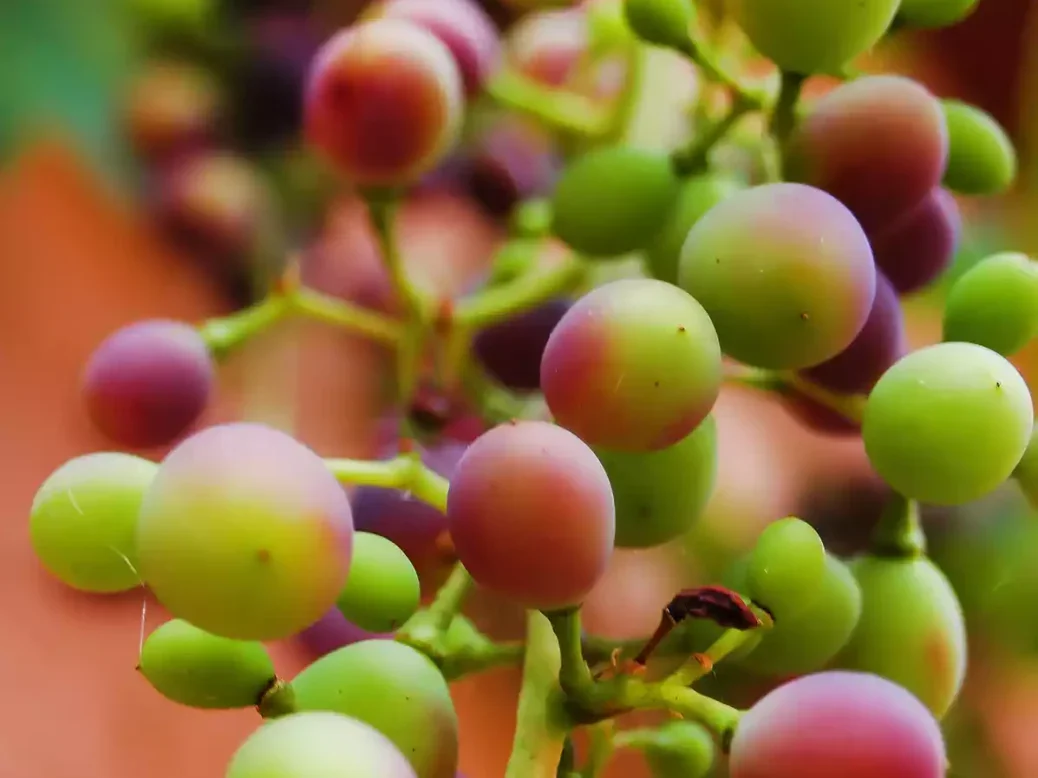
Terroir—the combination of soil, climate, topography, and vineyard practices—plays a critical role. Grapes grown in cool climates often develop higher acidity and firmer tannins, providing a backbone for slow evolution. In warmer regions, grapes can become overripe, producing wines with softer acids and lower aging potential. Even within a single vineyard, microclimates can produce wines that age at different rates.
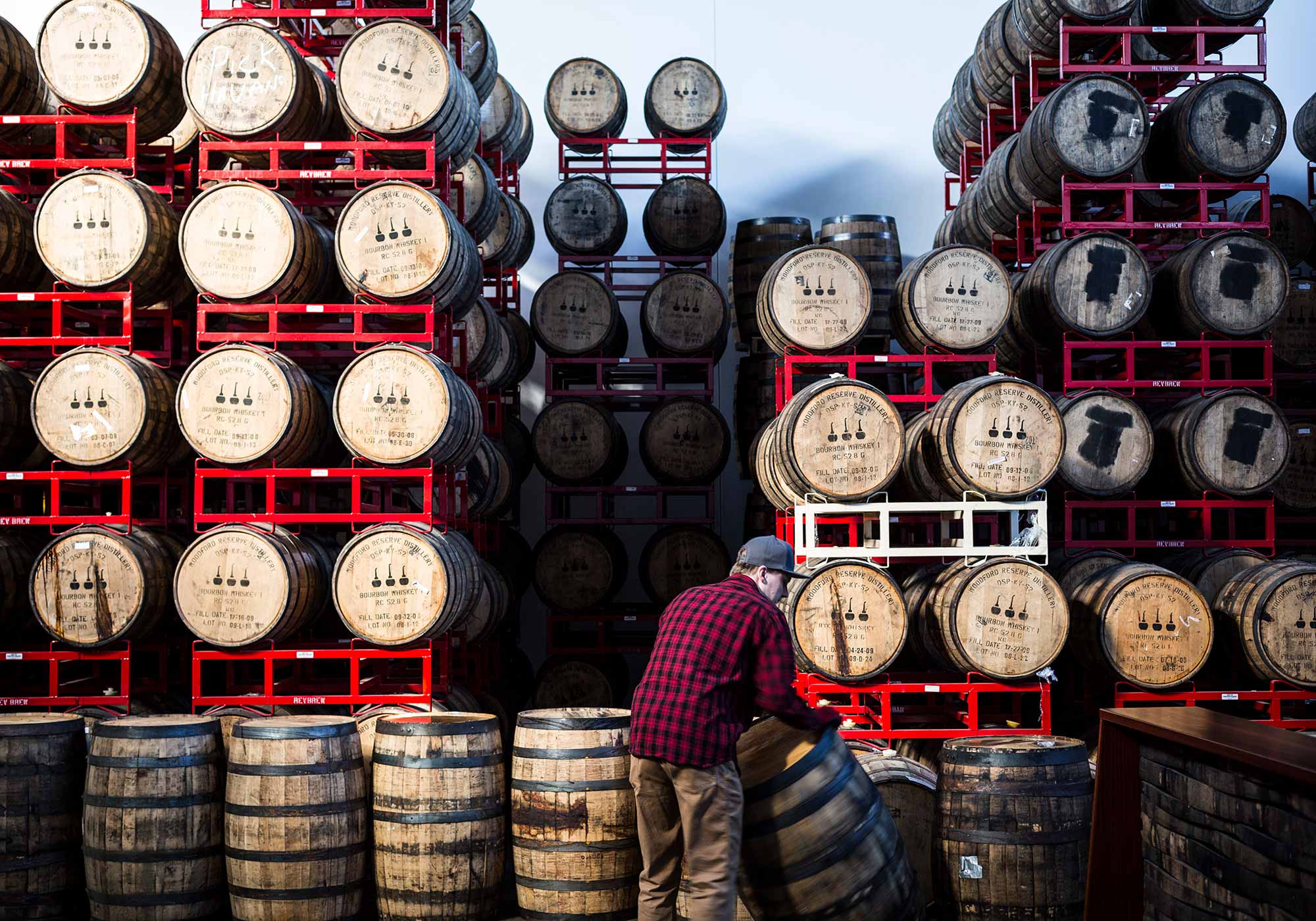
Winemaking choices are equally decisive. Oak aging, malolactic fermentation, lees stirring, and careful blending can enhance a wine’s structure, increasing its ability to evolve gracefully over time. In short, time cannot compensate for structural deficiencies; it simply accentuates the wine’s inherent character.
Bottle Closures and Storage Conditions
Once bottled, wine enters a new chapter of its life, but the outcome depends heavily on its environment. Temperature fluctuations, light exposure, vibration, and humidity all affect aging. Ideal storage conditions are cool (around 12–14°C or 53–57°F), dark, and stable. Even small deviations can accelerate or derail chemical reactions, prematurely aging a wine or causing spoilage.
Bottle closures—corks versus screw caps versus synthetic stoppers—also influence oxygen ingress. Traditional corks allow minuscule amounts of oxygen to interact with the wine over decades, facilitating subtle evolution. Screw caps provide a tighter seal, slowing oxidation, which may preserve freshness but limit certain tertiary developments. The “best” closure depends on the style of wine and the desired aging profile.
Time as a Relative Concept
When we speak of aging, we must acknowledge that the perception of time is relative. A ten-year-old Chardonnay from a cool-climate Burgundy may taste more complex than a twenty-year-old California Cabernet if its balance, acidity, and fruit integration are superior. Similarly, a wine that is perfectly mature today may decline tomorrow. In this sense, aging is less about an absolute clock and more about reaching the ideal moment of expression.
Interestingly, consumer expectations can shape how we view aged wine. Many wine enthusiasts describe “maturity” as depth, subtlety, and harmony—qualities that cannot be quantified solely in years. A wine can achieve this balance rapidly if it is well-crafted, or it may never reach it despite decades in the bottle. Time is a facilitator, not a guarantor.
The Psychology of Patience
Why do people invest in aging wine? Part of it is anticipation. The act of storing wine becomes a ritual of hope and curiosity. Open a bottle too early, and you may feel disappointment; wait too long, and you risk missing its peak. There is a certain psychological satisfaction in seeing a wine evolve alongside life’s milestones—birthdays, anniversaries, or celebrations become entwined with the wine’s temporal journey.
Yet this waiting game has a paradoxical aspect. Wine aging is both about letting go and exercising control. While time is an external factor, human stewardship—storage, monitoring, and timing—determines whether patience will be rewarded. Aging is, therefore, a partnership between nature, chemistry, and human attention.
Misconceptions About Aging Potential
Many myths surround aging. One common misunderstanding is that all high-alcohol or heavily oaked wines age well. While structure is essential, excessive alcohol or overdone oak can mask flavors, making the wine heavy and less likely to evolve harmoniously.
Another misconception is that vintage alone dictates aging. Exceptional vintages do tend to produce wines with greater longevity, but vintage is only one variable. Soil health, grape selection, and vineyard management often play equally crucial roles.
Aging also does not make a flawed wine good. A wine with poor balance, oxidation, or underdeveloped structure will not benefit from time; it will simply deteriorate more slowly. Good wine can become great with patience, but bad wine cannot escape its flaws.
Tasting Aged Wines: What to Expect
For those fortunate enough to experience aged wines, the evolution can be mesmerizing. Color often shifts—reds may deepen to garnet or brick, while whites may turn golden or amber. Aromas transform, revealing layers that were invisible in youth. Textures soften, flavors integrate, and the wine often feels more cohesive.
However, aging is not about nostalgia or complexity alone. It is about balance. The most celebrated aged wines achieve harmony between fruit, acidity, tannins, and tertiary flavors. They tell a story of both the vineyard and the bottle, bridging time in a way few other beverages can.
Practical Guidance: Should You Age Your Wine?
Not every bottle is destined for long-term storage. Practical tips include:
- Know the wine type: Reds with high tannin and acidity, full-bodied whites, and sweet dessert wines are generally age-worthy. Light-bodied wines, inexpensive blends, or wines meant for early drinking are best enjoyed young.
- Evaluate structure: Wines with concentrated fruit, firm acidity, and balanced alcohol have the best aging potential.
- Consider closure: Corks are traditional for long aging, screw caps for freshness preservation.
- Monitor storage conditions: Maintain a cool, dark, stable environment. Avoid temperature swings and light exposure.
- Track the vintage: Exceptional vintages can extend aging potential, but only if the wine is structurally sound.
For most casual consumers, moderate aging—five to ten years for robust reds or three to five years for whites—is sufficient to appreciate complexity without risking spoilage.
Aging in the Modern Wine World
Modern winemaking has introduced innovations that challenge traditional aging assumptions. Temperature-controlled fermentation, precise oak integration, and improved bottling techniques have allowed wines to reach drinkable complexity faster, making some “traditional” aging timelines less relevant.
Conversely, there is a renewed appreciation for naturally aged wines, minimal intervention styles, and the expression of terroir over time. Collectors and enthusiasts increasingly view aging as a dialogue rather than a countdown—a dynamic interplay of grape, vintage, human craft, and temporal patience.
In essence, wine aging is both art and science. Time provides the canvas, but chemistry, terroir, structure, and human intervention paint the masterpiece. To think of aging purely as a matter of years is to miss the nuance of what happens in each bottle: an evolving symphony of flavor, aroma, and texture that tells a story far richer than a simple number on a calendar.
Conclusion: Aging is More Than Time
So, is wine aging really just about time? The answer is emphatically no. Time is a component, a necessary medium through which chemical, sensory, and human factors interact. Aging transforms wine, but only if the wine is capable of transformation. Structure, terroir, winemaking, storage, and timing all converge to determine whether a bottle blossoms, stagnates, or fades.
Understanding wine aging requires curiosity, patience, and respect for the delicate chemistry at play. It is an invitation to witness change, to savor evolution, and to appreciate that the passage of time, while essential, is only one part of the journey.
In the end, wine teaches us that time alone is insufficient; it is the interplay of nature, science, and care that creates a truly memorable sip. And perhaps that is the greatest lesson of all: aging, like life itself, is not just about waiting—it is about what happens while we wait.










