







SipsavorLife
  • Home
  • Wine
    Wine Pairings: Can They Change the Flavor Profile of a Dish?

    Wine Pairings: Can They Change the Flavor Profile of a Dish?

    How Do Wine Glasses Influence the Tasting Experience?

    How Do Wine Glasses Influence the Tasting Experience?

    Is Organic Wine Healthier Than Conventional Wine?

    Is Organic Wine Healthier Than Conventional Wine?

    Why Do Some Wines Taste Better from Specific Vintages?

    Why Do Some Wines Taste Better from Specific Vintages?

    Wine Tasting: Can It Truly Be an Art Form?

    Wine Tasting: Can It Truly Be an Art Form?

    What Does Terroir Actually Mean for Your Wine?

    What Does Terroir Actually Mean for Your Wine?

  • Whiskey
    Can Beer Be an Effective Ingredient in Culinary Cooking?

    Can Beer Be an Effective Ingredient in Culinary Cooking?

    Second Fermentation in Champagne: Is It Really That Crucial?

    Second Fermentation in Champagne: Is It Really That Crucial?

    How Do Different Grains Impact the Flavor Profile of Distilled Spirits?

    How Do Different Grains Impact the Flavor Profile of Distilled Spirits?

    How Do Whiskey Master Blenders Create Perfection?

    How Do Whiskey Master Blenders Create Perfection?

    Wine Pairings: Can They Change the Flavor Profile of a Dish?

    Wine Pairings: Can They Change the Flavor Profile of a Dish?

    Beer the Ultimate Beverage for Pairing with Spicy Food?

    Beer the Ultimate Beverage for Pairing with Spicy Food?

  • Beer
    Can Beer Be an Effective Ingredient in Culinary Cooking?

    Can Beer Be an Effective Ingredient in Culinary Cooking?

    Beer the Ultimate Beverage for Pairing with Spicy Food?

    Beer the Ultimate Beverage for Pairing with Spicy Food?

    How Did Ancient Civilizations Brew Beer Without Modern Technology?

    How Did Ancient Civilizations Brew Beer Without Modern Technology?

    Is It Possible to Brew a Beer with No Alcohol and No Compromise on Taste?

    Is It Possible to Brew a Beer with No Alcohol and No Compromise on Taste?

    Why Does Beer Taste Different at High Altitudes?

    Why Does Beer Taste Different at High Altitudes?

    Is Hops the Secret Ingredient Behind Beer’s Bold Flavor?

    Is Hops the Secret Ingredient Behind Beer’s Bold Flavor?

  • Grain Spirits
    How Do Different Grains Impact the Flavor Profile of Distilled Spirits?

    How Do Different Grains Impact the Flavor Profile of Distilled Spirits?

    Grain Spirits the Unsung Heroes of Modern Mixology

    Grain Spirits the Unsung Heroes of Modern Mixology

    What Makes Grain-Based Whiskey So Different from Its Peated Cousins?

    What Makes Grain-Based Whiskey So Different from Its Peated Cousins?

    Grain Spirits: Could They Be the Next Big Trend in Craft Cocktails?

    Grain Spirits: Could They Be the Next Big Trend in Craft Cocktails?

    Why Are Grain Spirits Often Overlooked in the World of Fine Liquor?

    Why Are Grain Spirits Often Overlooked in the World of Fine Liquor?

    Is There a Secret Art to Distilling Grain Spirits?

    Is There a Secret Art to Distilling Grain Spirits?

  • Champagne
    Second Fermentation in Champagne: Is It Really That Crucial?

    Second Fermentation in Champagne: Is It Really That Crucial?

    The Science Behind the ‘Bubble Size’ in Champagne

    The Science Behind the ‘Bubble Size’ in Champagne

    Why Do Some Champagnes Use a High Proportion of Pinot Meunier?

    Why Do Some Champagnes Use a High Proportion of Pinot Meunier?

    Role of Terroir in Champagne Production

    Role of Terroir in Champagne Production

    Champagne Can Be Aged in Wood?

    Champagne Can Be Aged in Wood?

    Is There a Difference Between Blanc de Blancs and Blanc de Noirs Champagne?

    Is There a Difference Between Blanc de Blancs and Blanc de Noirs Champagne?

  • ALL
    Can Beer Be an Effective Ingredient in Culinary Cooking?

    Can Beer Be an Effective Ingredient in Culinary Cooking?

    Second Fermentation in Champagne: Is It Really That Crucial?

    Second Fermentation in Champagne: Is It Really That Crucial?

    How Do Different Grains Impact the Flavor Profile of Distilled Spirits?

    How Do Different Grains Impact the Flavor Profile of Distilled Spirits?

    How Do Whiskey Master Blenders Create Perfection?

    How Do Whiskey Master Blenders Create Perfection?

    Wine Pairings: Can They Change the Flavor Profile of a Dish?

    Wine Pairings: Can They Change the Flavor Profile of a Dish?

    Beer the Ultimate Beverage for Pairing with Spicy Food?

    Beer the Ultimate Beverage for Pairing with Spicy Food?

SipsavorLife
  • Home
  • Wine
    Wine Pairings: Can They Change the Flavor Profile of a Dish?

    Wine Pairings: Can They Change the Flavor Profile of a Dish?

    How Do Wine Glasses Influence the Tasting Experience?

    How Do Wine Glasses Influence the Tasting Experience?

    Is Organic Wine Healthier Than Conventional Wine?

    Is Organic Wine Healthier Than Conventional Wine?

    Why Do Some Wines Taste Better from Specific Vintages?

    Why Do Some Wines Taste Better from Specific Vintages?

    Wine Tasting: Can It Truly Be an Art Form?

    Wine Tasting: Can It Truly Be an Art Form?

    What Does Terroir Actually Mean for Your Wine?

    What Does Terroir Actually Mean for Your Wine?

  • Whiskey
    Can Beer Be an Effective Ingredient in Culinary Cooking?

    Can Beer Be an Effective Ingredient in Culinary Cooking?

    Second Fermentation in Champagne: Is It Really That Crucial?

    Second Fermentation in Champagne: Is It Really That Crucial?

    How Do Different Grains Impact the Flavor Profile of Distilled Spirits?

    How Do Different Grains Impact the Flavor Profile of Distilled Spirits?

    How Do Whiskey Master Blenders Create Perfection?

    How Do Whiskey Master Blenders Create Perfection?

    Wine Pairings: Can They Change the Flavor Profile of a Dish?

    Wine Pairings: Can They Change the Flavor Profile of a Dish?

    Beer the Ultimate Beverage for Pairing with Spicy Food?

    Beer the Ultimate Beverage for Pairing with Spicy Food?

  • Beer
    Can Beer Be an Effective Ingredient in Culinary Cooking?

    Can Beer Be an Effective Ingredient in Culinary Cooking?

    Beer the Ultimate Beverage for Pairing with Spicy Food?

    Beer the Ultimate Beverage for Pairing with Spicy Food?

    How Did Ancient Civilizations Brew Beer Without Modern Technology?

    How Did Ancient Civilizations Brew Beer Without Modern Technology?

    Is It Possible to Brew a Beer with No Alcohol and No Compromise on Taste?

    Is It Possible to Brew a Beer with No Alcohol and No Compromise on Taste?

    Why Does Beer Taste Different at High Altitudes?

    Why Does Beer Taste Different at High Altitudes?

    Is Hops the Secret Ingredient Behind Beer’s Bold Flavor?

    Is Hops the Secret Ingredient Behind Beer’s Bold Flavor?

  • Grain Spirits
    How Do Different Grains Impact the Flavor Profile of Distilled Spirits?

    How Do Different Grains Impact the Flavor Profile of Distilled Spirits?

    Grain Spirits the Unsung Heroes of Modern Mixology

    Grain Spirits the Unsung Heroes of Modern Mixology

    What Makes Grain-Based Whiskey So Different from Its Peated Cousins?

    What Makes Grain-Based Whiskey So Different from Its Peated Cousins?

    Grain Spirits: Could They Be the Next Big Trend in Craft Cocktails?

    Grain Spirits: Could They Be the Next Big Trend in Craft Cocktails?

    Why Are Grain Spirits Often Overlooked in the World of Fine Liquor?

    Why Are Grain Spirits Often Overlooked in the World of Fine Liquor?

    Is There a Secret Art to Distilling Grain Spirits?

    Is There a Secret Art to Distilling Grain Spirits?

  • Champagne
    Second Fermentation in Champagne: Is It Really That Crucial?

    Second Fermentation in Champagne: Is It Really That Crucial?

    The Science Behind the ‘Bubble Size’ in Champagne

    The Science Behind the ‘Bubble Size’ in Champagne

    Why Do Some Champagnes Use a High Proportion of Pinot Meunier?

    Why Do Some Champagnes Use a High Proportion of Pinot Meunier?

    Role of Terroir in Champagne Production

    Role of Terroir in Champagne Production

    Champagne Can Be Aged in Wood?

    Champagne Can Be Aged in Wood?

    Is There a Difference Between Blanc de Blancs and Blanc de Noirs Champagne?

    Is There a Difference Between Blanc de Blancs and Blanc de Noirs Champagne?

  • ALL
    Can Beer Be an Effective Ingredient in Culinary Cooking?

    Can Beer Be an Effective Ingredient in Culinary Cooking?

    Second Fermentation in Champagne: Is It Really That Crucial?

    Second Fermentation in Champagne: Is It Really That Crucial?

    How Do Different Grains Impact the Flavor Profile of Distilled Spirits?

    How Do Different Grains Impact the Flavor Profile of Distilled Spirits?

    How Do Whiskey Master Blenders Create Perfection?

    How Do Whiskey Master Blenders Create Perfection?

    Wine Pairings: Can They Change the Flavor Profile of a Dish?

    Wine Pairings: Can They Change the Flavor Profile of a Dish?

    Beer the Ultimate Beverage for Pairing with Spicy Food?

    Beer the Ultimate Beverage for Pairing with Spicy Food?

SipsavorLife
No Result
View All Result
Home ALL

Can Distillery Microbes Shape Whiskey Flavor?

January 13, 2026
in ALL, Whiskey
Can Distillery Microbes Shape Whiskey Flavor?

Whiskey, often referred to as “liquid gold,” is a drink of centuries-old tradition, celebrated for its deep, rich flavors and complex profiles. But have you ever wondered what really gives whiskey its distinctive taste? Sure, aging in barrels, grain selection, and distillation methods all play a role, but there’s another often overlooked factor in the equation—microbes. Yes, those tiny, invisible organisms—such as yeasts, bacteria, and fungi—have a profound influence on the flavor development of whiskey.

In this article, we will dive deep into the fascinating world of distillery microbes and explore how they shape whiskey’s flavor, aroma, and overall profile. From fermentation to maturation, microbes are essential players in the whiskey-making process, and their role in influencing flavor is often more significant than one might think. So, grab a glass of your favorite dram, and let’s embark on this microbial journey.

Microbes in Whiskey Production: The Unsung Heroes

1. The Role of Yeast in Fermentation

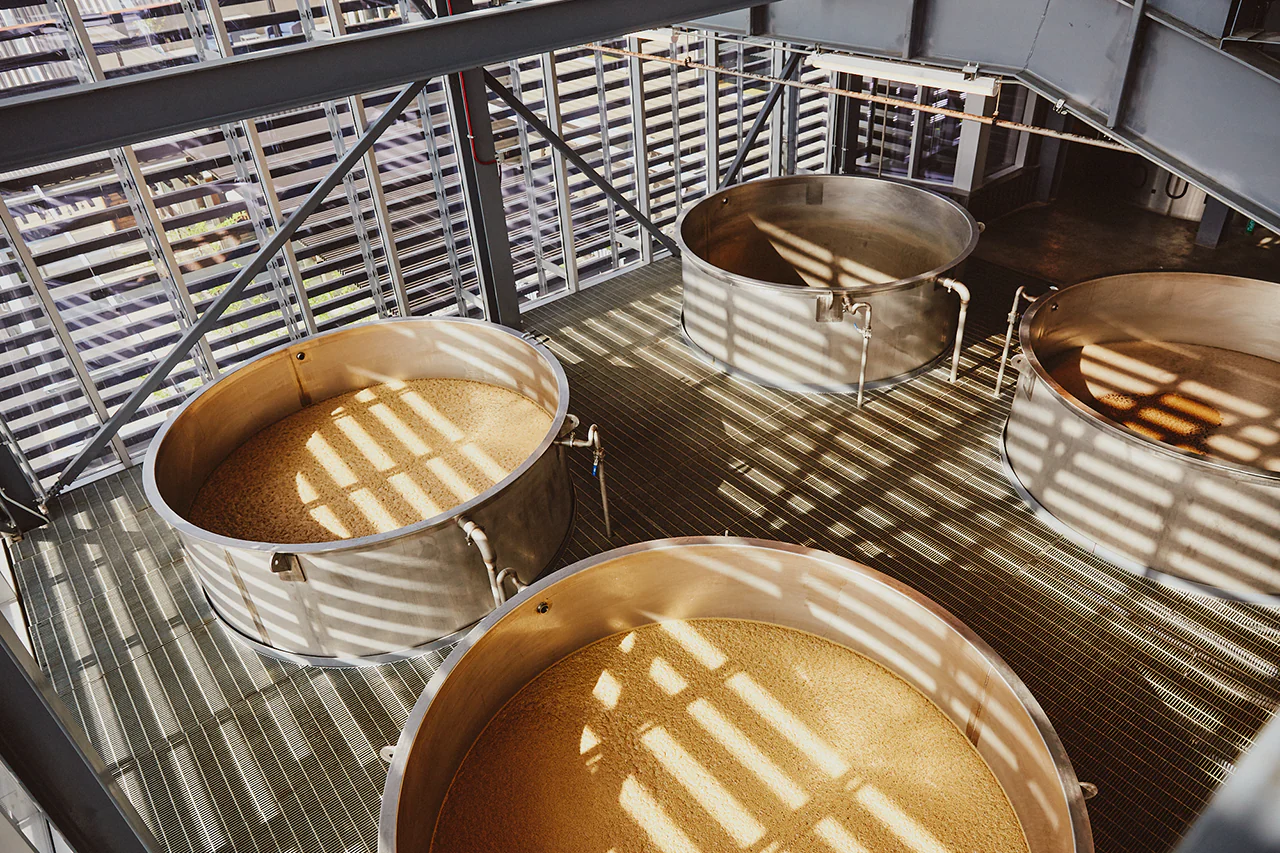
At the heart of any whiskey production is fermentation, the process where sugars in grains are converted into alcohol by the action of yeast. While many distillers may focus on the selection of grains (corn, barley, rye, etc.) or the design of their stills, the type of yeast used is just as crucial.

Yeast is a living organism, and there are many strains to choose from—each with its own characteristics. Brewer’s yeast, wild yeasts, and even strains specifically cultivated for distilling can all impart unique flavors. Some yeasts produce fruity, estery notes, while others may add a spicy or even a floral character to the final product. For example, Saccharomyces cerevisiae, the most commonly used distillery yeast, is known for its clean fermentation, but a more wild yeast strain may result in a more complex, funky profile. Distillers often experiment with different yeast strains to enhance or fine-tune the flavor of their whiskey.

The fermentation process doesn’t just produce alcohol; it creates a multitude of other compounds—such as aldehydes, esters, phenols, and fatty acids—that can influence the whiskey’s flavor. These compounds, often developed in small quantities, interact with other components of the whiskey, such as the wood used for aging, giving each bottle its distinctive character.

2. Lactobacillus and Other Bacteria: A Hidden Layer of Flavor

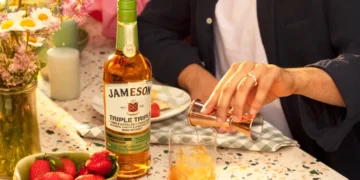
Brewer's x Distiller's Yeast | Holyrood Distillery

While yeast may be the most well-known microbe in the fermentation process, bacteria also play a key role, particularly during the early stages. Lactic acid bacteria, such as Lactobacillus species, thrive in the warm, sugary environment of the mash and can contribute significantly to the flavor profile of whiskey. These bacteria convert sugars into lactic acid, which can add a tangy, sour element to the whiskey, somewhat similar to the sour notes found in some craft beers and sourdough bread.

In some distilleries, this “wild fermentation” is intentionally encouraged, allowing native bacteria to flourish alongside the yeast. This can result in complex, layered flavors that give the whiskey a unique terroir—flavors tied to the specific location and conditions of the distillery. Some distillers even go so far as to cultivate and propagate specific bacterial cultures, crafting a signature style that can only be replicated by them.

3. Fungi and Molds: A Flavorful Sidekick

While not as common in whiskey-making as yeast and bacteria, fungi and molds can also influence whiskey’s flavor profile—particularly during the maturation process. The barrel-aging process is often where the most complex microbial activity occurs. The wood of the barrel, whether it’s oak, cherry, or another type of wood, provides an environment for fungi and molds to take root, especially in the humid, fluctuating conditions of many distilleries.

These fungi can contribute subtle flavors to the whiskey, often enhancing the earthy, woody, or smoky notes derived from the charred barrel staves. In some cases, molds can even help break down certain compounds in the wood, allowing for more interaction between the whiskey and the wood itself. Over time, this process adds depth and complexity to the whiskey’s flavor profile.

4. Wild Fermentation vs. Cultivated Strains: A Taste of Tradition

The choice between wild fermentation and using carefully cultivated yeast strains is a matter of tradition and preference in whiskey-making. Wild fermentation, which embraces the natural microbes present in the environment, can result in a whiskey that has an unpredictable and unique flavor. This method can lead to the development of rare and complex flavors, but it’s also more risky, as it depends on the right conditions for the right microbes to thrive.

On the other hand, many distilleries opt for controlled fermentation with specific yeast strains to ensure consistency and reliability in their product. While this approach can result in a more predictable flavor, it also allows distillers to tailor the flavor profile of their whiskey more precisely. Some distilleries even employ proprietary yeast strains, ensuring their product tastes distinct and unique.

5. Microbial Diversity: Terroir and Regional Influence

Just as the terroir (the environment in which the raw materials are grown) influences the flavor of wine, the same concept applies to whiskey. The microbes in a distillery—both those cultivated intentionally and those naturally occurring—are deeply influenced by the local environment. Temperature, humidity, and even the presence of specific plant species or wild yeasts in the area all contribute to a distillery’s microbial ecosystem.
Speeding Up the Whiskey Aging Process With Artificial Techniques

For example, a whiskey distilled in Scotland’s cool, damp climate may have different microbial influences than one distilled in the dry, hot air of Kentucky. In fact, some distillers are starting to experiment with the idea of “microbial terroir,” intentionally fostering specific microbial communities in their fermentation tanks to create a whiskey that expresses the local environment. This practice is still in its early stages, but it could result in a new wave of whiskey flavors that are deeply tied to their place of origin.

Microbes and Whiskey Aging: The Barrel Connection

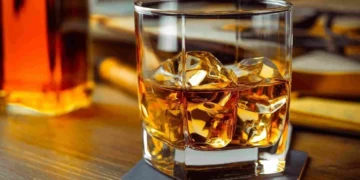
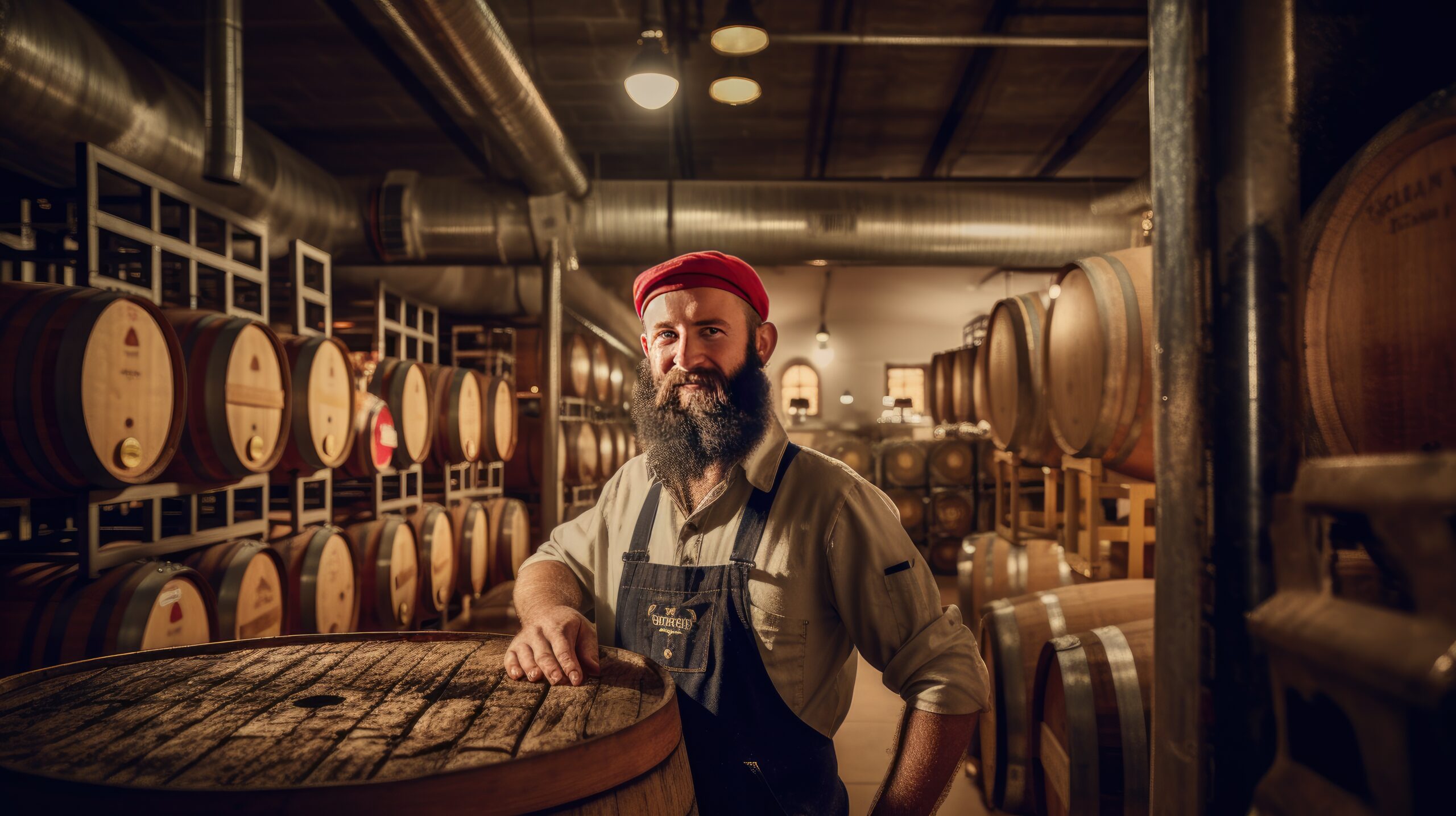
Aging whiskey in oak barrels is arguably one of the most important steps in the production process. But did you know that microbes also play a role in this stage? While aging primarily allows the whiskey to extract flavors from the wood, it also gives microbes the time and space to interact with the spirit.

Over the years, bacteria and fungi present in the barrel, as well as those from the surrounding air, can influence the chemical composition of the whiskey. This can enhance certain flavors, mellow others, and help the whiskey achieve that smooth, complex profile that connoisseurs love. The slow interaction between the wood, the alcohol, and the microbes leads to the development of flavors like vanilla, caramel, spices, and even a smoky, peaty note, all of which are common in well-aged whiskeys.

1. Microbial Influence on Barrel Maturation

When whiskey is placed in barrels, the wood undergoes a number of chemical changes, some of which are driven by microbial activity. The porous nature of the barrel allows for small amounts of air to interact with the whiskey, which in turn fosters the growth of certain types of bacteria and fungi. These microbes may metabolize compounds in the wood or even break down residual sugars in the whiskey, altering the flavor and texture of the spirit. For instance, the presence of certain fungi might enhance the smokiness or woodiness of a whiskey, while bacteria might contribute a more earthy, tangy quality.

Conclusion: A Delicate Dance of Microbes

Microbes are far from passive players in the whiskey-making process. From fermentation to maturation, they contribute significantly to the flavor, aroma, and complexity of whiskey. Whether it’s the yeast converting sugars into alcohol, the bacteria adding a touch of sourness, or the fungi enhancing the woody notes during barrel aging, microbes shape the character of whiskey in ways that go beyond what can be achieved through grain choice, distillation techniques, or barrel-aging alone.

As whiskey connoisseurs continue to explore new flavors and techniques, the role of microbes in shaping whiskey will undoubtedly gain more attention. Distillers will likely continue to experiment with different microbial communities, leading to new, innovative expressions of this timeless spirit. So, the next time you sip on a glass of whiskey, take a moment to appreciate the unseen, microbial magic that helped shape the flavors in your glass.
Tags: fermentationterroirwhiskey agingyeast
ShareTweetShare

Related Posts

Can Beer Be an Effective Ingredient in Culinary Cooking?
ALL

Can Beer Be an Effective Ingredient in Culinary Cooking?

January 22, 2026
Second Fermentation in Champagne: Is It Really That Crucial?
ALL

Second Fermentation in Champagne: Is It Really That Crucial?

January 22, 2026
How Do Different Grains Impact the Flavor Profile of Distilled Spirits?
ALL

How Do Different Grains Impact the Flavor Profile of Distilled Spirits?

January 22, 2026
How Do Whiskey Master Blenders Create Perfection?
ALL

How Do Whiskey Master Blenders Create Perfection?

January 22, 2026
Wine Pairings: Can They Change the Flavor Profile of a Dish?
ALL

Wine Pairings: Can They Change the Flavor Profile of a Dish?

January 22, 2026
Beer the Ultimate Beverage for Pairing with Spicy Food?
ALL

Beer the Ultimate Beverage for Pairing with Spicy Food?

January 21, 2026
Leave Comment
  • Trending
  • Comments
  • Latest
Role of Terroir in Champagne Production

Role of Terroir in Champagne Production

January 19, 2026
What Hidden Craftsmanship Lies Behind a Bottle of Quality Grain Spirits?

What Hidden Craftsmanship Lies Behind a Bottle of Quality Grain Spirits?

July 3, 2025
Champagne Can Be Aged in Wood?

Champagne Can Be Aged in Wood?

January 18, 2026
Is Organic Wine Healthier Than Conventional Wine?

Is Organic Wine Healthier Than Conventional Wine?

January 20, 2026
The Timeless Elegance of Wine: A Journey Through History and Culture

The Timeless Elegance of Wine: A Journey Through History and Culture

Why Is Château Lafite Rothschild the Pinnacle of Fine Wine?

Why Is Château Lafite Rothschild the Pinnacle of Fine Wine?

How Did Château Lafite Rothschild Become a Global Icon of Luxury?

How Did Château Lafite Rothschild Become a Global Icon of Luxury?

What Makes Chateau Lafite Rothschild the Pinnacle of Bordeaux Wines?

What Makes Chateau Lafite Rothschild the Pinnacle of Bordeaux Wines?

Can Beer Be an Effective Ingredient in Culinary Cooking?

Can Beer Be an Effective Ingredient in Culinary Cooking?

January 22, 2026
Second Fermentation in Champagne: Is It Really That Crucial?

Second Fermentation in Champagne: Is It Really That Crucial?

January 22, 2026
How Do Different Grains Impact the Flavor Profile of Distilled Spirits?

How Do Different Grains Impact the Flavor Profile of Distilled Spirits?

January 22, 2026
How Do Whiskey Master Blenders Create Perfection?

How Do Whiskey Master Blenders Create Perfection?

January 22, 2026
SipsavorLife

Welcome to our comprehensive beverage guide, where you can explore the fascinating world of alcoholic drinks. From exquisite wines and rich whiskeys to refreshing beers and sparkling champagnes, we provide insights, tips, and recommendations for enthusiasts and casual drinkers alike. Discover your next favorite libation with us!

© 2025 sipsavorlife.com. contacts:sipsavorlife-35376@gmail.com

No Result
View All Result
  • Home
  • Wine
  • Whiskey
  • Beer
  • Grain Spirits
  • Champagne
  • ALL

© 2025 sipsavorlife.com. contacts:sipsavorlife-35376@gmail.com

Welcome Back!

Login to your account below

Forgotten Password?

Retrieve your password

Please enter your username or email address to reset your password.

Log In