






























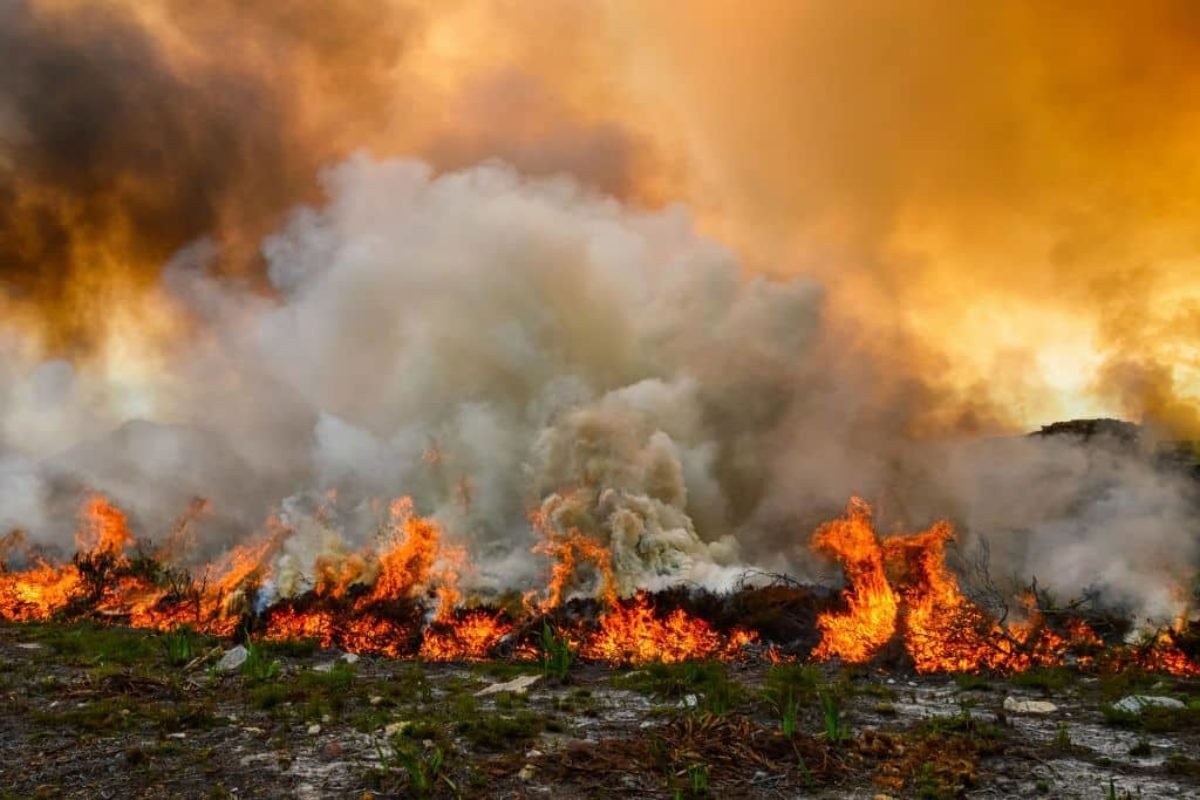
Smoke taint is a term that strikes fear into the hearts of winemakers, brewers, and distillers alike. This elusive and potentially devastating issue occurs when crops—typically grapes, barley, or other fermentable grains—are exposed to smoke, particularly from wildfires. The compounds released into the air during these fires can penetrate the plants, resulting in flavors and aromas in the final product that are off-putting and undesirable.
But here’s the catch: can this taint be detected before fermentation, during the grape or grain harvest, or even during the early stages of processing? If it could, it would offer a crucial advantage, allowing producers to minimize the damage or even avoid it altogether. In this article, we will dive into the science of smoke taint, explore methods to detect it before fermentation, and examine how early detection could change the way we approach this challenge.
The Nature of Smoke Taint
Smoke taint is primarily caused by compounds released into the air during a fire. These include a range of volatile phenolic compounds, such as guaiacol and 4-methylguaiacol, which can make their way into crops. In grapes, these compounds are absorbed through the skin and can later impart smoky, burnt, or ashy flavors to the wine. The same compounds can affect barley, grains, and even other fruits, leading to off-flavors in beers, whiskies, and other fermented products.
Understanding smoke taint begins with knowing its chemistry. When wood or vegetation burns, it produces a range of organic compounds. Among them, phenolic compounds are particularly problematic. These compounds can bind to sugars in plants and remain in the plant tissues even after the fire has passed. The severity of smoke taint depends on a variety of factors, including the intensity of the fire, the type of vegetation burning, the wind direction, and the timing of the smoke exposure.
While smoke taint is usually most pronounced after fermentation, where the phenolic compounds interact with yeast and other fermentation byproducts, the damage is often done long before this stage. This raises the question: is there a way to detect smoke taint early, perhaps before fermentation begins?
The Role of Smoke Exposure in Early Detection
The first step in detecting smoke taint is understanding when it occurs and how the compounds travel through the plant. In grapes, for instance, smoke exposure during the growing season, particularly during the final stages of ripening, is most likely to result in detectable taint in the finished wine. This is because the phenolic compounds that cause smoke taint are absorbed through the grape skins and can accumulate in the fruit.
But how do these compounds behave before fermentation?
Visual Signs of Smoke Exposure

Sometimes, visual clues can help indicate smoke exposure in plants, though these are not always reliable indicators. For grapes, some early signs of smoke exposure include shriveled or sunken berries, discoloration, or even the presence of ash on the surface of the fruit. However, these visual signs alone are not enough to confirm the presence of smoke taint, as the compounds responsible for taint may not always show up in visible symptoms.
For barley or grains, the signs of smoke exposure might be even more subtle. This is particularly true for late-season crops that are harvested after a wildfire, where the smoke might have had enough time to affect the plant at a molecular level without leaving obvious signs of damage.
Olfactory Tests and Initial Sensory Detection
The most reliable and immediate test for smoke taint before fermentation involves the olfactory senses. When grapes, grains, or other crops are harvested, winemakers, brewers, and distillers sometimes perform sensory tests on the raw product to gauge any unusual smells. A strong smoky aroma, especially a burnt or ashy note, can be a clear indicator of smoke taint.
However, olfactory tests are subjective, and the experience of smoke exposure might vary from one individual to another. Some winemakers and brewers might have a heightened sensitivity to smoke taint and can detect it early, while others may not notice it until fermentation begins. This subjectivity can make early detection unreliable, which is why scientists and industry professionals have been working on more objective methods.
Advanced Methods of Detection
In recent years, advancements in analytical chemistry have provided more accurate ways to detect smoke taint before fermentation. These methods allow for more objective and reliable detection of the volatile phenolic compounds that cause smoke taint. Some of the most promising techniques include:
Gas Chromatography-Mass Spectrometry (GC-MS)
GC-MS is one of the most commonly used techniques for detecting smoke taint. This method separates and analyzes the chemical compounds present in a sample. By identifying the specific volatile phenolic compounds, GC-MS can pinpoint the presence and concentration of compounds like guaiacol, 4-methylguaiacol, and other smoke-derived phenols that contribute to taint.
GC-MS is highly sensitive and can detect very low concentrations of these compounds, often down to parts per billion. This makes it a powerful tool for detecting smoke taint before fermentation, as even small amounts of these compounds can have a significant impact on the flavor profile of the final product.
However, while GC-MS can detect smoke taint in crops, it does require specialized equipment and trained personnel. It’s not a method that can easily be applied in the field during harvest, but it is invaluable when testing samples in a laboratory setting.
High-Performance Liquid Chromatography (HPLC)
HPLC is another analytical method used to detect smoke taint. Like GC-MS, HPLC can be used to separate and identify the phenolic compounds that are associated with smoke exposure. HPLC is especially useful for detecting water-soluble compounds, whereas GC-MS is better for volatile compounds.
HPLC is widely used in wineries and breweries, as it’s more accessible than GC-MS and can be performed with less specialized equipment. It provides reliable results for detecting the presence of specific smoke-related compounds, making it a useful tool for early detection.
Portable Detection Devices
While lab-based methods like GC-MS and HPLC are highly effective, they require specialized equipment and may not be practical for everyday use in the field. However, recent advancements have led to the development of portable detection devices that can be used by winemakers, brewers, and distillers during harvest.
These portable devices, often based on sensors or portable spectrometers, can provide real-time analysis of crop samples and detect the presence of smoke-derived phenols. While these devices are not yet as precise as laboratory equipment, they offer a promising way to detect smoke taint on-site, allowing for quicker decision-making during harvest.
Timing and Harvest Decisions
One of the most challenging aspects of detecting smoke taint before fermentation is the timing of exposure. As mentioned, exposure to smoke during the growing season—particularly as the fruit or grains approach maturity—can lead to taint. But depending on the severity and duration of the exposure, the compounds responsible for the taint may not be immediately apparent in the crop. This makes it difficult to predict the impact of smoke exposure until the product has been processed.
Early detection is most effective when there’s a clear understanding of the timing of exposure and the types of fires involved. Fires that burn close to crops or during the critical ripening period are more likely to cause significant taint. However, fires that occur later in the season or those that are less intense may have little to no impact on the final product.
Producers who are aware of nearby wildfires can take proactive steps, such as testing their crops early and adjusting harvest plans accordingly. Those in areas prone to wildfires may invest in early detection technologies or employ sensory testing to better assess the risks of smoke taint.
Conclusion: The Future of Early Detection
Smoke taint remains a significant challenge for those in the beverage and food production industries, but advancements in detection technologies offer hope. While olfactory tests and visual indicators can provide some initial clues, it’s the rise of sophisticated analytical methods like GC-MS, HPLC, and portable devices that may ultimately provide the most accurate and reliable means of detecting smoke taint before fermentation.
As the industry continues to grapple with the increasing frequency and intensity of wildfires, early detection will become even more critical. By combining advanced technology with proactive harvest decisions, producers can minimize the impact of smoke taint on their products and ensure that consumers continue to enjoy high-quality wines, beers, and spirits.
With continued research and development in this area, the future may hold even more efficient and accessible ways to detect smoke taint at earlier stages of production, potentially saving entire harvests and reducing economic losses across the industry.