












SipsavorLife
  • Home
  • Wine
    Do Wine Labels Signal Style More Than Region Today?

    Do Wine Labels Signal Style More Than Region Today?

    Is Serving Temperature the Most Ignored Quality Factor?

    Is Serving Temperature the Most Ignored Quality Factor?

    Can Smoke Taint Be Detected Before Fermentation?

    Can Smoke Taint Be Detected Before Fermentation?

    How Does Bottle Closure Control Oxygen Over Time?

    How Does Bottle Closure Control Oxygen Over Time?

    Which Yeast Strain Shapes Flavor More Than the Grape Itself?

    Which Yeast Strain Shapes Flavor More Than the Grape Itself?

    Do Old Vines Really Produce Better Wine—or Just Less?

    Do Old Vines Really Produce Better Wine—or Just Less?

  • Whiskey
    Do Wine Labels Signal Style More Than Region Today?

    Do Wine Labels Signal Style More Than Region Today?

    Can AI Truly Judge Whiskey Quality?

    Can AI Truly Judge Whiskey Quality?

    Could the Future of Spirits Start in the Grain Field?

    Could the Future of Spirits Start in the Grain Field?

    Is Champagne Better Understood as Wine First, Sparkle Second?

    Is Champagne Better Understood as Wine First, Sparkle Second?

    Why Do Some Beers Pair Better With Silence Than Food?

    Why Do Some Beers Pair Better With Silence Than Food?

    Can Low-ABV Beers Deliver High Complexity?

    Can Low-ABV Beers Deliver High Complexity?

  • Beer
    Why Do Some Beers Pair Better With Silence Than Food?

    Why Do Some Beers Pair Better With Silence Than Food?

    Can Low-ABV Beers Deliver High Complexity?

    Can Low-ABV Beers Deliver High Complexity?

    Is Alcohol Strength the Least Interesting Thing About Beer?

    Is Alcohol Strength the Least Interesting Thing About Beer?

    Does Glass Shape Alter How Beer Tastes?

    Does Glass Shape Alter How Beer Tastes?

    Spontaneously Fermented Beers: Controlled Chaos?

    Spontaneously Fermented Beers: Controlled Chaos?

    Why Does Temperature Change a Beer’s Flavor So Drastically?

    Why Does Temperature Change a Beer’s Flavor So Drastically?

  • Grain Spirits
    Could the Future of Spirits Start in the Grain Field?

    Could the Future of Spirits Start in the Grain Field?

    Is Grain Spirits’ Sustainability Story Being Overlooked?

    Is Grain Spirits’ Sustainability Story Being Overlooked?

    Do Blended Grains Create Complexity or Confusion?

    Do Blended Grains Create Complexity or Confusion?

    Why Are Heirloom Grains Becoming a Distiller’s Obsession?

    Why Are Heirloom Grains Becoming a Distiller’s Obsession?

    Can Grain Selection Predict Mouthfeel Before Distillation?

    Can Grain Selection Predict Mouthfeel Before Distillation?

    What Happens When Distillers Break Traditional Grain Rules?

    What Happens When Distillers Break Traditional Grain Rules?

  • Champagne
    Is Champagne Better Understood as Wine First, Sparkle Second?

    Is Champagne Better Understood as Wine First, Sparkle Second?

    Does Champagne’s Appellation System Limit or Protect Innovation?

    Does Champagne’s Appellation System Limit or Protect Innovation?

    Why Is Hand Harvesting Still Critical in Champagne Vineyards?

    Why Is Hand Harvesting Still Critical in Champagne Vineyards?

    Can Pressure Levels Influence Champagne’s Mouthfeel?

    Can Pressure Levels Influence Champagne’s Mouthfeel?

    Is Grower Champagne Redefining Prestige in the Region?

    Is Grower Champagne Redefining Prestige in the Region?

    Bottle Size Change Champagne’s Evolution Over Time?

    Bottle Size Change Champagne’s Evolution Over Time?

  • ALL
    Do Wine Labels Signal Style More Than Region Today?

    Do Wine Labels Signal Style More Than Region Today?

    Can AI Truly Judge Whiskey Quality?

    Can AI Truly Judge Whiskey Quality?

    Could the Future of Spirits Start in the Grain Field?

    Could the Future of Spirits Start in the Grain Field?

    Is Champagne Better Understood as Wine First, Sparkle Second?

    Is Champagne Better Understood as Wine First, Sparkle Second?

    Why Do Some Beers Pair Better With Silence Than Food?

    Why Do Some Beers Pair Better With Silence Than Food?

    Can Low-ABV Beers Deliver High Complexity?

    Can Low-ABV Beers Deliver High Complexity?

SipsavorLife
  • Home
  • Wine
    Do Wine Labels Signal Style More Than Region Today?

    Do Wine Labels Signal Style More Than Region Today?

    Is Serving Temperature the Most Ignored Quality Factor?

    Is Serving Temperature the Most Ignored Quality Factor?

    Can Smoke Taint Be Detected Before Fermentation?

    Can Smoke Taint Be Detected Before Fermentation?

    How Does Bottle Closure Control Oxygen Over Time?

    How Does Bottle Closure Control Oxygen Over Time?

    Which Yeast Strain Shapes Flavor More Than the Grape Itself?

    Which Yeast Strain Shapes Flavor More Than the Grape Itself?

    Do Old Vines Really Produce Better Wine—or Just Less?

    Do Old Vines Really Produce Better Wine—or Just Less?

  • Whiskey
    Do Wine Labels Signal Style More Than Region Today?

    Do Wine Labels Signal Style More Than Region Today?

    Can AI Truly Judge Whiskey Quality?

    Can AI Truly Judge Whiskey Quality?

    Could the Future of Spirits Start in the Grain Field?

    Could the Future of Spirits Start in the Grain Field?

    Is Champagne Better Understood as Wine First, Sparkle Second?

    Is Champagne Better Understood as Wine First, Sparkle Second?

    Why Do Some Beers Pair Better With Silence Than Food?

    Why Do Some Beers Pair Better With Silence Than Food?

    Can Low-ABV Beers Deliver High Complexity?

    Can Low-ABV Beers Deliver High Complexity?

  • Beer
    Why Do Some Beers Pair Better With Silence Than Food?

    Why Do Some Beers Pair Better With Silence Than Food?

    Can Low-ABV Beers Deliver High Complexity?

    Can Low-ABV Beers Deliver High Complexity?

    Is Alcohol Strength the Least Interesting Thing About Beer?

    Is Alcohol Strength the Least Interesting Thing About Beer?

    Does Glass Shape Alter How Beer Tastes?

    Does Glass Shape Alter How Beer Tastes?

    Spontaneously Fermented Beers: Controlled Chaos?

    Spontaneously Fermented Beers: Controlled Chaos?

    Why Does Temperature Change a Beer’s Flavor So Drastically?

    Why Does Temperature Change a Beer’s Flavor So Drastically?

  • Grain Spirits
    Could the Future of Spirits Start in the Grain Field?

    Could the Future of Spirits Start in the Grain Field?

    Is Grain Spirits’ Sustainability Story Being Overlooked?

    Is Grain Spirits’ Sustainability Story Being Overlooked?

    Do Blended Grains Create Complexity or Confusion?

    Do Blended Grains Create Complexity or Confusion?

    Why Are Heirloom Grains Becoming a Distiller’s Obsession?

    Why Are Heirloom Grains Becoming a Distiller’s Obsession?

    Can Grain Selection Predict Mouthfeel Before Distillation?

    Can Grain Selection Predict Mouthfeel Before Distillation?

    What Happens When Distillers Break Traditional Grain Rules?

    What Happens When Distillers Break Traditional Grain Rules?

  • Champagne
    Is Champagne Better Understood as Wine First, Sparkle Second?

    Is Champagne Better Understood as Wine First, Sparkle Second?

    Does Champagne’s Appellation System Limit or Protect Innovation?

    Does Champagne’s Appellation System Limit or Protect Innovation?

    Why Is Hand Harvesting Still Critical in Champagne Vineyards?

    Why Is Hand Harvesting Still Critical in Champagne Vineyards?

    Can Pressure Levels Influence Champagne’s Mouthfeel?

    Can Pressure Levels Influence Champagne’s Mouthfeel?

    Is Grower Champagne Redefining Prestige in the Region?

    Is Grower Champagne Redefining Prestige in the Region?

    Bottle Size Change Champagne’s Evolution Over Time?

    Bottle Size Change Champagne’s Evolution Over Time?

  • ALL
    Do Wine Labels Signal Style More Than Region Today?

    Do Wine Labels Signal Style More Than Region Today?

    Can AI Truly Judge Whiskey Quality?

    Can AI Truly Judge Whiskey Quality?

    Could the Future of Spirits Start in the Grain Field?

    Could the Future of Spirits Start in the Grain Field?

    Is Champagne Better Understood as Wine First, Sparkle Second?

    Is Champagne Better Understood as Wine First, Sparkle Second?

    Why Do Some Beers Pair Better With Silence Than Food?

    Why Do Some Beers Pair Better With Silence Than Food?

    Can Low-ABV Beers Deliver High Complexity?

    Can Low-ABV Beers Deliver High Complexity?

SipsavorLife
No Result
View All Result
Home ALL

Why Are Heirloom Grains Becoming a Distiller’s Obsession?

January 12, 2026
in ALL, Grain Spirits
Why Are Heirloom Grains Becoming a Distiller’s Obsession?

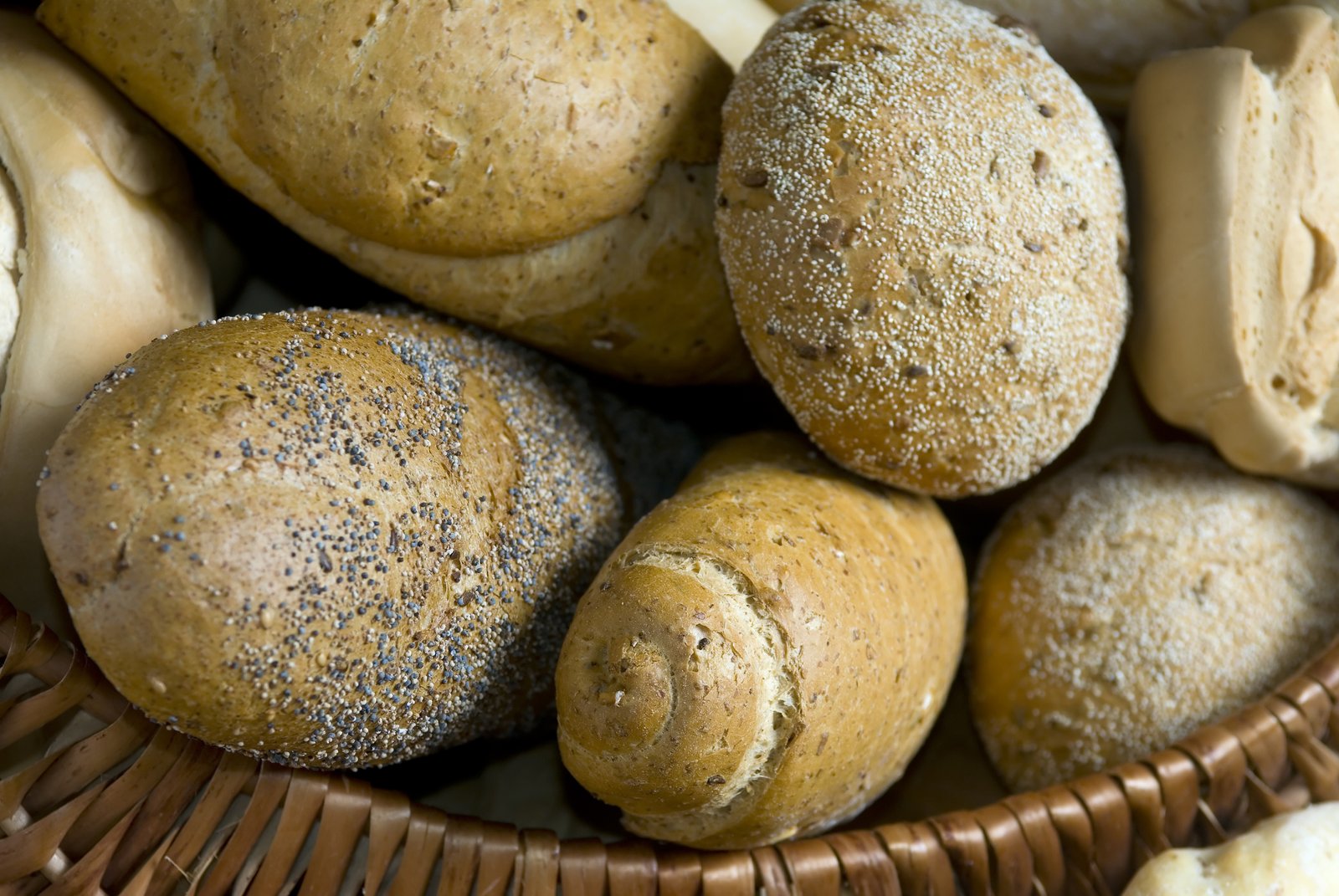
An assortment of breads in a basket

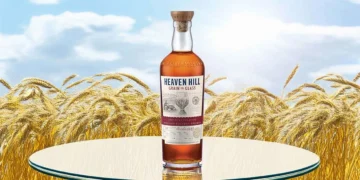
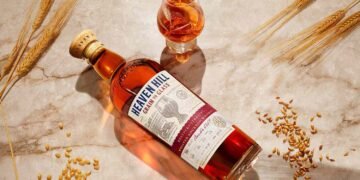
In the world of spirits, especially whiskey, the grains used in production have long been regarded as an essential element of the final product. Yet, in recent years, distillers have begun turning their attention to a specific category of grains—heirloom grains. These ancient varieties of wheat, rye, corn, barley, and other grains, once nearly forgotten in the industrialized food systems, are making a dramatic comeback in craft distilleries across the globe. But why are distillers so keen on these heirloom grains, and what makes them so special?

To understand the rise of heirloom grains in distilling, we need to dive into both the craft behind spirits production and the unique characteristics these grains bring to the table. From flavor profiles to sustainability, heirloom grains offer a blend of history, innovation, and artisanal craftsmanship that resonates deeply with the current trend toward authenticity and quality in the spirits industry.

1. The Allure of Authenticity and Tradition

In an age where consumers are increasingly concerned with the provenance of their food and drink, the appeal of heirloom grains goes beyond flavor—it’s about a connection to the past. Many distillers see working with heirloom grains as a way to tap into ancient traditions that were once standard in spirit production. These grains, cultivated using methods that often predate modern industrial agriculture, evoke a sense of authenticity and craftsmanship that modern, mass-produced grains cannot match.

For centuries, grains like Red Fife wheat, Kentucky Blue Corn, and Heritage Rye were the backbone of the spirits industry, especially in regions like Scotland, Ireland, and the U.S. Midwest. However, as agricultural practices evolved and mass-production methods took hold, many of these ancient varieties were pushed aside in favor of high-yield, genetically modified crops designed for efficiency rather than taste.

As distillers and consumers alike begin to prioritize quality over quantity, heirloom grains are stepping back into the spotlight, offering something more than just a drink—they offer a link to the past, a story of craftsmanship and survival through the ages.

2. Unique Flavor Profiles

Heirloom grains are not just a nod to tradition; they offer distinct and complex flavor profiles that modern grains often lack. Just like wine or coffee, grains have terroir—the specific environmental factors that influence their characteristics. Heirloom grains, grown in diverse climates and soils, absorb the unique qualities of their surroundings, which can give spirits made from them a much more varied and nuanced flavor.

For instance, corn varieties like Bloody Butcher or Blue Corn—both heirloom types—can lend whiskeys a deep, earthy sweetness with notes of caramel, vanilla, and even hints of smokiness. Meanwhile, heritage wheat varieties like Red Fife or Turkey Red bring a richness and depth to whiskey that can include flavors like honey, spice, and even a slight nuttiness, depending on the soil and weather in which they were grown.
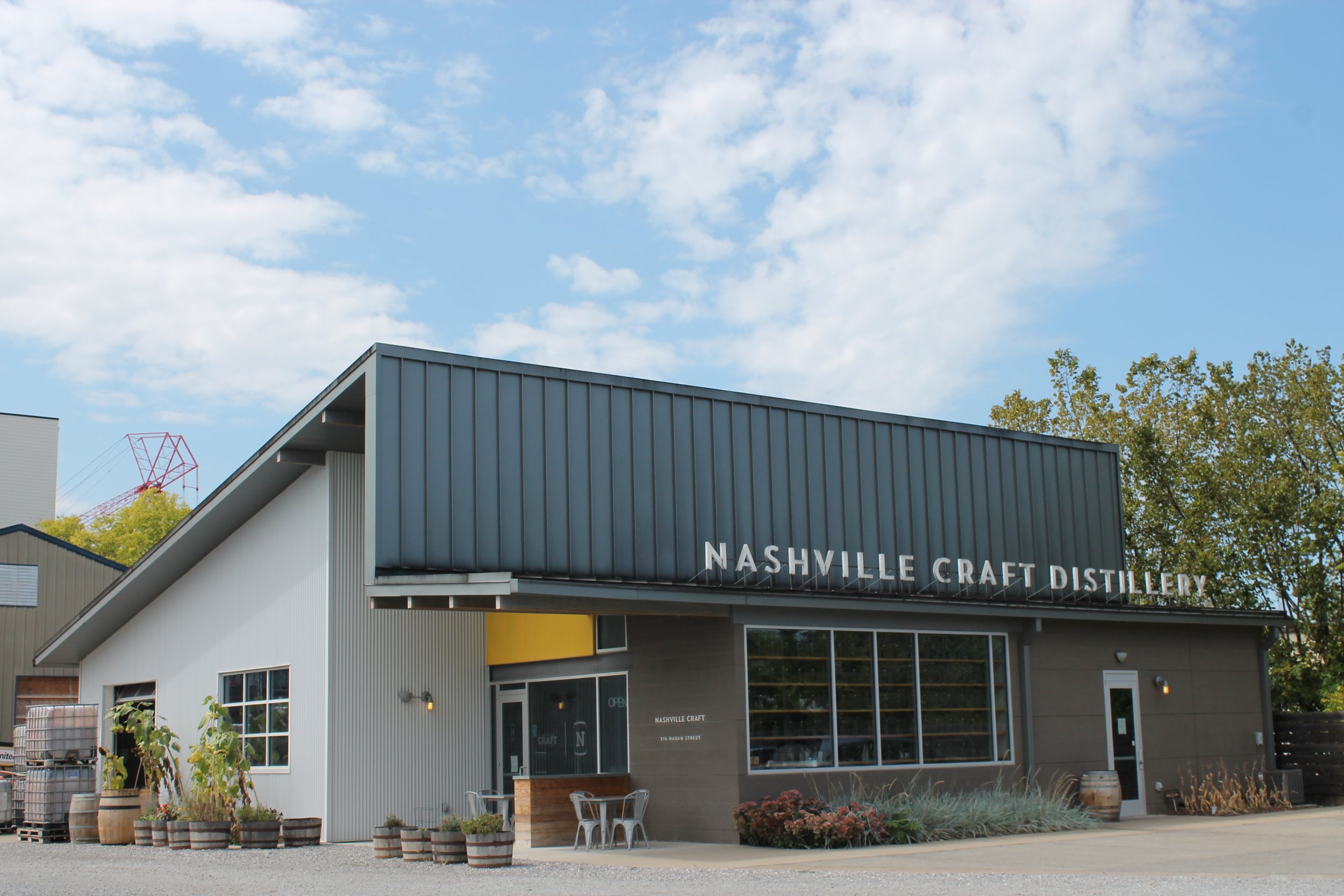
Nashville Craft Distillery

These flavors are also more pronounced because heirloom grains often contain higher levels of natural enzymes, proteins, and sugars compared to their modern counterparts. This means that not only do the grains offer unique flavors, but they also provide the distiller with more options for manipulating the fermentation process, leading to a broader range of expression in the final spirit.

3. Sustainability and Biodiversity

In addition to their sensory qualities, heirloom grains are also championed for their role in promoting biodiversity and sustainability in agriculture. Modern industrial agriculture has led to a dramatic reduction in the diversity of crops grown for both food and drink. Heirloom grains represent a step toward reversing that trend by reintroducing a wider array of plant varieties into the system.

These grains are often more resilient to pests and diseases than conventional crops, and they are better suited to organic farming practices. Many heirloom grain varieties are well-adapted to their local ecosystems, requiring fewer chemical inputs like fertilizers and pesticides. This makes them an attractive option for distillers and farmers who are looking to reduce their environmental impact and embrace more sustainable production methods.

In an era of climate change, where weather patterns are becoming increasingly unpredictable, heirloom grains can also be more adaptable. Their deep genetic diversity means they are more likely to survive harsh weather conditions, such as droughts or floods, compared to genetically modified or hybridized crops. By supporting heirloom grains, distillers are not only preserving a part of agricultural history but also contributing to a more resilient and sustainable future.

4. The Craft Distillery Movement

The rise of heirloom grains in distilling is deeply intertwined with the broader craft spirits movement. As small, independent distilleries continue to grow in popularity, many of them have turned to heirloom grains as a point of differentiation. Craft distillers often prioritize unique, high-quality ingredients, and working with heirloom grains offers them an opportunity to stand out in a crowded market.

Unlike large-scale producers, who rely on cost-effective grains that are engineered for mass production, craft distillers can focus on small batches and quality over quantity. They often work directly with local farmers who grow heirloom grains, further strengthening the connection between distillery and community. This direct relationship can also ensure that the grains are grown using sustainable practices, which is a key selling point for many modern consumers.

Additionally, the rise of craft distilleries and the increasing demand for artisanal products have encouraged experimentation. Distillers are using heirloom grains in unique and innovative ways, pushing the boundaries of traditional whiskey and other spirits. The result is a broader spectrum of flavors and textures in the spirits world, as well as an entire category of products that appeal to those seeking something beyond the generic offerings of mainstream liquor brands.

12 Healthy Ancient Grains

5. Distilling with Heirloom Grains: Challenges and Opportunities

While heirloom grains present a world of opportunity for distillers, they also come with a set of challenges. For one, heirloom grains are often more expensive than conventional grains. Their lower yields, combined with the increased labor required for their cultivation and harvesting, can drive up costs. For smaller distilleries working on limited budgets, this can present a financial hurdle.

Additionally, heirloom grains may require different processing methods, such as milling or fermentation, to fully unlock their potential. This means distillers need to have a deep understanding of the grain’s properties and be willing to experiment in order to achieve the best results. This might involve adjusting distillation times, using specialized equipment, or even changing aging techniques to bring out the best in each grain variety.

However, for many distillers, these challenges are part of the appeal. They see the work as an investment in quality and uniqueness. The added time and effort required to work with heirloom grains are offset by the superior quality of the final product, which can command higher prices in a competitive market.

6. The Consumer’s Role in the Heirloom Grain Revival

As much as distillers play a role in the revival of heirloom grains, so do consumers. The increasing demand for artisanal products, sustainable practices, and high-quality, flavorful spirits is creating a market for heirloom-grain-based spirits. Consumers are no longer satisfied with generic, mass-produced whiskey or vodka. Instead, they are seeking out products that tell a story and offer an experience.

This shift in consumer preferences has forced large distilleries to take note. While many of the larger companies still rely on industrial grains, some have started experimenting with heirloom varieties in limited-edition releases or special collaborations with craft distillers. It is clear that heirloom grains are no longer just a niche interest—they have become a symbol of quality and craftsmanship in the spirits industry.

7. The Future of Heirloom Grains in Distilling

Looking ahead, the future of heirloom grains in distilling looks bright. As more distillers experiment with these ancient grains, we can expect to see an even greater variety of products that showcase the unique qualities of heirloom grains. Whether it’s a rye whiskey with a distinct spiciness or a corn-based bourbon with an unusually rich sweetness, heirloom grains are poised to become a permanent fixture in the world of craft spirits.

At the same time, the growing consumer demand for sustainability and authenticity will continue to drive the interest in heirloom grains. More distilleries are likely to incorporate these grains into their production lines, either as a core ingredient or in limited-edition releases. This will not only enrich the diversity of available spirits but also encourage a broader appreciation for the heritage and craftsmanship behind the products we enjoy.

Tags: craft beergrain spiritsterroirwhiskey
ShareTweetShare

Related Posts

Do Wine Labels Signal Style More Than Region Today?
ALL

Do Wine Labels Signal Style More Than Region Today?

January 15, 2026
Can AI Truly Judge Whiskey Quality?
ALL

Can AI Truly Judge Whiskey Quality?

January 15, 2026
Could the Future of Spirits Start in the Grain Field?
ALL

Could the Future of Spirits Start in the Grain Field?

January 15, 2026
Is Champagne Better Understood as Wine First, Sparkle Second?
ALL

Is Champagne Better Understood as Wine First, Sparkle Second?

January 15, 2026
Why Do Some Beers Pair Better With Silence Than Food?
ALL

Why Do Some Beers Pair Better With Silence Than Food?

January 15, 2026
Can Low-ABV Beers Deliver High Complexity?
ALL

Can Low-ABV Beers Deliver High Complexity?

January 14, 2026
Leave Comment
  • Trending
  • Comments
  • Latest
What Hidden Craftsmanship Lies Behind a Bottle of Quality Grain Spirits?

What Hidden Craftsmanship Lies Behind a Bottle of Quality Grain Spirits?

July 3, 2025
How Is Champagne Made? The Secrets Behind the Sparkle

How Is Champagne Made? The Secrets Behind the Sparkle

April 15, 2025
Grain Spirits vs. Traditional Distilled Spirits: Which One Suits Your Taste?

Grain Spirits vs. Traditional Distilled Spirits: Which One Suits Your Taste?

July 3, 2025
Champagne Bubbles: How Do They Perfectly Convey Celebration, Joy, and Luxury?

Champagne Bubbles: How Do They Perfectly Convey Celebration, Joy, and Luxury?

July 2, 2025
The Timeless Elegance of Wine: A Journey Through History and Culture

The Timeless Elegance of Wine: A Journey Through History and Culture

Why Is Château Lafite Rothschild the Pinnacle of Fine Wine?

Why Is Château Lafite Rothschild the Pinnacle of Fine Wine?

How Did Château Lafite Rothschild Become a Global Icon of Luxury?

How Did Château Lafite Rothschild Become a Global Icon of Luxury?

What Makes Chateau Lafite Rothschild the Pinnacle of Bordeaux Wines?

What Makes Chateau Lafite Rothschild the Pinnacle of Bordeaux Wines?

Do Wine Labels Signal Style More Than Region Today?

Do Wine Labels Signal Style More Than Region Today?

January 15, 2026
Can AI Truly Judge Whiskey Quality?

Can AI Truly Judge Whiskey Quality?

January 15, 2026
Could the Future of Spirits Start in the Grain Field?

Could the Future of Spirits Start in the Grain Field?

January 15, 2026
Is Champagne Better Understood as Wine First, Sparkle Second?

Is Champagne Better Understood as Wine First, Sparkle Second?

January 15, 2026
SipsavorLife

Welcome to our comprehensive beverage guide, where you can explore the fascinating world of alcoholic drinks. From exquisite wines and rich whiskeys to refreshing beers and sparkling champagnes, we provide insights, tips, and recommendations for enthusiasts and casual drinkers alike. Discover your next favorite libation with us!

© 2025 sipsavorlife.com. contacts:sipsavorlife-35376@gmail.com

No Result
View All Result
  • Home
  • Wine
  • Whiskey
  • Beer
  • Grain Spirits
  • Champagne
  • ALL

© 2025 sipsavorlife.com. contacts:sipsavorlife-35376@gmail.com

Welcome Back!

Login to your account below

Forgotten Password?

Retrieve your password

Please enter your username or email address to reset your password.

Log In