































Before delving into the mechanics of closures, it’s essential to understand the interaction between oxygen and bottled beverages. Oxygen, though present in the atmosphere at relatively low concentrations, plays a pivotal role in the chemical reactions that occur within the sealed bottle. These reactions can be beneficial or harmful, depending on the context.
When oxygen interacts with certain compounds, it can lead to oxidation. Oxidation is a chemical reaction where molecules react with oxygen, often resulting in the breakdown of complex organic molecules into simpler ones. In wine, for example, oxidation can result in the browning of the liquid, the loss of fresh fruit aromas, and the development of undesirable flavors like sherry or wet cardboard.
However, not all oxidation is bad. In fact, a controlled amount of oxygen exposure is often necessary for the aging process in both wine and whiskey. This controlled oxidation can enhance flavors, soften tannins, and lead to the development of more complex aromas over time. It’s the delicate balance of allowing enough oxygen to interact with the liquid without overexposing it that makes bottle closure technology so vital.
Types of Bottle Closures and Their Mechanisms
1. Cork Closures (Natural and Synthetic)
Corks, made primarily from the bark of cork oak trees, have been the traditional closure of choice for wine bottles for centuries. But the process of corking is far from a simple sealing mechanism. The structure of natural cork is made up of tiny cells filled with air, which allows for minimal oxygen exchange. A cork’s elasticity also ensures that the seal is tight, limiting the amount of oxygen that enters the bottle but still permitting some slow movement of air over time.
The advantage of cork is that it allows a minute amount of oxygen to enter the bottle, which, when controlled, aids in the slow oxidation process that benefits wine aging. However, the cork’s ability to perform this task is heavily dependent on the quality of the cork itself. Over time, natural corks may deteriorate or become contaminated with TCA (2,4,6-trichloroanisole), a compound responsible for the musty, off-putting aroma known as “cork taint.”
Synthetic corks, made from plastic, have been developed as an alternative. They offer a more consistent seal, which limits the risk of cork taint. However, their ability to let oxygen in, and thus influence aging, is somewhat limited compared to natural corks. This makes synthetic corks less desirable for wines that benefit from long aging, but they are widely used for wines meant to be consumed young.
2. Screw Caps
Screw caps, which have become increasingly popular for wine bottles in recent decades, present a different approach to oxygen control. The closure is made from a metal cap with a liner, typically made of plastic or rubber, that forms a seal with the bottle’s lip. Unlike corks, screw caps have a much more airtight seal, preventing oxygen from entering the bottle over time.
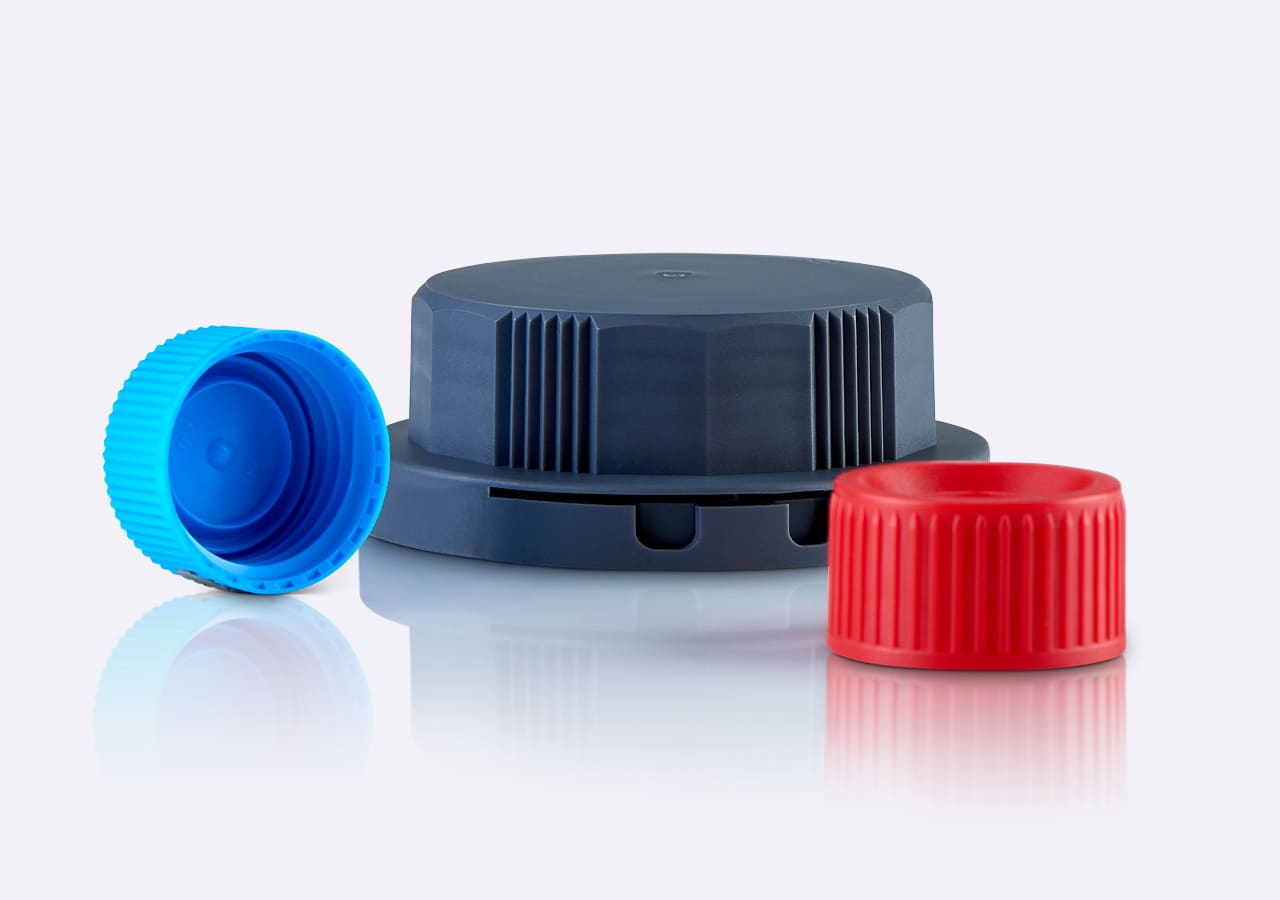
This lack of oxygen exchange has made screw caps a controversial choice among winemakers, particularly those who produce wines meant to age. On the one hand, screw caps preserve freshness, keeping a wine’s fruit flavors vibrant for longer, which is particularly beneficial for white wines and lighter reds. On the other hand, the absence of oxygen may hinder the development of more complex, aged flavors that come from controlled oxidation.
Some screw caps include a liner designed to allow for a very small amount of oxygen transmission, such as the “Stelvin” closure. This type of closure attempts to find a middle ground between airtight sealing and controlled oxygenation.
3. Glass Stoppers
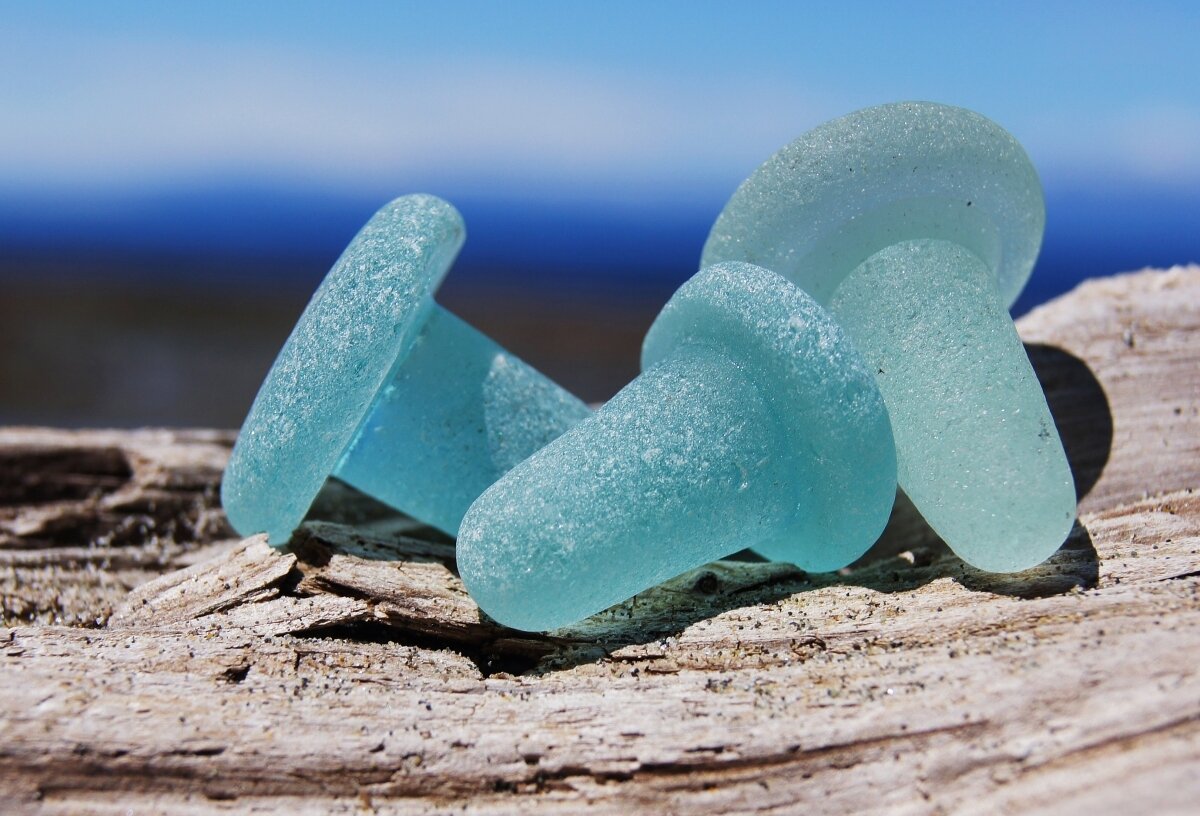
Glass stoppers, often used in higher-end wines and premium sparkling wines, represent another way of controlling oxygen exposure. These closures are more hermetic than corks but are still permeable to a tiny amount of oxygen. Some winemakers choose glass stoppers for their visual appeal and the ability to create a tight seal without the risk of cork taint. However, like screw caps, glass stoppers limit the amount of oxygen exchange, which can be a disadvantage for wines intended to age.
4. Crown Caps (For Beer and Sparkling Wine)
Crown caps are most commonly used in the beer and sparkling wine industries. These caps are metal and are crimped onto the neck of the bottle to provide an airtight seal. Because of this tight seal, oxygen exposure is minimized, preserving the carbonation and preventing the beer or wine from becoming oxidized prematurely. For sparkling wines like Champagne, the crown cap is often used during the fermentation process in the bottle, after which a final closure, such as a cork, is added to seal the wine.
Crown caps are perfect for beverages that need to maintain their freshness, as they don’t allow for any oxygen exchange. However, this can also be a downside for products that benefit from gradual oxidation over time. As a result, crown caps are primarily used for products that are meant to be consumed relatively quickly, such as most beers and some lighter sparkling wines.
5. Wax Seals
In some cases, bottles are sealed with a layer of wax over the cap or cork, often for decorative or traditional purposes. The wax seal itself doesn’t significantly affect oxygen transmission but does provide a layer of protection against contaminants and external factors like humidity. This type of seal is typically found in premium spirits, such as bourbon or whiskey, and can serve as an indicator of quality or craftsmanship.
6. Vacuum Seals
A more recent innovation, the vacuum seal, is increasingly used in the preservation of spirits and fine wines. These systems, often found in decanters or with bottle preservation devices, remove air from the bottle before sealing it. The vacuum creates a nearly airtight environment that drastically reduces oxygen exposure. This is particularly useful for long-term storage, as it minimizes the risk of oxidation. However, vacuum seals are not commonly used in mass-market products but are instead reserved for premium bottles that need extra care in preservation.
How Closure Type Affects Oxygen and Aging
Each type of closure interacts with oxygen in different ways, influencing how a beverage ages. Some drinks, like wine, benefit from gradual exposure to small amounts of oxygen over time. This slow oxidation process helps soften tannins and develop complex flavors. For example, red wines often need oxygen to reach their full potential, while white wines are generally more sensitive to oxygen and may lose their fresh, fruity characteristics if exposed to it for too long.
Spirits like whiskey and bourbon, on the other hand, benefit from much slower oxidation due to the higher alcohol content, which acts as a preservative. The effects of oxidation on these products are often more subtle, but over years or decades, controlled oxygen exposure can enhance the richness and depth of the flavors. The sealing method plays a role in how much air comes into contact with the liquid.
Sparkling wines, such as Champagne and Prosecco, require even more careful management of oxygen to maintain their effervescence and freshness. Because these wines rely on maintaining high levels of dissolved carbon dioxide, closures like crown caps or specialized corks are essential to prevent any premature loss of carbonation.
Conclusion: The Delicate Balance of Oxygen and Bottle Closure
The science of bottle closure and oxygen management is a delicate balancing act. Too much oxygen can lead to rapid deterioration, but too little can stifle the natural aging process and prevent a product from developing its full range of flavors. As technology evolves and our understanding of the aging process deepens, winemakers, brewers, and distillers continue to refine their choices of closures to ensure that their products reach consumers in the best possible condition. Whether it’s a cork, screw cap, or glass stopper, each closure offers a unique approach to controlling the interaction between oxygen and the beverage inside, ultimately influencing the product’s character and lifespan.
With the right closure, oxygen is no longer a threat, but a partner in creating beverages that stand the test of time—delivering vibrant, complex flavors that satisfy the senses and tell the story of their unique origin.










