







SipsavorLife
  • Home
  • Wine
    Wine Pairings: Can They Change the Flavor Profile of a Dish?

    Wine Pairings: Can They Change the Flavor Profile of a Dish?

    How Do Wine Glasses Influence the Tasting Experience?

    How Do Wine Glasses Influence the Tasting Experience?

    Is Organic Wine Healthier Than Conventional Wine?

    Is Organic Wine Healthier Than Conventional Wine?

    Why Do Some Wines Taste Better from Specific Vintages?

    Why Do Some Wines Taste Better from Specific Vintages?

    Wine Tasting: Can It Truly Be an Art Form?

    Wine Tasting: Can It Truly Be an Art Form?

    What Does Terroir Actually Mean for Your Wine?

    What Does Terroir Actually Mean for Your Wine?

  • Whiskey
    Can Beer Be an Effective Ingredient in Culinary Cooking?

    Can Beer Be an Effective Ingredient in Culinary Cooking?

    Second Fermentation in Champagne: Is It Really That Crucial?

    Second Fermentation in Champagne: Is It Really That Crucial?

    How Do Different Grains Impact the Flavor Profile of Distilled Spirits?

    How Do Different Grains Impact the Flavor Profile of Distilled Spirits?

    How Do Whiskey Master Blenders Create Perfection?

    How Do Whiskey Master Blenders Create Perfection?

    Wine Pairings: Can They Change the Flavor Profile of a Dish?

    Wine Pairings: Can They Change the Flavor Profile of a Dish?

    Beer the Ultimate Beverage for Pairing with Spicy Food?

    Beer the Ultimate Beverage for Pairing with Spicy Food?

  • Beer
    Can Beer Be an Effective Ingredient in Culinary Cooking?

    Can Beer Be an Effective Ingredient in Culinary Cooking?

    Beer the Ultimate Beverage for Pairing with Spicy Food?

    Beer the Ultimate Beverage for Pairing with Spicy Food?

    How Did Ancient Civilizations Brew Beer Without Modern Technology?

    How Did Ancient Civilizations Brew Beer Without Modern Technology?

    Is It Possible to Brew a Beer with No Alcohol and No Compromise on Taste?

    Is It Possible to Brew a Beer with No Alcohol and No Compromise on Taste?

    Why Does Beer Taste Different at High Altitudes?

    Why Does Beer Taste Different at High Altitudes?

    Is Hops the Secret Ingredient Behind Beer’s Bold Flavor?

    Is Hops the Secret Ingredient Behind Beer’s Bold Flavor?

  • Grain Spirits
    How Do Different Grains Impact the Flavor Profile of Distilled Spirits?

    How Do Different Grains Impact the Flavor Profile of Distilled Spirits?

    Grain Spirits the Unsung Heroes of Modern Mixology

    Grain Spirits the Unsung Heroes of Modern Mixology

    What Makes Grain-Based Whiskey So Different from Its Peated Cousins?

    What Makes Grain-Based Whiskey So Different from Its Peated Cousins?

    Grain Spirits: Could They Be the Next Big Trend in Craft Cocktails?

    Grain Spirits: Could They Be the Next Big Trend in Craft Cocktails?

    Why Are Grain Spirits Often Overlooked in the World of Fine Liquor?

    Why Are Grain Spirits Often Overlooked in the World of Fine Liquor?

    Is There a Secret Art to Distilling Grain Spirits?

    Is There a Secret Art to Distilling Grain Spirits?

  • Champagne
    Second Fermentation in Champagne: Is It Really That Crucial?

    Second Fermentation in Champagne: Is It Really That Crucial?

    The Science Behind the ‘Bubble Size’ in Champagne

    The Science Behind the ‘Bubble Size’ in Champagne

    Why Do Some Champagnes Use a High Proportion of Pinot Meunier?

    Why Do Some Champagnes Use a High Proportion of Pinot Meunier?

    Role of Terroir in Champagne Production

    Role of Terroir in Champagne Production

    Champagne Can Be Aged in Wood?

    Champagne Can Be Aged in Wood?

    Is There a Difference Between Blanc de Blancs and Blanc de Noirs Champagne?

    Is There a Difference Between Blanc de Blancs and Blanc de Noirs Champagne?

  • ALL
    Can Beer Be an Effective Ingredient in Culinary Cooking?

    Can Beer Be an Effective Ingredient in Culinary Cooking?

    Second Fermentation in Champagne: Is It Really That Crucial?

    Second Fermentation in Champagne: Is It Really That Crucial?

    How Do Different Grains Impact the Flavor Profile of Distilled Spirits?

    How Do Different Grains Impact the Flavor Profile of Distilled Spirits?

    How Do Whiskey Master Blenders Create Perfection?

    How Do Whiskey Master Blenders Create Perfection?

    Wine Pairings: Can They Change the Flavor Profile of a Dish?

    Wine Pairings: Can They Change the Flavor Profile of a Dish?

    Beer the Ultimate Beverage for Pairing with Spicy Food?

    Beer the Ultimate Beverage for Pairing with Spicy Food?

SipsavorLife
  • Home
  • Wine
    Wine Pairings: Can They Change the Flavor Profile of a Dish?

    Wine Pairings: Can They Change the Flavor Profile of a Dish?

    How Do Wine Glasses Influence the Tasting Experience?

    How Do Wine Glasses Influence the Tasting Experience?

    Is Organic Wine Healthier Than Conventional Wine?

    Is Organic Wine Healthier Than Conventional Wine?

    Why Do Some Wines Taste Better from Specific Vintages?

    Why Do Some Wines Taste Better from Specific Vintages?

    Wine Tasting: Can It Truly Be an Art Form?

    Wine Tasting: Can It Truly Be an Art Form?

    What Does Terroir Actually Mean for Your Wine?

    What Does Terroir Actually Mean for Your Wine?

  • Whiskey
    Can Beer Be an Effective Ingredient in Culinary Cooking?

    Can Beer Be an Effective Ingredient in Culinary Cooking?

    Second Fermentation in Champagne: Is It Really That Crucial?

    Second Fermentation in Champagne: Is It Really That Crucial?

    How Do Different Grains Impact the Flavor Profile of Distilled Spirits?

    How Do Different Grains Impact the Flavor Profile of Distilled Spirits?

    How Do Whiskey Master Blenders Create Perfection?

    How Do Whiskey Master Blenders Create Perfection?

    Wine Pairings: Can They Change the Flavor Profile of a Dish?

    Wine Pairings: Can They Change the Flavor Profile of a Dish?

    Beer the Ultimate Beverage for Pairing with Spicy Food?

    Beer the Ultimate Beverage for Pairing with Spicy Food?

  • Beer
    Can Beer Be an Effective Ingredient in Culinary Cooking?

    Can Beer Be an Effective Ingredient in Culinary Cooking?

    Beer the Ultimate Beverage for Pairing with Spicy Food?

    Beer the Ultimate Beverage for Pairing with Spicy Food?

    How Did Ancient Civilizations Brew Beer Without Modern Technology?

    How Did Ancient Civilizations Brew Beer Without Modern Technology?

    Is It Possible to Brew a Beer with No Alcohol and No Compromise on Taste?

    Is It Possible to Brew a Beer with No Alcohol and No Compromise on Taste?

    Why Does Beer Taste Different at High Altitudes?

    Why Does Beer Taste Different at High Altitudes?

    Is Hops the Secret Ingredient Behind Beer’s Bold Flavor?

    Is Hops the Secret Ingredient Behind Beer’s Bold Flavor?

  • Grain Spirits
    How Do Different Grains Impact the Flavor Profile of Distilled Spirits?

    How Do Different Grains Impact the Flavor Profile of Distilled Spirits?

    Grain Spirits the Unsung Heroes of Modern Mixology

    Grain Spirits the Unsung Heroes of Modern Mixology

    What Makes Grain-Based Whiskey So Different from Its Peated Cousins?

    What Makes Grain-Based Whiskey So Different from Its Peated Cousins?

    Grain Spirits: Could They Be the Next Big Trend in Craft Cocktails?

    Grain Spirits: Could They Be the Next Big Trend in Craft Cocktails?

    Why Are Grain Spirits Often Overlooked in the World of Fine Liquor?

    Why Are Grain Spirits Often Overlooked in the World of Fine Liquor?

    Is There a Secret Art to Distilling Grain Spirits?

    Is There a Secret Art to Distilling Grain Spirits?

  • Champagne
    Second Fermentation in Champagne: Is It Really That Crucial?

    Second Fermentation in Champagne: Is It Really That Crucial?

    The Science Behind the ‘Bubble Size’ in Champagne

    The Science Behind the ‘Bubble Size’ in Champagne

    Why Do Some Champagnes Use a High Proportion of Pinot Meunier?

    Why Do Some Champagnes Use a High Proportion of Pinot Meunier?

    Role of Terroir in Champagne Production

    Role of Terroir in Champagne Production

    Champagne Can Be Aged in Wood?

    Champagne Can Be Aged in Wood?

    Is There a Difference Between Blanc de Blancs and Blanc de Noirs Champagne?

    Is There a Difference Between Blanc de Blancs and Blanc de Noirs Champagne?

  • ALL
    Can Beer Be an Effective Ingredient in Culinary Cooking?

    Can Beer Be an Effective Ingredient in Culinary Cooking?

    Second Fermentation in Champagne: Is It Really That Crucial?

    Second Fermentation in Champagne: Is It Really That Crucial?

    How Do Different Grains Impact the Flavor Profile of Distilled Spirits?

    How Do Different Grains Impact the Flavor Profile of Distilled Spirits?

    How Do Whiskey Master Blenders Create Perfection?

    How Do Whiskey Master Blenders Create Perfection?

    Wine Pairings: Can They Change the Flavor Profile of a Dish?

    Wine Pairings: Can They Change the Flavor Profile of a Dish?

    Beer the Ultimate Beverage for Pairing with Spicy Food?

    Beer the Ultimate Beverage for Pairing with Spicy Food?

SipsavorLife
No Result
View All Result
Home ALL

Why Does Temperature Change a Beer’s Flavor So Drastically?

January 10, 2026
in ALL, Beer
Why Does Temperature Change a Beer’s Flavor So Drastically?

Beer, often hailed as one of the oldest and most widely consumed alcoholic beverages in the world, is as diverse in flavor as it is in types. One of the most intriguing yet often overlooked factors influencing beer’s flavor is temperature. Whether served ice-cold at a summer barbecue or at cellar temperature during a refined tasting session, the temperature at which beer is enjoyed can have a profound impact on how it tastes. But why is this?

To answer this, we need to take a deeper dive into the science of beer and its complex flavors. We’ll explore how temperature affects the sensory components of beer, from its aroma to its mouthfeel, as well as how different styles react uniquely to temperature changes. Along the way, we’ll uncover some interesting facts and misconceptions about beer, its flavors, and how we experience them.

The Basics of Beer Flavor

Before diving into how temperature affects beer, it’s essential to understand what contributes to the flavor of beer in the first place. Beer flavor is influenced by several components, most notably:

  1. Malt – This contributes sweetness, caramel, bread-like flavors, and various roasted notes.
  2. Hops – Known for their bitterness, hops also contribute flavors ranging from piney and earthy to floral and citrusy.
  3. Yeast – The strain of yeast used can produce a range of flavors, from fruity esters (think bananas or apples) to spicy phenols (like clove).
  4. Water – Mineral content and pH levels of water can subtly alter the flavor profile of beer.
  5. Alcohol – The ethanol in beer adds warmth and bitterness, and can contribute to the perceived body of the beer.

How Temperature Affects Flavor Perception

Beer is typically served cold—often in the range of 35-45°F (1-7°C) for lagers, and slightly warmer for ales—but as beer warms up, its flavors become more pronounced and complex. Here’s why:

1. Aroma Release

A large portion of what we experience as “flavor” comes from aroma. The volatile compounds that make up the aroma of beer—like the hops, esters, and malt sugars—are more easily released at higher temperatures. When you first pour a cold beer, these compounds are less active and harder to smell. As the beer warms up, the aromas intensify, and flavors that were previously hidden become much more apparent.

For example, a light lager served at near-freezing temperatures may seem crisp and clean, but when allowed to warm to around 45°F (7°C), more floral and herbal notes in the hops may emerge, and the malt’s sweetness may become more noticeable. On the flip side, a beer like a stout, which may initially seem one-dimensional when cold, can reveal layers of chocolate, coffee, and roasted flavors once it warms up.
Temperature – the friend and enemy of beer | Staropramen

2. Flavor Balance

The balance between bitterness, sweetness, and alcohol warmth can also change significantly with temperature. At colder temperatures, bitterness tends to dominate. Hops, which contribute bitterness, are more noticeable in the early stages of consumption when the beer is colder. However, as the beer warms, sweetness from the malt starts to come forward, balancing out the bitterness. This is especially noticeable in beers like IPAs (India Pale Ales), where the intense hop bitterness can become overpowering at cold temperatures but is softened as the beer warms.

Similarly, the alcohol notes in a beer, which may be harsh or overpowering when cold, can smooth out as the temperature rises, revealing a more balanced and round flavor profile.

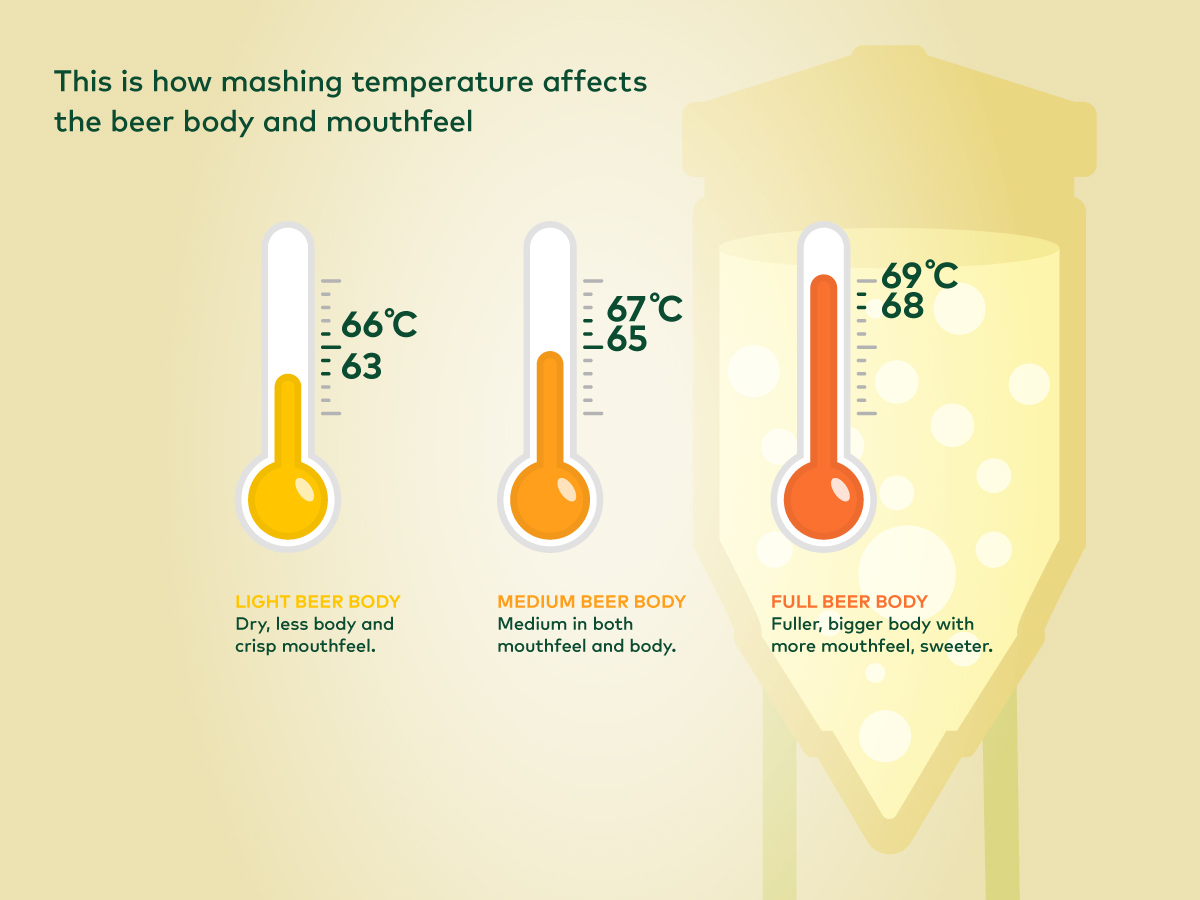
3. Mouthfeel and Body

Mouthfeel refers to the tactile sensations that a beer imparts in your mouth—such as creaminess, carbonation, and overall fullness. The temperature of the beer plays a crucial role in how we perceive its mouthfeel.

When a beer is cold, its carbonation is more pronounced. The cold temperatures tighten the beer’s texture, making it feel more carbonated, crisp, and effervescent. As the beer warms up, the carbonation becomes less sharp, and the beer may feel smoother and fuller. This is why heavier beers like stouts and porters, which have a naturally fuller body, may be more enjoyable when served at a warmer temperature because the reduced carbonation lets the malty richness shine through.

4. Alcohol and Esters

Yeast produces both alcohol and esters during fermentation. Alcohol imparts a warming sensation and adds to the perceived bitterness of the beer. At colder temperatures, the alcohol may feel somewhat muted, and the bitterness may feel more pronounced.

As the beer warms, the alcohol becomes more prominent in its mouthfeel, and the fruity esters produced by the yeast can emerge, adding complexity and depth to the flavor. These fruity flavors—like banana, pear, or apple—are often more noticeable in ales at warmer temperatures, especially in styles like Belgian ales or wheat beers.

5. Hops and Aromatic Compounds

One of the most significant temperature-dependent changes in beer is the expression of hops. At colder temperatures, hop bitterness is more pronounced, while aromatic compounds in the hops are less noticeable. This is why many drinkers find that they can taste more of the hop profile (pine, citrus, floral) when the beer has warmed up a little.

However, it’s important to note that not all beers benefit from warming. Some hop-forward beers, like West Coast IPAs, are designed to be consumed cold to preserve their crisp, fresh hop aromas. If served too warm, these beers can become overly bitter and lose their characteristic aromas.

Different Beer Styles and Temperature

Not all beer styles respond the same way to changes in temperature. Some styles are best enjoyed cold, while others benefit from warming to release their full range of flavors.
Smokey Off Flavor in Beer: Causes and Control

1. Lagers

Lagers are usually best served at colder temperatures (35-40°F, or 1-4°C). This is because lagers are typically crisp, clean, and refreshing, with a focus on malt character. Serving them too warm can emphasize the alcohol and bitterness, which is not ideal for this style. That said, certain stronger lagers, such as bocks, can benefit from warming slightly, as this allows the malt sweetness to come forward.

2. Ales

Ales are much more versatile when it comes to temperature. Most ales, especially those that are heavily hopped or have complex yeast profiles, benefit from being served slightly warmer—around 45-55°F (7-13°C). Styles like IPAs, Belgian ales, and wheat beers become more expressive when allowed to warm, revealing a greater range of aromas and flavors.

3. Stouts and Porters

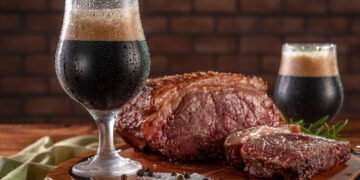
Stouts and porters are examples of beers that tend to improve with warming. These beers are rich, full-bodied, and packed with roasted malt flavors, which can feel too heavy or overly bitter when served cold. A slight warming brings out the chocolate, coffee, and caramel notes, making these beers more enjoyable and balanced.

4. Saisons and Farmhouse Ales

Saisons and farmhouse ales benefit from being served at cellar temperature (around 50-55°F or 10-13°C). These beers have complex yeast profiles with fruity esters and peppery spices that are best enjoyed at slightly warmer temperatures.

The Art of Beer Serving: Finding the Right Temperature

So, how should you serve your beer? As a general rule, the more delicate the beer, the colder it should be served. Beers like lagers, pilsners, and light pale ales should be enjoyed on the colder end of the spectrum, while heavier beers like stouts, porters, and Belgian ales are better enjoyed at slightly warmer temperatures.

Here’s a quick guide:

  • Light Lagers/Pilsners: 35-40°F (1-4°C)
  • Pale Ales/Amber Ales: 40-45°F (4-7°C)
  • IPAs: 45-50°F (7-10°C)
  • Belgian Ales: 45-55°F (7-13°C)
  • Porters/Stouts: 50-55°F (10-13°C)
  • Strong Ales/Barleywine: 55°F+ (13°C+)

Remember, there’s no one-size-fits-all answer—experiment with your beers to discover what works best for your palate. Temperature can transform a beer from an ordinary experience into something extraordinary.

Conclusion

The temperature at which beer is served can dramatically alter its flavor profile. From the release of aromas to the balance of bitterness and sweetness, and from the mouthfeel to the expression of hops and esters, temperature plays a vital role in shaping the sensory experience of drinking beer. Understanding how to properly serve and enjoy your beer based on its style is key to unlocking its full flavor potential.

So, next time you pop open a cold one, consider letting it warm up just a bit and discover a new layer of complexity and enjoyment. Temperature is not just a minor factor in beer enjoyment—it’s an essential element that can elevate the entire experience.


Tags: beerbeer flavorcraft beerfermentation
ShareTweetShare

Related Posts

Can Beer Be an Effective Ingredient in Culinary Cooking?
ALL

Can Beer Be an Effective Ingredient in Culinary Cooking?

January 22, 2026
Second Fermentation in Champagne: Is It Really That Crucial?
ALL

Second Fermentation in Champagne: Is It Really That Crucial?

January 22, 2026
How Do Different Grains Impact the Flavor Profile of Distilled Spirits?
ALL

How Do Different Grains Impact the Flavor Profile of Distilled Spirits?

January 22, 2026
How Do Whiskey Master Blenders Create Perfection?
ALL

How Do Whiskey Master Blenders Create Perfection?

January 22, 2026
Wine Pairings: Can They Change the Flavor Profile of a Dish?
ALL

Wine Pairings: Can They Change the Flavor Profile of a Dish?

January 22, 2026
Beer the Ultimate Beverage for Pairing with Spicy Food?
ALL

Beer the Ultimate Beverage for Pairing with Spicy Food?

January 21, 2026
Leave Comment
  • Trending
  • Comments
  • Latest
Role of Terroir in Champagne Production

Role of Terroir in Champagne Production

January 19, 2026
What Hidden Craftsmanship Lies Behind a Bottle of Quality Grain Spirits?

What Hidden Craftsmanship Lies Behind a Bottle of Quality Grain Spirits?

July 3, 2025
Champagne Can Be Aged in Wood?

Champagne Can Be Aged in Wood?

January 18, 2026
Is Organic Wine Healthier Than Conventional Wine?

Is Organic Wine Healthier Than Conventional Wine?

January 20, 2026
The Timeless Elegance of Wine: A Journey Through History and Culture

The Timeless Elegance of Wine: A Journey Through History and Culture

Why Is Château Lafite Rothschild the Pinnacle of Fine Wine?

Why Is Château Lafite Rothschild the Pinnacle of Fine Wine?

How Did Château Lafite Rothschild Become a Global Icon of Luxury?

How Did Château Lafite Rothschild Become a Global Icon of Luxury?

What Makes Chateau Lafite Rothschild the Pinnacle of Bordeaux Wines?

What Makes Chateau Lafite Rothschild the Pinnacle of Bordeaux Wines?

Can Beer Be an Effective Ingredient in Culinary Cooking?

Can Beer Be an Effective Ingredient in Culinary Cooking?

January 22, 2026
Second Fermentation in Champagne: Is It Really That Crucial?

Second Fermentation in Champagne: Is It Really That Crucial?

January 22, 2026
How Do Different Grains Impact the Flavor Profile of Distilled Spirits?

How Do Different Grains Impact the Flavor Profile of Distilled Spirits?

January 22, 2026
How Do Whiskey Master Blenders Create Perfection?

How Do Whiskey Master Blenders Create Perfection?

January 22, 2026
SipsavorLife

Welcome to our comprehensive beverage guide, where you can explore the fascinating world of alcoholic drinks. From exquisite wines and rich whiskeys to refreshing beers and sparkling champagnes, we provide insights, tips, and recommendations for enthusiasts and casual drinkers alike. Discover your next favorite libation with us!

© 2025 sipsavorlife.com. contacts:sipsavorlife-35376@gmail.com

No Result
View All Result
  • Home
  • Wine
  • Whiskey
  • Beer
  • Grain Spirits
  • Champagne
  • ALL

© 2025 sipsavorlife.com. contacts:sipsavorlife-35376@gmail.com

Welcome Back!

Login to your account below

Forgotten Password?

Retrieve your password

Please enter your username or email address to reset your password.

Log In