






























One Hop Variety Can Create Infinite Flavor Profiles
When we think of hops in beer, we often envision their role in adding bitterness and balancing out the sweetness of malt. But hops do much more than that. They contribute to a beer’s aroma, its flavor complexity, and even the mouthfeel. A single hop variety, with its distinctive chemical compounds, can be transformed in countless ways to produce an array of flavor profiles, even within a single batch of beer. But can one hop variety really create an infinite number of flavor profiles? The answer lies in the interplay of science, technique, and creativity that brewers use to manipulate hops in their brewing process.
The Complex Chemistry of Hops
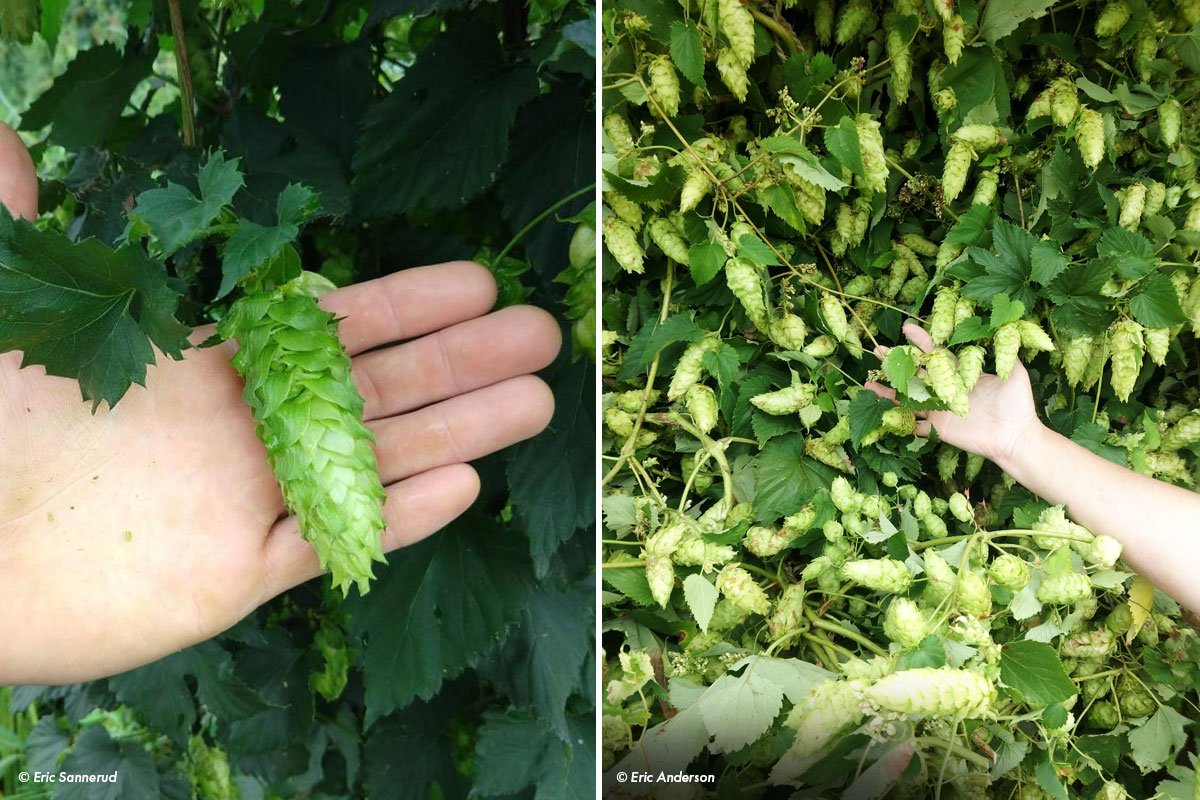
To understand how one hop can yield so many flavors, we need to first look at the science behind hops. Hops are the flowers of the hop plant Humulus lupulus, and they contain a wide variety of chemical compounds that contribute to a beer’s flavor. These compounds include essential oils, resins, and bittering agents such as alpha acids. When hops are added to beer, these compounds interact with the other ingredients—malt, yeast, and water—creating a complex network of flavors.
The key components that affect hop flavor include:
- Alpha Acids: These acids are responsible for the bitterness in beer. The higher the alpha acid content, the more bitter the beer will taste. However, the bitterness can be modulated by how long the hops are boiled during the brewing process.
- Essential Oils: These oils are responsible for the aromatic qualities of hops. They contain compounds like terpenes, aldehydes, and esters, which can produce a vast range of scents, from piney and resinous to fruity and floral.
- Beta Acids: These acids play a role in the overall flavor balance but contribute much less to bitterness. They can contribute to smoothness and roundness in the flavor profile.
- Polyphenols: These antioxidants are responsible for the astringency and mouthfeel of hops, often providing an extra layer of complexity.
Different Brewing Methods, Different Flavors
The magic of creating infinite flavor profiles from a single hop variety lies in how brewers use these compounds. Even with just one hop type, the brewing technique can dramatically alter the final product.

1. Boiling
When hops are boiled in the wort (the unfermented beer), the high heat causes the release of bitterness from the alpha acids. The longer the hops are boiled, the more bitterness they impart. But the length of the boil also affects other compounds, such as essential oils, which are volatile and can be evaporated if boiled for too long. This is why brewers often add hops at different stages during the boil, or even after the boil, to create specific flavor profiles.
- Early Boil (60 minutes): Adding hops at the beginning of the boil maximizes bitterness.
- Late Boil (15 minutes): Adding hops later in the boil allows more aroma and flavor compounds to be extracted without too much bitterness.
- Dry Hopping (After Boil): Adding hops directly to the fermenting beer contributes intense aromatic qualities without introducing additional bitterness.
2. Fermentation Temperature
Fermentation plays a critical role in how hop flavors are perceived. Yeast, during the fermentation process, produces a variety of compounds that can influence the final flavor of the beer. The temperature at which fermentation occurs can either enhance or mask specific hop characteristics.
For example, a warm fermentation temperature might allow esters produced by the yeast to interact more with the hop aromas, creating a fruity, tropical flavor. On the other hand, cooler fermentation temperatures might highlight the hop’s herbal or piney qualities, providing a more restrained profile.
3. Hop Forms: Whole Cone, Pelletized, or Extract
Hops come in a variety of forms, each contributing differently to the flavor profile of a beer. Whole cone hops are the least processed and maintain their aromatic oils and resins in their natural state. Pellet hops are more concentrated, and their increased surface area allows for better extraction during the brewing process. Hop extracts, which are even more concentrated, provide the benefit of precision in dosing but can sometimes lack the nuanced aroma of whole or pelletized hops.
Each form affects the final beer’s hop expression. A single hop variety used in whole cone form may produce a different experience than the same hop variety used in extract form, simply due to the differences in how the hop compounds are released into the beer.
4. Dry Hopping vs. Wet Hopping
Dry hopping is the practice of adding hops directly to the fermenting beer to increase aroma without adding significant bitterness. Wet hopping, on the other hand, uses fresh hops that have not been dried, often giving the beer a more intense, “green” hop flavor. Even using the same variety, the choice of dry or wet hopping can produce entirely different sensory profiles.
Terroir and the Impact of the Growing Region
Hops, much like wine grapes, are heavily influenced by the terroir of their growing region. Factors like soil composition, altitude, climate, and even the specific farming practices employed can alter the flavor profile of hops, even from the same variety.
For example, a Citra hop grown in the Pacific Northwest of the United States might have a different aroma profile than Citra hops grown in New Zealand, even though they are the same variety. The differences could range from more tropical fruit notes in one batch to more grapefruit-like bitterness in another.

Brewers often experiment with hops from different regions to create unique flavor profiles, even when using the same hop variety. As the interest in single-origin hops increases, brewers are becoming more attuned to the subtleties of terroir in hops, much like winemakers with their grapes.
Variations in Malt and Adjuncts
While hops are crucial to the flavor of beer, they do not exist in isolation. The malt bill (the combination of grains) and any adjuncts (such as fruit, spices, or herbs) used in the brewing process can have a significant effect on how hop flavors are perceived.
A hop variety that imparts a piney or citrusy aroma may come across as bright and refreshing when paired with a light malt backbone, but the same hop might seem less pronounced when paired with a malt-forward beer like a stout. The presence of adjuncts like citrus peel, herbs, or even coffee can interact with the hops, altering their flavor expression and creating entirely new taste experiences.
The Role of Yeast in Enhancing Hop Flavors
Yeast is one of the most underappreciated components in the flavor profile of beer. Different strains of yeast produce a wide range of compounds, including esters, phenols, and alcohols, that can enhance or suppress hop flavors. Yeast can also influence the mouthfeel and perceived bitterness of beer.
For example, a Belgian yeast strain might accentuate fruity, spicy flavors that complement the hop’s aromatic qualities, while an English ale yeast might contribute to a more restrained, earthy character that allows the hops to shine in a different way. Experimenting with different yeast strains allows brewers to create more diverse flavor profiles from a single hop variety.
The Infinite Possibilities of One Hop Variety
Ultimately, the answer to whether one hop variety can create infinite flavor profiles is yes—at least in theory. The endless combinations of brewing techniques, fermentation conditions, hop forms, adjuncts, and yeast strains can create a virtually infinite number of flavor experiences, even from a single hop variety.
Each choice a brewer makes, from when to add the hops to how long to ferment the beer and which yeast strain to use, creates new ways for that hop’s flavors to manifest. The result is a world of diverse beers, each with its unique twist, even though they all share a single hop variety.
With such a vast array of variables at play, brewers can continuously push the boundaries of flavor, experimenting with different techniques and ingredients to create something new. The beauty of hops lies not just in their flavors but in the endless possibilities they offer for innovation and creativity.
Conclusion
While no hop variety can truly create an infinite number of flavors, the sheer variety of methods available to brewers makes it feel as though the possibilities are limitless. The next time you crack open a beer made with a single hop variety, take a moment to appreciate the complexity that goes into each flavor. Behind every bottle, there’s a world of science, creativity, and passion, all working together to deliver an ever-evolving beer experience.










