







SipsavorLife
  • Home
  • Wine
    Wine Pairings: Can They Change the Flavor Profile of a Dish?

    Wine Pairings: Can They Change the Flavor Profile of a Dish?

    How Do Wine Glasses Influence the Tasting Experience?

    How Do Wine Glasses Influence the Tasting Experience?

    Is Organic Wine Healthier Than Conventional Wine?

    Is Organic Wine Healthier Than Conventional Wine?

    Why Do Some Wines Taste Better from Specific Vintages?

    Why Do Some Wines Taste Better from Specific Vintages?

    Wine Tasting: Can It Truly Be an Art Form?

    Wine Tasting: Can It Truly Be an Art Form?

    What Does Terroir Actually Mean for Your Wine?

    What Does Terroir Actually Mean for Your Wine?

  • Whiskey
    Can Beer Be an Effective Ingredient in Culinary Cooking?

    Can Beer Be an Effective Ingredient in Culinary Cooking?

    Second Fermentation in Champagne: Is It Really That Crucial?

    Second Fermentation in Champagne: Is It Really That Crucial?

    How Do Different Grains Impact the Flavor Profile of Distilled Spirits?

    How Do Different Grains Impact the Flavor Profile of Distilled Spirits?

    How Do Whiskey Master Blenders Create Perfection?

    How Do Whiskey Master Blenders Create Perfection?

    Wine Pairings: Can They Change the Flavor Profile of a Dish?

    Wine Pairings: Can They Change the Flavor Profile of a Dish?

    Beer the Ultimate Beverage for Pairing with Spicy Food?

    Beer the Ultimate Beverage for Pairing with Spicy Food?

  • Beer
    Can Beer Be an Effective Ingredient in Culinary Cooking?

    Can Beer Be an Effective Ingredient in Culinary Cooking?

    Beer the Ultimate Beverage for Pairing with Spicy Food?

    Beer the Ultimate Beverage for Pairing with Spicy Food?

    How Did Ancient Civilizations Brew Beer Without Modern Technology?

    How Did Ancient Civilizations Brew Beer Without Modern Technology?

    Is It Possible to Brew a Beer with No Alcohol and No Compromise on Taste?

    Is It Possible to Brew a Beer with No Alcohol and No Compromise on Taste?

    Why Does Beer Taste Different at High Altitudes?

    Why Does Beer Taste Different at High Altitudes?

    Is Hops the Secret Ingredient Behind Beer’s Bold Flavor?

    Is Hops the Secret Ingredient Behind Beer’s Bold Flavor?

  • Grain Spirits
    How Do Different Grains Impact the Flavor Profile of Distilled Spirits?

    How Do Different Grains Impact the Flavor Profile of Distilled Spirits?

    Grain Spirits the Unsung Heroes of Modern Mixology

    Grain Spirits the Unsung Heroes of Modern Mixology

    What Makes Grain-Based Whiskey So Different from Its Peated Cousins?

    What Makes Grain-Based Whiskey So Different from Its Peated Cousins?

    Grain Spirits: Could They Be the Next Big Trend in Craft Cocktails?

    Grain Spirits: Could They Be the Next Big Trend in Craft Cocktails?

    Why Are Grain Spirits Often Overlooked in the World of Fine Liquor?

    Why Are Grain Spirits Often Overlooked in the World of Fine Liquor?

    Is There a Secret Art to Distilling Grain Spirits?

    Is There a Secret Art to Distilling Grain Spirits?

  • Champagne
    Second Fermentation in Champagne: Is It Really That Crucial?

    Second Fermentation in Champagne: Is It Really That Crucial?

    The Science Behind the ‘Bubble Size’ in Champagne

    The Science Behind the ‘Bubble Size’ in Champagne

    Why Do Some Champagnes Use a High Proportion of Pinot Meunier?

    Why Do Some Champagnes Use a High Proportion of Pinot Meunier?

    Role of Terroir in Champagne Production

    Role of Terroir in Champagne Production

    Champagne Can Be Aged in Wood?

    Champagne Can Be Aged in Wood?

    Is There a Difference Between Blanc de Blancs and Blanc de Noirs Champagne?

    Is There a Difference Between Blanc de Blancs and Blanc de Noirs Champagne?

  • ALL
    Can Beer Be an Effective Ingredient in Culinary Cooking?

    Can Beer Be an Effective Ingredient in Culinary Cooking?

    Second Fermentation in Champagne: Is It Really That Crucial?

    Second Fermentation in Champagne: Is It Really That Crucial?

    How Do Different Grains Impact the Flavor Profile of Distilled Spirits?

    How Do Different Grains Impact the Flavor Profile of Distilled Spirits?

    How Do Whiskey Master Blenders Create Perfection?

    How Do Whiskey Master Blenders Create Perfection?

    Wine Pairings: Can They Change the Flavor Profile of a Dish?

    Wine Pairings: Can They Change the Flavor Profile of a Dish?

    Beer the Ultimate Beverage for Pairing with Spicy Food?

    Beer the Ultimate Beverage for Pairing with Spicy Food?

SipsavorLife
  • Home
  • Wine
    Wine Pairings: Can They Change the Flavor Profile of a Dish?

    Wine Pairings: Can They Change the Flavor Profile of a Dish?

    How Do Wine Glasses Influence the Tasting Experience?

    How Do Wine Glasses Influence the Tasting Experience?

    Is Organic Wine Healthier Than Conventional Wine?

    Is Organic Wine Healthier Than Conventional Wine?

    Why Do Some Wines Taste Better from Specific Vintages?

    Why Do Some Wines Taste Better from Specific Vintages?

    Wine Tasting: Can It Truly Be an Art Form?

    Wine Tasting: Can It Truly Be an Art Form?

    What Does Terroir Actually Mean for Your Wine?

    What Does Terroir Actually Mean for Your Wine?

  • Whiskey
    Can Beer Be an Effective Ingredient in Culinary Cooking?

    Can Beer Be an Effective Ingredient in Culinary Cooking?

    Second Fermentation in Champagne: Is It Really That Crucial?

    Second Fermentation in Champagne: Is It Really That Crucial?

    How Do Different Grains Impact the Flavor Profile of Distilled Spirits?

    How Do Different Grains Impact the Flavor Profile of Distilled Spirits?

    How Do Whiskey Master Blenders Create Perfection?

    How Do Whiskey Master Blenders Create Perfection?

    Wine Pairings: Can They Change the Flavor Profile of a Dish?

    Wine Pairings: Can They Change the Flavor Profile of a Dish?

    Beer the Ultimate Beverage for Pairing with Spicy Food?

    Beer the Ultimate Beverage for Pairing with Spicy Food?

  • Beer
    Can Beer Be an Effective Ingredient in Culinary Cooking?

    Can Beer Be an Effective Ingredient in Culinary Cooking?

    Beer the Ultimate Beverage for Pairing with Spicy Food?

    Beer the Ultimate Beverage for Pairing with Spicy Food?

    How Did Ancient Civilizations Brew Beer Without Modern Technology?

    How Did Ancient Civilizations Brew Beer Without Modern Technology?

    Is It Possible to Brew a Beer with No Alcohol and No Compromise on Taste?

    Is It Possible to Brew a Beer with No Alcohol and No Compromise on Taste?

    Why Does Beer Taste Different at High Altitudes?

    Why Does Beer Taste Different at High Altitudes?

    Is Hops the Secret Ingredient Behind Beer’s Bold Flavor?

    Is Hops the Secret Ingredient Behind Beer’s Bold Flavor?

  • Grain Spirits
    How Do Different Grains Impact the Flavor Profile of Distilled Spirits?

    How Do Different Grains Impact the Flavor Profile of Distilled Spirits?

    Grain Spirits the Unsung Heroes of Modern Mixology

    Grain Spirits the Unsung Heroes of Modern Mixology

    What Makes Grain-Based Whiskey So Different from Its Peated Cousins?

    What Makes Grain-Based Whiskey So Different from Its Peated Cousins?

    Grain Spirits: Could They Be the Next Big Trend in Craft Cocktails?

    Grain Spirits: Could They Be the Next Big Trend in Craft Cocktails?

    Why Are Grain Spirits Often Overlooked in the World of Fine Liquor?

    Why Are Grain Spirits Often Overlooked in the World of Fine Liquor?

    Is There a Secret Art to Distilling Grain Spirits?

    Is There a Secret Art to Distilling Grain Spirits?

  • Champagne
    Second Fermentation in Champagne: Is It Really That Crucial?

    Second Fermentation in Champagne: Is It Really That Crucial?

    The Science Behind the ‘Bubble Size’ in Champagne

    The Science Behind the ‘Bubble Size’ in Champagne

    Why Do Some Champagnes Use a High Proportion of Pinot Meunier?

    Why Do Some Champagnes Use a High Proportion of Pinot Meunier?

    Role of Terroir in Champagne Production

    Role of Terroir in Champagne Production

    Champagne Can Be Aged in Wood?

    Champagne Can Be Aged in Wood?

    Is There a Difference Between Blanc de Blancs and Blanc de Noirs Champagne?

    Is There a Difference Between Blanc de Blancs and Blanc de Noirs Champagne?

  • ALL
    Can Beer Be an Effective Ingredient in Culinary Cooking?

    Can Beer Be an Effective Ingredient in Culinary Cooking?

    Second Fermentation in Champagne: Is It Really That Crucial?

    Second Fermentation in Champagne: Is It Really That Crucial?

    How Do Different Grains Impact the Flavor Profile of Distilled Spirits?

    How Do Different Grains Impact the Flavor Profile of Distilled Spirits?

    How Do Whiskey Master Blenders Create Perfection?

    How Do Whiskey Master Blenders Create Perfection?

    Wine Pairings: Can They Change the Flavor Profile of a Dish?

    Wine Pairings: Can They Change the Flavor Profile of a Dish?

    Beer the Ultimate Beverage for Pairing with Spicy Food?

    Beer the Ultimate Beverage for Pairing with Spicy Food?

SipsavorLife
No Result
View All Result
Home ALL

Can Grain Spirits Truly Express Terroir Like Wine?

January 7, 2026
in ALL, Grain Spirits
Can Grain Spirits Truly Express Terroir Like Wine?

Terroir is a word often synonymous with the world of wine, and it refers to the unique combination of environmental factors—such as soil, climate, and geography—that contribute to the distinct characteristics of a wine’s taste. In wine, terroir is considered one of the most important factors in determining the flavor profile of the product. But what about grain spirits? Can they also express their own version of terroir, or are they simply too distilled and refined to retain such nuanced expressions of place?

As the world of spirits continues to evolve and craft distilling gains popularity, a number of distillers are beginning to ask whether terroir can truly be found in grain-based spirits like whiskey, vodka, and gin. These spirits, despite being distilled from grains, which seem to have a much simpler flavor profile than the grapes used in wine, might have a terroir of their own to reveal.

In this article, we’ll explore whether grain spirits, such as whiskey, vodka, and other grain-based drinks, can express their origins in the same way wine does. We’ll dive into the history of distilling, the science behind fermentation and aging, and the ongoing evolution of terroir in spirits. Along the way, we’ll also take a closer look at the various elements that shape the character of these spirits and whether, in the end, grain spirits can truly reflect their environment.

What is Terroir, Really?

Before delving into the complexities of grain spirits, it’s essential to understand the term “terroir.” Derived from the French word “terre” (meaning “land”), terroir originally referred to the interplay between the environment and the product that grows there. In the context of wine, terroir takes into account everything from the composition of the soil to the microclimate of the vineyard, the orientation of the vines to the sun, and even the local ecosystem.

Wine enthusiasts often speak of terroir in mystical terms, suggesting that the earth beneath the vines imparts a distinct “flavor” to the wine—a quality that cannot be replicated in another region, no matter how similar the growing conditions. Wine regions like Bordeaux, Napa Valley, and Burgundy are all renowned for their unique terroirs, which create distinct flavor profiles that are hard to duplicate elsewhere.

So, what does this mean for grain spirits? Can the same concept of terroir be applied to a distilled spirit like whiskey or gin, or is it an inherently different process? Let’s explore this idea further.
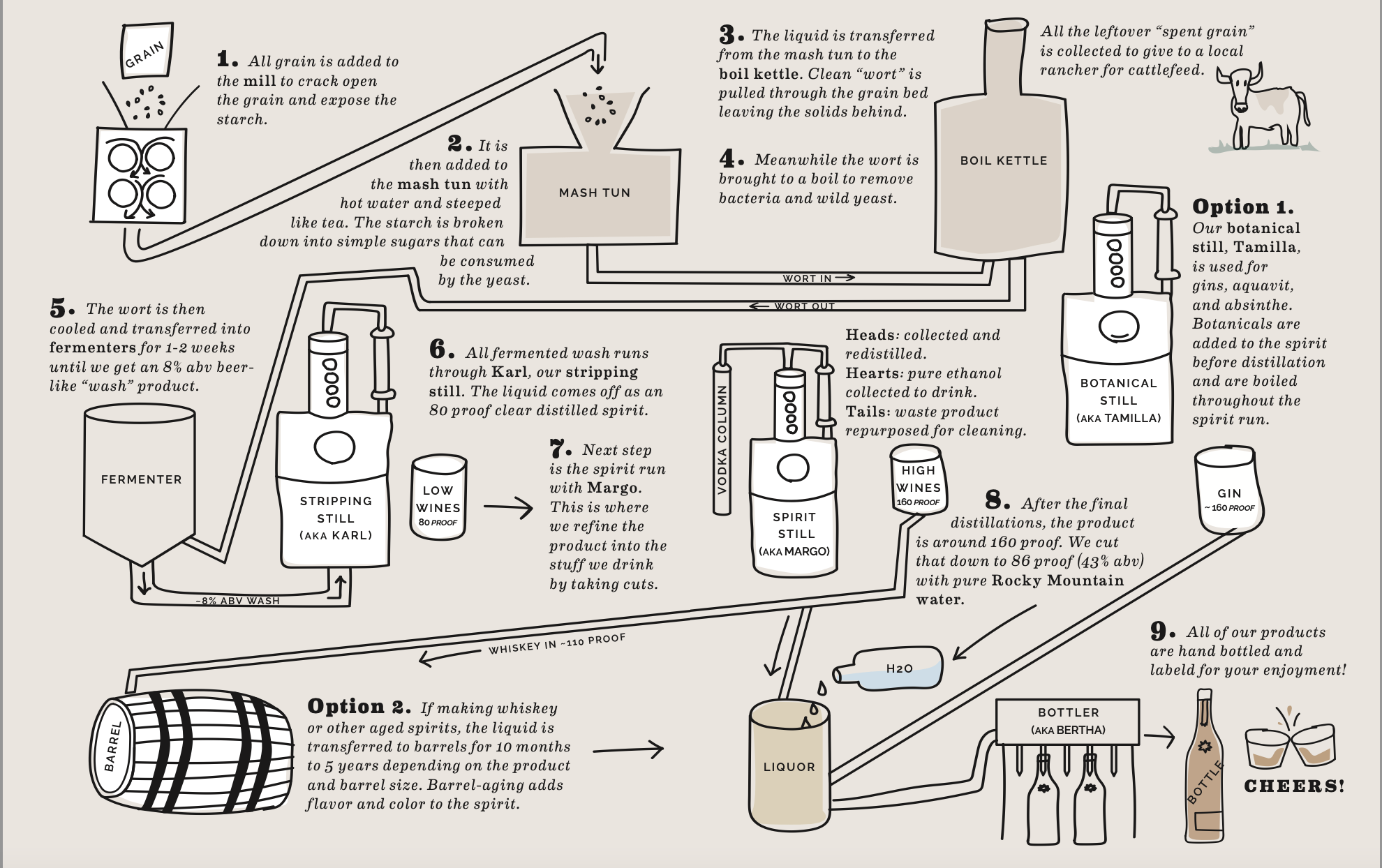
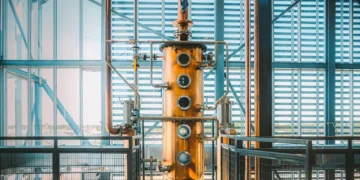
Our Distilling Process — Ironton Distillery & Crafthouse

The Distillation Process: Removing the “Essence”?

The first hurdle in understanding whether grain spirits can have terroir is the distillation process itself. Distillation, by design, is a method of purification that involves boiling a fermented liquid and collecting the vapor to separate the alcohol from the other compounds. This process is intended to concentrate the alcohol, resulting in a purer product.

Unlike wine, which is fermented and bottled in its natural state, grain spirits undergo a significant transformation that removes many of the flavor compounds from the original raw materials. While the fermentation stage can impart some flavors to the final product (especially in spirits like gin, which rely heavily on botanicals), the distillation process itself tends to remove much of the “essence” of the grain or base ingredients. This presents a challenge when it comes to terroir: if much of the flavor profile of the raw material is distilled away, can any true expression of place remain?

While the distillation process might strip away some of the more delicate characteristics of the grains, it does not completely erase them. The choice of grain used, whether it’s barley for whiskey, rye for rye whiskey, or wheat for vodka, still has an impact on the flavor. But what is more apparent in spirits like whiskey is that, unlike wine, the environment—especially the aging process—becomes far more influential in the final product.

The Role of Grain in Terroir

Even though grain spirits undergo significant transformation during distillation, the base grains themselves do play an important role in the final flavor profile. Just as grapes vary from region to region, so too do the grains that go into spirits.

For instance, barley grown in Scotland for Scotch whisky will have a different flavor profile than barley grown in the Midwest of the United States, thanks to differences in soil, climate, and farming practices. The same goes for other grains: rye, wheat, corn, and even more exotic grains like millet or quinoa are used in spirit production, and each has its own subtle flavor characteristics.

In whiskey, for example, the type of grain used can impart different flavors to the final product. Bourbon, which is made primarily from corn, has a distinct sweetness, while rye whiskey, made with at least 51% rye, tends to be spicier and more robust. Similarly, in vodka, although it is often highly refined to achieve a neutral flavor, the base grain can still subtly influence the texture and mouthfeel of the spirit.

While grains themselves might not offer the same complexity as wine grapes, they are still influenced by the terroir of the region where they are grown. For example, wheat grown in the fertile plains of Eastern Europe may taste different from wheat grown in Canada or the United States, even if processed into the same type of vodka.

The Aging Process: Where Terroir Can Shine

A major factor in the terroir of spirits, especially whiskey, is the aging process. Unlike wine, which ages in its natural environment and in the bottle, spirits like whiskey typically age in wooden casks, which add additional layers of flavor and complexity. The type of wood used, the size of the casks, the temperature of the warehouse, and even the seasonal shifts all have a significant impact on the final product.
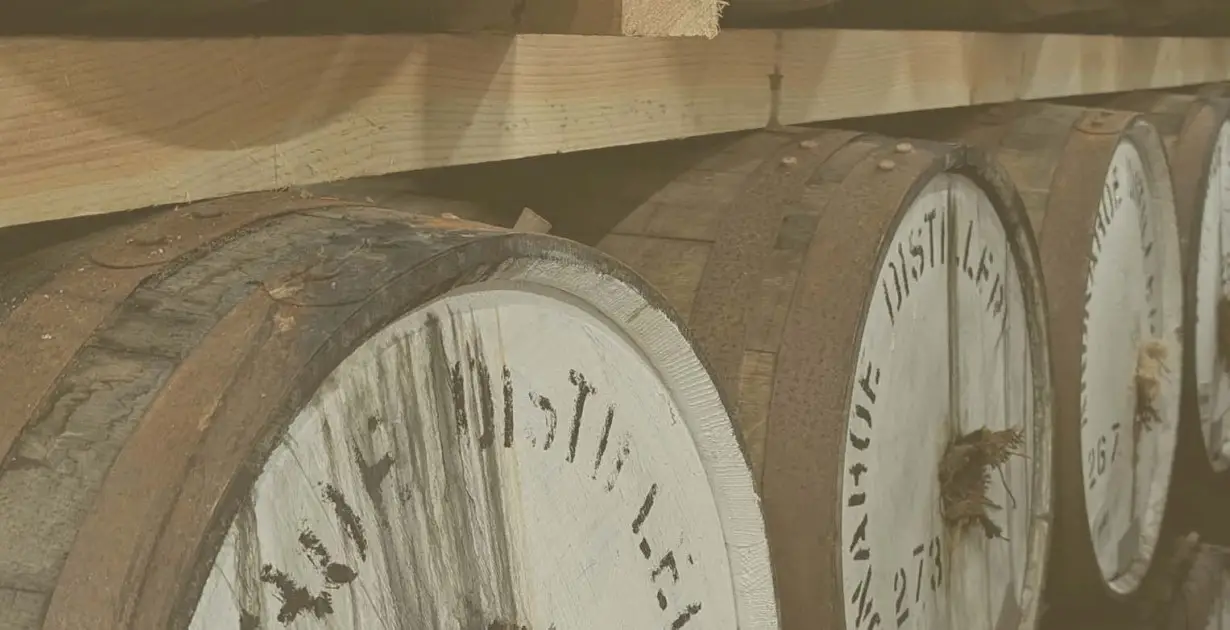
How Long Can I Keep A Whiskey Barrel? | The Whiskey Wash

In regions like Kentucky, the hot summers and cold winters cause the whiskey to expand and contract in the barrels, drawing different flavors from the wood over time. The charred interior of the barrel adds smokiness and caramelization, while the interaction between the spirit and the wood imparts flavors of vanilla, oak, and spice. The location of the distillery, and the way the climate affects the aging process, plays a role similar to how terroir affects wine.

Whiskey makers are keenly aware of how their barrels interact with the climate, and many distillers select specific barrel-aging techniques to emphasize their region’s unique character. For example, Scottish distilleries may use American oak barrels that have previously held bourbon, while Irish whiskey producers may use a mix of sherry casks and new oak. Each of these choices influences the final flavor in ways that reflect both the raw materials and the environment.

The Influence of Distilling Methods

Another factor to consider is the distillation method. Traditional pot stills, often used in small-batch or craft whiskey and gin production, can bring out more of the raw characteristics of the grain and yeast, allowing more complex flavors to shine through. Pot still distillation is slower and gentler, meaning it preserves more of the original flavors, which can carry some of the terroir of the grain and even the water source used during production.

On the other hand, column stills, which are typically used in larger-scale production, result in a cleaner, more neutral spirit. While this method doesn’t focus as much on preserving the grain’s nuances, it does still leave room for some environmental factors to affect the final product. Smaller distilleries are increasingly embracing the art of pot still distilling, reviving old-world methods that allow terroir to have a more pronounced impact.

Craft Distilling and the Search for Terroir

As the craft distilling movement has gained momentum over the past few decades, many small distilleries have embraced the concept of terroir. These distillers are experimenting with local grains, water sources, and even wild yeast strains to create a more distinctive expression of place. While the large-scale distillers might focus on producing large quantities of relatively neutral spirits, the craft distillers are keen on producing products that showcase their local environment.

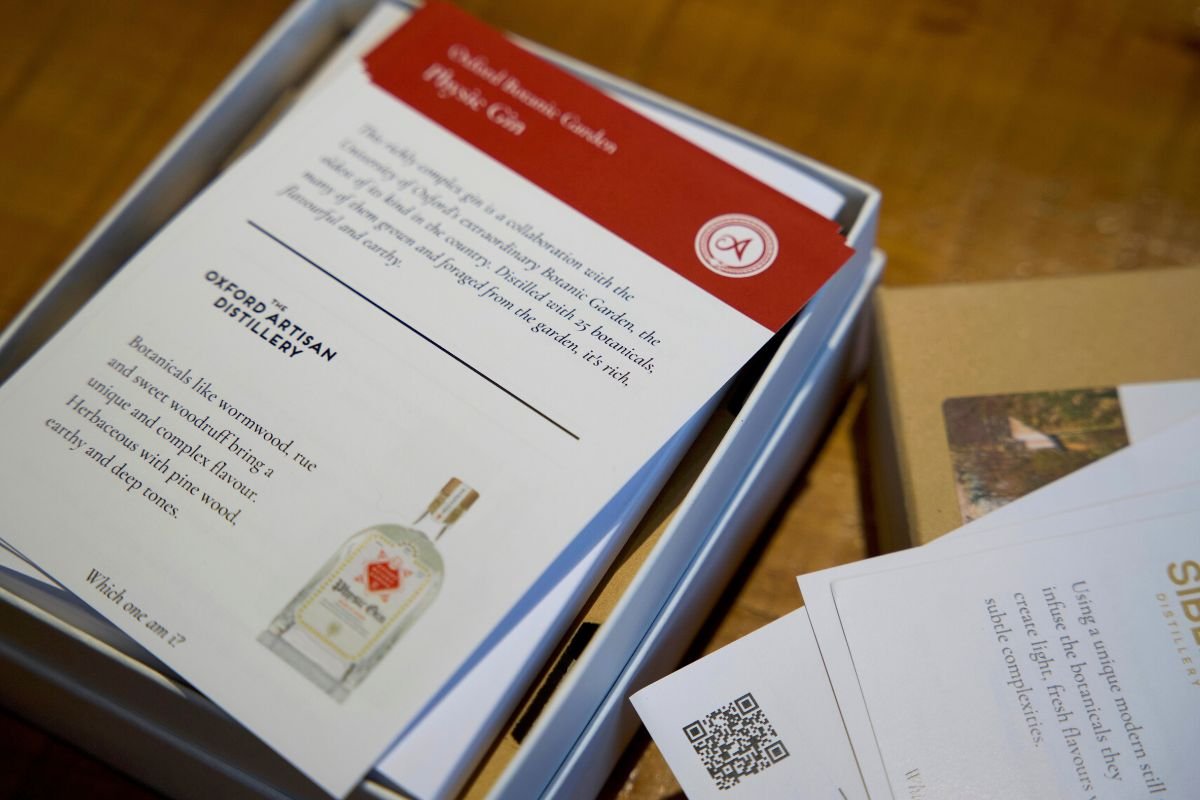
For example, craft gin makers are often very particular about the botanicals they use, sourcing them from local farms and forests. Similarly, some whiskey producers have turned their attention to using locally grown barley or rye to emphasize the flavors of the land. These craft products may not have the complexity or the longevity of a wine’s terroir, but they do reflect a growing interest in the influence of place on spirits.

Conclusion: Can Grain Spirits Truly Express Terroir?

While grain spirits may never express terroir in the same complex, nuanced way that wine does, they certainly have the potential to reflect their environment. The grains themselves, the water, the climate, the aging process, and the distilling methods all play a role in creating a spirit that speaks to its origin. In particular, whiskey, with its emphasis on aging in wooden casks, offers the clearest example of how terroir might be expressed in a distilled spirit.

However, just as with wine, there is no simple answer. Terroir in spirits is a complex interplay of factors, and each distillery and region will have its own unique expression. As more distillers embrace terroir and the connection between their products and the land, the definition of what constitutes terroir in spirits will continue to evolve.

In the end, grain spirits may never quite match the level of terroir expression seen in wine. But that doesn’t mean they are any less connected to the earth from which they came. With a deeper appreciation for their craft, these spirits are beginning to find their own place in the growing conversation around terroir in beverages.

Tags: grain spiritsterroirwhiskey production
ShareTweetShare

Related Posts

Can Beer Be an Effective Ingredient in Culinary Cooking?
ALL

Can Beer Be an Effective Ingredient in Culinary Cooking?

January 22, 2026
Second Fermentation in Champagne: Is It Really That Crucial?
ALL

Second Fermentation in Champagne: Is It Really That Crucial?

January 22, 2026
How Do Different Grains Impact the Flavor Profile of Distilled Spirits?
ALL

How Do Different Grains Impact the Flavor Profile of Distilled Spirits?

January 22, 2026
How Do Whiskey Master Blenders Create Perfection?
ALL

How Do Whiskey Master Blenders Create Perfection?

January 22, 2026
Wine Pairings: Can They Change the Flavor Profile of a Dish?
ALL

Wine Pairings: Can They Change the Flavor Profile of a Dish?

January 22, 2026
Beer the Ultimate Beverage for Pairing with Spicy Food?
ALL

Beer the Ultimate Beverage for Pairing with Spicy Food?

January 21, 2026
Leave Comment
  • Trending
  • Comments
  • Latest
What Hidden Craftsmanship Lies Behind a Bottle of Quality Grain Spirits?

What Hidden Craftsmanship Lies Behind a Bottle of Quality Grain Spirits?

July 3, 2025
How Is Champagne Made? The Secrets Behind the Sparkle

How Is Champagne Made? The Secrets Behind the Sparkle

April 15, 2025
Grain Spirits vs. Traditional Distilled Spirits: Which One Suits Your Taste?

Grain Spirits vs. Traditional Distilled Spirits: Which One Suits Your Taste?

July 3, 2025
Champagne Bubbles: How Do They Perfectly Convey Celebration, Joy, and Luxury?

Champagne Bubbles: How Do They Perfectly Convey Celebration, Joy, and Luxury?

July 2, 2025
The Timeless Elegance of Wine: A Journey Through History and Culture

The Timeless Elegance of Wine: A Journey Through History and Culture

Why Is Château Lafite Rothschild the Pinnacle of Fine Wine?

Why Is Château Lafite Rothschild the Pinnacle of Fine Wine?

How Did Château Lafite Rothschild Become a Global Icon of Luxury?

How Did Château Lafite Rothschild Become a Global Icon of Luxury?

What Makes Chateau Lafite Rothschild the Pinnacle of Bordeaux Wines?

What Makes Chateau Lafite Rothschild the Pinnacle of Bordeaux Wines?

Can Beer Be an Effective Ingredient in Culinary Cooking?

Can Beer Be an Effective Ingredient in Culinary Cooking?

January 22, 2026
Second Fermentation in Champagne: Is It Really That Crucial?

Second Fermentation in Champagne: Is It Really That Crucial?

January 22, 2026
How Do Different Grains Impact the Flavor Profile of Distilled Spirits?

How Do Different Grains Impact the Flavor Profile of Distilled Spirits?

January 22, 2026
How Do Whiskey Master Blenders Create Perfection?

How Do Whiskey Master Blenders Create Perfection?

January 22, 2026
SipsavorLife

Welcome to our comprehensive beverage guide, where you can explore the fascinating world of alcoholic drinks. From exquisite wines and rich whiskeys to refreshing beers and sparkling champagnes, we provide insights, tips, and recommendations for enthusiasts and casual drinkers alike. Discover your next favorite libation with us!

© 2025 sipsavorlife.com. contacts:sipsavorlife-35376@gmail.com

No Result
View All Result
  • Home
  • Wine
  • Whiskey
  • Beer
  • Grain Spirits
  • Champagne
  • ALL

© 2025 sipsavorlife.com. contacts:sipsavorlife-35376@gmail.com

Welcome Back!

Login to your account below

Forgotten Password?

Retrieve your password

Please enter your username or email address to reset your password.

Log In