






























SipsavorLife
  • Home
  • Wine
    Wine Pairings: Can They Change the Flavor Profile of a Dish?

    Wine Pairings: Can They Change the Flavor Profile of a Dish?

    How Do Wine Glasses Influence the Tasting Experience?

    How Do Wine Glasses Influence the Tasting Experience?

    Is Organic Wine Healthier Than Conventional Wine?

    Is Organic Wine Healthier Than Conventional Wine?

    Why Do Some Wines Taste Better from Specific Vintages?

    Why Do Some Wines Taste Better from Specific Vintages?

    Wine Tasting: Can It Truly Be an Art Form?

    Wine Tasting: Can It Truly Be an Art Form?

    What Does Terroir Actually Mean for Your Wine?

    What Does Terroir Actually Mean for Your Wine?

  • Whiskey
    Can Beer Be an Effective Ingredient in Culinary Cooking?

    Can Beer Be an Effective Ingredient in Culinary Cooking?

    Second Fermentation in Champagne: Is It Really That Crucial?

    Second Fermentation in Champagne: Is It Really That Crucial?

    How Do Different Grains Impact the Flavor Profile of Distilled Spirits?

    How Do Different Grains Impact the Flavor Profile of Distilled Spirits?

    How Do Whiskey Master Blenders Create Perfection?

    How Do Whiskey Master Blenders Create Perfection?

    Wine Pairings: Can They Change the Flavor Profile of a Dish?

    Wine Pairings: Can They Change the Flavor Profile of a Dish?

    Beer the Ultimate Beverage for Pairing with Spicy Food?

    Beer the Ultimate Beverage for Pairing with Spicy Food?

  • Beer
    Can Beer Be an Effective Ingredient in Culinary Cooking?

    Can Beer Be an Effective Ingredient in Culinary Cooking?

    Beer the Ultimate Beverage for Pairing with Spicy Food?

    Beer the Ultimate Beverage for Pairing with Spicy Food?

    How Did Ancient Civilizations Brew Beer Without Modern Technology?

    How Did Ancient Civilizations Brew Beer Without Modern Technology?

    Is It Possible to Brew a Beer with No Alcohol and No Compromise on Taste?

    Is It Possible to Brew a Beer with No Alcohol and No Compromise on Taste?

    Why Does Beer Taste Different at High Altitudes?

    Why Does Beer Taste Different at High Altitudes?

    Is Hops the Secret Ingredient Behind Beer’s Bold Flavor?

    Is Hops the Secret Ingredient Behind Beer’s Bold Flavor?

  • Grain Spirits
    How Do Different Grains Impact the Flavor Profile of Distilled Spirits?

    How Do Different Grains Impact the Flavor Profile of Distilled Spirits?

    Grain Spirits the Unsung Heroes of Modern Mixology

    Grain Spirits the Unsung Heroes of Modern Mixology

    What Makes Grain-Based Whiskey So Different from Its Peated Cousins?

    What Makes Grain-Based Whiskey So Different from Its Peated Cousins?

    Grain Spirits: Could They Be the Next Big Trend in Craft Cocktails?

    Grain Spirits: Could They Be the Next Big Trend in Craft Cocktails?

    Why Are Grain Spirits Often Overlooked in the World of Fine Liquor?

    Why Are Grain Spirits Often Overlooked in the World of Fine Liquor?

    Is There a Secret Art to Distilling Grain Spirits?

    Is There a Secret Art to Distilling Grain Spirits?

  • Champagne
    Second Fermentation in Champagne: Is It Really That Crucial?

    Second Fermentation in Champagne: Is It Really That Crucial?

    The Science Behind the ‘Bubble Size’ in Champagne

    The Science Behind the ‘Bubble Size’ in Champagne

    Why Do Some Champagnes Use a High Proportion of Pinot Meunier?

    Why Do Some Champagnes Use a High Proportion of Pinot Meunier?

    Role of Terroir in Champagne Production

    Role of Terroir in Champagne Production

    Champagne Can Be Aged in Wood?

    Champagne Can Be Aged in Wood?

    Is There a Difference Between Blanc de Blancs and Blanc de Noirs Champagne?

    Is There a Difference Between Blanc de Blancs and Blanc de Noirs Champagne?

  • ALL
    Can Beer Be an Effective Ingredient in Culinary Cooking?

    Can Beer Be an Effective Ingredient in Culinary Cooking?

    Second Fermentation in Champagne: Is It Really That Crucial?

    Second Fermentation in Champagne: Is It Really That Crucial?

    How Do Different Grains Impact the Flavor Profile of Distilled Spirits?

    How Do Different Grains Impact the Flavor Profile of Distilled Spirits?

    How Do Whiskey Master Blenders Create Perfection?

    How Do Whiskey Master Blenders Create Perfection?

    Wine Pairings: Can They Change the Flavor Profile of a Dish?

    Wine Pairings: Can They Change the Flavor Profile of a Dish?

    Beer the Ultimate Beverage for Pairing with Spicy Food?

    Beer the Ultimate Beverage for Pairing with Spicy Food?

SipsavorLife
  • Home
  • Wine
    Wine Pairings: Can They Change the Flavor Profile of a Dish?

    Wine Pairings: Can They Change the Flavor Profile of a Dish?

    How Do Wine Glasses Influence the Tasting Experience?

    How Do Wine Glasses Influence the Tasting Experience?

    Is Organic Wine Healthier Than Conventional Wine?

    Is Organic Wine Healthier Than Conventional Wine?

    Why Do Some Wines Taste Better from Specific Vintages?

    Why Do Some Wines Taste Better from Specific Vintages?

    Wine Tasting: Can It Truly Be an Art Form?

    Wine Tasting: Can It Truly Be an Art Form?

    What Does Terroir Actually Mean for Your Wine?

    What Does Terroir Actually Mean for Your Wine?

  • Whiskey
    Can Beer Be an Effective Ingredient in Culinary Cooking?

    Can Beer Be an Effective Ingredient in Culinary Cooking?

    Second Fermentation in Champagne: Is It Really That Crucial?

    Second Fermentation in Champagne: Is It Really That Crucial?

    How Do Different Grains Impact the Flavor Profile of Distilled Spirits?

    How Do Different Grains Impact the Flavor Profile of Distilled Spirits?

    How Do Whiskey Master Blenders Create Perfection?

    How Do Whiskey Master Blenders Create Perfection?

    Wine Pairings: Can They Change the Flavor Profile of a Dish?

    Wine Pairings: Can They Change the Flavor Profile of a Dish?

    Beer the Ultimate Beverage for Pairing with Spicy Food?

    Beer the Ultimate Beverage for Pairing with Spicy Food?

  • Beer
    Can Beer Be an Effective Ingredient in Culinary Cooking?

    Can Beer Be an Effective Ingredient in Culinary Cooking?

    Beer the Ultimate Beverage for Pairing with Spicy Food?

    Beer the Ultimate Beverage for Pairing with Spicy Food?

    How Did Ancient Civilizations Brew Beer Without Modern Technology?

    How Did Ancient Civilizations Brew Beer Without Modern Technology?

    Is It Possible to Brew a Beer with No Alcohol and No Compromise on Taste?

    Is It Possible to Brew a Beer with No Alcohol and No Compromise on Taste?

    Why Does Beer Taste Different at High Altitudes?

    Why Does Beer Taste Different at High Altitudes?

    Is Hops the Secret Ingredient Behind Beer’s Bold Flavor?

    Is Hops the Secret Ingredient Behind Beer’s Bold Flavor?

  • Grain Spirits
    How Do Different Grains Impact the Flavor Profile of Distilled Spirits?

    How Do Different Grains Impact the Flavor Profile of Distilled Spirits?

    Grain Spirits the Unsung Heroes of Modern Mixology

    Grain Spirits the Unsung Heroes of Modern Mixology

    What Makes Grain-Based Whiskey So Different from Its Peated Cousins?

    What Makes Grain-Based Whiskey So Different from Its Peated Cousins?

    Grain Spirits: Could They Be the Next Big Trend in Craft Cocktails?

    Grain Spirits: Could They Be the Next Big Trend in Craft Cocktails?

    Why Are Grain Spirits Often Overlooked in the World of Fine Liquor?

    Why Are Grain Spirits Often Overlooked in the World of Fine Liquor?

    Is There a Secret Art to Distilling Grain Spirits?

    Is There a Secret Art to Distilling Grain Spirits?

  • Champagne
    Second Fermentation in Champagne: Is It Really That Crucial?

    Second Fermentation in Champagne: Is It Really That Crucial?

    The Science Behind the ‘Bubble Size’ in Champagne

    The Science Behind the ‘Bubble Size’ in Champagne

    Why Do Some Champagnes Use a High Proportion of Pinot Meunier?

    Why Do Some Champagnes Use a High Proportion of Pinot Meunier?

    Role of Terroir in Champagne Production

    Role of Terroir in Champagne Production

    Champagne Can Be Aged in Wood?

    Champagne Can Be Aged in Wood?

    Is There a Difference Between Blanc de Blancs and Blanc de Noirs Champagne?

    Is There a Difference Between Blanc de Blancs and Blanc de Noirs Champagne?

  • ALL
    Can Beer Be an Effective Ingredient in Culinary Cooking?

    Can Beer Be an Effective Ingredient in Culinary Cooking?

    Second Fermentation in Champagne: Is It Really That Crucial?

    Second Fermentation in Champagne: Is It Really That Crucial?

    How Do Different Grains Impact the Flavor Profile of Distilled Spirits?

    How Do Different Grains Impact the Flavor Profile of Distilled Spirits?

    How Do Whiskey Master Blenders Create Perfection?

    How Do Whiskey Master Blenders Create Perfection?

    Wine Pairings: Can They Change the Flavor Profile of a Dish?

    Wine Pairings: Can They Change the Flavor Profile of a Dish?

    Beer the Ultimate Beverage for Pairing with Spicy Food?

    Beer the Ultimate Beverage for Pairing with Spicy Food?

SipsavorLife
No Result
View All Result
Home ALL

Is Blanc de Blancs More About Structure Than Freshness?

January 6, 2026
in ALL, Champagne
Is Blanc de Blancs More About Structure Than Freshness?

When it comes to Champagne, few expressions evoke as much intrigue and debate as Blanc de Blancs. Translated literally as “white from whites,” this style of Champagne is produced exclusively from Chardonnay grapes, a detail that, while seemingly simple, carries immense implications for the wine’s personality, aging potential, and gastronomic appeal. For enthusiasts and novices alike, the question often arises: Is Blanc de Blancs more about structure than freshness? To answer this, we need to dive into the heart of its viticulture, vinification, and tasting philosophy, while exploring why this elegant Champagne might just lean more on architectural finesse than immediate vibrancy.


The Anatomy of Blanc de Blancs

Blanc de Blancs Champagne is a singular canvas for Chardonnay. Unlike blends that incorporate Pinot Noir or Pinot Meunier, it offers a pure lens into this grape’s character, highlighting its inherent acidity, minerality, and subtle fruit profiles. This purity is not simply aesthetic; it shapes the wine’s structural backbone, giving it a tension and precision often described as “architectural.”

Where other Champagnes rely on the interplay of multiple varietals for balance and breadth, Blanc de Blancs depends on Chardonnay’s innate qualities. Its acidity is sharp but elegant, acting as both a flavor driver and a scaffold for aging. The minerality—a reflection of the chalky soils of the Côte des Blancs—is not merely a whisper of terroir but a defining structural element that underpins its texture. These features suggest that, from the outset, Blanc de Blancs is designed with longevity and framework in mind, often even more than immediate freshness.


Freshness in Champagne: A Brief Overview

Freshness in sparkling wine is commonly associated with bright fruit aromas, lively acidity, and an overall sense of vibrancy on the palate. In Champagne, this translates into crisp apple, citrus, and floral notes that can deliver instant gratification. Many non-vintage Champagnes prioritize freshness to appeal to broader audiences, offering sparkling wines that feel energetic and youthful, ready to pair with a variety of casual dining experiences.

However, Blanc de Blancs often presents a nuanced challenge to this paradigm. While freshness is never absent—it is, after all, a hallmark of Chardonnay—the emphasis often tilts toward structure. The wine’s design encourages extended aging, slow evolution of flavors, and a textural complexity that rewards patience. It’s less about instant “pop and zing” and more about building a framework that can support subtlety, restraint, and refinement over time.


Structure as the Silent Hero

In wine, structure refers to the interplay of acidity, tannin (when present), and body, forming the skeleton on which flavor and aromatic complexity rest. For Blanc de Blancs, the structure is primarily delivered by acidity and mineral backbone, supported by tertiary development during aging. This is particularly evident in vintage Champagnes and those subjected to prolonged sur lie aging, where the wine rests on its yeast lees.

Lees aging contributes not only texture but a depth that balances the high acidity. Over time, the wine develops nutty, creamy, and brioche-like layers that do not scream “fresh citrus” but instead offer an architectural complexity. Here, the structure takes center stage, and freshness, while present, becomes a subtle complement rather than the dominant feature.

This is one reason why Blanc de Blancs often surprises casual Champagne drinkers who expect bright, fruity immediacy. Its appeal is intellectual as well as sensory—a wine to be admired for precision, layering, and meticulous construction, rather than simply drunk for instant refreshment.


Terroir and Its Influence

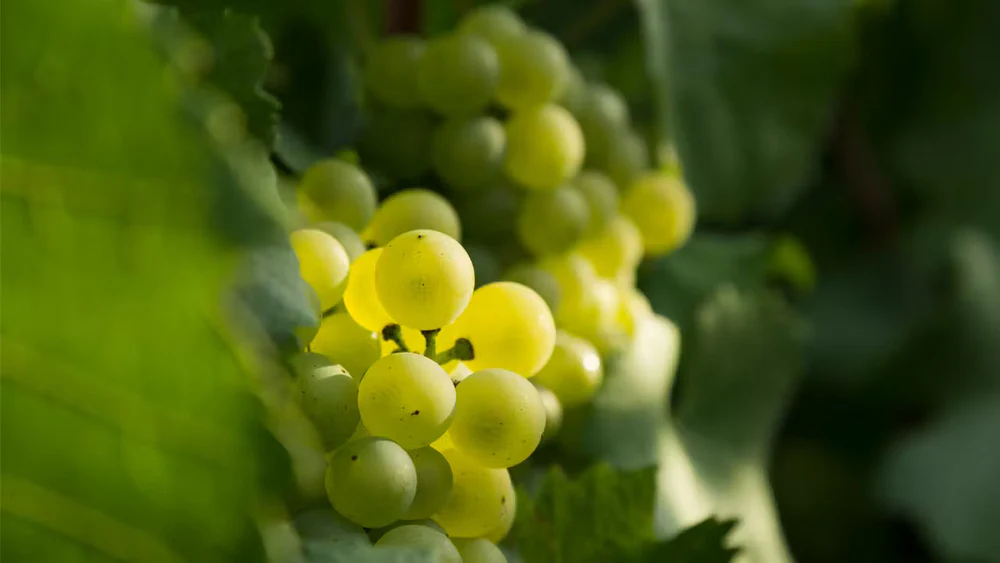
Cluster Chardonnay Vine Mature Cluster Of Chardonnay Wine Grapes On The Vine  On River Road

The terroir of the Côte des Blancs, particularly villages such as Avize, Cramant, and Chouilly, profoundly informs the structural character of Blanc de Blancs. Chalky soils provide not only mineral expression but also natural drainage that regulates grape ripeness, contributing to fine acidity and concentrated flavors. This terroir-driven structure emphasizes the wine’s longevity and textural finesse, supporting complex aromatics that develop slowly over time.

By contrast, freshness is more ephemeral. While a vibrant mineral note may strike the palate early, it is the slow emergence of layered flavors—from citrus peel to white flowers to hazelnut—that defines the Blanc de Blancs experience. Structure, then, is both a reflection of nature and the meticulous artistry of the winemaker.


Winemaking Decisions that Emphasize Structure

Several vinification practices amplify the structural qualities of Blanc de Blancs. These include:

  1. Extended Lees Aging: Allowing the wine to rest on lees for years enhances texture, mouthfeel, and aromatic complexity.
  2. Low Dosage: Minimal sugar addition preserves acidity and sharpens structure, preventing premature softness.
  3. Controlled Fermentation: Many producers use small oak barrels or stainless steel with precise temperature control, balancing freshness with body.
  4. Vintage Selection: Vintage Blanc de Blancs, made from a single year’s harvest, often showcases a stronger structural framework due to higher concentration and uniformity of grapes.

Each of these choices subtly shifts the focus from immediate freshness to longevity, poise, and skeletal precision.


Tasting Profile: Reading Structure Over Freshness

When tasting a Blanc de Blancs, you may notice:

POP THE CORK! OUR CHAMPAGNE 101 GUIDE – Simply Buckhead
  • Aromas: Citrus, green apple, white flowers, chalk, and faint almond or hazelnut. These aromas signal both freshness and the potential for aging.
  • Palate: High, precise acidity; medium-bodied texture; a mineral-driven backbone; subtle creaminess from lees contact.
  • Finish: Often long and evolving, with a focus on structural tension rather than ephemeral fruit notes.

In contrast, non-vintage blends or Blanc de Noirs may emphasize instant vibrancy, juiciness, and aromatic brightness, making them feel “fresher” in a conventional sense. Blanc de Blancs is less about the first impression and more about lasting impression.


Food Pairing and Culinary Synergy

Blanc de Blancs’ structured profile makes it exceptionally versatile at the table. Its acidity cuts through richness, while its minerality harmonizes with delicate flavors. Some classic pairings include:

  • Seafood: Oysters, scallops, and poached fish benefit from the wine’s precision.
  • Poultry: Lightly roasted chicken or turkey gains a textural counterpoint.
  • Cheese: Soft, creamy cheeses like Brie or Chèvre highlight the wine’s finesse.
  • Asian Cuisine: Sushi, sashimi, or lightly spiced dishes are elevated by the wine’s restraint and clarity.

Notice how these pairings reward the wine’s structure rather than its immediate freshness. The dishes allow the wine’s layers and backbone to shine, enhancing both palate and experience.


The Debate: Structure vs. Freshness

So, is Blanc de Blancs really more about structure than freshness? Evidence strongly suggests yes, though the wine is not devoid of vibrancy. Its elegance, acidity, and mineral tension provide the framework, while freshness—citrus lift, floral notes—is the finishing flourish.

For those accustomed to sparkling wines that shout their youth, Blanc de Blancs may initially feel restrained. But for enthusiasts who appreciate precision, aging potential, and intellectual enjoyment, the structural dominance is precisely the point. It invites a slower, more contemplative approach to tasting, rewarding patience and attentiveness.


The Broader Context: Champagne as Architecture

If we view Champagne as a form of architecture rather than mere refreshment, Blanc de Blancs embodies the concept of a well-built edifice. Every component—acidity, minerality, body, and yeast complexity—serves as a beam, column, or foundation. By contrast, wines focused on freshness are more like a colorful, ephemeral installation, designed to dazzle immediately but fade quickly. Blanc de Blancs teaches that beauty can be found in precision, balance, and measured evolution.


Conclusion

Blanc de Blancs is a testament to the artistry of Chardonnay and the elegance of Champagne craftsmanship. While freshness is certainly present and essential, the wine’s soul lies in structure—its architectural tension, aging potential, and layered complexity. For those willing to savor it slowly, it offers rewards far beyond immediate enjoyment, revealing a sophisticated balance between restraint, finesse, and long-lasting impression.

The next time you encounter a Blanc de Blancs, approach it like a masterwork: appreciate the scaffolding beneath the surface, note how freshness dances lightly atop structure, and revel in the quiet genius of a wine designed to endure.


Tags: champagnesparkling wineterroirvintage Champagne
ShareTweetShare

Related Posts

Can Beer Be an Effective Ingredient in Culinary Cooking?
ALL

Can Beer Be an Effective Ingredient in Culinary Cooking?

January 22, 2026
Second Fermentation in Champagne: Is It Really That Crucial?
ALL

Second Fermentation in Champagne: Is It Really That Crucial?

January 22, 2026
How Do Different Grains Impact the Flavor Profile of Distilled Spirits?
ALL

How Do Different Grains Impact the Flavor Profile of Distilled Spirits?

January 22, 2026
How Do Whiskey Master Blenders Create Perfection?
ALL

How Do Whiskey Master Blenders Create Perfection?

January 22, 2026
Wine Pairings: Can They Change the Flavor Profile of a Dish?
ALL

Wine Pairings: Can They Change the Flavor Profile of a Dish?

January 22, 2026
Beer the Ultimate Beverage for Pairing with Spicy Food?
ALL

Beer the Ultimate Beverage for Pairing with Spicy Food?

January 21, 2026
Leave Comment
  • Trending
  • Comments
  • Latest
What Hidden Craftsmanship Lies Behind a Bottle of Quality Grain Spirits?

What Hidden Craftsmanship Lies Behind a Bottle of Quality Grain Spirits?

July 3, 2025
How Is Champagne Made? The Secrets Behind the Sparkle

How Is Champagne Made? The Secrets Behind the Sparkle

April 15, 2025
Grain Spirits vs. Traditional Distilled Spirits: Which One Suits Your Taste?

Grain Spirits vs. Traditional Distilled Spirits: Which One Suits Your Taste?

July 3, 2025
Champagne Bubbles: How Do They Perfectly Convey Celebration, Joy, and Luxury?

Champagne Bubbles: How Do They Perfectly Convey Celebration, Joy, and Luxury?

July 2, 2025
The Timeless Elegance of Wine: A Journey Through History and Culture

The Timeless Elegance of Wine: A Journey Through History and Culture

Why Is Château Lafite Rothschild the Pinnacle of Fine Wine?

Why Is Château Lafite Rothschild the Pinnacle of Fine Wine?

How Did Château Lafite Rothschild Become a Global Icon of Luxury?

How Did Château Lafite Rothschild Become a Global Icon of Luxury?

What Makes Chateau Lafite Rothschild the Pinnacle of Bordeaux Wines?

What Makes Chateau Lafite Rothschild the Pinnacle of Bordeaux Wines?

Can Beer Be an Effective Ingredient in Culinary Cooking?

Can Beer Be an Effective Ingredient in Culinary Cooking?

January 22, 2026
Second Fermentation in Champagne: Is It Really That Crucial?

Second Fermentation in Champagne: Is It Really That Crucial?

January 22, 2026
How Do Different Grains Impact the Flavor Profile of Distilled Spirits?

How Do Different Grains Impact the Flavor Profile of Distilled Spirits?

January 22, 2026
How Do Whiskey Master Blenders Create Perfection?

How Do Whiskey Master Blenders Create Perfection?

January 22, 2026
SipsavorLife

Welcome to our comprehensive beverage guide, where you can explore the fascinating world of alcoholic drinks. From exquisite wines and rich whiskeys to refreshing beers and sparkling champagnes, we provide insights, tips, and recommendations for enthusiasts and casual drinkers alike. Discover your next favorite libation with us!

© 2025 sipsavorlife.com. contacts:sipsavorlife-35376@gmail.com

No Result
View All Result
  • Home
  • Wine
  • Whiskey
  • Beer
  • Grain Spirits
  • Champagne
  • ALL

© 2025 sipsavorlife.com. contacts:sipsavorlife-35376@gmail.com

Welcome Back!

Login to your account below

Forgotten Password?

Retrieve your password

Please enter your username or email address to reset your password.

Log In





