




























Whiskey. Bourbon. Scotch. Rye. These spirits share an almost mystical reputation for sophistication, complexity, and—let’s be honest—a little bit of intimidation. But at the core of what makes a whiskey sing, there are two heavy hitters in the debate: grain choice and aging. Connoisseurs and casual drinkers alike often assume that aging in barrels is the ultimate key to quality, but is that really the case? Could the very foundation of the spirit—its grains—matter even more than decades in oak? Let’s dive in.
The Building Blocks: What Grain Brings to the Table
Every whiskey starts with grains. Think of grains as the personality of the spirit, while barrels shape how that personality expresses itself. Common grains include:
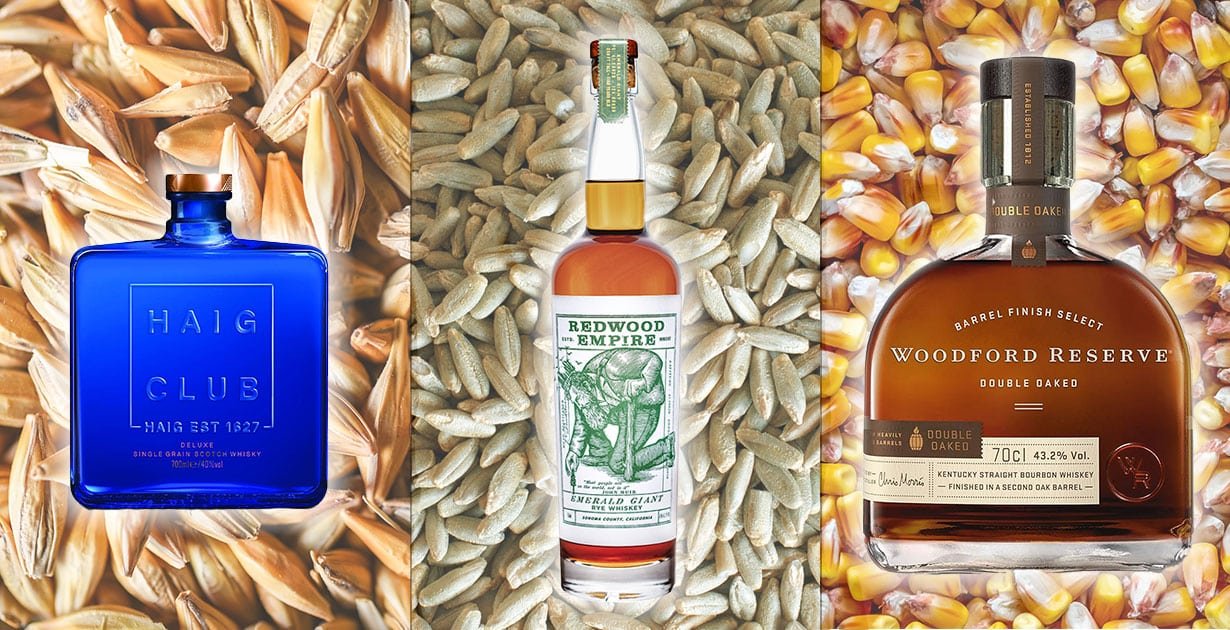
- Barley: Often associated with malt whiskey and Scotch, barley provides rich, malty sweetness and a hint of cereal character.
- Corn: The heart of bourbon, corn offers creaminess, caramel, and subtle sweetness that dominates the palate.
- Rye: Known for its spice-forward profile, rye gives a bold, peppery punch and dryness that balances heavier flavors.
- Wheat: Softer and rounder, wheat produces smooth, gentle spirits that are often described as “velvety.”
The choice of grain—or, in most cases, the combination of grains—affects everything from aroma to mouthfeel. A bourbon with high rye content will taste dramatically different from a wheated bourbon, even if both spend 12 years in the same barrel. Grain acts like the DNA of the whiskey; barrels can enhance it, but they rarely override it entirely.
Aging: The Mythical Magic of Barrels
Aging is often portrayed as the holy grail of whiskey making. Oak barrels, especially American white oak, impart flavors of vanilla, caramel, tannin, and spice. The longer a whiskey rests, the more it interacts with the wood, extracting compounds that deepen its character.
Yet, here’s a nuance: aging doesn’t create flavor from nothing. If the base spirit lacks structure—if the grain selection was weak or imbalanced—no amount of barrel time can completely mask it. Conversely, a masterfully chosen grain mash bill can shine even with minimal aging.
When Grain Choice Outshines Time
Consider this: a new-make spirit—freshly distilled, clear, and pungent—is essentially a blank canvas. The grain defines the foundational notes: sweetness, spice, cereal character, or richness. In some cases, this foundation is so robust that even a few months in a barrel produces a more compelling drink than decades of aging a poorly formulated mash.
Take rye whiskey as an example. Its peppery, robust profile is immediately noticeable, even after short-term aging. The same cannot always be said for a high-corn bourbon with little aging; its sweetness may be cloying without some wood integration.
In short, grain sets the stage; aging provides the dressing. Without a solid stage, no amount of costume or set design can save the play.

The Role of Barrel Interaction
Aging is not just about time; it’s about interaction. Whiskey expands and contracts within the wood, absorbing flavors and oxygen, which in turn transforms the spirit. However, barrels tend to highlight certain aspects of the base grain rather than mask them entirely.
For example:
- Vanilla and caramel notes accentuate corn’s natural sweetness.
- Spice and tannins elevate rye’s bold character.
- Toasty, nutty flavors complement barley’s maltiness.
If the grain lacks personality, barrels have less to enhance. If the grain is exceptional, even a lightly aged whiskey can impress.
Terroir of Grain: An Often-Overlooked Factor
Terroir isn’t just for wine. The environment in which grains are grown—soil, climate, rainfall—impacts flavor. Barley grown in Scotland’s northern reaches tends to have earthy, mineral notes; corn from Kentucky’s limestone-rich soil imparts natural sweetness and depth.
This means two whiskeys with identical mash bills and aging regimens can taste strikingly different simply because of the origin of the grains. Aging alone cannot replicate these subtle but important nuances.
Blending: A Grain Symphony
Many distilleries use blending to balance grain characteristics. Consider a bourbon with 70% corn, 15% rye, and 15% malted barley. Here, corn provides body and sweetness, rye adds spice and backbone, and barley contributes subtle malt complexity.
Even after long aging, a misbalance in the mash bill can lead to an uninteresting or overly aggressive whiskey. In contrast, a well-balanced grain blend can create harmony that shines regardless of barrel age.
Age Statements vs. Grain Quality

Age statements have marketing power. “12 Years Old” or “18 Years Old” evokes prestige and suggests a richer, smoother product. But older isn’t always better. Some distillers intentionally release young whiskeys because their grain choices produce incredible flavor early.
Meanwhile, a poorly chosen grain combination can result in a harsh, one-dimensional whiskey that struggles even after 20 years in oak. This is why blind tastings often favor younger spirits with superior grain selection over older, inferior-grain competitors.
Innovative Grain Experiments
Modern craft distilleries experiment with unusual grains: quinoa, spelt, and even millet. These experiments reveal that grains contribute unique flavors and textures beyond traditional styles. Aging can polish these spirits, but the original grain profile defines their identity.
Case Study: Rye vs. Bourbon
Let’s examine a practical example:
- A 2-year rye whiskey delivers peppery, floral, and herbal notes that excite the palate immediately.
- A 12-year bourbon from mediocre corn may taste sweet but flat, with minimal depth.
Despite the age difference, the rye can outperform the bourbon in complexity, balance, and memorability. This demonstrates the critical role of grain over aging.
Sensory Science: How Our Palates React
Humans are highly sensitive to certain grain-derived flavors:
- Sweetness (corn) triggers immediate pleasure.
- Spice (rye) engages the trigeminal nerve, creating tingling and warmth.
- Malty cereal notes (barley) evoke nostalgia and comfort.
Aging can enhance these sensations, but it cannot compensate for their absence. In essence, grains are the “first impression” of whiskey; barrels refine, but rarely redefine.
The Economics of Grain vs. Aging
Aging requires storage space, capital, and patience. Grain choice is a one-time decision with lasting impact. Distilleries that master grain selection can release younger whiskeys that rival or exceed the profile of older competitors—saving time and money while delivering superior taste.
This is why many small-batch and craft distilleries focus heavily on sourcing exceptional grains and perfecting mash bills before committing to decades-long aging projects.
Conclusion: Grain, the Silent Hero
While aging adds allure, color, and secondary flavors, grain is the foundation upon which all else depends. A poorly chosen grain mash cannot be rescued by 20 years in oak; a brilliant grain combination shines even in a relatively young spirit.
The next time you sip a whiskey, bourbon, or rye, pay attention not only to the barrel-aged notes of caramel, vanilla, and oak but to the subtle whispers of the grain. That’s where the spirit’s soul truly lives. Aging is important, but grain choice is king.