








SipsavorLife
  • Home
  • Wine
    Wine Pairings: Can They Change the Flavor Profile of a Dish?

    Wine Pairings: Can They Change the Flavor Profile of a Dish?

    How Do Wine Glasses Influence the Tasting Experience?

    How Do Wine Glasses Influence the Tasting Experience?

    Is Organic Wine Healthier Than Conventional Wine?

    Is Organic Wine Healthier Than Conventional Wine?

    Why Do Some Wines Taste Better from Specific Vintages?

    Why Do Some Wines Taste Better from Specific Vintages?

    Wine Tasting: Can It Truly Be an Art Form?

    Wine Tasting: Can It Truly Be an Art Form?

    What Does Terroir Actually Mean for Your Wine?

    What Does Terroir Actually Mean for Your Wine?

  • Whiskey
    Can Beer Be an Effective Ingredient in Culinary Cooking?

    Can Beer Be an Effective Ingredient in Culinary Cooking?

    Second Fermentation in Champagne: Is It Really That Crucial?

    Second Fermentation in Champagne: Is It Really That Crucial?

    How Do Different Grains Impact the Flavor Profile of Distilled Spirits?

    How Do Different Grains Impact the Flavor Profile of Distilled Spirits?

    How Do Whiskey Master Blenders Create Perfection?

    How Do Whiskey Master Blenders Create Perfection?

    Wine Pairings: Can They Change the Flavor Profile of a Dish?

    Wine Pairings: Can They Change the Flavor Profile of a Dish?

    Beer the Ultimate Beverage for Pairing with Spicy Food?

    Beer the Ultimate Beverage for Pairing with Spicy Food?

  • Beer
    Can Beer Be an Effective Ingredient in Culinary Cooking?

    Can Beer Be an Effective Ingredient in Culinary Cooking?

    Beer the Ultimate Beverage for Pairing with Spicy Food?

    Beer the Ultimate Beverage for Pairing with Spicy Food?

    How Did Ancient Civilizations Brew Beer Without Modern Technology?

    How Did Ancient Civilizations Brew Beer Without Modern Technology?

    Is It Possible to Brew a Beer with No Alcohol and No Compromise on Taste?

    Is It Possible to Brew a Beer with No Alcohol and No Compromise on Taste?

    Why Does Beer Taste Different at High Altitudes?

    Why Does Beer Taste Different at High Altitudes?

    Is Hops the Secret Ingredient Behind Beer’s Bold Flavor?

    Is Hops the Secret Ingredient Behind Beer’s Bold Flavor?

  • Grain Spirits
    How Do Different Grains Impact the Flavor Profile of Distilled Spirits?

    How Do Different Grains Impact the Flavor Profile of Distilled Spirits?

    Grain Spirits the Unsung Heroes of Modern Mixology

    Grain Spirits the Unsung Heroes of Modern Mixology

    What Makes Grain-Based Whiskey So Different from Its Peated Cousins?

    What Makes Grain-Based Whiskey So Different from Its Peated Cousins?

    Grain Spirits: Could They Be the Next Big Trend in Craft Cocktails?

    Grain Spirits: Could They Be the Next Big Trend in Craft Cocktails?

    Why Are Grain Spirits Often Overlooked in the World of Fine Liquor?

    Why Are Grain Spirits Often Overlooked in the World of Fine Liquor?

    Is There a Secret Art to Distilling Grain Spirits?

    Is There a Secret Art to Distilling Grain Spirits?

  • Champagne
    Second Fermentation in Champagne: Is It Really That Crucial?

    Second Fermentation in Champagne: Is It Really That Crucial?

    The Science Behind the ‘Bubble Size’ in Champagne

    The Science Behind the ‘Bubble Size’ in Champagne

    Why Do Some Champagnes Use a High Proportion of Pinot Meunier?

    Why Do Some Champagnes Use a High Proportion of Pinot Meunier?

    Role of Terroir in Champagne Production

    Role of Terroir in Champagne Production

    Champagne Can Be Aged in Wood?

    Champagne Can Be Aged in Wood?

    Is There a Difference Between Blanc de Blancs and Blanc de Noirs Champagne?

    Is There a Difference Between Blanc de Blancs and Blanc de Noirs Champagne?

  • ALL
    Can Beer Be an Effective Ingredient in Culinary Cooking?

    Can Beer Be an Effective Ingredient in Culinary Cooking?

    Second Fermentation in Champagne: Is It Really That Crucial?

    Second Fermentation in Champagne: Is It Really That Crucial?

    How Do Different Grains Impact the Flavor Profile of Distilled Spirits?

    How Do Different Grains Impact the Flavor Profile of Distilled Spirits?

    How Do Whiskey Master Blenders Create Perfection?

    How Do Whiskey Master Blenders Create Perfection?

    Wine Pairings: Can They Change the Flavor Profile of a Dish?

    Wine Pairings: Can They Change the Flavor Profile of a Dish?

    Beer the Ultimate Beverage for Pairing with Spicy Food?

    Beer the Ultimate Beverage for Pairing with Spicy Food?

SipsavorLife
  • Home
  • Wine
    Wine Pairings: Can They Change the Flavor Profile of a Dish?

    Wine Pairings: Can They Change the Flavor Profile of a Dish?

    How Do Wine Glasses Influence the Tasting Experience?

    How Do Wine Glasses Influence the Tasting Experience?

    Is Organic Wine Healthier Than Conventional Wine?

    Is Organic Wine Healthier Than Conventional Wine?

    Why Do Some Wines Taste Better from Specific Vintages?

    Why Do Some Wines Taste Better from Specific Vintages?

    Wine Tasting: Can It Truly Be an Art Form?

    Wine Tasting: Can It Truly Be an Art Form?

    What Does Terroir Actually Mean for Your Wine?

    What Does Terroir Actually Mean for Your Wine?

  • Whiskey
    Can Beer Be an Effective Ingredient in Culinary Cooking?

    Can Beer Be an Effective Ingredient in Culinary Cooking?

    Second Fermentation in Champagne: Is It Really That Crucial?

    Second Fermentation in Champagne: Is It Really That Crucial?

    How Do Different Grains Impact the Flavor Profile of Distilled Spirits?

    How Do Different Grains Impact the Flavor Profile of Distilled Spirits?

    How Do Whiskey Master Blenders Create Perfection?

    How Do Whiskey Master Blenders Create Perfection?

    Wine Pairings: Can They Change the Flavor Profile of a Dish?

    Wine Pairings: Can They Change the Flavor Profile of a Dish?

    Beer the Ultimate Beverage for Pairing with Spicy Food?

    Beer the Ultimate Beverage for Pairing with Spicy Food?

  • Beer
    Can Beer Be an Effective Ingredient in Culinary Cooking?

    Can Beer Be an Effective Ingredient in Culinary Cooking?

    Beer the Ultimate Beverage for Pairing with Spicy Food?

    Beer the Ultimate Beverage for Pairing with Spicy Food?

    How Did Ancient Civilizations Brew Beer Without Modern Technology?

    How Did Ancient Civilizations Brew Beer Without Modern Technology?

    Is It Possible to Brew a Beer with No Alcohol and No Compromise on Taste?

    Is It Possible to Brew a Beer with No Alcohol and No Compromise on Taste?

    Why Does Beer Taste Different at High Altitudes?

    Why Does Beer Taste Different at High Altitudes?

    Is Hops the Secret Ingredient Behind Beer’s Bold Flavor?

    Is Hops the Secret Ingredient Behind Beer’s Bold Flavor?

  • Grain Spirits
    How Do Different Grains Impact the Flavor Profile of Distilled Spirits?

    How Do Different Grains Impact the Flavor Profile of Distilled Spirits?

    Grain Spirits the Unsung Heroes of Modern Mixology

    Grain Spirits the Unsung Heroes of Modern Mixology

    What Makes Grain-Based Whiskey So Different from Its Peated Cousins?

    What Makes Grain-Based Whiskey So Different from Its Peated Cousins?

    Grain Spirits: Could They Be the Next Big Trend in Craft Cocktails?

    Grain Spirits: Could They Be the Next Big Trend in Craft Cocktails?

    Why Are Grain Spirits Often Overlooked in the World of Fine Liquor?

    Why Are Grain Spirits Often Overlooked in the World of Fine Liquor?

    Is There a Secret Art to Distilling Grain Spirits?

    Is There a Secret Art to Distilling Grain Spirits?

  • Champagne
    Second Fermentation in Champagne: Is It Really That Crucial?

    Second Fermentation in Champagne: Is It Really That Crucial?

    The Science Behind the ‘Bubble Size’ in Champagne

    The Science Behind the ‘Bubble Size’ in Champagne

    Why Do Some Champagnes Use a High Proportion of Pinot Meunier?

    Why Do Some Champagnes Use a High Proportion of Pinot Meunier?

    Role of Terroir in Champagne Production

    Role of Terroir in Champagne Production

    Champagne Can Be Aged in Wood?

    Champagne Can Be Aged in Wood?

    Is There a Difference Between Blanc de Blancs and Blanc de Noirs Champagne?

    Is There a Difference Between Blanc de Blancs and Blanc de Noirs Champagne?

  • ALL
    Can Beer Be an Effective Ingredient in Culinary Cooking?

    Can Beer Be an Effective Ingredient in Culinary Cooking?

    Second Fermentation in Champagne: Is It Really That Crucial?

    Second Fermentation in Champagne: Is It Really That Crucial?

    How Do Different Grains Impact the Flavor Profile of Distilled Spirits?

    How Do Different Grains Impact the Flavor Profile of Distilled Spirits?

    How Do Whiskey Master Blenders Create Perfection?

    How Do Whiskey Master Blenders Create Perfection?

    Wine Pairings: Can They Change the Flavor Profile of a Dish?

    Wine Pairings: Can They Change the Flavor Profile of a Dish?

    Beer the Ultimate Beverage for Pairing with Spicy Food?

    Beer the Ultimate Beverage for Pairing with Spicy Food?

SipsavorLife
No Result
View All Result
Home ALL

The “Mystery of the Cask”: How Whisky Barrels Influence the Flavor and Color of the Spirit

June 30, 2025
in ALL, Whiskey
The “Mystery of the Cask”: How Whisky Barrels Influence the Flavor and Color of the Spirit

When it comes to whisky, much of its character—both in flavor and appearance—is shaped by the barrel in which it matures. This process, known as aging, is as much an art as it is a science. The type of wood, the previous use of the barrel, and the environmental conditions in which the whisky is stored all play critical roles in determining the final product. However, the influence of the cask on whisky remains somewhat of a mystery for many, especially considering how complex the interactions between the spirit and the wood can be.

In this article, we will explore the enigmatic relationship between whisky and its cask, focusing on how aging in barrels affects the color, flavor, and mouthfeel of whisky. We’ll delve into the science behind the process, and how whisky makers harness the natural properties of wood to create distinctive, nuanced spirits that reflect their environment and craftsmanship.


1. Why Does the Barrel Matter in Whisky Aging?

Aging whisky in a barrel is a transformative process that brings out unique characteristics in the spirit. The wood used in the barrel interacts with the whisky in several ways, extracting compounds from the wood, mellowing harsh alcohols, and developing complex flavors over time.

The barrel serves as both a reactive container and a permeable vessel. Over time, whisky undergoes a series of chemical reactions with the wood, and this slow process of extraction and oxidation can significantly alter the whisky’s taste, color, and mouthfeel. Some factors that affect this process include:

  • Type of Wood: The species of wood used in making the barrel, such as oak, cherry, or maple, has a significant impact on the flavor profile of the whisky. Oak is by far the most common choice, and even within oak, there are variations like American oak and European oak, each contributing different characteristics to the spirit.
  • Barrel Size and Shape: Smaller barrels, with a larger surface area-to-volume ratio, interact with the whisky more rapidly, often imparting more intense flavors in a shorter time.
  • Charring or Toasting of the Barrel: The interior of the barrel is often charred or toasted before it is filled with whisky. This process caramelizes the sugars in the wood and creates a layer of charcoal that can act as a filter, removing unwanted compounds and allowing others to come forward. This also contributes to the whisky’s color and flavor profile.
  • Environmental Conditions: Temperature, humidity, and air circulation all play a role in how whisky interacts with the wood. Whisky that matures in a hot, humid climate (like in Kentucky or the Caribbean) tends to age faster and develop more intense flavors, while whisky in cooler climates may take longer to reach maturity but can develop more subtle nuances.

2. The Impact of the Cask on Whisky’s Color

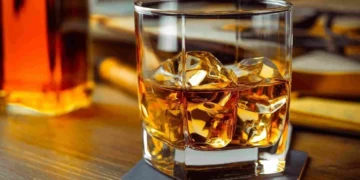
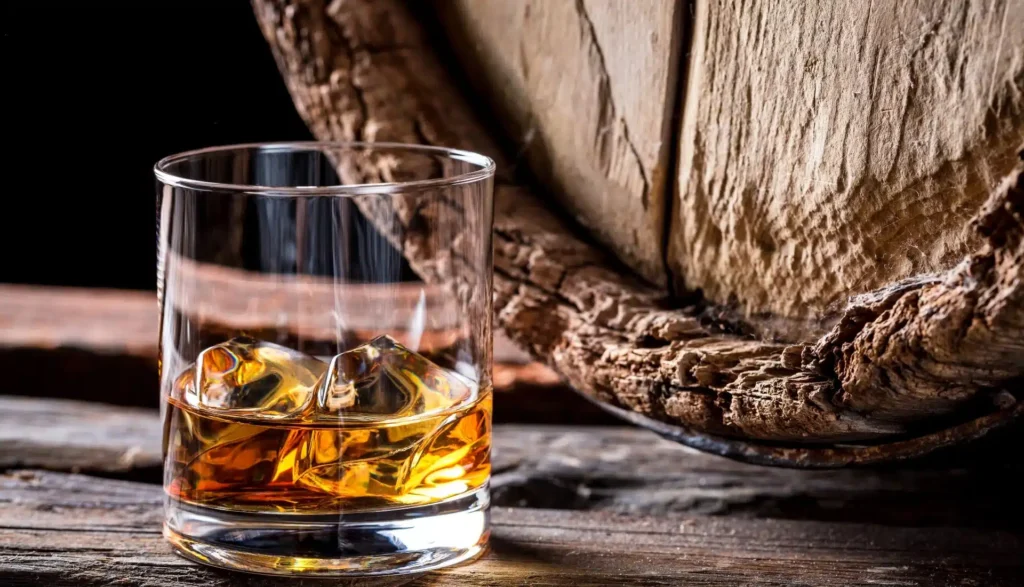
One of the most immediately noticeable effects of aging whisky in a barrel is its color. Freshly distilled whisky typically has a clear, almost water-like appearance, but over time, the interaction with the wood causes it to develop rich, deep hues. The cask plays a critical role in this transformation.

The Role of Wood and Charred Interior

  • Oak and its Compounds: Oak contains a variety of compounds that influence the color of whisky, including tannins, lignins, and hemicelluloses. These compounds leach into the whisky during aging, creating a golden to amber hue. The longer the whisky remains in the barrel, the deeper and more intense the color becomes.
  • Caramelization of Sugars: The charring or toasting of the barrel releases caramelized sugars from the wood, which imparts a rich amber or mahogany color to the whisky. Over time, this caramelization intensifies, leading to darker hues.
  • Oxidation: As whisky is exposed to air during aging, it undergoes oxidation, which contributes to the deepening of its color. In barrels that are frequently exposed to temperature fluctuations, the whisky may absorb and release liquid through the wood, further promoting oxidation and the absorption of wood tannins, which contribute to the darker color.

Examples of Color Differences in Whiskies

  • American Oak Barrels: Whiskies aged in American oak, such as Bourbon or some Scotch whiskies, tend to take on a golden, light amber color. The high levels of vanillin (a compound in oak) impart a subtle sweetness and pale color.
  • European Oak Barrels: Whiskies matured in European oak tend to have darker hues, such as rich amber or mahogany. These barrels impart more intense flavors, and their wood contains higher levels of tannins and lignins, which contribute to deeper coloration.
3. How the Cask Influences Whisky’s Flavor Profile

The flavor of whisky is heavily shaped by the cask. The wood’s interaction with the whisky over time adds complexity, depth, and smoothness to the spirit. The major ways in which barrels impact flavor include extraction, oxidation, and the influence of previous use.

Extraction of Compounds from the Wood

As whisky ages in the barrel, it extracts compounds from the wood that contribute to its flavor. Some of these key compounds include:

  • Lactones: These compounds, often derived from oak, contribute coconut, vanilla, and woody flavors. They are particularly prominent in whiskies aged in American oak barrels.
  • Tannins: Found in oak, tannins give whisky a dry, astringent character and contribute to a sense of structure. Older whiskies often exhibit smoother, more rounded tannins, thanks to the extended aging process.
  • Phenols: These smoky, earthy flavors often come from charred oak barrels and can be particularly pronounced in Islay Scotch whiskies, which undergo intense charring to create a distinctive smoky profile.

Oxidation and Flavor Development

Oxidation is a slow process that occurs when the whisky interacts with the air inside the barrel. This gradual change enhances certain flavors over time and smooths out others. Oxidation often leads to:

  • Richer, Rounder Flavors: Over time, the whisky’s sharp, volatile notes (like harsh alcohol or raw grain) are softened. Oxidation helps integrate flavors and mellow the whisky, creating a rounder, more complex profile.
  • Development of Fruity and Nutty Notes: As the whisky oxidizes, it may develop dark fruit flavors like raisins, figs, or plums, along with nutty or spicy characteristics, such as cloves, cinnamon, or hazelnuts.

Previous Use of the Barrel

The way the barrel was previously used also significantly influences the final flavor of the whisky. Used barrels, particularly those that have been previously used for wine, sherry, or port, can introduce additional flavors to the whisky:

  • Sherry Casks: Many Scotch whiskies are aged in sherry casks, which impart a rich dried fruit flavor along with spices and nutty notes. This interaction with previously used casks is crucial for whiskies like Macallan, known for its sherry-influenced flavors.
  • Wine and Port Barrels: Barrels that have previously contained port or red wine can add additional fruitiness, oakiness, and even a hint of wine-like tannins to the whisky. This is often seen in Balvenie or GlenDronach, where the influence of port or wine barrels creates a more decadent, sweet profile.

4. Cask Size and Aging Time: The Balance of Flavor

The size of the barrel and the time spent aging the whisky are both crucial factors in how the whisky develops in terms of flavor and color.

Smaller Barrels

Smaller barrels expose more of the whisky to the wood due to their larger surface area, which accelerates the aging process. Whiskies aged in small barrels tend to mature more quickly, taking on more intense flavors of oak, vanilla, and caramel, with a pronounced richness and smoothness.

Larger Barrels

In contrast, larger barrels allow for a slower maturation process. The whisky ages more gradually and retains a more subtle interaction with the wood. Larger barrels, like Sherry butts (a type of large cask), are often used for longer maturation periods, allowing the whisky to develop complex layers of flavor without becoming too overpowered by the wood.


5. The Final Sip: Understanding the Barrel’s Impact

The influence of the barrel on whisky is both fascinating and complex. From the color, which deepens and intensifies over time, to the flavor, which evolves from raw, harsh notes to a harmonious balance of sweetness, spice, and fruit, the barrel holds the key to much of a whisky’s personality.

By understanding the relationship between whisky and its cask, enthusiasts can gain deeper insight into why different whiskies from around the world have such varied characteristics. The next time you take a sip of your favorite whisky, remember that its flavor and color are the result of centuries-old traditions of cask aging, which continue to be a vital part of the whisky-making process today.
Tags: CultureFamous brand wineHealthHistoryInnovationluxurytastewhiskey
ShareTweetShare

Related Posts

Can Beer Be an Effective Ingredient in Culinary Cooking?
ALL

Can Beer Be an Effective Ingredient in Culinary Cooking?

January 22, 2026
Second Fermentation in Champagne: Is It Really That Crucial?
ALL

Second Fermentation in Champagne: Is It Really That Crucial?

January 22, 2026
How Do Different Grains Impact the Flavor Profile of Distilled Spirits?
ALL

How Do Different Grains Impact the Flavor Profile of Distilled Spirits?

January 22, 2026
How Do Whiskey Master Blenders Create Perfection?
ALL

How Do Whiskey Master Blenders Create Perfection?

January 22, 2026
Wine Pairings: Can They Change the Flavor Profile of a Dish?
ALL

Wine Pairings: Can They Change the Flavor Profile of a Dish?

January 22, 2026
Beer the Ultimate Beverage for Pairing with Spicy Food?
ALL

Beer the Ultimate Beverage for Pairing with Spicy Food?

January 21, 2026
Leave Comment
  • Trending
  • Comments
  • Latest
What Hidden Craftsmanship Lies Behind a Bottle of Quality Grain Spirits?

What Hidden Craftsmanship Lies Behind a Bottle of Quality Grain Spirits?

July 3, 2025
How Is Champagne Made? The Secrets Behind the Sparkle

How Is Champagne Made? The Secrets Behind the Sparkle

April 15, 2025
Grain Spirits vs. Traditional Distilled Spirits: Which One Suits Your Taste?

Grain Spirits vs. Traditional Distilled Spirits: Which One Suits Your Taste?

July 3, 2025
Champagne Bubbles: How Do They Perfectly Convey Celebration, Joy, and Luxury?

Champagne Bubbles: How Do They Perfectly Convey Celebration, Joy, and Luxury?

July 2, 2025
The Timeless Elegance of Wine: A Journey Through History and Culture

The Timeless Elegance of Wine: A Journey Through History and Culture

Why Is Château Lafite Rothschild the Pinnacle of Fine Wine?

Why Is Château Lafite Rothschild the Pinnacle of Fine Wine?

How Did Château Lafite Rothschild Become a Global Icon of Luxury?

How Did Château Lafite Rothschild Become a Global Icon of Luxury?

What Makes Chateau Lafite Rothschild the Pinnacle of Bordeaux Wines?

What Makes Chateau Lafite Rothschild the Pinnacle of Bordeaux Wines?

Can Beer Be an Effective Ingredient in Culinary Cooking?

Can Beer Be an Effective Ingredient in Culinary Cooking?

January 22, 2026
Second Fermentation in Champagne: Is It Really That Crucial?

Second Fermentation in Champagne: Is It Really That Crucial?

January 22, 2026
How Do Different Grains Impact the Flavor Profile of Distilled Spirits?

How Do Different Grains Impact the Flavor Profile of Distilled Spirits?

January 22, 2026
How Do Whiskey Master Blenders Create Perfection?

How Do Whiskey Master Blenders Create Perfection?

January 22, 2026
SipsavorLife

Welcome to our comprehensive beverage guide, where you can explore the fascinating world of alcoholic drinks. From exquisite wines and rich whiskeys to refreshing beers and sparkling champagnes, we provide insights, tips, and recommendations for enthusiasts and casual drinkers alike. Discover your next favorite libation with us!

© 2025 sipsavorlife.com. contacts:sipsavorlife-35376@gmail.com

No Result
View All Result
  • Home
  • Wine
  • Whiskey
  • Beer
  • Grain Spirits
  • Champagne
  • ALL

© 2025 sipsavorlife.com. contacts:sipsavorlife-35376@gmail.com

Welcome Back!

Login to your account below

Forgotten Password?

Retrieve your password

Please enter your username or email address to reset your password.

Log In