












SipsavorLife
  • Home
  • Wine
    Wine Pairings: Can They Change the Flavor Profile of a Dish?

    Wine Pairings: Can They Change the Flavor Profile of a Dish?

    How Do Wine Glasses Influence the Tasting Experience?

    How Do Wine Glasses Influence the Tasting Experience?

    Is Organic Wine Healthier Than Conventional Wine?

    Is Organic Wine Healthier Than Conventional Wine?

    Why Do Some Wines Taste Better from Specific Vintages?

    Why Do Some Wines Taste Better from Specific Vintages?

    Wine Tasting: Can It Truly Be an Art Form?

    Wine Tasting: Can It Truly Be an Art Form?

    What Does Terroir Actually Mean for Your Wine?

    What Does Terroir Actually Mean for Your Wine?

  • Whiskey
    Can Beer Be an Effective Ingredient in Culinary Cooking?

    Can Beer Be an Effective Ingredient in Culinary Cooking?

    Second Fermentation in Champagne: Is It Really That Crucial?

    Second Fermentation in Champagne: Is It Really That Crucial?

    How Do Different Grains Impact the Flavor Profile of Distilled Spirits?

    How Do Different Grains Impact the Flavor Profile of Distilled Spirits?

    How Do Whiskey Master Blenders Create Perfection?

    How Do Whiskey Master Blenders Create Perfection?

    Wine Pairings: Can They Change the Flavor Profile of a Dish?

    Wine Pairings: Can They Change the Flavor Profile of a Dish?

    Beer the Ultimate Beverage for Pairing with Spicy Food?

    Beer the Ultimate Beverage for Pairing with Spicy Food?

  • Beer
    Can Beer Be an Effective Ingredient in Culinary Cooking?

    Can Beer Be an Effective Ingredient in Culinary Cooking?

    Beer the Ultimate Beverage for Pairing with Spicy Food?

    Beer the Ultimate Beverage for Pairing with Spicy Food?

    How Did Ancient Civilizations Brew Beer Without Modern Technology?

    How Did Ancient Civilizations Brew Beer Without Modern Technology?

    Is It Possible to Brew a Beer with No Alcohol and No Compromise on Taste?

    Is It Possible to Brew a Beer with No Alcohol and No Compromise on Taste?

    Why Does Beer Taste Different at High Altitudes?

    Why Does Beer Taste Different at High Altitudes?

    Is Hops the Secret Ingredient Behind Beer’s Bold Flavor?

    Is Hops the Secret Ingredient Behind Beer’s Bold Flavor?

  • Grain Spirits
    How Do Different Grains Impact the Flavor Profile of Distilled Spirits?

    How Do Different Grains Impact the Flavor Profile of Distilled Spirits?

    Grain Spirits the Unsung Heroes of Modern Mixology

    Grain Spirits the Unsung Heroes of Modern Mixology

    What Makes Grain-Based Whiskey So Different from Its Peated Cousins?

    What Makes Grain-Based Whiskey So Different from Its Peated Cousins?

    Grain Spirits: Could They Be the Next Big Trend in Craft Cocktails?

    Grain Spirits: Could They Be the Next Big Trend in Craft Cocktails?

    Why Are Grain Spirits Often Overlooked in the World of Fine Liquor?

    Why Are Grain Spirits Often Overlooked in the World of Fine Liquor?

    Is There a Secret Art to Distilling Grain Spirits?

    Is There a Secret Art to Distilling Grain Spirits?

  • Champagne
    Second Fermentation in Champagne: Is It Really That Crucial?

    Second Fermentation in Champagne: Is It Really That Crucial?

    The Science Behind the ‘Bubble Size’ in Champagne

    The Science Behind the ‘Bubble Size’ in Champagne

    Why Do Some Champagnes Use a High Proportion of Pinot Meunier?

    Why Do Some Champagnes Use a High Proportion of Pinot Meunier?

    Role of Terroir in Champagne Production

    Role of Terroir in Champagne Production

    Champagne Can Be Aged in Wood?

    Champagne Can Be Aged in Wood?

    Is There a Difference Between Blanc de Blancs and Blanc de Noirs Champagne?

    Is There a Difference Between Blanc de Blancs and Blanc de Noirs Champagne?

  • ALL
    Can Beer Be an Effective Ingredient in Culinary Cooking?

    Can Beer Be an Effective Ingredient in Culinary Cooking?

    Second Fermentation in Champagne: Is It Really That Crucial?

    Second Fermentation in Champagne: Is It Really That Crucial?

    How Do Different Grains Impact the Flavor Profile of Distilled Spirits?

    How Do Different Grains Impact the Flavor Profile of Distilled Spirits?

    How Do Whiskey Master Blenders Create Perfection?

    How Do Whiskey Master Blenders Create Perfection?

    Wine Pairings: Can They Change the Flavor Profile of a Dish?

    Wine Pairings: Can They Change the Flavor Profile of a Dish?

    Beer the Ultimate Beverage for Pairing with Spicy Food?

    Beer the Ultimate Beverage for Pairing with Spicy Food?

SipsavorLife
  • Home
  • Wine
    Wine Pairings: Can They Change the Flavor Profile of a Dish?

    Wine Pairings: Can They Change the Flavor Profile of a Dish?

    How Do Wine Glasses Influence the Tasting Experience?

    How Do Wine Glasses Influence the Tasting Experience?

    Is Organic Wine Healthier Than Conventional Wine?

    Is Organic Wine Healthier Than Conventional Wine?

    Why Do Some Wines Taste Better from Specific Vintages?

    Why Do Some Wines Taste Better from Specific Vintages?

    Wine Tasting: Can It Truly Be an Art Form?

    Wine Tasting: Can It Truly Be an Art Form?

    What Does Terroir Actually Mean for Your Wine?

    What Does Terroir Actually Mean for Your Wine?

  • Whiskey
    Can Beer Be an Effective Ingredient in Culinary Cooking?

    Can Beer Be an Effective Ingredient in Culinary Cooking?

    Second Fermentation in Champagne: Is It Really That Crucial?

    Second Fermentation in Champagne: Is It Really That Crucial?

    How Do Different Grains Impact the Flavor Profile of Distilled Spirits?

    How Do Different Grains Impact the Flavor Profile of Distilled Spirits?

    How Do Whiskey Master Blenders Create Perfection?

    How Do Whiskey Master Blenders Create Perfection?

    Wine Pairings: Can They Change the Flavor Profile of a Dish?

    Wine Pairings: Can They Change the Flavor Profile of a Dish?

    Beer the Ultimate Beverage for Pairing with Spicy Food?

    Beer the Ultimate Beverage for Pairing with Spicy Food?

  • Beer
    Can Beer Be an Effective Ingredient in Culinary Cooking?

    Can Beer Be an Effective Ingredient in Culinary Cooking?

    Beer the Ultimate Beverage for Pairing with Spicy Food?

    Beer the Ultimate Beverage for Pairing with Spicy Food?

    How Did Ancient Civilizations Brew Beer Without Modern Technology?

    How Did Ancient Civilizations Brew Beer Without Modern Technology?

    Is It Possible to Brew a Beer with No Alcohol and No Compromise on Taste?

    Is It Possible to Brew a Beer with No Alcohol and No Compromise on Taste?

    Why Does Beer Taste Different at High Altitudes?

    Why Does Beer Taste Different at High Altitudes?

    Is Hops the Secret Ingredient Behind Beer’s Bold Flavor?

    Is Hops the Secret Ingredient Behind Beer’s Bold Flavor?

  • Grain Spirits
    How Do Different Grains Impact the Flavor Profile of Distilled Spirits?

    How Do Different Grains Impact the Flavor Profile of Distilled Spirits?

    Grain Spirits the Unsung Heroes of Modern Mixology

    Grain Spirits the Unsung Heroes of Modern Mixology

    What Makes Grain-Based Whiskey So Different from Its Peated Cousins?

    What Makes Grain-Based Whiskey So Different from Its Peated Cousins?

    Grain Spirits: Could They Be the Next Big Trend in Craft Cocktails?

    Grain Spirits: Could They Be the Next Big Trend in Craft Cocktails?

    Why Are Grain Spirits Often Overlooked in the World of Fine Liquor?

    Why Are Grain Spirits Often Overlooked in the World of Fine Liquor?

    Is There a Secret Art to Distilling Grain Spirits?

    Is There a Secret Art to Distilling Grain Spirits?

  • Champagne
    Second Fermentation in Champagne: Is It Really That Crucial?

    Second Fermentation in Champagne: Is It Really That Crucial?

    The Science Behind the ‘Bubble Size’ in Champagne

    The Science Behind the ‘Bubble Size’ in Champagne

    Why Do Some Champagnes Use a High Proportion of Pinot Meunier?

    Why Do Some Champagnes Use a High Proportion of Pinot Meunier?

    Role of Terroir in Champagne Production

    Role of Terroir in Champagne Production

    Champagne Can Be Aged in Wood?

    Champagne Can Be Aged in Wood?

    Is There a Difference Between Blanc de Blancs and Blanc de Noirs Champagne?

    Is There a Difference Between Blanc de Blancs and Blanc de Noirs Champagne?

  • ALL
    Can Beer Be an Effective Ingredient in Culinary Cooking?

    Can Beer Be an Effective Ingredient in Culinary Cooking?

    Second Fermentation in Champagne: Is It Really That Crucial?

    Second Fermentation in Champagne: Is It Really That Crucial?

    How Do Different Grains Impact the Flavor Profile of Distilled Spirits?

    How Do Different Grains Impact the Flavor Profile of Distilled Spirits?

    How Do Whiskey Master Blenders Create Perfection?

    How Do Whiskey Master Blenders Create Perfection?

    Wine Pairings: Can They Change the Flavor Profile of a Dish?

    Wine Pairings: Can They Change the Flavor Profile of a Dish?

    Beer the Ultimate Beverage for Pairing with Spicy Food?

    Beer the Ultimate Beverage for Pairing with Spicy Food?

SipsavorLife
No Result
View All Result
Home ALL

Vodka’s Purity and Strength: Why Does This Spirit Represent the Cultural Spirit of Russia?

July 2, 2025
in ALL, Grain Spirits
Vodka’s Purity and Strength: Why Does This Spirit Represent the Cultural Spirit of Russia?

Vodka is not only a drink—it is a symbol, an emblem of Russian identity, culture, and history. With its purity, neutrality, and strength, vodka has evolved beyond just being an alcoholic beverage into a cultural cornerstone in Russia, and indeed, much of Eastern Europe. It’s deeply entwined with rituals, traditions, and the daily lives of the people, playing a crucial role in celebrations, commemorations, and gatherings.

In this article, we will delve into the reasons why vodka, with its unique qualities of purity and strength, is considered more than just a spirit in Russia. We will explore its historical roots, its symbolic significance, and how its particular characteristics have allowed it to embody the Russian spirit.


1. The Purity and Simplicity of Vodka: A Reflection of Russian Identity

Vodka’s Basic Ingredients

Vodka is known for its purity, often described as clean, smooth, and neutral. The word “vodka” itself is derived from the Slavic word “voda,” meaning “water,” reflecting its crystal-clear appearance and absence of impurities. Vodka is typically made from fermented grains, potatoes, or even fruits, but its defining characteristic is the distillation process. The spirit is distilled multiple times to remove any impurities and ensure its clarity. This purity is key to its role in Russian culture.

  • Pure Ingredients: Vodka is often distilled from high-quality grains such as wheat and rye, although the grains used can vary depending on the distillery. The simplicity of the ingredients reflects the no-nonsense, straightforward nature of Russian culture, where subtlety and refinement are appreciated, but raw power is also a key element.
  • The Neutral Spirit: Vodka’s neutrality makes it a versatile base for a variety of drinks, yet it remains strong enough to stand on its own. In the Russian context, this neutrality mirrors the directness and straightforwardness of Russian life and character. Vodka doesn’t try to mask its essence with complex flavors or aromas; it is what it is—pure alcohol—and that’s something Russian culture has always valued: the ability to embrace simplicity while exuding strength.

Cultural Symbolism of Purity

In Russia, the purity of vodka goes beyond just the liquid itself. It symbolizes the purity of Russian heart and soul—untouched by external influences, yet strong enough to endure any hardship. Vodka’s clarity is a metaphor for the fortitude, resilience, and simplicity of the Russian people, who have faced centuries of struggle but remain united by a shared sense of national pride and identity.


2. The Strength of Vodka: A National Characteristic

Alcohol Content and Strength

Vodka is typically bottled at 40% ABV (alcohol by volume), though it can range from 35% to 50% ABV depending on the brand and the country of production. The strength of vodka is not just a physical property; it has a symbolic meaning in Russian culture.

  • The Boldness: Vodka’s high alcohol content reflects the bold and stoic nature of Russia itself. The country has a history marked by hardship, struggle, and endurance, and vodka’s strength mirrors the unflinching character of the Russian people.
  • A Toast to Resilience: Russians are known for their ability to face adversity, and vodka—being a spirit that is strong and powerful—is seen as a fitting drink for such a resilient people. A glass of vodka is often raised during important celebrations and rituals, representing a salute to endurance and the strength to persevere.

Vodka and Russian Social Customs

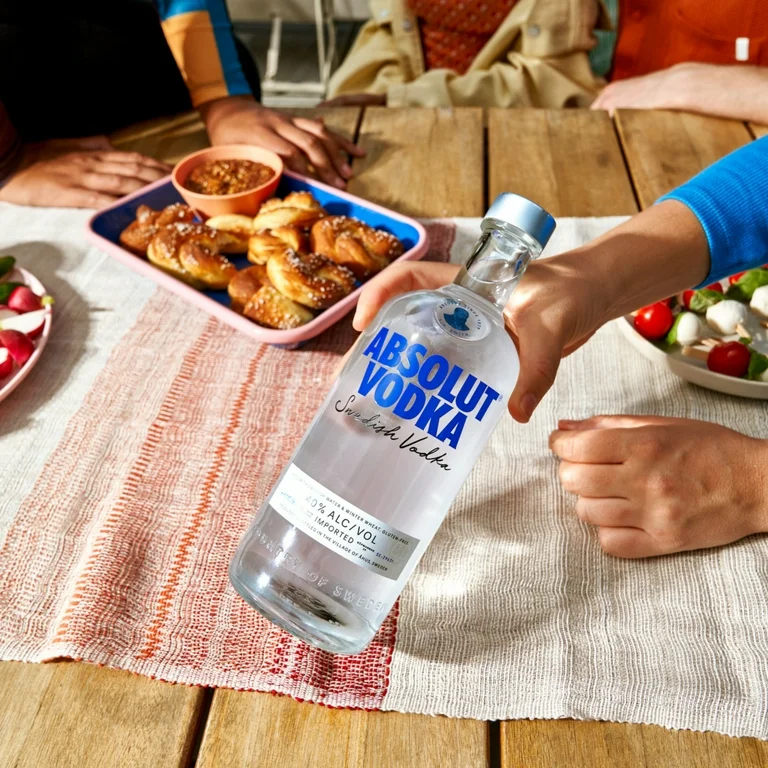
Vodka is not just a drink; it’s a key element of Russian social and cultural life. It’s consumed in a ritualistic manner, where it plays an important role in bonding people, marking milestones, and sharing emotions.

  • A Toast for Every Occasion: Whether at a birthday, a wedding, a holiday, or simply at a gathering with friends, vodka is the drink of choice in Russia. It’s a shared experience, representing the strength of social bonds and Russian community life. The act of toasting with vodka is ceremonial; it’s not just about the drinking itself but about the expression of unity and connection.
  • Rituals and Traditions: In Russia, there are specific ways to serve and drink vodka, which often involves multiple toasts, group participation, and a set of traditional rules. For instance, a common custom is that vodka should be consumed in one shot, without taking too long to savor, in order to honor the strength of the drink and the moment. This tradition underlines the directness and spirit of Russian culture, where moments are often lived intensely, without excess pretense or hesitation.
3. Vodka and Russian History: A Drink for the Ages

A Drink with Historical Roots

Vodka has been part of Russian history for centuries. The origins of vodka in Russia date back to the 8th or 9th century, where early forms of fermented spirits were created. However, it wasn’t until the 15th century that vodka as we know it began to take shape.

  • Early Vodka Production: Vodka production in Russia began in the 15th century when it was initially used for medicinal purposes. Over time, it became a popular social drink, eventually becoming associated with the Russian nobility and later, the general population.
  • State Monopoly: In the 18th century, vodka became even more entrenched in Russian society, and the state eventually took control of its production. In 1894, Russia established a state monopoly on vodka production, making it a national symbol and a significant part of Russia’s economy and social fabric.

Vodka and Politics

Vodka has also played a role in the political landscape of Russia. The Russian government has historically controlled the production, distribution, and taxation of vodka, recognizing its role as an economic and social pillar.

  • Vodka and the Soviet Era: During the Soviet Union, vodka was often used as a form of political control. It was heavily taxed, and there were state-run distilleries that produced vast quantities of vodka for the public. In this sense, vodka became a state-sponsored beverage, representing the power of the government but also the enduring spirit of the people in times of political and economic struggle.
  • Post-Soviet Vodka: After the dissolution of the Soviet Union, vodka continued to be a symbol of Russian nationalism and pride. The production of vodka in Russia remains a key part of the economy, and its cultural significance has only deepened with time.

4. Vodka’s Global Influence: Russia’s Cultural Export

While vodka is indelibly linked to Russia, it has also become a global symbol of Russian culture. The export of vodka has helped spread Russia’s image around the world, associating the country with purity, strength, and resilience.

  • Vodka in Global Culture: In the 20th century, vodka became a staple in bars and homes around the world, especially with the rise of vodka cocktails. However, even outside of Russia, vodka remains synonymous with Russian identity, and it is often seen as the drink that represents the mystique, coldness, and stoic strength of Russia.
  • A Global Drink with Russian Roots: Whether it’s enjoyed in a Moscow Mule, a Bloody Mary, or simply served neat, vodka retains its Russian heritage and continues to play an important role in shaping the country’s global image.

Conclusion: Vodka as a Reflection of Russian Spirit

Vodka represents much more than just a drink—it is a cultural icon that embodies the strength, purity, and resilience of the Russian people. Its simplicity and strength resonate deeply with the Russian spirit, and its role in Russian social customs and history cannot be overstated.

From its medicinal origins to its position as a symbol of national pride, vodka encapsulates the essence of Russian life. It’s a drink of purity, a drink that endures through the centuries, and a drink that connects people—whether in times of celebration or struggle. As long as vodka continues to flow, it will remain a symbol of Russia’s cultural heart—strong, pure, and indomitable.

Tags: CultureFamous brand winegrain spiritsHealthHistoryInnovationluxurymarkettaste
ShareTweetShare

Related Posts

Can Beer Be an Effective Ingredient in Culinary Cooking?
ALL

Can Beer Be an Effective Ingredient in Culinary Cooking?

January 22, 2026
Second Fermentation in Champagne: Is It Really That Crucial?
ALL

Second Fermentation in Champagne: Is It Really That Crucial?

January 22, 2026
How Do Different Grains Impact the Flavor Profile of Distilled Spirits?
ALL

How Do Different Grains Impact the Flavor Profile of Distilled Spirits?

January 22, 2026
How Do Whiskey Master Blenders Create Perfection?
ALL

How Do Whiskey Master Blenders Create Perfection?

January 22, 2026
Wine Pairings: Can They Change the Flavor Profile of a Dish?
ALL

Wine Pairings: Can They Change the Flavor Profile of a Dish?

January 22, 2026
Beer the Ultimate Beverage for Pairing with Spicy Food?
ALL

Beer the Ultimate Beverage for Pairing with Spicy Food?

January 21, 2026
Leave Comment
  • Trending
  • Comments
  • Latest
What Hidden Craftsmanship Lies Behind a Bottle of Quality Grain Spirits?

What Hidden Craftsmanship Lies Behind a Bottle of Quality Grain Spirits?

July 3, 2025
How Is Champagne Made? The Secrets Behind the Sparkle

How Is Champagne Made? The Secrets Behind the Sparkle

April 15, 2025
Grain Spirits vs. Traditional Distilled Spirits: Which One Suits Your Taste?

Grain Spirits vs. Traditional Distilled Spirits: Which One Suits Your Taste?

July 3, 2025
Champagne Bubbles: How Do They Perfectly Convey Celebration, Joy, and Luxury?

Champagne Bubbles: How Do They Perfectly Convey Celebration, Joy, and Luxury?

July 2, 2025
The Timeless Elegance of Wine: A Journey Through History and Culture

The Timeless Elegance of Wine: A Journey Through History and Culture

Why Is Château Lafite Rothschild the Pinnacle of Fine Wine?

Why Is Château Lafite Rothschild the Pinnacle of Fine Wine?

How Did Château Lafite Rothschild Become a Global Icon of Luxury?

How Did Château Lafite Rothschild Become a Global Icon of Luxury?

What Makes Chateau Lafite Rothschild the Pinnacle of Bordeaux Wines?

What Makes Chateau Lafite Rothschild the Pinnacle of Bordeaux Wines?

Can Beer Be an Effective Ingredient in Culinary Cooking?

Can Beer Be an Effective Ingredient in Culinary Cooking?

January 22, 2026
Second Fermentation in Champagne: Is It Really That Crucial?

Second Fermentation in Champagne: Is It Really That Crucial?

January 22, 2026
How Do Different Grains Impact the Flavor Profile of Distilled Spirits?

How Do Different Grains Impact the Flavor Profile of Distilled Spirits?

January 22, 2026
How Do Whiskey Master Blenders Create Perfection?

How Do Whiskey Master Blenders Create Perfection?

January 22, 2026
SipsavorLife

Welcome to our comprehensive beverage guide, where you can explore the fascinating world of alcoholic drinks. From exquisite wines and rich whiskeys to refreshing beers and sparkling champagnes, we provide insights, tips, and recommendations for enthusiasts and casual drinkers alike. Discover your next favorite libation with us!

© 2025 sipsavorlife.com. contacts:sipsavorlife-35376@gmail.com

No Result
View All Result
  • Home
  • Wine
  • Whiskey
  • Beer
  • Grain Spirits
  • Champagne
  • ALL

© 2025 sipsavorlife.com. contacts:sipsavorlife-35376@gmail.com

Welcome Back!

Login to your account below

Forgotten Password?

Retrieve your password

Please enter your username or email address to reset your password.

Log In