




SipsavorLife
  • Home
  • Wine
    Wine Pairings: Can They Change the Flavor Profile of a Dish?

    Wine Pairings: Can They Change the Flavor Profile of a Dish?

    How Do Wine Glasses Influence the Tasting Experience?

    How Do Wine Glasses Influence the Tasting Experience?

    Is Organic Wine Healthier Than Conventional Wine?

    Is Organic Wine Healthier Than Conventional Wine?

    Why Do Some Wines Taste Better from Specific Vintages?

    Why Do Some Wines Taste Better from Specific Vintages?

    Wine Tasting: Can It Truly Be an Art Form?

    Wine Tasting: Can It Truly Be an Art Form?

    What Does Terroir Actually Mean for Your Wine?

    What Does Terroir Actually Mean for Your Wine?

  • Whiskey
    Can Beer Be an Effective Ingredient in Culinary Cooking?

    Can Beer Be an Effective Ingredient in Culinary Cooking?

    Second Fermentation in Champagne: Is It Really That Crucial?

    Second Fermentation in Champagne: Is It Really That Crucial?

    How Do Different Grains Impact the Flavor Profile of Distilled Spirits?

    How Do Different Grains Impact the Flavor Profile of Distilled Spirits?

    How Do Whiskey Master Blenders Create Perfection?

    How Do Whiskey Master Blenders Create Perfection?

    Wine Pairings: Can They Change the Flavor Profile of a Dish?

    Wine Pairings: Can They Change the Flavor Profile of a Dish?

    Beer the Ultimate Beverage for Pairing with Spicy Food?

    Beer the Ultimate Beverage for Pairing with Spicy Food?

  • Beer
    Can Beer Be an Effective Ingredient in Culinary Cooking?

    Can Beer Be an Effective Ingredient in Culinary Cooking?

    Beer the Ultimate Beverage for Pairing with Spicy Food?

    Beer the Ultimate Beverage for Pairing with Spicy Food?

    How Did Ancient Civilizations Brew Beer Without Modern Technology?

    How Did Ancient Civilizations Brew Beer Without Modern Technology?

    Is It Possible to Brew a Beer with No Alcohol and No Compromise on Taste?

    Is It Possible to Brew a Beer with No Alcohol and No Compromise on Taste?

    Why Does Beer Taste Different at High Altitudes?

    Why Does Beer Taste Different at High Altitudes?

    Is Hops the Secret Ingredient Behind Beer’s Bold Flavor?

    Is Hops the Secret Ingredient Behind Beer’s Bold Flavor?

  • Grain Spirits
    How Do Different Grains Impact the Flavor Profile of Distilled Spirits?

    How Do Different Grains Impact the Flavor Profile of Distilled Spirits?

    Grain Spirits the Unsung Heroes of Modern Mixology

    Grain Spirits the Unsung Heroes of Modern Mixology

    What Makes Grain-Based Whiskey So Different from Its Peated Cousins?

    What Makes Grain-Based Whiskey So Different from Its Peated Cousins?

    Grain Spirits: Could They Be the Next Big Trend in Craft Cocktails?

    Grain Spirits: Could They Be the Next Big Trend in Craft Cocktails?

    Why Are Grain Spirits Often Overlooked in the World of Fine Liquor?

    Why Are Grain Spirits Often Overlooked in the World of Fine Liquor?

    Is There a Secret Art to Distilling Grain Spirits?

    Is There a Secret Art to Distilling Grain Spirits?

  • Champagne
    Second Fermentation in Champagne: Is It Really That Crucial?

    Second Fermentation in Champagne: Is It Really That Crucial?

    The Science Behind the ‘Bubble Size’ in Champagne

    The Science Behind the ‘Bubble Size’ in Champagne

    Why Do Some Champagnes Use a High Proportion of Pinot Meunier?

    Why Do Some Champagnes Use a High Proportion of Pinot Meunier?

    Role of Terroir in Champagne Production

    Role of Terroir in Champagne Production

    Champagne Can Be Aged in Wood?

    Champagne Can Be Aged in Wood?

    Is There a Difference Between Blanc de Blancs and Blanc de Noirs Champagne?

    Is There a Difference Between Blanc de Blancs and Blanc de Noirs Champagne?

  • ALL
    Can Beer Be an Effective Ingredient in Culinary Cooking?

    Can Beer Be an Effective Ingredient in Culinary Cooking?

    Second Fermentation in Champagne: Is It Really That Crucial?

    Second Fermentation in Champagne: Is It Really That Crucial?

    How Do Different Grains Impact the Flavor Profile of Distilled Spirits?

    How Do Different Grains Impact the Flavor Profile of Distilled Spirits?

    How Do Whiskey Master Blenders Create Perfection?

    How Do Whiskey Master Blenders Create Perfection?

    Wine Pairings: Can They Change the Flavor Profile of a Dish?

    Wine Pairings: Can They Change the Flavor Profile of a Dish?

    Beer the Ultimate Beverage for Pairing with Spicy Food?

    Beer the Ultimate Beverage for Pairing with Spicy Food?

SipsavorLife
  • Home
  • Wine
    Wine Pairings: Can They Change the Flavor Profile of a Dish?

    Wine Pairings: Can They Change the Flavor Profile of a Dish?

    How Do Wine Glasses Influence the Tasting Experience?

    How Do Wine Glasses Influence the Tasting Experience?

    Is Organic Wine Healthier Than Conventional Wine?

    Is Organic Wine Healthier Than Conventional Wine?

    Why Do Some Wines Taste Better from Specific Vintages?

    Why Do Some Wines Taste Better from Specific Vintages?

    Wine Tasting: Can It Truly Be an Art Form?

    Wine Tasting: Can It Truly Be an Art Form?

    What Does Terroir Actually Mean for Your Wine?

    What Does Terroir Actually Mean for Your Wine?

  • Whiskey
    Can Beer Be an Effective Ingredient in Culinary Cooking?

    Can Beer Be an Effective Ingredient in Culinary Cooking?

    Second Fermentation in Champagne: Is It Really That Crucial?

    Second Fermentation in Champagne: Is It Really That Crucial?

    How Do Different Grains Impact the Flavor Profile of Distilled Spirits?

    How Do Different Grains Impact the Flavor Profile of Distilled Spirits?

    How Do Whiskey Master Blenders Create Perfection?

    How Do Whiskey Master Blenders Create Perfection?

    Wine Pairings: Can They Change the Flavor Profile of a Dish?

    Wine Pairings: Can They Change the Flavor Profile of a Dish?

    Beer the Ultimate Beverage for Pairing with Spicy Food?

    Beer the Ultimate Beverage for Pairing with Spicy Food?

  • Beer
    Can Beer Be an Effective Ingredient in Culinary Cooking?

    Can Beer Be an Effective Ingredient in Culinary Cooking?

    Beer the Ultimate Beverage for Pairing with Spicy Food?

    Beer the Ultimate Beverage for Pairing with Spicy Food?

    How Did Ancient Civilizations Brew Beer Without Modern Technology?

    How Did Ancient Civilizations Brew Beer Without Modern Technology?

    Is It Possible to Brew a Beer with No Alcohol and No Compromise on Taste?

    Is It Possible to Brew a Beer with No Alcohol and No Compromise on Taste?

    Why Does Beer Taste Different at High Altitudes?

    Why Does Beer Taste Different at High Altitudes?

    Is Hops the Secret Ingredient Behind Beer’s Bold Flavor?

    Is Hops the Secret Ingredient Behind Beer’s Bold Flavor?

  • Grain Spirits
    How Do Different Grains Impact the Flavor Profile of Distilled Spirits?

    How Do Different Grains Impact the Flavor Profile of Distilled Spirits?

    Grain Spirits the Unsung Heroes of Modern Mixology

    Grain Spirits the Unsung Heroes of Modern Mixology

    What Makes Grain-Based Whiskey So Different from Its Peated Cousins?

    What Makes Grain-Based Whiskey So Different from Its Peated Cousins?

    Grain Spirits: Could They Be the Next Big Trend in Craft Cocktails?

    Grain Spirits: Could They Be the Next Big Trend in Craft Cocktails?

    Why Are Grain Spirits Often Overlooked in the World of Fine Liquor?

    Why Are Grain Spirits Often Overlooked in the World of Fine Liquor?

    Is There a Secret Art to Distilling Grain Spirits?

    Is There a Secret Art to Distilling Grain Spirits?

  • Champagne
    Second Fermentation in Champagne: Is It Really That Crucial?

    Second Fermentation in Champagne: Is It Really That Crucial?

    The Science Behind the ‘Bubble Size’ in Champagne

    The Science Behind the ‘Bubble Size’ in Champagne

    Why Do Some Champagnes Use a High Proportion of Pinot Meunier?

    Why Do Some Champagnes Use a High Proportion of Pinot Meunier?

    Role of Terroir in Champagne Production

    Role of Terroir in Champagne Production

    Champagne Can Be Aged in Wood?

    Champagne Can Be Aged in Wood?

    Is There a Difference Between Blanc de Blancs and Blanc de Noirs Champagne?

    Is There a Difference Between Blanc de Blancs and Blanc de Noirs Champagne?

  • ALL
    Can Beer Be an Effective Ingredient in Culinary Cooking?

    Can Beer Be an Effective Ingredient in Culinary Cooking?

    Second Fermentation in Champagne: Is It Really That Crucial?

    Second Fermentation in Champagne: Is It Really That Crucial?

    How Do Different Grains Impact the Flavor Profile of Distilled Spirits?

    How Do Different Grains Impact the Flavor Profile of Distilled Spirits?

    How Do Whiskey Master Blenders Create Perfection?

    How Do Whiskey Master Blenders Create Perfection?

    Wine Pairings: Can They Change the Flavor Profile of a Dish?

    Wine Pairings: Can They Change the Flavor Profile of a Dish?

    Beer the Ultimate Beverage for Pairing with Spicy Food?

    Beer the Ultimate Beverage for Pairing with Spicy Food?

SipsavorLife
No Result
View All Result
Home ALL

Sparkling Wine: The Perfect Companion for Celebratory Moments?

June 28, 2025
in ALL, Wine
Sparkling Wine: The Perfect Companion for Celebratory Moments?

Sparkling wine, with its effervescent bubbles and bright, refreshing profile, has long been associated with joy, celebration, and special moments. Whether it’s a wedding, New Year’s Eve, or a personal achievement, the sound of a cork popping and the sight of sparkling wine being poured is universally recognized as a symbol of happiness and festivity. But beyond its role as a party staple, sparkling wine has a complexity and richness that make it a fascinating category of wine in its own right.

So, what makes sparkling wine so perfect for celebrations? Is it the bubbles that lift the spirit, or the fresh, lively character that complements moments of joy? In this article, we will explore the essence of sparkling wine, the various styles and types, and delve into why it has become the go-to beverage for moments of celebration and beyond.


1. The Origins of Sparkling Wine: A History of Bubbles and Joy

The tradition of sparkling wine dates back to the 17th century, with its origins often attributed to the Champagne region of France. However, the production of sparkling wine and its eventual widespread popularity was a process that took centuries to refine. Let’s take a quick look at the evolution of sparkling wine and how it became the celebratory drink we know today.

The Birth of Champagne

Although sparkling wine had been produced sporadically throughout history, it was in the Champagne region of France that the techniques for creating sparkling wine were perfected. Legend has it that the monk Dom Pérignon, working in the late 1600s at the Abbey of Hautvillers, discovered how to create bubbles in wine by accident. When trying to create a better, still wine, he found that some bottles began fermenting again after being sealed, producing bubbles. He is often credited with developing methods that would later be used to create Champagne.

While Dom Pérignon didn’t invent sparkling wine, his work did help refine the process, leading to the iconic Champagne style. Champagne’s association with luxury, celebration, and success grew throughout the centuries, as it became the drink of choice for the elite, including royalty and aristocrats.

Sparkling Wine Around the World

While Champagne remains the most famous sparkling wine, it is by no means the only region where effervescent wines are made. Other countries have developed their own sparkling wine traditions, including:

  • Cava from Spain: Made primarily in the Penedés region, Cava uses a similar traditional method to Champagne, offering a dry, crisp style of sparkling wine with a slightly more affordable price tag.
  • Prosecco from Italy: Known for its light, fruity, and approachable style, Prosecco is often made using the tank method, which allows for quicker production and fresher flavors.
  • Franciacorta from Italy: Produced in the Lombardy region, Franciacorta is made using the traditional method, like Champagne, and is known for its complexity and finesse.
  • Sekt from Germany: Germany produces sparkling wine under the name Sekt, which can range from dry to sweet, and it is often made using both the traditional and Charmat methods.

2. The Sparkling Process: What Makes the Bubbles?

What truly sets sparkling wine apart from still wine is its effervescence—the bubbles that dance in the glass and tickle the tongue. These bubbles are a result of a second fermentation process, which is essential for creating the signature sparkle. There are two primary methods for producing sparkling wine: the traditional method and the tank method.

The Traditional Method (Méthode Champenoise)

The traditional method, also known as the “méthode champenoise,” is the process used to make Champagne and many other high-quality sparkling wines. This method involves a secondary fermentation inside the bottle, which produces the bubbles. Here’s a breakdown of how it works:

  1. Primary Fermentation: The base wine is first fermented in large tanks, and sugar and yeast are added to the wine to start the secondary fermentation process.
  2. Secondary Fermentation: The wine is bottled with a mixture of yeast and sugar, which causes a second fermentation inside the sealed bottle. During this fermentation, carbon dioxide (CO2) is produced, which creates the bubbles.
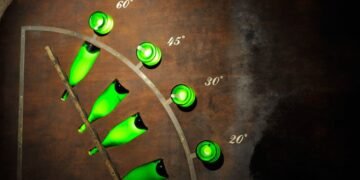
  3. Riddling: After fermentation, the bottles are slowly rotated (riddling) to collect the yeast sediment in the neck of the bottle.
  4. Disgorging: The neck of the bottle is frozen, and the sediment plug is ejected from the bottle.
  5. Dosage: A small amount of sugar or wine is added to the bottle to adjust the sweetness before the bottle is sealed with a cork.

The traditional method produces fine, persistent bubbles and results in a wine with complexity and depth. This process is time-consuming and labor-intensive, which is why sparkling wines made using this method are often more expensive.

The Tank Method (Charmat Method)

The tank method, also known as the Charmat method, is another way to create sparkling wine. Unlike the traditional method, the secondary fermentation occurs in large, pressurized tanks rather than individual bottles. This method is often used for wines like Prosecco.

  1. Primary Fermentation: As with the traditional method, the base wine undergoes its first fermentation.
  2. Secondary Fermentation: The wine is then transferred to a large pressurized tank, where yeast and sugar are added to induce secondary fermentation.
  3. Filtration: Once the fermentation is complete, the wine is filtered to remove the yeast and sediment.
  4. Bottling: The wine is then bottled under pressure to preserve the bubbles.

The tank method results in wines with a fresher, fruitier character and less complexity compared to those made using the traditional method. However, it allows for quicker production, which is why it is more commonly used for wines like Prosecco and other affordable sparkling wines.


3. The Flavor Profile of Sparkling Wine: Freshness, Fruit, and Finesse

One of the most enjoyable aspects of sparkling wine is its ability to balance freshness, fruitiness, and acidity. Sparkling wines are generally light, crisp, and refreshing, with flavors that range from bright citrus to rich, toasty notes, depending on the style and method of production.

Fresh and Fruity Flavors

Sparkling wines often have vibrant fruit flavors, including notes of green apple, pear, citrus, and white peach. These flavors come from the base wine and are preserved through the fermentation process. Wines like Prosecco, for example, are known for their fresh, fruity character, with notes of green apple, lemon zest, and honeysuckle. These wines are typically light-bodied and easy-drinking.

Yeasty and Toasty Notes

Sparkling wines made using the traditional method often develop more complex flavors over time. The yeast used during fermentation imparts a signature toasty or biscuity note to the wine, which is often described as “brioche” or “yeasty.” These flavors are most prominent in wines like Champagne, where extended aging on the lees (the spent yeast cells) contributes to a richer, more complex profile. These wines may also have hints of almonds, honey, and even roasted nuts.

Acidity and Balance

The high acidity in sparkling wine is one of its most defining characteristics. It provides a crisp, refreshing sensation that makes sparkling wine an excellent palate cleanser and an ideal pairing with a wide variety of foods. The acidity also helps balance the wine’s fruitiness and, in sweeter styles, the sugar content, ensuring the wine doesn’t feel overly sweet or heavy.

4. Why Sparkling Wine is Perfect for Celebrations

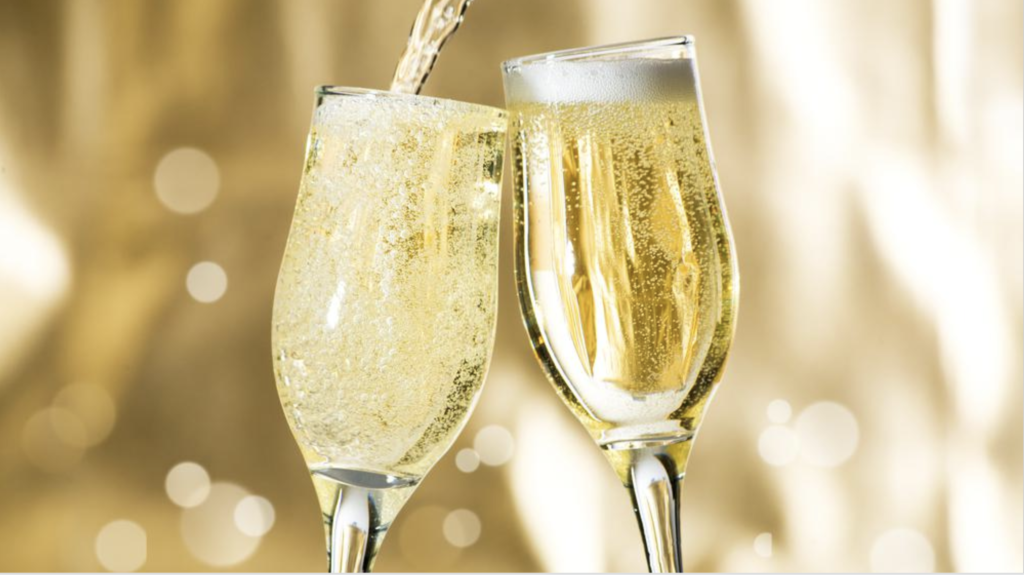
There is something inherently festive about sparkling wine. The sight of bubbles rising in the glass, the pop of the cork, and the effervescence that dances on the tongue all create an atmosphere of joy and excitement. But beyond its symbolism of celebration, sparkling wine has qualities that make it a great choice for a wide range of occasions.

The Sound of the Cork Pop

One of the most iconic sounds associated with celebration is the popping of a cork. The release of pressure when the bottle is opened is a moment of excitement, signaling the start of a special occasion. This sound alone is enough to bring smiles and a sense of joy to any gathering.

Versatility for Different Occasions

Sparkling wine is incredibly versatile and can be enjoyed during many types of events, from intimate dinners to large-scale celebrations. It’s equally at home as an aperitif before a meal as it is paired with food during the main course or served to toast the end of the evening. Sparkling wine also works well with a range of cuisines, including seafood, sushi, light appetizers, and even spicy dishes.

A Symbol of Elegance and Luxury

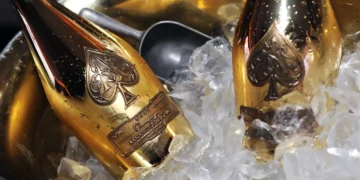
Historically, sparkling wine, particularly Champagne, has been seen as a symbol of luxury, success, and sophistication. Its association with royalty, aristocracy, and special occasions has cemented its place as the drink of choice for celebrating milestones and achievements.


5. Pairing Sparkling Wine with Food: A Toast to Great Pairings

The versatility of sparkling wine when it comes to food pairing is one of its most appealing qualities. Its acidity and effervescence make it an excellent companion for a variety of dishes.

Appetizers and Finger Foods

Sparkling wine is a natural companion for appetizers, from light bites like smoked salmon and oysters to more substantial dishes like cheese and charcuterie. The acidity and bubbles help cut through rich, creamy flavors, cleansing the palate between bites.

Main Courses

Sparkling wine, especially those made using the traditional method, pairs beautifully with a wide variety of main courses, including poultry, seafood, and even fried foods. The acidity in the wine balances out the richness of fried foods, while the fruitiness enhances the flavors of seafood and poultry dishes.


Conclusion: The Timeless Appeal of Sparkling Wine

Sparkling wine is more than just a drink—it’s a symbol of celebration, joy, and life’s special moments. Whether enjoyed on its own or paired with a meal, sparkling wine brings a sense of elegance, excitement, and fun to any occasion. From its effervescent bubbles to its crisp, refreshing flavors, sparkling wine has earned its place as the perfect companion for celebrating life’s milestones and creating unforgettable memories.

So the next time you find yourself raising a glass, remember that sparkling wine isn’t just for New Year’s Eve or weddings—it’s a drink for every moment worth celebrating.

Cheers to bubbles, joy, and the many occasions that make life worth toasting!
Tags: beerCultureFamous brand wineHealthHistoryInnovationluxurymarketsparkling wineWine
ShareTweetShare

Related Posts

Can Beer Be an Effective Ingredient in Culinary Cooking?
ALL

Can Beer Be an Effective Ingredient in Culinary Cooking?

January 22, 2026
Second Fermentation in Champagne: Is It Really That Crucial?
ALL

Second Fermentation in Champagne: Is It Really That Crucial?

January 22, 2026
How Do Different Grains Impact the Flavor Profile of Distilled Spirits?
ALL

How Do Different Grains Impact the Flavor Profile of Distilled Spirits?

January 22, 2026
How Do Whiskey Master Blenders Create Perfection?
ALL

How Do Whiskey Master Blenders Create Perfection?

January 22, 2026
Wine Pairings: Can They Change the Flavor Profile of a Dish?
ALL

Wine Pairings: Can They Change the Flavor Profile of a Dish?

January 22, 2026
Beer the Ultimate Beverage for Pairing with Spicy Food?
ALL

Beer the Ultimate Beverage for Pairing with Spicy Food?

January 21, 2026
Leave Comment
  • Trending
  • Comments
  • Latest
What Hidden Craftsmanship Lies Behind a Bottle of Quality Grain Spirits?

What Hidden Craftsmanship Lies Behind a Bottle of Quality Grain Spirits?

July 3, 2025
How Is Champagne Made? The Secrets Behind the Sparkle

How Is Champagne Made? The Secrets Behind the Sparkle

April 15, 2025
Grain Spirits vs. Traditional Distilled Spirits: Which One Suits Your Taste?

Grain Spirits vs. Traditional Distilled Spirits: Which One Suits Your Taste?

July 3, 2025
Champagne Bubbles: How Do They Perfectly Convey Celebration, Joy, and Luxury?

Champagne Bubbles: How Do They Perfectly Convey Celebration, Joy, and Luxury?

July 2, 2025
The Timeless Elegance of Wine: A Journey Through History and Culture

The Timeless Elegance of Wine: A Journey Through History and Culture

Why Is Château Lafite Rothschild the Pinnacle of Fine Wine?

Why Is Château Lafite Rothschild the Pinnacle of Fine Wine?

How Did Château Lafite Rothschild Become a Global Icon of Luxury?

How Did Château Lafite Rothschild Become a Global Icon of Luxury?

What Makes Chateau Lafite Rothschild the Pinnacle of Bordeaux Wines?

What Makes Chateau Lafite Rothschild the Pinnacle of Bordeaux Wines?

Can Beer Be an Effective Ingredient in Culinary Cooking?

Can Beer Be an Effective Ingredient in Culinary Cooking?

January 22, 2026
Second Fermentation in Champagne: Is It Really That Crucial?

Second Fermentation in Champagne: Is It Really That Crucial?

January 22, 2026
How Do Different Grains Impact the Flavor Profile of Distilled Spirits?

How Do Different Grains Impact the Flavor Profile of Distilled Spirits?

January 22, 2026
How Do Whiskey Master Blenders Create Perfection?

How Do Whiskey Master Blenders Create Perfection?

January 22, 2026
SipsavorLife

Welcome to our comprehensive beverage guide, where you can explore the fascinating world of alcoholic drinks. From exquisite wines and rich whiskeys to refreshing beers and sparkling champagnes, we provide insights, tips, and recommendations for enthusiasts and casual drinkers alike. Discover your next favorite libation with us!

© 2025 sipsavorlife.com. contacts:sipsavorlife-35376@gmail.com

No Result
View All Result
  • Home
  • Wine
  • Whiskey
  • Beer
  • Grain Spirits
  • Champagne
  • ALL

© 2025 sipsavorlife.com. contacts:sipsavorlife-35376@gmail.com

Welcome Back!

Login to your account below

Forgotten Password?

Retrieve your password

Please enter your username or email address to reset your password.

Log In