




















SipsavorLife
  • Home
  • Wine
    Wine as a Cultural Artifact: History, Identity, and the Evolution of Taste

    The Art and Science of Wine & Food Pairing: How to Create Perfect Matches Every Time

    Wine as a Cultural Artifact: History, Identity, and the Evolution of Taste

    A Complete Guide to Wine Styles and Grape Varieties: From Cabernet Sauvignon to Riesling

    Wine as a Cultural Artifact: History, Identity, and the Evolution of Taste

    The Global Wine Industry: Economics, Markets, and the Future of Consumption

    Wine as a Cultural Artifact: History, Identity, and the Evolution of Taste

    The Science of Wine Tasting: How Chemistry, Biology, and Perception Shape Flavor

    Wine as a Cultural Artifact: History, Identity, and the Evolution of Taste

    Wine as a Cultural Artifact: History, Identity, and the Evolution of Taste

    Red Wine — The Liquid Expression of Land, Time, and Human Intention

    The Future of Red Wine — Climate Change, Technology, and the Evolution of Taste

  • Whiskey
    Can Beer Be an Effective Ingredient in Culinary Cooking?

    Can Beer Be an Effective Ingredient in Culinary Cooking?

    Second Fermentation in Champagne: Is It Really That Crucial?

    Second Fermentation in Champagne: Is It Really That Crucial?

    How Do Different Grains Impact the Flavor Profile of Distilled Spirits?

    How Do Different Grains Impact the Flavor Profile of Distilled Spirits?

    How Do Whiskey Master Blenders Create Perfection?

    How Do Whiskey Master Blenders Create Perfection?

    Wine Pairings: Can They Change the Flavor Profile of a Dish?

    Wine Pairings: Can They Change the Flavor Profile of a Dish?

    Beer the Ultimate Beverage for Pairing with Spicy Food?

    Beer the Ultimate Beverage for Pairing with Spicy Food?

  • Beer
    Beer as a Cultural and Social Force: From Ancient Brew to Modern Identity

    The Art of Beer & Food Pairing: Unlocking Flavor Through Balance, Contrast, and Texture

    Beer as a Cultural and Social Force: From Ancient Brew to Modern Identity

    A Complete Guide to Beer Styles: From Lager to Stout, Understanding Flavor, Body, and Character

    Beer as a Cultural and Social Force: From Ancient Brew to Modern Identity

    The Global Beer Industry: Craft Revolution, Market Forces, and the Future of Brewing

    Beer as a Cultural and Social Force: From Ancient Brew to Modern Identity

    The Science of Beer: Brewing Process, Ingredients, and the Chemistry of Flavor

    Beer as a Cultural and Social Force: From Ancient Brew to Modern Identity

    Beer as a Cultural and Social Force: From Ancient Brew to Modern Identity

    The Evolution of Beer — From Ancient Brews to the Craft Revolution

    The Future of Beer — Innovation, Sustainability, and Emerging Trends

  • Grain Spirits
    Grain Spirits Explained — The Foundation of Global Distillation

    The Future of Grain Spirits — Technology, Sustainability, and the Next Era of Distillation

    Grain Spirits Explained — The Foundation of Global Distillation

    Grain Spirits Around the World — Vodka, Whisky Bases, and Industrial Applications

    Grain Spirits Explained — The Foundation of Global Distillation

    Distillation Systems — Pot Still vs Column Still, and the Balance Between Efficiency and Flavor

    Grain Spirits Explained — The Foundation of Global Distillation

    Grain Selection and Fermentation Science — How Raw Ingredients Shape Grain Spirits

    Grain Spirits Explained — The Foundation of Global Distillation

    Grain Spirits Explained — The Foundation of Global Distillation

    Grain Spirits and the Industrial Birth of Neutral Alcohol

    The Future of Grain Spirits — AI Distillation, Sustainability, and the Post-Flavor Alcohol Industry

  • Champagne
    The History of Champagne — From Accidental Sparkle to Global Luxury

    The Future of Champagne — Climate Change, Innovation, and Industry Evolution

    The History of Champagne — From Accidental Sparkle to Global Luxury

    The Culture of Champagne — Luxury, Celebration, and Global Influence

    The History of Champagne — From Accidental Sparkle to Global Luxury

    Champagne Styles Explained — Brut, Rosé, Vintage, and Beyond

    The History of Champagne — From Accidental Sparkle to Global Luxury

    The Craft of Champagne — Terroir, Grapes, and the Méthode Traditionnelle

    The History of Champagne — From Accidental Sparkle to Global Luxury

    The History of Champagne — From Accidental Sparkle to Global Luxury

    The Future of Champagne — Climate Change, Innovation, and the Evolution of Sparkling Wine

    The Future of Champagne — Climate Change, Innovation, and the Evolution of Sparkling Wine

  • ALL
    Can Beer Be an Effective Ingredient in Culinary Cooking?

    Can Beer Be an Effective Ingredient in Culinary Cooking?

    Second Fermentation in Champagne: Is It Really That Crucial?

    Second Fermentation in Champagne: Is It Really That Crucial?

    How Do Different Grains Impact the Flavor Profile of Distilled Spirits?

    How Do Different Grains Impact the Flavor Profile of Distilled Spirits?

    How Do Whiskey Master Blenders Create Perfection?

    How Do Whiskey Master Blenders Create Perfection?

    Wine Pairings: Can They Change the Flavor Profile of a Dish?

    Wine Pairings: Can They Change the Flavor Profile of a Dish?

    Beer the Ultimate Beverage for Pairing with Spicy Food?

    Beer the Ultimate Beverage for Pairing with Spicy Food?

SipsavorLife
  • Home
  • Wine
    Wine as a Cultural Artifact: History, Identity, and the Evolution of Taste

    The Art and Science of Wine & Food Pairing: How to Create Perfect Matches Every Time

    Wine as a Cultural Artifact: History, Identity, and the Evolution of Taste

    A Complete Guide to Wine Styles and Grape Varieties: From Cabernet Sauvignon to Riesling

    Wine as a Cultural Artifact: History, Identity, and the Evolution of Taste

    The Global Wine Industry: Economics, Markets, and the Future of Consumption

    Wine as a Cultural Artifact: History, Identity, and the Evolution of Taste

    The Science of Wine Tasting: How Chemistry, Biology, and Perception Shape Flavor

    Wine as a Cultural Artifact: History, Identity, and the Evolution of Taste

    Wine as a Cultural Artifact: History, Identity, and the Evolution of Taste

    Red Wine — The Liquid Expression of Land, Time, and Human Intention

    The Future of Red Wine — Climate Change, Technology, and the Evolution of Taste

  • Whiskey
    Can Beer Be an Effective Ingredient in Culinary Cooking?

    Can Beer Be an Effective Ingredient in Culinary Cooking?

    Second Fermentation in Champagne: Is It Really That Crucial?

    Second Fermentation in Champagne: Is It Really That Crucial?

    How Do Different Grains Impact the Flavor Profile of Distilled Spirits?

    How Do Different Grains Impact the Flavor Profile of Distilled Spirits?

    How Do Whiskey Master Blenders Create Perfection?

    How Do Whiskey Master Blenders Create Perfection?

    Wine Pairings: Can They Change the Flavor Profile of a Dish?

    Wine Pairings: Can They Change the Flavor Profile of a Dish?

    Beer the Ultimate Beverage for Pairing with Spicy Food?

    Beer the Ultimate Beverage for Pairing with Spicy Food?

  • Beer
    Beer as a Cultural and Social Force: From Ancient Brew to Modern Identity

    The Art of Beer & Food Pairing: Unlocking Flavor Through Balance, Contrast, and Texture

    Beer as a Cultural and Social Force: From Ancient Brew to Modern Identity

    A Complete Guide to Beer Styles: From Lager to Stout, Understanding Flavor, Body, and Character

    Beer as a Cultural and Social Force: From Ancient Brew to Modern Identity

    The Global Beer Industry: Craft Revolution, Market Forces, and the Future of Brewing

    Beer as a Cultural and Social Force: From Ancient Brew to Modern Identity

    The Science of Beer: Brewing Process, Ingredients, and the Chemistry of Flavor

    Beer as a Cultural and Social Force: From Ancient Brew to Modern Identity

    Beer as a Cultural and Social Force: From Ancient Brew to Modern Identity

    The Evolution of Beer — From Ancient Brews to the Craft Revolution

    The Future of Beer — Innovation, Sustainability, and Emerging Trends

  • Grain Spirits
    Grain Spirits Explained — The Foundation of Global Distillation

    The Future of Grain Spirits — Technology, Sustainability, and the Next Era of Distillation

    Grain Spirits Explained — The Foundation of Global Distillation

    Grain Spirits Around the World — Vodka, Whisky Bases, and Industrial Applications

    Grain Spirits Explained — The Foundation of Global Distillation

    Distillation Systems — Pot Still vs Column Still, and the Balance Between Efficiency and Flavor

    Grain Spirits Explained — The Foundation of Global Distillation

    Grain Selection and Fermentation Science — How Raw Ingredients Shape Grain Spirits

    Grain Spirits Explained — The Foundation of Global Distillation

    Grain Spirits Explained — The Foundation of Global Distillation

    Grain Spirits and the Industrial Birth of Neutral Alcohol

    The Future of Grain Spirits — AI Distillation, Sustainability, and the Post-Flavor Alcohol Industry

  • Champagne
    The History of Champagne — From Accidental Sparkle to Global Luxury

    The Future of Champagne — Climate Change, Innovation, and Industry Evolution

    The History of Champagne — From Accidental Sparkle to Global Luxury

    The Culture of Champagne — Luxury, Celebration, and Global Influence

    The History of Champagne — From Accidental Sparkle to Global Luxury

    Champagne Styles Explained — Brut, Rosé, Vintage, and Beyond

    The History of Champagne — From Accidental Sparkle to Global Luxury

    The Craft of Champagne — Terroir, Grapes, and the Méthode Traditionnelle

    The History of Champagne — From Accidental Sparkle to Global Luxury

    The History of Champagne — From Accidental Sparkle to Global Luxury

    The Future of Champagne — Climate Change, Innovation, and the Evolution of Sparkling Wine

    The Future of Champagne — Climate Change, Innovation, and the Evolution of Sparkling Wine

  • ALL
    Can Beer Be an Effective Ingredient in Culinary Cooking?

    Can Beer Be an Effective Ingredient in Culinary Cooking?

    Second Fermentation in Champagne: Is It Really That Crucial?

    Second Fermentation in Champagne: Is It Really That Crucial?

    How Do Different Grains Impact the Flavor Profile of Distilled Spirits?

    How Do Different Grains Impact the Flavor Profile of Distilled Spirits?

    How Do Whiskey Master Blenders Create Perfection?

    How Do Whiskey Master Blenders Create Perfection?

    Wine Pairings: Can They Change the Flavor Profile of a Dish?

    Wine Pairings: Can They Change the Flavor Profile of a Dish?

    Beer the Ultimate Beverage for Pairing with Spicy Food?

    Beer the Ultimate Beverage for Pairing with Spicy Food?

SipsavorLife
No Result
View All Result
Home ALL

Can Stouts Be as Refreshing as Lagers?

April 11, 2025
in ALL, Beer
Can Stouts Be as Refreshing as Lagers?

Beer lovers often debate the merits of different beer styles, with stouts and lagers frequently pitted against each other. Lagers, with their light, crisp, and clean profiles, are known for their refreshing quality, particularly in hot weather. On the other hand, stouts are often associated with their rich, dark colors and bold, intense flavors, making them seem like a drink best enjoyed in cooler months or alongside hearty meals. But can stouts, traditionally considered heavier and more complex, ever match the refreshment factor of lagers?

This article explores the various stout styles, their unique characteristics, and why some people find them surprisingly refreshing. We will delve into the elements that contribute to the drinkability of stouts, how their flavors evolve, and what factors make certain stouts more refreshing than others.

Understanding the Basics: What Makes Stouts and Lagers So Different?

Before jumping into the question of refreshment, it’s important to first understand the fundamental differences between stouts and lagers. While both are beloved beer styles, they differ greatly in terms of ingredients, brewing techniques, and the final product’s flavor profile.

  • Lagers: Lagers are typically brewed with a bottom-fermenting yeast that works best at cooler temperatures. This results in a clean, crisp, and often lighter beer with subtle malt and hop flavors. Lagers are known for their clarity and smooth mouthfeel, making them incredibly refreshing, especially when served chilled.
  • Stouts: Stouts, on the other hand, are dark ales made from roasted barley and other specialty grains, which give them their characteristic deep color and rich flavors. Stouts are often brewed with top-fermenting yeast that ferments at warmer temperatures. The resulting beers are complex, with flavors ranging from coffee and chocolate to caramel and roasted malt. Stouts are typically more robust and full-bodied compared to lagers, which can make them seem less refreshing at first glance.

The key difference lies in the mouthfeel and flavor intensity. While lagers are designed to be light and clean with a crisp finish, stouts are often bold and intense with flavors that linger. However, this doesn’t mean stouts can’t be refreshing—it simply means that refreshment in a stout is perceived differently than in a lager.

The Refreshing Qualities of Stouts

At first glance, a dark, thick stout might seem like the last beer you’d want to crack open on a hot day. But stouts are far more versatile than many people give them credit for. While they may not have the same lightness or effervescence as lagers, there are a number of factors that contribute to the refreshing qualities of certain stouts.

1. Light and Smooth Stout Variations

While traditional stouts can be heavy and rich, many modern stout styles are brewed to be lighter and more approachable. For example, dry stouts (such as Guinness) are less full-bodied than their sweeter counterparts and feature a clean, crisp finish that makes them more refreshing. The carbonation in these beers adds to their drinkability, helping to offset the density of the malt flavors.

The key to refreshment in these stouts is their balance. Dry stouts are often brewed with a mild roasted malt flavor, avoiding the overwhelming bitterness of some darker styles. The body tends to be medium to light, making them drinkable without feeling too heavy. The finish is clean, leaving a satisfying yet subtle aftertaste that doesn’t overwhelm the palate.

2. Roasted Malt without Overpowering Sweetness

Another aspect that makes some stouts refreshing is the balance of roasted malt without excessive sweetness. While many stouts, such as imperial stouts, are known for their rich, sugary flavor profiles, other stouts (like foreign extra stouts) are less sweet and more focused on the deep, roasted barley flavors. These stouts can be flavorful without being cloying or overly heavy.

The roasted malt flavor adds complexity to the beer but doesn’t necessarily contribute to a dense or heavy mouthfeel. Some stouts are brewed with just enough sweetness to provide a rounded flavor without making the beer feel heavy, allowing them to be surprisingly refreshing, even for drinkers who prefer lighter styles.

3. Lower Alcohol by Volume (ABV) Stouts

One of the main factors that contribute to a beer’s refreshment is its alcohol content. While stouts are typically associated with higher alcohol content (especially imperial stouts), many are brewed with lower ABVs, making them more approachable for casual drinking. Stouts with an ABV of 4% to 5% are not uncommon and can offer the same complexity as stronger versions, without the weightiness that often comes with higher alcohol content.

Lower ABV stouts, like session stouts, have a lighter body and a more restrained flavor profile, allowing drinkers to enjoy multiple servings without feeling overwhelmed by alcohol or heaviness. These session-style stouts are designed for drinkability, with a more moderate malt sweetness and a refreshing balance of roasted flavors.

4. Carbonation and Mouthfeel

While stouts are often characterized by their rich, full-bodied mouthfeel, carbonation plays an important role in making them more refreshing. The carbonation in stouts can help cut through the richness of the malt and give the beer a crisp finish, which adds to the feeling of refreshment. Stouts with higher carbonation levels will feel lighter on the palate, as the bubbles help lift some of the weight from the body.

While stouts tend to have a more creamy mouthfeel due to the use of ingredients like lactose or oats, carbonation helps balance this creaminess, preventing the beer from feeling overly thick or syrupy. For example, nitro stouts, which are infused with nitrogen gas rather than carbon dioxide, often have a smooth, velvety mouthfeel that feels less dense than their regular carbonated counterparts, offering a smoother, more refreshing drinking experience.

Exploring the Different Stout Styles

To understand how stouts can be as refreshing as lagers, it’s important to look at the wide range of stout styles available today. While traditional stouts are often heavy and intense, many modern variants have been crafted with drinkability and balance in mind. Below are some popular stout styles that may surprise you with their refreshing qualities.
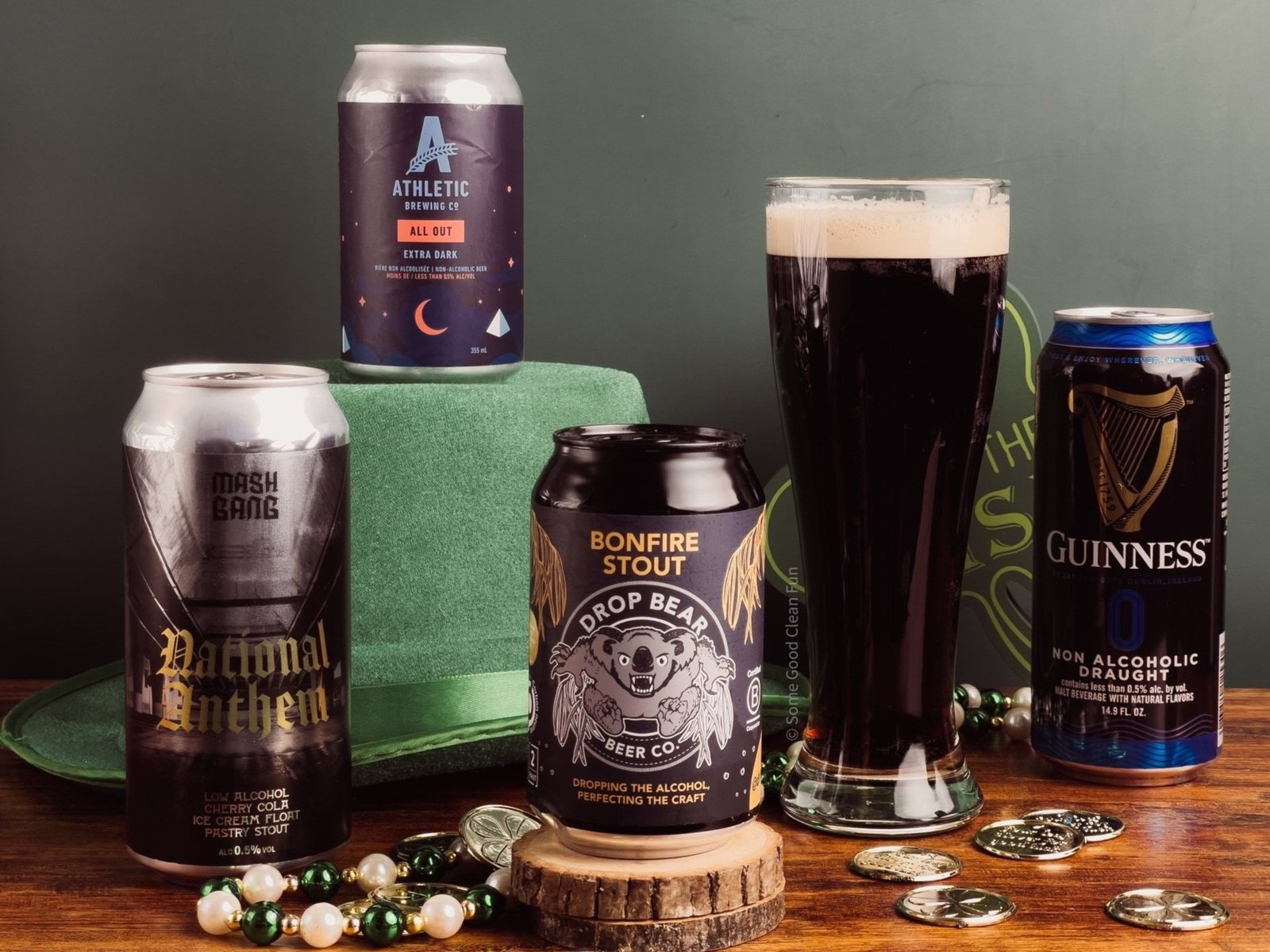
1. Dry Stout (e.g., Guinness)

The most famous example of a dry stout is Guinness, a beer that has earned worldwide recognition for its smooth, drinkable qualities. Dry stouts typically have a moderate ABV (around 4% to 5%), light to medium body, and a clean, dry finish. The roasted malt flavors are present but not overpowering, and the slight bitterness from the hops provides a crisp finish. The combination of light body, moderate carbonation, and smooth roasted malt make dry stouts incredibly refreshing, especially when served cold.

2. Sweet Stout (Milk Stout)

Sweet stouts, or milk stouts, are brewed with lactose (milk sugar), which adds a touch of sweetness to the beer. While these stouts are typically richer than dry stouts, the sweetness is balanced by the dark roasted malt flavors. This style is a little creamier, but it still manages to remain drinkable. The slight sweetness makes these stouts refreshing without becoming overly heavy, especially when the lactose is used sparingly.

3. Foreign Extra Stout

Foreign extra stouts are higher in alcohol than dry stouts but still manage to remain quite balanced. They often have a deeper malt character, with a combination of roasted and chocolate flavors, but the body remains medium to light. The bitterness from the hops and the moderate carbonation add to the refreshing quality, making this style a good choice for those who want a stout with a bit more complexity but still appreciate a beer that isn’t too heavy.

4. Oatmeal Stout

Oatmeal stouts incorporate oats into the recipe, which adds a smooth, velvety mouthfeel without making the beer too thick or heavy. The oats provide a silky texture, while the roasted malt flavors still shine through. Oatmeal stouts can vary in sweetness and alcohol content, but many are brewed with a moderate ABV (around 4% to 6%), which makes them lighter and more drinkable than stronger stouts. The combination of creamy texture and moderate flavors can make oatmeal stouts surprisingly refreshing.

5. Imperial Stout (Low ABV Versions)

While imperial stouts are typically known for their high ABV and intense flavors, many breweries have begun crafting lower ABV imperial stouts that still pack a flavorful punch. These stouts maintain the roasted malt, coffee, and chocolate flavors typical of the style but without the heavy body and alcohol warmth associated with traditional imperial stouts. With an ABV of around 6% to 7%, these lighter versions of imperial stouts are more accessible and can still be refreshing, especially when served in a chilled pint.

Pairing Stouts with Food for Maximum Refreshment

The refreshment factor of a stout can also be influenced by the food it’s paired with. Certain foods complement the rich, roasted malt flavors of stouts, enhancing the beer’s drinkability. Light and refreshing food options, such as grilled meats, seafood, or fresh salads, can balance out the richness of the stout, making it feel more refreshing. Pairing stouts with dishes that have a slight sweetness, such as chocolate desserts or caramel-flavored treats, can also highlight the refreshing quality of the beer.

Conclusion: The Refreshing Side of Stouts

While lagers are often the go-to choice for a refreshing beer, st

outs are capable of offering their own brand of refreshment. Whether through the smoothness of a dry stout, the light body of a session stout, or the balanced sweetness of a milk stout, there are many stout variations that can surprise you with their crispness and drinkability.

Ultimately, whether a stout is refreshing comes down to its specific style, carbonation level, and how well it is balanced. For those willing to explore beyond the traditional lager, stouts offer a rich, flavorful, and surprisingly refreshing alternative that can be enjoyed in a variety of settings. So next time you’re seeking refreshment, don’t discount the stout—there’s more to this dark beer than meets the eye.


Tags: dry stoutmilk stoutoatmeal stoutRefreshing StoutsSession StoutsStouts
ShareTweetShare

Related Posts

Beer as a Cultural and Social Force: From Ancient Brew to Modern Identity
Beer

The Art of Beer & Food Pairing: Unlocking Flavor Through Balance, Contrast, and Texture

April 26, 2026
Beer as a Cultural and Social Force: From Ancient Brew to Modern Identity
Beer

A Complete Guide to Beer Styles: From Lager to Stout, Understanding Flavor, Body, and Character

April 26, 2026
Beer as a Cultural and Social Force: From Ancient Brew to Modern Identity
Beer

The Global Beer Industry: Craft Revolution, Market Forces, and the Future of Brewing

April 26, 2026
Beer as a Cultural and Social Force: From Ancient Brew to Modern Identity
Beer

The Science of Beer: Brewing Process, Ingredients, and the Chemistry of Flavor

April 26, 2026
Beer as a Cultural and Social Force: From Ancient Brew to Modern Identity
Beer

Beer as a Cultural and Social Force: From Ancient Brew to Modern Identity

April 26, 2026
The Evolution of Beer — From Ancient Brews to the Craft Revolution
Beer

The Future of Beer — Innovation, Sustainability, and Emerging Trends

April 23, 2026
Leave Comment
  • Trending
  • Comments
  • Latest
Role of Terroir in Champagne Production

Role of Terroir in Champagne Production

January 19, 2026
Champagne Can Be Aged in Wood?

Champagne Can Be Aged in Wood?

January 18, 2026
Is Organic Wine Healthier Than Conventional Wine?

Is Organic Wine Healthier Than Conventional Wine?

January 20, 2026
Why Do Some Champagnes Use a High Proportion of Pinot Meunier?

Why Do Some Champagnes Use a High Proportion of Pinot Meunier?

January 20, 2026
The Timeless Elegance of Wine: A Journey Through History and Culture

The Timeless Elegance of Wine: A Journey Through History and Culture

Why Is Château Lafite Rothschild the Pinnacle of Fine Wine?

Why Is Château Lafite Rothschild the Pinnacle of Fine Wine?

How Did Château Lafite Rothschild Become a Global Icon of Luxury?

How Did Château Lafite Rothschild Become a Global Icon of Luxury?

What Makes Chateau Lafite Rothschild the Pinnacle of Bordeaux Wines?

What Makes Chateau Lafite Rothschild the Pinnacle of Bordeaux Wines?

Beer as a Cultural and Social Force: From Ancient Brew to Modern Identity

The Art of Beer & Food Pairing: Unlocking Flavor Through Balance, Contrast, and Texture

April 26, 2026
Beer as a Cultural and Social Force: From Ancient Brew to Modern Identity

A Complete Guide to Beer Styles: From Lager to Stout, Understanding Flavor, Body, and Character

April 26, 2026
Beer as a Cultural and Social Force: From Ancient Brew to Modern Identity

The Global Beer Industry: Craft Revolution, Market Forces, and the Future of Brewing

April 26, 2026
Beer as a Cultural and Social Force: From Ancient Brew to Modern Identity

The Science of Beer: Brewing Process, Ingredients, and the Chemistry of Flavor

April 26, 2026
SipsavorLife

Welcome to our comprehensive beverage guide, where you can explore the fascinating world of alcoholic drinks. From exquisite wines and rich whiskeys to refreshing beers and sparkling champagnes, we provide insights, tips, and recommendations for enthusiasts and casual drinkers alike. Discover your next favorite libation with us!

© 2025 sipsavorlife.com. contacts:sipsavorlife-35376@gmail.com

No Result
View All Result
  • Home
  • Wine
  • Whiskey
  • Beer
  • Grain Spirits
  • Champagne
  • ALL

© 2025 sipsavorlife.com. contacts:sipsavorlife-35376@gmail.com

Welcome Back!

Login to your account below

Forgotten Password?

Retrieve your password

Please enter your username or email address to reset your password.

Log In