










Champagne has long been seen as a drink reserved for special occasions—an iconic symbol of celebration, luxury, and refinement. The pop of the cork and the sparkle in the glass evoke a sense of festivity, marking the beginning of significant moments such as weddings, New Year’s Eve, or professional milestones. But is there really a “best” time to drink Champagne, or can this effervescent wine be enjoyed casually and on any given day? Is it a drink that should only be reserved for life’s most precious events, or can it be a more everyday indulgence? In this article, we will explore the occasions that call for Champagne, whether it can be enjoyed casually, and how regional traditions influence when and how Champagne is consumed.
The Ritual of Champagne: Celebrating Life’s Special Moments
The tradition of drinking Champagne during special occasions dates back centuries, and this practice has deeply embedded itself into our cultural consciousness. Champagne has become the drink of choice for marking milestones—weddings, birthdays, promotions, the arrival of a new year, and more.
1. Champagne as the Drink of Celebration
Historically, Champagne was linked to the French aristocracy and royal courts, becoming a symbol of luxury and exclusivity. The French royal court’s early adoption of Champagne as the drink of choice during royal events helped establish its association with grandeur and significant occasions. Today, this association still stands. A wedding toast, a celebratory dinner after an achievement, or the countdown to midnight on New Year’s Eve—these are all quintessential Champagne moments.
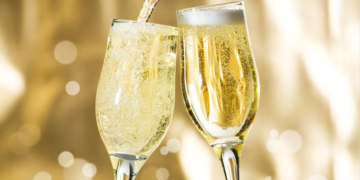
The very act of opening a bottle of Champagne, with its dramatic pop and sparkling effervescence, signifies the start of something important, exciting, or celebratory. For these reasons, Champagne is often saved for life’s special moments, when the atmosphere is filled with joy and anticipation.
2. Champagne and New Year’s Eve: A Tradition of Celebration
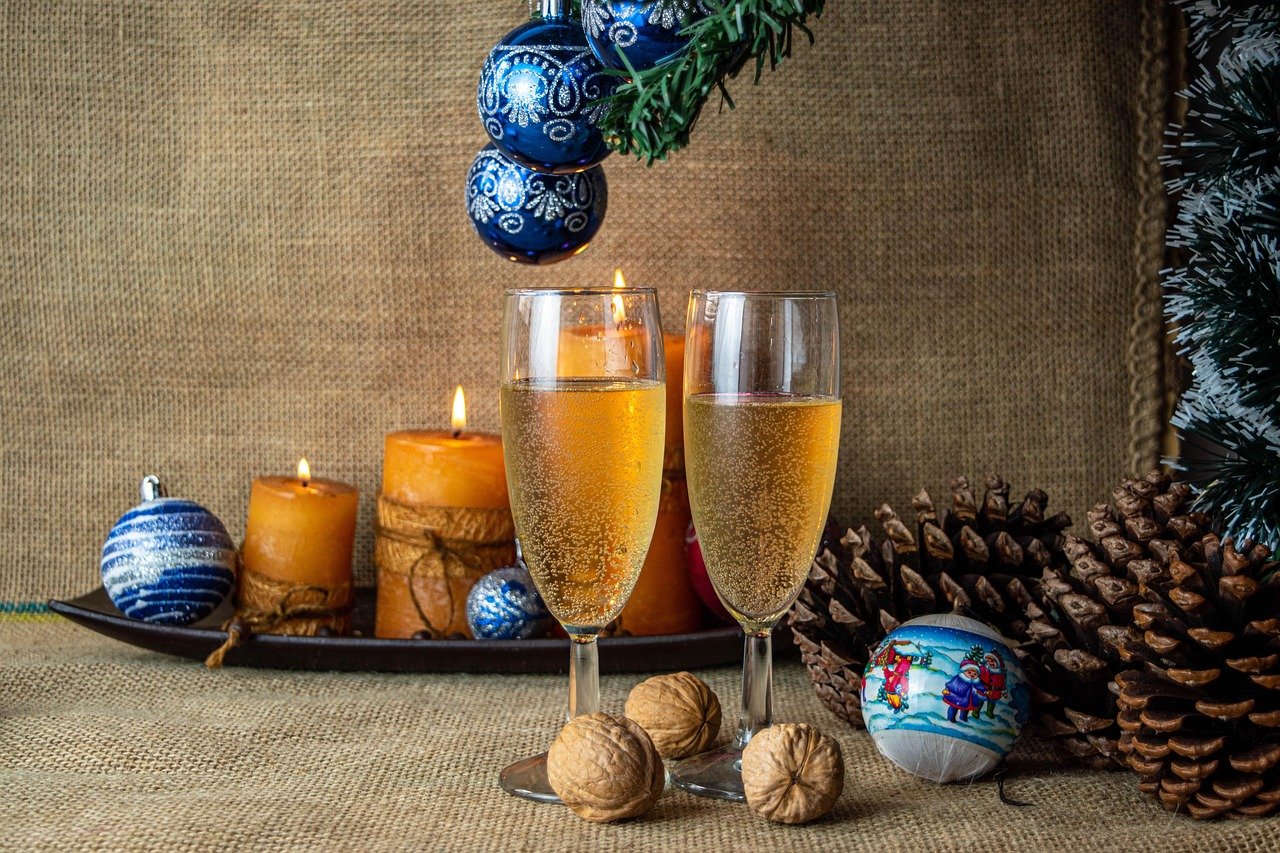
Arguably the most iconic and widely recognized occasion to drink Champagne is New Year’s Eve. The tradition of drinking Champagne as the clock strikes midnight has been established for generations. It signifies a fresh start, marking the passage of time with joy, optimism, and a sense of new beginnings.
In many cultures, Champagne is closely associated with ushering in a new year, and the drink is often consumed during large gatherings, formal events, and fireworks displays. The sparkling bubbles symbolize renewal and hope for the future, making it the ideal drink for one of the most globally celebrated events of the year.
Casual Champagne Drinking: Breaking Tradition
While Champagne is often associated with formal celebrations, there is growing interest in drinking Champagne casually—whether it’s at dinner, a relaxed gathering with friends, or simply as a treat after a long day. The perception that Champagne is only for extravagant events is slowly being dispelled, and many are embracing the idea of Champagne as an everyday indulgence.
1. Champagne as an Aperitif: A Casual Start to the Evening
One way to enjoy Champagne casually is to drink it as an aperitif before a meal. Serving Champagne as an appetizer drink before dinner has become increasingly popular in recent years. Whether it’s a casual dinner party with friends or an intimate evening at home, Champagne can be an excellent way to set the tone for the evening.
The crisp, refreshing bubbles of Champagne can stimulate the appetite, making it a perfect pre-dinner drink. You don’t need a grand occasion to serve Champagne—simple meals such as a salad, seafood, or charcuterie boards can be beautifully enhanced by the right Champagne. In this setting, Champagne takes on a lighter, less formal role, becoming a drink that enhances the experience without requiring the weight of tradition.
2. Champagne with Everyday Meals
Another way Champagne is being embraced is as a pairing for everyday meals. In the past, many people would only consider pairing Champagne with expensive or luxurious foods, but modern food pairing trends have opened the door to more casual pairings. Champagne is now being served alongside everything from fried chicken to pizza, as its lightness and effervescence complement many different flavors.
Champagne’s acidity and bubbles make it a versatile partner for rich or fatty foods, cutting through the richness of cheeses, meats, and even heavier sauces. For example, a crispy Brut Champagne works wonderfully with fried foods, offering a refreshing contrast. Similarly, a bottle of Brut Rosé can be paired with pizza or grilled meats for a more informal but still elevated dining experience.
3. The Rise of Casual Champagne Bars
In recent years, Champagne bars have become a trendy addition to the dining and nightlife scene, offering Champagne by the glass or bottle in a relaxed, casual setting. These establishments often serve Champagne alongside casual bites, such as tapas, oysters, or light appetizers, allowing patrons to enjoy this sparkling wine without the formality of a traditional event.
The rise of casual Champagne bars reflects a shift in attitudes toward the drink, highlighting its versatility and accessibility. No longer confined to expensive restaurants or special events, Champagne is now a beverage that can be enjoyed at any time of day or night, in a variety of social settings.
Regional Champagne Traditions: When and How Champagne is Enjoyed Around the World
While Champagne is widely associated with celebrations, different regions and cultures have unique traditions and customs regarding when and how Champagne is consumed. From France to Japan, Champagne drinking customs vary, offering a glimpse into how this iconic drink has been integrated into different societies.
1. The French Approach: A Drink for All Occasions
As the birthplace of Champagne, France has a long and rich tradition of Champagne drinking. While Champagne is indeed the drink of choice for significant events, it is also enjoyed more casually in many French households. The French appreciate Champagne in a variety of contexts—from a glass of Champagne to accompany an afternoon snack to a bottle of bubbly served at dinner.
In France, it is not uncommon for Champagne to be served as part of a casual gathering with friends or family. The French take pleasure in celebrating the small moments in life, and Champagne is a natural companion to such occasions. Whether it’s shared during a Sunday lunch or after a long day, Champagne in France is enjoyed with ease and without the strict association to grand celebrations that it often holds in other cultures.
2. Champagne in the United States: The Grand Celebration Drink
In the United States, Champagne is generally reserved for grand celebrations such as weddings, New Year’s Eve parties, and important milestones. While Champagne is increasingly being seen in more casual settings, the pop of the cork and the pouring of bubbly remain iconic symbols of big moments.
American Champagne culture is heavily influenced by the notion of excess and luxury, and this often extends to the way Champagne is consumed. Champagne is frequently associated with glamour and elegance, with bottles often being presented as part of high-end restaurant experiences or luxurious parties. However, with the increasing popularity of sparkling wines like Prosecco, more casual Champagne drinking habits are beginning to emerge.
3. Champagne in Japan: A Toast to Success
In Japan, Champagne is also closely linked with success and celebration. However, the cultural context of drinking Champagne in Japan may differ slightly from that of Western countries. In Japan, Champagne is often consumed to mark business successes, promotions, and other achievements. It is not uncommon to see Champagne served during important business meetings, as a way of showing respect for the person being honored.
In addition, Japan has a strong tradition of seasonal festivals and holidays, and Champagne is often incorporated into these events. New Year’s celebrations, in particular, are a time for drinking Champagne in Japan, where it is seen as a drink that marks both the passage of time and the promise of good fortune in the year ahead.
4. Champagne in the UK: A Toast with Class
The United Kingdom has a more reserved tradition of Champagne drinking, with the drink primarily associated with formal gatherings, such as royal events, weddings, and New Year’s Eve. The British have a longstanding history of Champagne consumption, particularly among the upper classes, and Champagne is often viewed as the epitome of elegance and sophistication.
However, in recent years, Champagne has become more accessible to a wider audience in the UK. The idea of Champagne as a luxury item is still prevalent, but it is also now enjoyed during more relaxed occasions, such as casual brunches or dinners. The tradition of “Champagne afternoon tea” has also become a popular way of enjoying Champagne in a more laid-back yet still refined context.
Is There a Best Time to Drink Champagne?
The truth is, there is no universally “best” time to drink Champagne. It all comes down to personal preference, tradition, and the occasion at hand. Champagne is an incredibly versatile drink, suitable for both casual and formal settings, and its role in our social lives is expanding beyond the once rigid expectations.
Whether you choose to reserve Champagne for special occasions or incorporate it into your daily life, this sparkling wine can elevate any moment, making it worthy of celebration. Whether you are toasting the arrival of a new year or enjoying a glass with a casual meal, Champagne has a unique ability to bring joy and sophistication to any occasion.