






























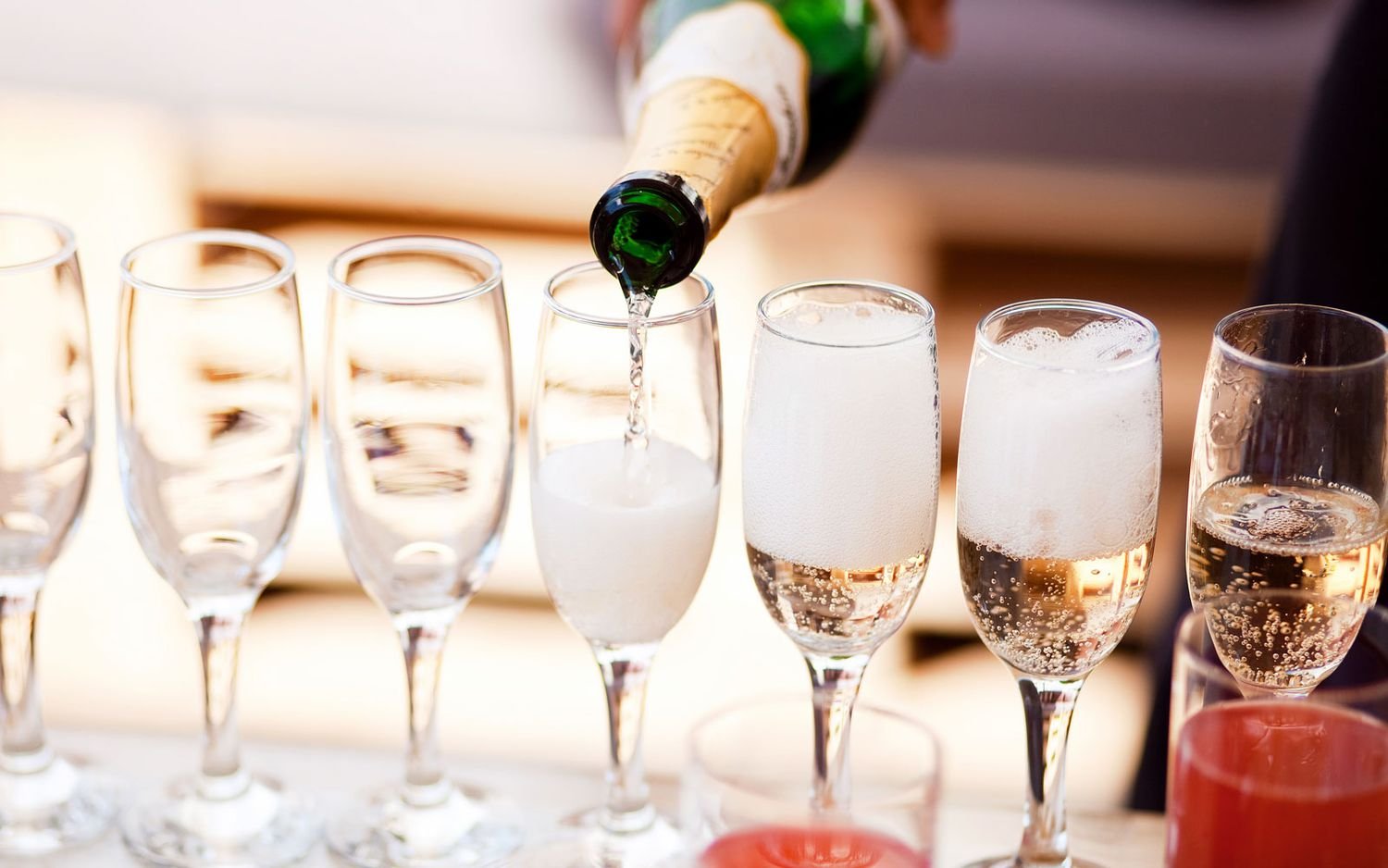
Champagne has long been synonymous with celebrations, marking moments of joy, triumph, and milestone achievements. The mere pop of a Champagne cork can stir emotions of excitement and festivity, whether at a wedding, a New Year’s Eve party, or an intimate gathering of friends. But why is Champagne so closely tied to special occasions? This association has deep historical, cultural, and symbolic roots that stretch back centuries. In this article, we will explore the historical and cultural ties between Champagne and special occasions, the symbolism that has developed around the drink, and how Champagne came to be considered a luxury product that evokes a sense of exclusivity and extravagance.
The Historical Roots of Champagne’s Celebration Legacy
The association between Champagne and celebrations is not a modern invention; it has been woven into history for hundreds of years. The origins of Champagne’s connection to joy and festivity can be traced to the development of sparkling wines in the Champagne region of France.
1. The Early History of Champagne Production
The Champagne region, located in northeastern France, has been producing wine since the Roman Empire. However, the Champagne we know today—the sparkling variety—was not born until the 17th century. Before that, the wines produced in the Champagne region were still wines, much like those made in other regions of France. It wasn’t until the work of Dom Pérignon, a Benedictine monk, that sparkling Champagne began to take shape.
Dom Pérignon is often credited with discovering the methods of Champagne production, although it is important to note that sparkling wines were already being made in the region, albeit in a less controlled manner. Dom Pérignon’s innovations with fermentation techniques, and his ability to harness the pressure of carbon dioxide, helped to create the first sparkling wines that were consistent and stable.
The monk’s famous words, “Come quickly, I am tasting the stars!” reflect his excitement upon first tasting the sparkling wine, signaling his recognition of its extraordinary nature. This enthusiasm around Champagne began to spread, and it gradually became associated with luxury and festivity.
2. Champagne in Royal Courts and Noble Celebrations
As sparkling wine began to gain popularity, it became a favorite drink in royal courts and among European nobility. In the 17th and 18th centuries, Champagne was reserved for the elite, and its association with aristocracy helped to solidify its role in celebratory events.
The French royal court, in particular, played a significant role in promoting Champagne as a drink of distinction. King Louis XIV, known as the Sun King, was one of the first to actively endorse Champagne at royal banquets. He favored the drink for its sparkling, effervescent qualities, which added an element of spectacle to any occasion.
However, it was not just France that saw Champagne as a drink for the wealthy. Across Europe, particularly in Britain, Champagne became a symbol of luxury and exclusivity. The English nobility, in particular, became enamored with Champagne, cementing its status as a celebratory drink in European culture.
By the 19th century, Champagne had firmly established itself as the drink of choice for important occasions, including royal coronations, state banquets, and weddings. Its association with celebration grew stronger, and it became a fixture at events that demanded a sense of grandeur and excitement.
The Symbolism of Champagne in Moments of Joy
The act of opening a bottle of Champagne and sharing a glass has become a powerful symbol of joy, success, and special moments. This symbolism has been cultivated over centuries and is now ingrained in our collective consciousness. Champagne is not just a drink; it represents the height of celebration, and it plays a role in creating lasting memories associated with joy and happiness.
1. A Toast to New Beginnings
One of the most iconic symbols of Champagne is its role in marking new beginnings. Whether it’s a wedding toast, the celebration of a new year, or a promotion at work, Champagne is the go-to drink to symbolize a fresh start. The popping of the cork and the clinking of glasses signal the hope for a bright future and a collective sense of optimism.
Weddings, in particular, are perhaps the most enduring association of Champagne with life’s milestones. The tradition of raising a glass of Champagne to toast newlyweds has been practiced for centuries. This gesture is a mark of celebration, love, and the start of a new chapter in life. The effervescence of Champagne mirrors the excitement and joy that accompany the promise of a lifelong partnership.
2. A Celebration of Achievement
Champagne is also synonymous with personal or collective achievements. From promotions to graduations, from athletic victories to artistic accomplishments, Champagne has become a symbol of success. The ritual of opening Champagne after achieving something significant is a moment that honors the effort, hard work, and perseverance that went into reaching a goal.
The drink itself represents the sweet reward of success—the bubbles symbolizing the excitement and effervescence that accompany a personal victory. When a team wins a championship or when someone achieves a professional milestone, Champagne is often used to mark the occasion and to celebrate the effort that led to the triumph.
3. Joy and Laughter Shared with Loved Ones
Beyond milestones and achievements, Champagne plays a role in creating moments of joy and togetherness. Sharing a bottle of Champagne with friends and family brings people closer together and enhances the collective experience. Its association with special moments is built on the ability to unite people in celebration, whether it’s for a birthday, a family reunion, or a simple moment of happiness.
The ritual of opening and sharing a bottle of Champagne is one that fosters connection, happiness, and collective enjoyment. The drink becomes a symbol of the joy that is shared when people gather to commemorate a special moment, creating lasting memories that are tied to the drink itself.
Champagne’s Rise as a Luxury Drink
The elevation of Champagne to a luxury drink was not a mere accident of history. Several factors contributed to Champagne’s transformation from a regional wine to an international symbol of prestige and wealth. By the late 19th and early 20th centuries, Champagne had become a luxury product marketed to the global elite.
1. The Role of Champagne Houses
The Champagne houses, which date back to the 17th century, played a crucial role in elevating the drink to a luxury status. Prominent houses such as Moët & Chandon, Veuve Clicquot, and Louis Roederer became synonymous with Champagne’s luxury image. These houses were not just producers of Champagne; they were curators of experience, offering a level of quality, craftsmanship, and exclusivity that was sought after by the aristocracy.
The marketing strategies employed by these Champagne houses were also instrumental in cementing Champagne’s luxury status. By focusing on the craftsmanship and meticulous attention to detail that went into each bottle, Champagne became a symbol of refinement and sophistication. The branding of Champagne as the drink of choice for the upper classes further solidified its position as a luxury item.
2. The Champagne Marketing Revolution
The rise of Champagne as a luxury drink was also aided by the development of sophisticated marketing and branding techniques. By the early 20th century, Champagne producers began focusing not just on the drink itself but on the experience of consuming Champagne. The imagery surrounding Champagne became one of extravagance, exclusivity, and wealth.
In addition to the association with royalty and aristocracy, Champagne became a symbol of success for the emerging middle class. The elite began using Champagne as a way to display their social status, while it also became a popular gift for special occasions. The ritual of gifting Champagne to mark moments of success became deeply embedded in the culture of wealth and luxury.
3. Champagne and Popular Culture
Champagne’s status as a luxury drink was further cemented by its prominence in popular culture. The allure of Champagne was amplified in films, literature, and advertising, where it was often depicted as the drink of choice for glamorous parties, lavish celebrations, and important life moments. Iconic figures such as Marilyn Monroe, Winston Churchill, and Ernest Hemingway helped to solidify the association between Champagne and the elite.
In more recent times, Champagne has appeared in films, music videos, and advertisements as a symbol of sophistication and indulgence. From the glitzy world of Hollywood to the fashion industry, Champagne remains the drink of choice for those who want to celebrate in style.
Champagne and Its Timeless Connection to Celebration
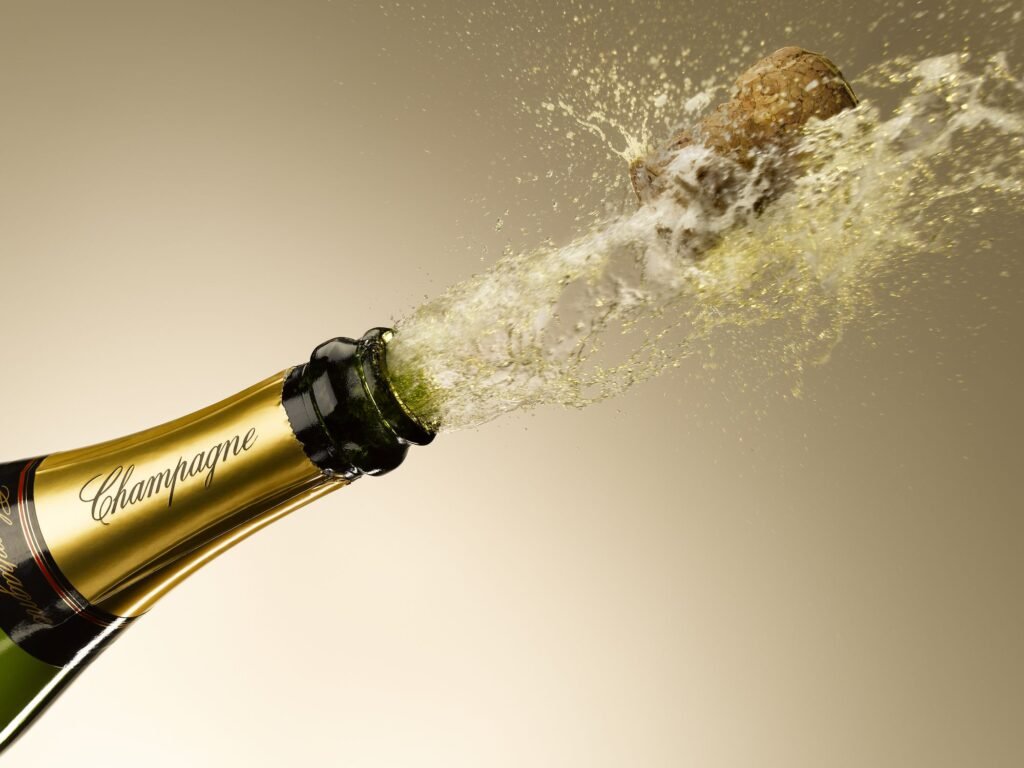
As we have seen, the connection between Champagne and celebration is deeply ingrained in history, culture, and symbolism. From its early roots in royal courts to its rise as a luxury drink marketed to the global elite, Champagne has earned its place as the drink of choice for life’s most significant moments. The effervescent bubbles, the celebratory pop of the cork, and the clink of glasses all symbolize the joy, excitement, and triumph that come with moments of happiness and achievement.
Whether it’s a wedding, a promotion, a personal victory, or a moment of shared joy, Champagne continues to play an integral role in celebrating the special moments that define our lives. Its ability to symbolize luxury, success, and happiness ensures that Champagne will remain forever associated with life’s most cherished celebrations.










