








SipsavorLife
  • Home
  • Wine
    Wine Pairings: Can They Change the Flavor Profile of a Dish?

    Wine Pairings: Can They Change the Flavor Profile of a Dish?

    How Do Wine Glasses Influence the Tasting Experience?

    How Do Wine Glasses Influence the Tasting Experience?

    Is Organic Wine Healthier Than Conventional Wine?

    Is Organic Wine Healthier Than Conventional Wine?

    Why Do Some Wines Taste Better from Specific Vintages?

    Why Do Some Wines Taste Better from Specific Vintages?

    Wine Tasting: Can It Truly Be an Art Form?

    Wine Tasting: Can It Truly Be an Art Form?

    What Does Terroir Actually Mean for Your Wine?

    What Does Terroir Actually Mean for Your Wine?

  • Whiskey
    Can Beer Be an Effective Ingredient in Culinary Cooking?

    Can Beer Be an Effective Ingredient in Culinary Cooking?

    Second Fermentation in Champagne: Is It Really That Crucial?

    Second Fermentation in Champagne: Is It Really That Crucial?

    How Do Different Grains Impact the Flavor Profile of Distilled Spirits?

    How Do Different Grains Impact the Flavor Profile of Distilled Spirits?

    How Do Whiskey Master Blenders Create Perfection?

    How Do Whiskey Master Blenders Create Perfection?

    Wine Pairings: Can They Change the Flavor Profile of a Dish?

    Wine Pairings: Can They Change the Flavor Profile of a Dish?

    Beer the Ultimate Beverage for Pairing with Spicy Food?

    Beer the Ultimate Beverage for Pairing with Spicy Food?

  • Beer
    Can Beer Be an Effective Ingredient in Culinary Cooking?

    Can Beer Be an Effective Ingredient in Culinary Cooking?

    Beer the Ultimate Beverage for Pairing with Spicy Food?

    Beer the Ultimate Beverage for Pairing with Spicy Food?

    How Did Ancient Civilizations Brew Beer Without Modern Technology?

    How Did Ancient Civilizations Brew Beer Without Modern Technology?

    Is It Possible to Brew a Beer with No Alcohol and No Compromise on Taste?

    Is It Possible to Brew a Beer with No Alcohol and No Compromise on Taste?

    Why Does Beer Taste Different at High Altitudes?

    Why Does Beer Taste Different at High Altitudes?

    Is Hops the Secret Ingredient Behind Beer’s Bold Flavor?

    Is Hops the Secret Ingredient Behind Beer’s Bold Flavor?

  • Grain Spirits
    How Do Different Grains Impact the Flavor Profile of Distilled Spirits?

    How Do Different Grains Impact the Flavor Profile of Distilled Spirits?

    Grain Spirits the Unsung Heroes of Modern Mixology

    Grain Spirits the Unsung Heroes of Modern Mixology

    What Makes Grain-Based Whiskey So Different from Its Peated Cousins?

    What Makes Grain-Based Whiskey So Different from Its Peated Cousins?

    Grain Spirits: Could They Be the Next Big Trend in Craft Cocktails?

    Grain Spirits: Could They Be the Next Big Trend in Craft Cocktails?

    Why Are Grain Spirits Often Overlooked in the World of Fine Liquor?

    Why Are Grain Spirits Often Overlooked in the World of Fine Liquor?

    Is There a Secret Art to Distilling Grain Spirits?

    Is There a Secret Art to Distilling Grain Spirits?

  • Champagne
    Second Fermentation in Champagne: Is It Really That Crucial?

    Second Fermentation in Champagne: Is It Really That Crucial?

    The Science Behind the ‘Bubble Size’ in Champagne

    The Science Behind the ‘Bubble Size’ in Champagne

    Why Do Some Champagnes Use a High Proportion of Pinot Meunier?

    Why Do Some Champagnes Use a High Proportion of Pinot Meunier?

    Role of Terroir in Champagne Production

    Role of Terroir in Champagne Production

    Champagne Can Be Aged in Wood?

    Champagne Can Be Aged in Wood?

    Is There a Difference Between Blanc de Blancs and Blanc de Noirs Champagne?

    Is There a Difference Between Blanc de Blancs and Blanc de Noirs Champagne?

  • ALL
    Can Beer Be an Effective Ingredient in Culinary Cooking?

    Can Beer Be an Effective Ingredient in Culinary Cooking?

    Second Fermentation in Champagne: Is It Really That Crucial?

    Second Fermentation in Champagne: Is It Really That Crucial?

    How Do Different Grains Impact the Flavor Profile of Distilled Spirits?

    How Do Different Grains Impact the Flavor Profile of Distilled Spirits?

    How Do Whiskey Master Blenders Create Perfection?

    How Do Whiskey Master Blenders Create Perfection?

    Wine Pairings: Can They Change the Flavor Profile of a Dish?

    Wine Pairings: Can They Change the Flavor Profile of a Dish?

    Beer the Ultimate Beverage for Pairing with Spicy Food?

    Beer the Ultimate Beverage for Pairing with Spicy Food?

SipsavorLife
  • Home
  • Wine
    Wine Pairings: Can They Change the Flavor Profile of a Dish?

    Wine Pairings: Can They Change the Flavor Profile of a Dish?

    How Do Wine Glasses Influence the Tasting Experience?

    How Do Wine Glasses Influence the Tasting Experience?

    Is Organic Wine Healthier Than Conventional Wine?

    Is Organic Wine Healthier Than Conventional Wine?

    Why Do Some Wines Taste Better from Specific Vintages?

    Why Do Some Wines Taste Better from Specific Vintages?

    Wine Tasting: Can It Truly Be an Art Form?

    Wine Tasting: Can It Truly Be an Art Form?

    What Does Terroir Actually Mean for Your Wine?

    What Does Terroir Actually Mean for Your Wine?

  • Whiskey
    Can Beer Be an Effective Ingredient in Culinary Cooking?

    Can Beer Be an Effective Ingredient in Culinary Cooking?

    Second Fermentation in Champagne: Is It Really That Crucial?

    Second Fermentation in Champagne: Is It Really That Crucial?

    How Do Different Grains Impact the Flavor Profile of Distilled Spirits?

    How Do Different Grains Impact the Flavor Profile of Distilled Spirits?

    How Do Whiskey Master Blenders Create Perfection?

    How Do Whiskey Master Blenders Create Perfection?

    Wine Pairings: Can They Change the Flavor Profile of a Dish?

    Wine Pairings: Can They Change the Flavor Profile of a Dish?

    Beer the Ultimate Beverage for Pairing with Spicy Food?

    Beer the Ultimate Beverage for Pairing with Spicy Food?

  • Beer
    Can Beer Be an Effective Ingredient in Culinary Cooking?

    Can Beer Be an Effective Ingredient in Culinary Cooking?

    Beer the Ultimate Beverage for Pairing with Spicy Food?

    Beer the Ultimate Beverage for Pairing with Spicy Food?

    How Did Ancient Civilizations Brew Beer Without Modern Technology?

    How Did Ancient Civilizations Brew Beer Without Modern Technology?

    Is It Possible to Brew a Beer with No Alcohol and No Compromise on Taste?

    Is It Possible to Brew a Beer with No Alcohol and No Compromise on Taste?

    Why Does Beer Taste Different at High Altitudes?

    Why Does Beer Taste Different at High Altitudes?

    Is Hops the Secret Ingredient Behind Beer’s Bold Flavor?

    Is Hops the Secret Ingredient Behind Beer’s Bold Flavor?

  • Grain Spirits
    How Do Different Grains Impact the Flavor Profile of Distilled Spirits?

    How Do Different Grains Impact the Flavor Profile of Distilled Spirits?

    Grain Spirits the Unsung Heroes of Modern Mixology

    Grain Spirits the Unsung Heroes of Modern Mixology

    What Makes Grain-Based Whiskey So Different from Its Peated Cousins?

    What Makes Grain-Based Whiskey So Different from Its Peated Cousins?

    Grain Spirits: Could They Be the Next Big Trend in Craft Cocktails?

    Grain Spirits: Could They Be the Next Big Trend in Craft Cocktails?

    Why Are Grain Spirits Often Overlooked in the World of Fine Liquor?

    Why Are Grain Spirits Often Overlooked in the World of Fine Liquor?

    Is There a Secret Art to Distilling Grain Spirits?

    Is There a Secret Art to Distilling Grain Spirits?

  • Champagne
    Second Fermentation in Champagne: Is It Really That Crucial?

    Second Fermentation in Champagne: Is It Really That Crucial?

    The Science Behind the ‘Bubble Size’ in Champagne

    The Science Behind the ‘Bubble Size’ in Champagne

    Why Do Some Champagnes Use a High Proportion of Pinot Meunier?

    Why Do Some Champagnes Use a High Proportion of Pinot Meunier?

    Role of Terroir in Champagne Production

    Role of Terroir in Champagne Production

    Champagne Can Be Aged in Wood?

    Champagne Can Be Aged in Wood?

    Is There a Difference Between Blanc de Blancs and Blanc de Noirs Champagne?

    Is There a Difference Between Blanc de Blancs and Blanc de Noirs Champagne?

  • ALL
    Can Beer Be an Effective Ingredient in Culinary Cooking?

    Can Beer Be an Effective Ingredient in Culinary Cooking?

    Second Fermentation in Champagne: Is It Really That Crucial?

    Second Fermentation in Champagne: Is It Really That Crucial?

    How Do Different Grains Impact the Flavor Profile of Distilled Spirits?

    How Do Different Grains Impact the Flavor Profile of Distilled Spirits?

    How Do Whiskey Master Blenders Create Perfection?

    How Do Whiskey Master Blenders Create Perfection?

    Wine Pairings: Can They Change the Flavor Profile of a Dish?

    Wine Pairings: Can They Change the Flavor Profile of a Dish?

    Beer the Ultimate Beverage for Pairing with Spicy Food?

    Beer the Ultimate Beverage for Pairing with Spicy Food?

SipsavorLife
No Result
View All Result
Home ALL

What Makes a Wine “Old World” vs. “New World”?

March 27, 2025
in ALL, Wine
What Makes a Wine “Old World” vs. “New World”?

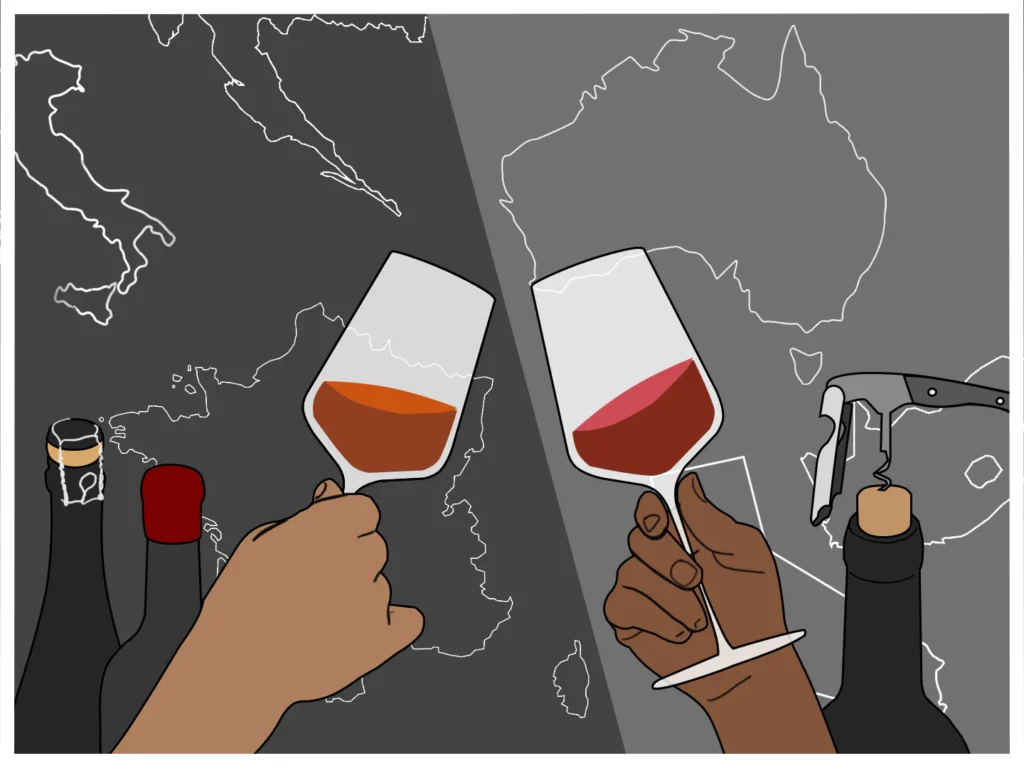
The distinction between Old World and New World wines is one of the most fundamental concepts in the world of wine. This classification goes beyond just geography; it reflects differences in wine production philosophy, history, terroir, and winemaking traditions. Old World wines are typically associated with European regions, where centuries-old traditions and appellation systems shape the wine’s characteristics. On the other hand, New World wines, originating from regions outside Europe, are often marked by innovation and experimentation, alongside varying climates and soil types.

In this article, we will explore what defines Old World and New World wines, the key distinctions between them, and how elements like terroir, winemaking traditions, and climate impact their unique styles. By the end, you’ll have a clearer understanding of how to distinguish between these two wine categories and appreciate the nuances that make each special.

The Origins of Old World and New World Wines

Before diving into the specific differences between Old World and New World wines, it’s important to define what these terms mean.

1. Old World Wines

Old World wines refer to those produced in traditional wine-growing regions that have been making wine for centuries, primarily in Europe. Countries such as France, Italy, Spain, Germany, and Portugal are considered the heart of the Old World wine industry. These regions are steeped in centuries of winemaking history, with methods that have been refined over generations. In Old World regions, wine production is often highly regulated by appellation laws, ensuring that wines reflect the unique characteristics of their origins.

  • France: Known for producing some of the most iconic wines in the world, from Bordeaux to Burgundy and Champagne, Old World wines from France emphasize terroir and traditional winemaking practices.
  • Italy: Italian wines, like those from Tuscany and Piedmont, emphasize regional identity, with a focus on indigenous grape varieties and strict production guidelines.
  • Spain: Spain’s rich winemaking heritage includes famous regions like Rioja, Ribera del Duero, and Sherry-producing areas, where ancient methods continue to define the style of the wines.
  • Germany: German wines, particularly Riesling, are renowned for their focus on terroir and a balance of acidity and sweetness.
  • Portugal: Known for fortified wines like Port and Madeira, Portugal has a deep winemaking history, with regions such as the Douro Valley producing wines with significant heritage.

2. New World Wines

New World wines are those produced outside of Europe in regions where winemaking history is relatively young by comparison. Countries like the United States (particularly California), Australia, Argentina, Chile, South Africa, and New Zealand have become well-known for their New World wines. New World regions typically have more flexibility in winemaking practices and fewer regulations than Old World regions, allowing for innovation and the freedom to experiment with different methods.

  • California (USA): California is one of the most famous New World wine regions, producing bold, fruit-forward wines, particularly from regions like Napa Valley and Sonoma.
  • Australia: Australia’s wine regions, including Barossa Valley and McLaren Vale, are known for their powerful Shiraz and innovative blends.
  • Argentina: Argentina’s Mendoza region is particularly famous for Malbec, with its unique expression in the high-altitude vineyards of the Andes Mountains.
  • Chile: Chilean wines are known for their consistency and quality, particularly in regions like Maipo Valley, where Cabernet Sauvignon and Carmenere thrive.
  • South Africa: Known for producing distinctive wines with a combination of European influence and New World freedom, South Africa’s Stellenbosch region is particularly renowned for its reds.
  • New Zealand: Famous for its Sauvignon Blanc and Pinot Noir, New Zealand has quickly become known for its clean, expressive wines, especially from Marlborough.

Key Distinctions Between Old World and New World Wines

Understanding the differences between Old World and New World wines involves looking at several factors, including terroir, winemaking traditions, climate, and the philosophy behind production. Let’s break down each of these key elements.

1. Terroir: The Influence of Soil and Climate

One of the most significant differences between Old World and New World wines is the concept of terroir, which refers to the unique combination of soil, climate, topography, and human influence that shapes the character of a wine. In the Old World, terroir is deeply ingrained in the winemaking philosophy, and wines are often labeled according to the region or vineyard from which they come. For example, a Burgundy wine from France is expected to express the distinct terroir of Burgundy, with soil and climate playing a crucial role in its style.

  • Old World Terroir: In Old World regions, the climate is typically cooler, and the soil is more varied, with many vineyards planted in limestone, clay, or volcanic soils. The cool climates help to preserve acidity, resulting in wines with higher acidity and more subtle flavors. Old World wines also tend to be more restrained in terms of fruitiness, focusing more on earthy, mineral, and herbal notes that reflect the terroir.
  • New World Terroir: New World regions generally have warmer climates, which results in riper fruit and higher alcohol content in wines. The terroir in places like California or Australia includes a mix of fertile soils that vary from region to region. The warmer climates allow for longer ripening periods, leading to wines with more pronounced fruit flavors and softer acidity. This often results in wines that are more accessible and less restrained in their expression.
2. Winemaking Traditions and Practices

Winemaking traditions are another key difference between Old World and New World wines. In the Old World, there is a strong emphasis on tradition, and many winemaking practices have been passed down through generations. Appellation systems like France’s AOC (Appellation d’Origine Contrôlée) or Italy’s DOC (Denominazione di Origine Controllata) play a central role in regulating how wines are made, ensuring that they adhere to specific production standards.

  • Old World Winemaking: Old World winemakers tend to focus on subtlety, balance, and elegance. The wines are often more restrained in terms of fruit expression, relying on the natural qualities of the grapes and the influence of the environment. Oak aging is used sparingly, and the goal is to create wines that express the unique characteristics of the region.
  • New World Winemaking: In contrast, New World winemakers are often more experimental and willing to break from tradition. They tend to embrace modern technologies and techniques, such as temperature-controlled fermentation, which can enhance fruit expression. New World wines are often bolder and more fruit-forward, with a greater emphasis on making wines that are easy to drink and more approachable in their youth. Oak aging is more common in New World wines, and it tends to be more pronounced, imparting stronger flavors of vanilla, spice, and toast.

3. Climate and Its Effect on Wine Styles

Climate plays a pivotal role in shaping the character of the wine. Old World regions, which are typically located in cooler climates, tend to produce wines with higher acidity, subtlety, and complexity. These wines are often more structured, with a focus on finesse rather than sheer power. In contrast, New World regions, with their warmer climates, produce wines that are often more fruit-driven, full-bodied, and higher in alcohol.

  • Old World Climate: The cooler climates in regions like Burgundy, Bordeaux, and the Loire Valley result in slower ripening, preserving acidity in the grapes. This contributes to wines that are more balanced and have the ability to age well. For example, a Bordeaux wine might have earthy, mineral notes with more acidity, while a Burgundy wine might feature delicate, nuanced flavors with a distinct sense of place.
  • New World Climate: Warmer climates like those in California, Australia, and Argentina encourage faster ripening, leading to grapes with higher sugar content. These wines are often fruitier, fuller, and have a more approachable character. For instance, California Cabernet Sauvignon tends to be bold and ripe, with a rich fruit profile, while Australian Shiraz is often peppery, full-bodied, and plush.

Tasting Notes: Old World vs. New World Wines

When tasting Old World wines, you will often encounter wines that emphasize earthiness, minerality, and acidity. These wines are generally more subtle and complex, with an emphasis on balance and structure. In contrast, New World wines tend to be fruit-forward, full-bodied, and rich, with a stronger emphasis on bold flavors and less acidity.

1. Old World Wine Examples

  • Bordeaux (France): Known for its blend of Cabernet Sauvignon, Merlot, and Cabernet Franc, Bordeaux wines are structured with earthy, herbal, and tobacco notes balanced by high acidity.
  • Burgundy (France): Pinot Noir from Burgundy is typically light, nuanced, and earthy, with bright acidity and flavors of red fruit, such as cherries and raspberries.
  • Rioja (Spain): Rioja wines, often made from Tempranillo, tend to have earthy, leathery, and oaky notes, with well-integrated acidity and tannins.
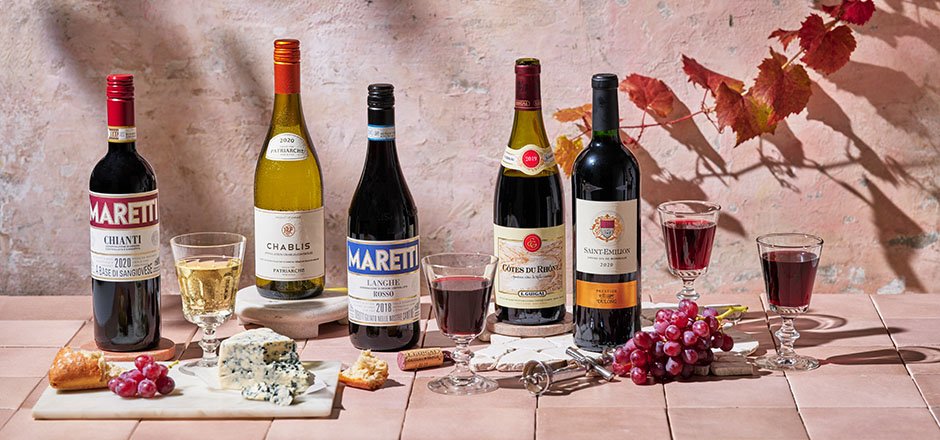
  • Chianti (Italy): Made primarily from Sangiovese, Chianti wines feature bright acidity, sour cherry flavors, and earthy undertones, with a focus on structure and food pairing.

2. New World Wine Examples

  • California Cabernet Sauvignon: Rich, full-bodied wines with bold fruit flavors like black currant and plum, along with a heavy oak influence that imparts vanilla and spice.
  • Australian Shiraz: Known for its bold, fruity character with dark berry flavors, pepper, and sometimes a smoky finish, Shiraz from regions like Barossa Valley is often full-bodied and approachable.
  • Argentine Malbec: Malbec from Argentina is known for its deep color, intense fruit flavors (like blackberry and plum), and velvety texture, often with a subtle smokiness.
  • Chilean Carmenère: A signature grape of Chile, Carmenère offers rich fruit flavors, along with green bell pepper notes and a smooth, medium-bodied structure.

Conclusion

The distinction between Old World and New World wines is shaped by a combination of historical context, terroir, climate, and winemaking traditions. While Old World wines are defined by their subtlety, complexity, and focus on terroir, New World wines are often bold, fruit-forward, and accessible, with a strong emphasis on innovation and expression. Understanding these differences allows wine enthusiasts to better appreciate the unique characteristics of wines from different regions and helps to deepen one’s appreciation of the vast diversity that exists within the world of wine.

Tags: New World wineOld World winewine regionswine terroir
ShareTweetShare

Related Posts

Can Beer Be an Effective Ingredient in Culinary Cooking?
ALL

Can Beer Be an Effective Ingredient in Culinary Cooking?

January 22, 2026
Second Fermentation in Champagne: Is It Really That Crucial?
ALL

Second Fermentation in Champagne: Is It Really That Crucial?

January 22, 2026
How Do Different Grains Impact the Flavor Profile of Distilled Spirits?
ALL

How Do Different Grains Impact the Flavor Profile of Distilled Spirits?

January 22, 2026
How Do Whiskey Master Blenders Create Perfection?
ALL

How Do Whiskey Master Blenders Create Perfection?

January 22, 2026
Wine Pairings: Can They Change the Flavor Profile of a Dish?
ALL

Wine Pairings: Can They Change the Flavor Profile of a Dish?

January 22, 2026
Beer the Ultimate Beverage for Pairing with Spicy Food?
ALL

Beer the Ultimate Beverage for Pairing with Spicy Food?

January 21, 2026
Leave Comment
  • Trending
  • Comments
  • Latest
What Hidden Craftsmanship Lies Behind a Bottle of Quality Grain Spirits?

What Hidden Craftsmanship Lies Behind a Bottle of Quality Grain Spirits?

July 3, 2025
How Is Champagne Made? The Secrets Behind the Sparkle

How Is Champagne Made? The Secrets Behind the Sparkle

April 15, 2025
Grain Spirits vs. Traditional Distilled Spirits: Which One Suits Your Taste?

Grain Spirits vs. Traditional Distilled Spirits: Which One Suits Your Taste?

July 3, 2025
Champagne Bubbles: How Do They Perfectly Convey Celebration, Joy, and Luxury?

Champagne Bubbles: How Do They Perfectly Convey Celebration, Joy, and Luxury?

July 2, 2025
The Timeless Elegance of Wine: A Journey Through History and Culture

The Timeless Elegance of Wine: A Journey Through History and Culture

Why Is Château Lafite Rothschild the Pinnacle of Fine Wine?

Why Is Château Lafite Rothschild the Pinnacle of Fine Wine?

How Did Château Lafite Rothschild Become a Global Icon of Luxury?

How Did Château Lafite Rothschild Become a Global Icon of Luxury?

What Makes Chateau Lafite Rothschild the Pinnacle of Bordeaux Wines?

What Makes Chateau Lafite Rothschild the Pinnacle of Bordeaux Wines?

Can Beer Be an Effective Ingredient in Culinary Cooking?

Can Beer Be an Effective Ingredient in Culinary Cooking?

January 22, 2026
Second Fermentation in Champagne: Is It Really That Crucial?

Second Fermentation in Champagne: Is It Really That Crucial?

January 22, 2026
How Do Different Grains Impact the Flavor Profile of Distilled Spirits?

How Do Different Grains Impact the Flavor Profile of Distilled Spirits?

January 22, 2026
How Do Whiskey Master Blenders Create Perfection?

How Do Whiskey Master Blenders Create Perfection?

January 22, 2026
SipsavorLife

Welcome to our comprehensive beverage guide, where you can explore the fascinating world of alcoholic drinks. From exquisite wines and rich whiskeys to refreshing beers and sparkling champagnes, we provide insights, tips, and recommendations for enthusiasts and casual drinkers alike. Discover your next favorite libation with us!

© 2025 sipsavorlife.com. contacts:sipsavorlife-35376@gmail.com

No Result
View All Result
  • Home
  • Wine
  • Whiskey
  • Beer
  • Grain Spirits
  • Champagne
  • ALL

© 2025 sipsavorlife.com. contacts:sipsavorlife-35376@gmail.com

Welcome Back!

Login to your account below

Forgotten Password?

Retrieve your password

Please enter your username or email address to reset your password.

Log In