






























SipsavorLife
  • Home
  • Wine
    Wine Pairings: Can They Change the Flavor Profile of a Dish?

    Wine Pairings: Can They Change the Flavor Profile of a Dish?

    How Do Wine Glasses Influence the Tasting Experience?

    How Do Wine Glasses Influence the Tasting Experience?

    Is Organic Wine Healthier Than Conventional Wine?

    Is Organic Wine Healthier Than Conventional Wine?

    Why Do Some Wines Taste Better from Specific Vintages?

    Why Do Some Wines Taste Better from Specific Vintages?

    Wine Tasting: Can It Truly Be an Art Form?

    Wine Tasting: Can It Truly Be an Art Form?

    What Does Terroir Actually Mean for Your Wine?

    What Does Terroir Actually Mean for Your Wine?

  • Whiskey
    Can Beer Be an Effective Ingredient in Culinary Cooking?

    Can Beer Be an Effective Ingredient in Culinary Cooking?

    Second Fermentation in Champagne: Is It Really That Crucial?

    Second Fermentation in Champagne: Is It Really That Crucial?

    How Do Different Grains Impact the Flavor Profile of Distilled Spirits?

    How Do Different Grains Impact the Flavor Profile of Distilled Spirits?

    How Do Whiskey Master Blenders Create Perfection?

    How Do Whiskey Master Blenders Create Perfection?

    Wine Pairings: Can They Change the Flavor Profile of a Dish?

    Wine Pairings: Can They Change the Flavor Profile of a Dish?

    Beer the Ultimate Beverage for Pairing with Spicy Food?

    Beer the Ultimate Beverage for Pairing with Spicy Food?

  • Beer
    Can Beer Be an Effective Ingredient in Culinary Cooking?

    Can Beer Be an Effective Ingredient in Culinary Cooking?

    Beer the Ultimate Beverage for Pairing with Spicy Food?

    Beer the Ultimate Beverage for Pairing with Spicy Food?

    How Did Ancient Civilizations Brew Beer Without Modern Technology?

    How Did Ancient Civilizations Brew Beer Without Modern Technology?

    Is It Possible to Brew a Beer with No Alcohol and No Compromise on Taste?

    Is It Possible to Brew a Beer with No Alcohol and No Compromise on Taste?

    Why Does Beer Taste Different at High Altitudes?

    Why Does Beer Taste Different at High Altitudes?

    Is Hops the Secret Ingredient Behind Beer’s Bold Flavor?

    Is Hops the Secret Ingredient Behind Beer’s Bold Flavor?

  • Grain Spirits
    How Do Different Grains Impact the Flavor Profile of Distilled Spirits?

    How Do Different Grains Impact the Flavor Profile of Distilled Spirits?

    Grain Spirits the Unsung Heroes of Modern Mixology

    Grain Spirits the Unsung Heroes of Modern Mixology

    What Makes Grain-Based Whiskey So Different from Its Peated Cousins?

    What Makes Grain-Based Whiskey So Different from Its Peated Cousins?

    Grain Spirits: Could They Be the Next Big Trend in Craft Cocktails?

    Grain Spirits: Could They Be the Next Big Trend in Craft Cocktails?

    Why Are Grain Spirits Often Overlooked in the World of Fine Liquor?

    Why Are Grain Spirits Often Overlooked in the World of Fine Liquor?

    Is There a Secret Art to Distilling Grain Spirits?

    Is There a Secret Art to Distilling Grain Spirits?

  • Champagne
    Second Fermentation in Champagne: Is It Really That Crucial?

    Second Fermentation in Champagne: Is It Really That Crucial?

    The Science Behind the ‘Bubble Size’ in Champagne

    The Science Behind the ‘Bubble Size’ in Champagne

    Why Do Some Champagnes Use a High Proportion of Pinot Meunier?

    Why Do Some Champagnes Use a High Proportion of Pinot Meunier?

    Role of Terroir in Champagne Production

    Role of Terroir in Champagne Production

    Champagne Can Be Aged in Wood?

    Champagne Can Be Aged in Wood?

    Is There a Difference Between Blanc de Blancs and Blanc de Noirs Champagne?

    Is There a Difference Between Blanc de Blancs and Blanc de Noirs Champagne?

  • ALL
    Can Beer Be an Effective Ingredient in Culinary Cooking?

    Can Beer Be an Effective Ingredient in Culinary Cooking?

    Second Fermentation in Champagne: Is It Really That Crucial?

    Second Fermentation in Champagne: Is It Really That Crucial?

    How Do Different Grains Impact the Flavor Profile of Distilled Spirits?

    How Do Different Grains Impact the Flavor Profile of Distilled Spirits?

    How Do Whiskey Master Blenders Create Perfection?

    How Do Whiskey Master Blenders Create Perfection?

    Wine Pairings: Can They Change the Flavor Profile of a Dish?

    Wine Pairings: Can They Change the Flavor Profile of a Dish?

    Beer the Ultimate Beverage for Pairing with Spicy Food?

    Beer the Ultimate Beverage for Pairing with Spicy Food?

SipsavorLife
  • Home
  • Wine
    Wine Pairings: Can They Change the Flavor Profile of a Dish?

    Wine Pairings: Can They Change the Flavor Profile of a Dish?

    How Do Wine Glasses Influence the Tasting Experience?

    How Do Wine Glasses Influence the Tasting Experience?

    Is Organic Wine Healthier Than Conventional Wine?

    Is Organic Wine Healthier Than Conventional Wine?

    Why Do Some Wines Taste Better from Specific Vintages?

    Why Do Some Wines Taste Better from Specific Vintages?

    Wine Tasting: Can It Truly Be an Art Form?

    Wine Tasting: Can It Truly Be an Art Form?

    What Does Terroir Actually Mean for Your Wine?

    What Does Terroir Actually Mean for Your Wine?

  • Whiskey
    Can Beer Be an Effective Ingredient in Culinary Cooking?

    Can Beer Be an Effective Ingredient in Culinary Cooking?

    Second Fermentation in Champagne: Is It Really That Crucial?

    Second Fermentation in Champagne: Is It Really That Crucial?

    How Do Different Grains Impact the Flavor Profile of Distilled Spirits?

    How Do Different Grains Impact the Flavor Profile of Distilled Spirits?

    How Do Whiskey Master Blenders Create Perfection?

    How Do Whiskey Master Blenders Create Perfection?

    Wine Pairings: Can They Change the Flavor Profile of a Dish?

    Wine Pairings: Can They Change the Flavor Profile of a Dish?

    Beer the Ultimate Beverage for Pairing with Spicy Food?

    Beer the Ultimate Beverage for Pairing with Spicy Food?

  • Beer
    Can Beer Be an Effective Ingredient in Culinary Cooking?

    Can Beer Be an Effective Ingredient in Culinary Cooking?

    Beer the Ultimate Beverage for Pairing with Spicy Food?

    Beer the Ultimate Beverage for Pairing with Spicy Food?

    How Did Ancient Civilizations Brew Beer Without Modern Technology?

    How Did Ancient Civilizations Brew Beer Without Modern Technology?

    Is It Possible to Brew a Beer with No Alcohol and No Compromise on Taste?

    Is It Possible to Brew a Beer with No Alcohol and No Compromise on Taste?

    Why Does Beer Taste Different at High Altitudes?

    Why Does Beer Taste Different at High Altitudes?

    Is Hops the Secret Ingredient Behind Beer’s Bold Flavor?

    Is Hops the Secret Ingredient Behind Beer’s Bold Flavor?

  • Grain Spirits
    How Do Different Grains Impact the Flavor Profile of Distilled Spirits?

    How Do Different Grains Impact the Flavor Profile of Distilled Spirits?

    Grain Spirits the Unsung Heroes of Modern Mixology

    Grain Spirits the Unsung Heroes of Modern Mixology

    What Makes Grain-Based Whiskey So Different from Its Peated Cousins?

    What Makes Grain-Based Whiskey So Different from Its Peated Cousins?

    Grain Spirits: Could They Be the Next Big Trend in Craft Cocktails?

    Grain Spirits: Could They Be the Next Big Trend in Craft Cocktails?

    Why Are Grain Spirits Often Overlooked in the World of Fine Liquor?

    Why Are Grain Spirits Often Overlooked in the World of Fine Liquor?

    Is There a Secret Art to Distilling Grain Spirits?

    Is There a Secret Art to Distilling Grain Spirits?

  • Champagne
    Second Fermentation in Champagne: Is It Really That Crucial?

    Second Fermentation in Champagne: Is It Really That Crucial?

    The Science Behind the ‘Bubble Size’ in Champagne

    The Science Behind the ‘Bubble Size’ in Champagne

    Why Do Some Champagnes Use a High Proportion of Pinot Meunier?

    Why Do Some Champagnes Use a High Proportion of Pinot Meunier?

    Role of Terroir in Champagne Production

    Role of Terroir in Champagne Production

    Champagne Can Be Aged in Wood?

    Champagne Can Be Aged in Wood?

    Is There a Difference Between Blanc de Blancs and Blanc de Noirs Champagne?

    Is There a Difference Between Blanc de Blancs and Blanc de Noirs Champagne?

  • ALL
    Can Beer Be an Effective Ingredient in Culinary Cooking?

    Can Beer Be an Effective Ingredient in Culinary Cooking?

    Second Fermentation in Champagne: Is It Really That Crucial?

    Second Fermentation in Champagne: Is It Really That Crucial?

    How Do Different Grains Impact the Flavor Profile of Distilled Spirits?

    How Do Different Grains Impact the Flavor Profile of Distilled Spirits?

    How Do Whiskey Master Blenders Create Perfection?

    How Do Whiskey Master Blenders Create Perfection?

    Wine Pairings: Can They Change the Flavor Profile of a Dish?

    Wine Pairings: Can They Change the Flavor Profile of a Dish?

    Beer the Ultimate Beverage for Pairing with Spicy Food?

    Beer the Ultimate Beverage for Pairing with Spicy Food?

SipsavorLife
No Result
View All Result
Home ALL

Why Is Champagne the Ultimate Celebration Drink?

February 28, 2025
in ALL, Wine
Why Is Champagne the Ultimate Celebration Drink?

Champagne is often regarded as the quintessential drink for celebrations, symbolizing luxury, joy, and moments of triumph. From ringing in the New Year to toasting to milestones like weddings and promotions, Champagne has become synonymous with unforgettable celebrations. But what makes this sparkling wine so special? In this article, we will explore the cultural significance of Champagne, the unique processes behind its creation, and some of the best Champagne brands and styles that have earned their place in the hearts of enthusiasts worldwide.

The Cultural Significance of Champagne in Celebratory Events

Champagne’s association with celebration dates back centuries, and its role in marking special occasions is deeply rooted in cultural tradition. From royal courts to modern-day celebrations, Champagne has come to symbolize joy, success, and shared happiness. Its effervescence, which brings a sense of festivity and excitement, makes it the drink of choice when people gather to celebrate significant events.

Historically, Champagne was reserved for the elite. It was originally consumed by French royalty, with Louis XIV famously enjoying Champagne at his court in Versailles. Over time, the drink’s association with nobility and luxury made it the go-to choice for those wishing to mark important milestones.

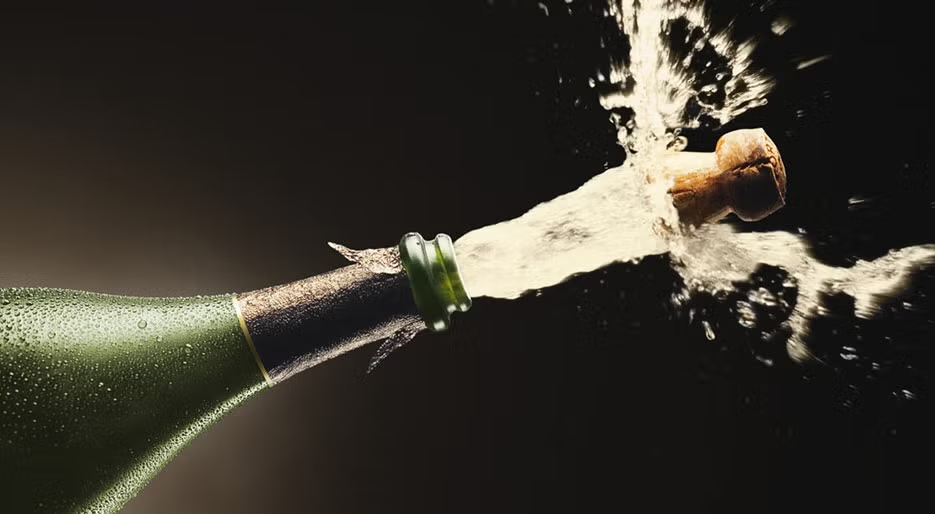
The pop of the Champagne cork, with its characteristic sound and lively bubbles, has become a universal symbol of joy and accomplishment. Today, Champagne is present at nearly every type of celebration, whether it’s the announcement of a new business venture, a wedding toast, or the ringing in of the New Year. The sparkle in the glass represents hope, new beginnings, and the excitement of a bright future.

How Champagne Is Made and the Unique Processes Involved

What makes Champagne so distinctive, apart from its cultural symbolism, is the intricate and unique process of its production. Unlike other sparkling wines, Champagne is made using the traditional “Méthode Champenoise” (also known as the Traditional Method), which involves multiple stages to create its signature bubbles and complex flavors. Here’s an overview of the Champagne-making process:

1. Harvesting and Pressing
The first step in creating Champagne is the harvest of grapes. Champagne can only be made in the Champagne region of France, and the three primary grape varieties used are Chardonnay, Pinot Noir, and Pinot Meunier. These grapes are carefully picked by hand to ensure quality, as the region’s cool climate makes it challenging to grow grapes. After harvesting, the grapes are gently pressed to extract the juice, which is then fermented into base wine.

2. Primary Fermentation and Blending
The base wine undergoes its first fermentation, where yeast is added to the grape juice to convert sugar into alcohol. Once fermentation is complete, the wine is often blended from different batches and even different years to achieve a consistent flavor profile. This is where the skill of the winemaker comes in, ensuring that each bottle has the same distinctive taste year after year.

3. Secondary Fermentation
To create Champagne’s signature bubbles, the wine undergoes a secondary fermentation in the bottle. The base wine is bottled with a small amount of sugar and yeast, and the bottle is sealed with a crown cap. The yeast ferments the sugar, producing carbon dioxide, which dissolves in the wine and creates bubbles. This process typically takes several weeks, and the longer the fermentation, the more complex the flavors.

4. Riddling and Disgorging
After secondary fermentation, the bottles are gradually tilted and rotated in a process called riddling. This helps the yeast sediment collect near the bottle’s neck. Once this is complete, the neck of the bottle is frozen, and the sediment is ejected through a process called disgorging. This leaves behind a clear, sparkling wine with no sediment.

5. Dosage and Corking
To adjust the sweetness of the Champagne, a small amount of sugar and wine (called dosage) is added before the final cork is applied. This step is crucial in determining whether the Champagne will be dry (Brut) or sweeter (Demi-Sec). The bottle is then sealed with a cork, and it is ready for consumption.

Champagne’s production process is labor-intensive, requiring careful attention to detail at every stage. From grape selection to aging, the methods used to create Champagne are designed to enhance the flavors and produce the distinctive effervescence that makes Champagne so special.

Exploring the Best Champagne Brands and Styles

Not all Champagne is created equal, and different Champagne brands and styles offer distinct flavor profiles that can suit various preferences. From prestigious luxury labels to smaller, boutique producers, the world of Champagne is rich with variety. Here are some of the top Champagne brands and the styles they offer:

1. Dom Pérignon
One of the most iconic Champagne brands, Dom Pérignon is often considered the epitome of luxury. Named after the Benedictine monk who is said to have pioneered Champagne production, this brand is known for its refined, complex flavors. Dom Pérignon is typically produced as a vintage Champagne, meaning it is made from grapes harvested in a single year and is aged for longer to develop rich, toasty, and citrusy notes.
2. Krug
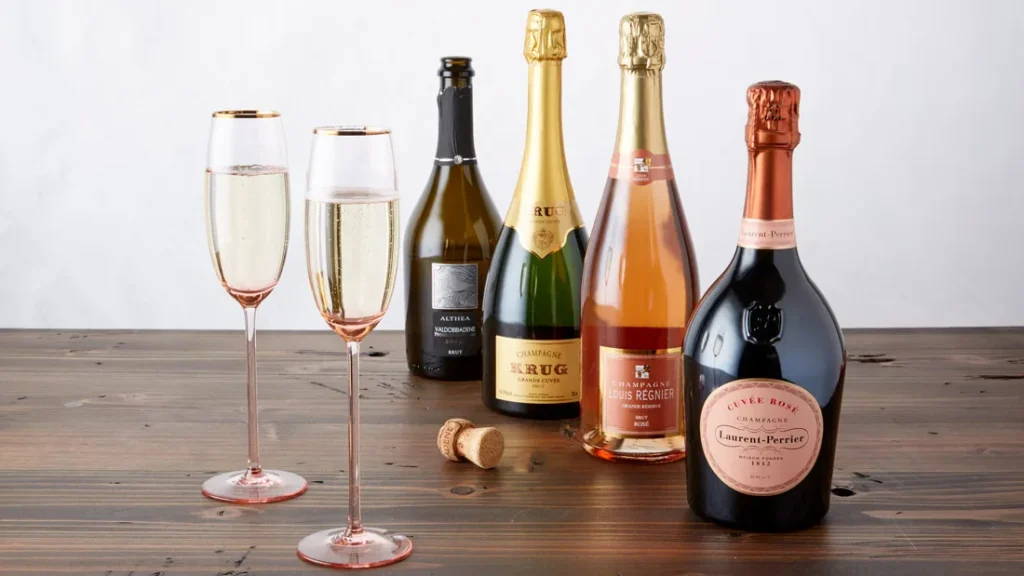
Krug is another prestigious Champagne house that is celebrated for its craftsmanship and exceptional quality. Known for its deep, intense flavors, Krug produces both vintage and non-vintage options. The house is famous for its unique blending process, which combines a high proportion of older wines to create complex and layered expressions of Champagne.

3. Moët & Chandon
Moët & Chandon is one of the largest and most recognized Champagne producers in the world. The brand is synonymous with celebration, and its flagship offering, Moët Impérial, is a popular choice for casual toasts and grand occasions alike. Moët & Chandon also produces a range of vintage and special cuvées, each offering a different style, from fresh and floral to rich and complex.

4. Veuve Clicquot
Veuve Clicquot is another well-known Champagne house, famous for its signature yellow label. The brand has a long history of producing quality Champagne, and its non-vintage Brut Yellow Label is one of the most widely consumed Champagnes globally. Veuve Clicquot’s Champagnes are known for their rich, bold flavor profiles and balanced acidity, making them perfect for a variety of occasions.

5. Taittinger
Taittinger is renowned for its elegant and delicate Champagne, with a focus on Chardonnay, which imparts a light, crisp character. The brand’s Brut Réserve is a standout, offering flavors of white fruits and brioche. Taittinger’s Champagnes are often noted for their finesse and ability to age well, developing complex flavors over time.

Styles of Champagne
While many people are familiar with the classic Brut Champagne, there are several different styles to choose from, each offering unique flavors and characteristics:

  • Brut: The most popular style, dry with crisp acidity and delicate fruit flavors.
  • Demi-Sec: Slightly sweeter than Brut, with a rich, honeyed taste.
  • Blanc de Blancs: Made entirely from Chardonnay grapes, it’s known for its elegance and lightness.
  • Blanc de Noirs: Made from Pinot Noir and Pinot Meunier, offering a fuller, fruitier style.
  • Rosé Champagne: A Champagne with a pink hue, often made by blending red wine with white wine, offering flavors of red berries and floral notes.

Conclusion

Champagne has earned its reputation as the ultimate celebration drink due to its rich history, unique production process, and undeniable association with joyful moments. Whether you’re marking a personal achievement or ringing in the New Year, Champagne is the drink that brings excitement and elegance to any occasion. With a variety of brands and styles to choose from, Champagne offers something for every palate, and its effervescence ensures that every sip is an experience to remember. The next time you raise a glass of Champagne, you’re not just celebrating a moment—you’re celebrating centuries of tradition, craftsmanship, and the sheer joy of life.


Tags: celebratory drinkschampagneChampagne productionluxury Champagne brands
ShareTweetShare

Related Posts

Can Beer Be an Effective Ingredient in Culinary Cooking?
ALL

Can Beer Be an Effective Ingredient in Culinary Cooking?

January 22, 2026
Second Fermentation in Champagne: Is It Really That Crucial?
ALL

Second Fermentation in Champagne: Is It Really That Crucial?

January 22, 2026
How Do Different Grains Impact the Flavor Profile of Distilled Spirits?
ALL

How Do Different Grains Impact the Flavor Profile of Distilled Spirits?

January 22, 2026
How Do Whiskey Master Blenders Create Perfection?
ALL

How Do Whiskey Master Blenders Create Perfection?

January 22, 2026
Wine Pairings: Can They Change the Flavor Profile of a Dish?
ALL

Wine Pairings: Can They Change the Flavor Profile of a Dish?

January 22, 2026
Beer the Ultimate Beverage for Pairing with Spicy Food?
ALL

Beer the Ultimate Beverage for Pairing with Spicy Food?

January 21, 2026
Leave Comment
  • Trending
  • Comments
  • Latest
What Hidden Craftsmanship Lies Behind a Bottle of Quality Grain Spirits?

What Hidden Craftsmanship Lies Behind a Bottle of Quality Grain Spirits?

July 3, 2025
How Is Champagne Made? The Secrets Behind the Sparkle

How Is Champagne Made? The Secrets Behind the Sparkle

April 15, 2025
Grain Spirits vs. Traditional Distilled Spirits: Which One Suits Your Taste?

Grain Spirits vs. Traditional Distilled Spirits: Which One Suits Your Taste?

July 3, 2025
Champagne Bubbles: How Do They Perfectly Convey Celebration, Joy, and Luxury?

Champagne Bubbles: How Do They Perfectly Convey Celebration, Joy, and Luxury?

July 2, 2025
The Timeless Elegance of Wine: A Journey Through History and Culture

The Timeless Elegance of Wine: A Journey Through History and Culture

Why Is Château Lafite Rothschild the Pinnacle of Fine Wine?

Why Is Château Lafite Rothschild the Pinnacle of Fine Wine?

How Did Château Lafite Rothschild Become a Global Icon of Luxury?

How Did Château Lafite Rothschild Become a Global Icon of Luxury?

What Makes Chateau Lafite Rothschild the Pinnacle of Bordeaux Wines?

What Makes Chateau Lafite Rothschild the Pinnacle of Bordeaux Wines?

Can Beer Be an Effective Ingredient in Culinary Cooking?

Can Beer Be an Effective Ingredient in Culinary Cooking?

January 22, 2026
Second Fermentation in Champagne: Is It Really That Crucial?

Second Fermentation in Champagne: Is It Really That Crucial?

January 22, 2026
How Do Different Grains Impact the Flavor Profile of Distilled Spirits?

How Do Different Grains Impact the Flavor Profile of Distilled Spirits?

January 22, 2026
How Do Whiskey Master Blenders Create Perfection?

How Do Whiskey Master Blenders Create Perfection?

January 22, 2026
SipsavorLife

Welcome to our comprehensive beverage guide, where you can explore the fascinating world of alcoholic drinks. From exquisite wines and rich whiskeys to refreshing beers and sparkling champagnes, we provide insights, tips, and recommendations for enthusiasts and casual drinkers alike. Discover your next favorite libation with us!

© 2025 sipsavorlife.com. contacts:sipsavorlife-35376@gmail.com

No Result
View All Result
  • Home
  • Wine
  • Whiskey
  • Beer
  • Grain Spirits
  • Champagne
  • ALL

© 2025 sipsavorlife.com. contacts:sipsavorlife-35376@gmail.com

Welcome Back!

Login to your account below

Forgotten Password?

Retrieve your password

Please enter your username or email address to reset your password.

Log In





