








SipsavorLife
  • Home
  • Wine
    Wine Pairings: Can They Change the Flavor Profile of a Dish?

    Wine Pairings: Can They Change the Flavor Profile of a Dish?

    How Do Wine Glasses Influence the Tasting Experience?

    How Do Wine Glasses Influence the Tasting Experience?

    Is Organic Wine Healthier Than Conventional Wine?

    Is Organic Wine Healthier Than Conventional Wine?

    Why Do Some Wines Taste Better from Specific Vintages?

    Why Do Some Wines Taste Better from Specific Vintages?

    Wine Tasting: Can It Truly Be an Art Form?

    Wine Tasting: Can It Truly Be an Art Form?

    What Does Terroir Actually Mean for Your Wine?

    What Does Terroir Actually Mean for Your Wine?

  • Whiskey
    Can Beer Be an Effective Ingredient in Culinary Cooking?

    Can Beer Be an Effective Ingredient in Culinary Cooking?

    Second Fermentation in Champagne: Is It Really That Crucial?

    Second Fermentation in Champagne: Is It Really That Crucial?

    How Do Different Grains Impact the Flavor Profile of Distilled Spirits?

    How Do Different Grains Impact the Flavor Profile of Distilled Spirits?

    How Do Whiskey Master Blenders Create Perfection?

    How Do Whiskey Master Blenders Create Perfection?

    Wine Pairings: Can They Change the Flavor Profile of a Dish?

    Wine Pairings: Can They Change the Flavor Profile of a Dish?

    Beer the Ultimate Beverage for Pairing with Spicy Food?

    Beer the Ultimate Beverage for Pairing with Spicy Food?

  • Beer
    Can Beer Be an Effective Ingredient in Culinary Cooking?

    Can Beer Be an Effective Ingredient in Culinary Cooking?

    Beer the Ultimate Beverage for Pairing with Spicy Food?

    Beer the Ultimate Beverage for Pairing with Spicy Food?

    How Did Ancient Civilizations Brew Beer Without Modern Technology?

    How Did Ancient Civilizations Brew Beer Without Modern Technology?

    Is It Possible to Brew a Beer with No Alcohol and No Compromise on Taste?

    Is It Possible to Brew a Beer with No Alcohol and No Compromise on Taste?

    Why Does Beer Taste Different at High Altitudes?

    Why Does Beer Taste Different at High Altitudes?

    Is Hops the Secret Ingredient Behind Beer’s Bold Flavor?

    Is Hops the Secret Ingredient Behind Beer’s Bold Flavor?

  • Grain Spirits
    How Do Different Grains Impact the Flavor Profile of Distilled Spirits?

    How Do Different Grains Impact the Flavor Profile of Distilled Spirits?

    Grain Spirits the Unsung Heroes of Modern Mixology

    Grain Spirits the Unsung Heroes of Modern Mixology

    What Makes Grain-Based Whiskey So Different from Its Peated Cousins?

    What Makes Grain-Based Whiskey So Different from Its Peated Cousins?

    Grain Spirits: Could They Be the Next Big Trend in Craft Cocktails?

    Grain Spirits: Could They Be the Next Big Trend in Craft Cocktails?

    Why Are Grain Spirits Often Overlooked in the World of Fine Liquor?

    Why Are Grain Spirits Often Overlooked in the World of Fine Liquor?

    Is There a Secret Art to Distilling Grain Spirits?

    Is There a Secret Art to Distilling Grain Spirits?

  • Champagne
    Second Fermentation in Champagne: Is It Really That Crucial?

    Second Fermentation in Champagne: Is It Really That Crucial?

    The Science Behind the ‘Bubble Size’ in Champagne

    The Science Behind the ‘Bubble Size’ in Champagne

    Why Do Some Champagnes Use a High Proportion of Pinot Meunier?

    Why Do Some Champagnes Use a High Proportion of Pinot Meunier?

    Role of Terroir in Champagne Production

    Role of Terroir in Champagne Production

    Champagne Can Be Aged in Wood?

    Champagne Can Be Aged in Wood?

    Is There a Difference Between Blanc de Blancs and Blanc de Noirs Champagne?

    Is There a Difference Between Blanc de Blancs and Blanc de Noirs Champagne?

  • ALL
    Can Beer Be an Effective Ingredient in Culinary Cooking?

    Can Beer Be an Effective Ingredient in Culinary Cooking?

    Second Fermentation in Champagne: Is It Really That Crucial?

    Second Fermentation in Champagne: Is It Really That Crucial?

    How Do Different Grains Impact the Flavor Profile of Distilled Spirits?

    How Do Different Grains Impact the Flavor Profile of Distilled Spirits?

    How Do Whiskey Master Blenders Create Perfection?

    How Do Whiskey Master Blenders Create Perfection?

    Wine Pairings: Can They Change the Flavor Profile of a Dish?

    Wine Pairings: Can They Change the Flavor Profile of a Dish?

    Beer the Ultimate Beverage for Pairing with Spicy Food?

    Beer the Ultimate Beverage for Pairing with Spicy Food?

SipsavorLife
  • Home
  • Wine
    Wine Pairings: Can They Change the Flavor Profile of a Dish?

    Wine Pairings: Can They Change the Flavor Profile of a Dish?

    How Do Wine Glasses Influence the Tasting Experience?

    How Do Wine Glasses Influence the Tasting Experience?

    Is Organic Wine Healthier Than Conventional Wine?

    Is Organic Wine Healthier Than Conventional Wine?

    Why Do Some Wines Taste Better from Specific Vintages?

    Why Do Some Wines Taste Better from Specific Vintages?

    Wine Tasting: Can It Truly Be an Art Form?

    Wine Tasting: Can It Truly Be an Art Form?

    What Does Terroir Actually Mean for Your Wine?

    What Does Terroir Actually Mean for Your Wine?

  • Whiskey
    Can Beer Be an Effective Ingredient in Culinary Cooking?

    Can Beer Be an Effective Ingredient in Culinary Cooking?

    Second Fermentation in Champagne: Is It Really That Crucial?

    Second Fermentation in Champagne: Is It Really That Crucial?

    How Do Different Grains Impact the Flavor Profile of Distilled Spirits?

    How Do Different Grains Impact the Flavor Profile of Distilled Spirits?

    How Do Whiskey Master Blenders Create Perfection?

    How Do Whiskey Master Blenders Create Perfection?

    Wine Pairings: Can They Change the Flavor Profile of a Dish?

    Wine Pairings: Can They Change the Flavor Profile of a Dish?

    Beer the Ultimate Beverage for Pairing with Spicy Food?

    Beer the Ultimate Beverage for Pairing with Spicy Food?

  • Beer
    Can Beer Be an Effective Ingredient in Culinary Cooking?

    Can Beer Be an Effective Ingredient in Culinary Cooking?

    Beer the Ultimate Beverage for Pairing with Spicy Food?

    Beer the Ultimate Beverage for Pairing with Spicy Food?

    How Did Ancient Civilizations Brew Beer Without Modern Technology?

    How Did Ancient Civilizations Brew Beer Without Modern Technology?

    Is It Possible to Brew a Beer with No Alcohol and No Compromise on Taste?

    Is It Possible to Brew a Beer with No Alcohol and No Compromise on Taste?

    Why Does Beer Taste Different at High Altitudes?

    Why Does Beer Taste Different at High Altitudes?

    Is Hops the Secret Ingredient Behind Beer’s Bold Flavor?

    Is Hops the Secret Ingredient Behind Beer’s Bold Flavor?

  • Grain Spirits
    How Do Different Grains Impact the Flavor Profile of Distilled Spirits?

    How Do Different Grains Impact the Flavor Profile of Distilled Spirits?

    Grain Spirits the Unsung Heroes of Modern Mixology

    Grain Spirits the Unsung Heroes of Modern Mixology

    What Makes Grain-Based Whiskey So Different from Its Peated Cousins?

    What Makes Grain-Based Whiskey So Different from Its Peated Cousins?

    Grain Spirits: Could They Be the Next Big Trend in Craft Cocktails?

    Grain Spirits: Could They Be the Next Big Trend in Craft Cocktails?

    Why Are Grain Spirits Often Overlooked in the World of Fine Liquor?

    Why Are Grain Spirits Often Overlooked in the World of Fine Liquor?

    Is There a Secret Art to Distilling Grain Spirits?

    Is There a Secret Art to Distilling Grain Spirits?

  • Champagne
    Second Fermentation in Champagne: Is It Really That Crucial?

    Second Fermentation in Champagne: Is It Really That Crucial?

    The Science Behind the ‘Bubble Size’ in Champagne

    The Science Behind the ‘Bubble Size’ in Champagne

    Why Do Some Champagnes Use a High Proportion of Pinot Meunier?

    Why Do Some Champagnes Use a High Proportion of Pinot Meunier?

    Role of Terroir in Champagne Production

    Role of Terroir in Champagne Production

    Champagne Can Be Aged in Wood?

    Champagne Can Be Aged in Wood?

    Is There a Difference Between Blanc de Blancs and Blanc de Noirs Champagne?

    Is There a Difference Between Blanc de Blancs and Blanc de Noirs Champagne?

  • ALL
    Can Beer Be an Effective Ingredient in Culinary Cooking?

    Can Beer Be an Effective Ingredient in Culinary Cooking?

    Second Fermentation in Champagne: Is It Really That Crucial?

    Second Fermentation in Champagne: Is It Really That Crucial?

    How Do Different Grains Impact the Flavor Profile of Distilled Spirits?

    How Do Different Grains Impact the Flavor Profile of Distilled Spirits?

    How Do Whiskey Master Blenders Create Perfection?

    How Do Whiskey Master Blenders Create Perfection?

    Wine Pairings: Can They Change the Flavor Profile of a Dish?

    Wine Pairings: Can They Change the Flavor Profile of a Dish?

    Beer the Ultimate Beverage for Pairing with Spicy Food?

    Beer the Ultimate Beverage for Pairing with Spicy Food?

SipsavorLife
No Result
View All Result
Home ALL

Do Wine Labels Signal Style More Than Region Today?

January 15, 2026
in ALL, Wine
Do Wine Labels Signal Style More Than Region Today?

In the world of wine, the label has long been more than just a marketing tool; it’s a symbol of history, place, and craftsmanship. The images, words, and fonts on a wine bottle provide consumers with a snapshot of the wine’s origin, style, and even the lifestyle it aspires to represent. But in recent years, one might wonder whether wine labels today are signaling style more than region. While the answer is not entirely clear-cut, it’s certainly an evolution worth exploring. In this article, we’ll look at how wine labels have changed over the decades, and how they reflect the growing influence of wine’s global market and the shift toward branding that emphasizes style over terroir.

The Evolution of Wine Labels: From Tradition to Trend

Historically, wine labels were deeply rooted in tradition. A wine label’s design and information were largely determined by its region, variety, and sometimes even the winemaker’s own identity. The notion of terroir—the unique combination of climate, soil, and local practices—was paramount. French wines, for example, often emphasized the region (Bordeaux, Burgundy, etc.), grape variety (Chardonnay, Cabernet Sauvignon), and vintage year as key indicators of quality. This regional association was essential in signaling to consumers what to expect from the bottle. The label served as a direct reflection of the wine’s place of origin and its characteristics.

However, as globalization began to take hold, the focus of wine labeling gradually shifted. The 1980s and 1990s saw an increase in international wine brands marketing themselves not only by the wines’ origins but by the experience they promised—often one of luxury, prestige, or a particular lifestyle. It’s during this period that labels started becoming a subtle form of visual storytelling, with intricate designs and colors conveying more than just information.

In recent years, we’ve witnessed an even more pronounced shift: wine labels today are designed to create an emotional response. Instead of simply conveying where a wine is from, labels now aim to tell a story about the style of wine in the bottle and the kind of consumer it might appeal to. Is it a wine for special occasions? A casual dinner with friends? Or perhaps a bold, adventurous wine for the more daring enthusiast?
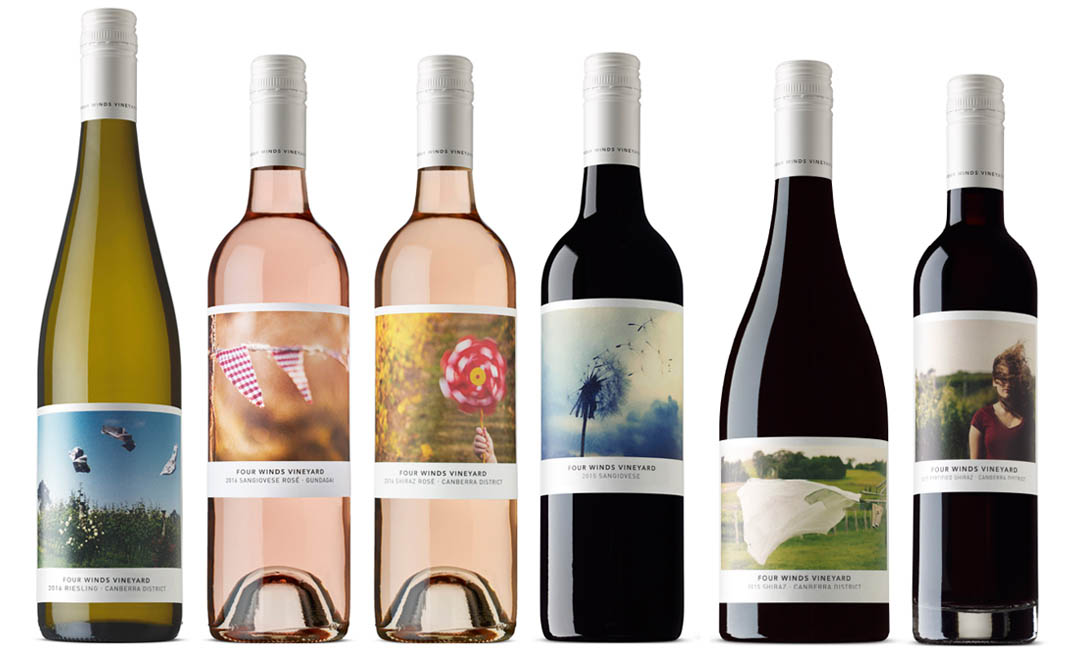
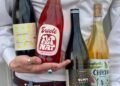
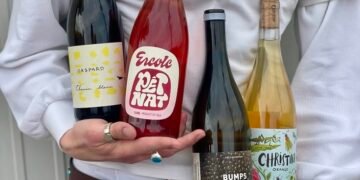
So you want to be a wine label designer | Wine & Spirit Education Trust

Branding and the Wine Industry: A Shift Toward Lifestyle and Style

Wine labels today are increasingly less about geographic indication and more about the lifestyle associated with the wine. The labels themselves often present a curated image that aligns with current consumer tastes, which increasingly lean toward innovation, elegance, or even playfulness. For instance, some high-end wines now feature minimalist designs that highlight the sleekness and modernity of the product. Others incorporate vibrant, eye-catching artwork to convey a sense of creativity and individuality.

A good example of this shift can be found in the rise of “new world” wines. Wines from regions like California, Australia, and South America have adopted more modern and distinctive labels that often emphasize their innovative spirit over traditional regional markers. California’s Napa Valley, for instance, is home to labels that boast bold fonts and edgy designs, suggesting a sense of modern sophistication that appeals to younger, affluent wine drinkers. These labels are as much about selling an aspirational lifestyle as they are about conveying the specifics of the wine.

Even within the realm of Old World wines, this trend is taking hold. Traditional European wineries are embracing contemporary branding strategies, creating labels that appeal to global consumers rather than just local markets. Italian wines, for example, have moved toward more minimalist designs and innovative fonts, shifting away from the ornate depictions of the past. Burgundy and Bordeaux, once bastions of classicism, are following suit in an effort to attract a wider, more diverse customer base.

This growing emphasis on branding and image has shifted some of the focus away from regional characteristics. While terroir remains important to the wine community and knowledgeable connoisseurs, many consumers today are more likely to choose a wine based on its perceived style or aesthetic rather than its place of origin. Wine labels are now as much about how they make the consumer feel as about providing accurate geographical information.

The Influence of Consumer Culture

The influence of modern consumer culture on wine labels cannot be understated. With social media platforms like Instagram, Pinterest, and TikTok taking over as the go-to spaces for wine enthusiasts to share their experiences, the visual appeal of a bottle has never been more important. Consumers are now looking for wines that are not only good to drink but also good to photograph. This trend has pushed winemakers to think more critically about the design of their labels.

In fact, wine label design has become a form of art in its own right, with labels often acting as a conversation starter in addition to their function of identifying the wine inside the bottle. A simple, elegant design can tell the consumer that the wine is premium, while a quirky or artistic design might signal fun, creativity, and accessibility. It’s not just about the content anymore; it’s about the image.

Global Organic Wine Market Will Exhibit Neutral Impact During 2020-2024 |  Growing Trend of Organic Wine Tourism to Improve the Market Growth |  Technavio

Many consumers are drawn to labels that reflect their personal tastes, beliefs, or even lifestyle. For instance, wines from organic and biodynamic vineyards often use earthy, natural designs to emphasize their commitment to sustainability. Meanwhile, luxury wines might employ sophisticated fonts and glossy finishes to evoke exclusivity and refinement. These design choices tell the consumer more about the wine’s style and the values it represents than about where the wine was made.

The Globalization of Wine: The Changing Face of Terroir

As wine becomes more globalized, it’s natural that terroir—the cornerstone of traditional wine labeling—has been both redefined and, in some cases, overshadowed by the need to appeal to a larger international market. The influence of the global wine market has meant that wines from regions outside the Old World are no longer simply “new” wines; they’ve become established names, brands, and identities in their own right. This has, to an extent, diminished the prominence of traditional terroir-based labeling.

In the past, the idea of terroir was essential not only for authenticity but for telling a wine’s story. For example, the chalky soil of Champagne, the Mediterranean warmth of Provence, or the cool climates of Burgundy all shaped the wines produced in these areas, and the labels reflected this connection. But as wines from non-traditional regions have entered the global market, the focus has shifted. Labels are increasingly less about the connection between the land and the wine, and more about creating a specific image, whether it’s one of luxury, creativity, or the promise of a specific type of experience.

Global wines like Prosecco, Malbec, and even the increasingly popular Chinese wine industry have embraced branding that speaks more to their audience’s lifestyle choices than the terroir of their vineyards. The design of the label is often the first indication of the wine’s story, and whether or not it aligns with the region, the quality, or the winemaker’s tradition is becoming secondary.

Sustainability, Transparency, and Authenticity: A New Paradigm

Despite the growing emphasis on style, there is still a segment of wine drinkers who prioritize authenticity and transparency. As sustainability and ethical production practices have become increasingly important to consumers, wine labels are starting to reflect these values. Wineries committed to organic farming, vegan-friendly practices, and environmentally conscious production methods are now using their labels to communicate these values.

In this sense, the wine label is still a bridge between the consumer and the story of the wine, but the story being told is shifting. More wine brands are focusing on showing their commitment to the environment and social responsibility. While terroir and region may still be important, sustainability, ethical practices, and environmental consciousness are now increasingly part of the narrative communicated through the design of the label.

For instance, some wine bottles now include QR codes on their labels, linking consumers directly to information about the vineyard’s production methods, certifications, and sustainability efforts. This transparency and accountability are vital to a growing number of consumers who are looking for wines that align with their values. In this sense, the wine label remains a key signal of not only the wine’s style but also its broader impact on the world.

Conclusion: Style vs. Region—Where Do We Go from Here?

As we’ve seen, the role of wine labels has shifted from a clear signal of region and terroir to a more multifaceted tool that signals style, image, and even lifestyle. While the traditional focus on regional identity and terroir remains important to wine connoisseurs and purists, the rise of global markets, social media influence, and changing consumer tastes have made branding a key element in wine selection. Today, a wine label can be just as much a reflection of a wine’s style and the image it wants to project as it is a signal of where the wine comes from.

This shift doesn’t necessarily mean that the importance of region is diminishing altogether; rather, it’s evolving. As wine continues to globalize, consumers are looking for stories that go beyond the grape and the soil, and labels are adapting to tell these new, more complex tales. Whether it’s sustainability, luxury, fun, or creativity, wine labels are finding new ways to connect with the consumer—and in doing so, they may signal style even more than region.

Tags: luxurymarket positioningterroirWine
ShareTweetShare

Related Posts

Can Beer Be an Effective Ingredient in Culinary Cooking?
ALL

Can Beer Be an Effective Ingredient in Culinary Cooking?

January 22, 2026
Second Fermentation in Champagne: Is It Really That Crucial?
ALL

Second Fermentation in Champagne: Is It Really That Crucial?

January 22, 2026
How Do Different Grains Impact the Flavor Profile of Distilled Spirits?
ALL

How Do Different Grains Impact the Flavor Profile of Distilled Spirits?

January 22, 2026
How Do Whiskey Master Blenders Create Perfection?
ALL

How Do Whiskey Master Blenders Create Perfection?

January 22, 2026
Wine Pairings: Can They Change the Flavor Profile of a Dish?
ALL

Wine Pairings: Can They Change the Flavor Profile of a Dish?

January 22, 2026
Beer the Ultimate Beverage for Pairing with Spicy Food?
ALL

Beer the Ultimate Beverage for Pairing with Spicy Food?

January 21, 2026
Leave Comment
  • Trending
  • Comments
  • Latest
Role of Terroir in Champagne Production

Role of Terroir in Champagne Production

January 19, 2026
What Hidden Craftsmanship Lies Behind a Bottle of Quality Grain Spirits?

What Hidden Craftsmanship Lies Behind a Bottle of Quality Grain Spirits?

July 3, 2025
Champagne Can Be Aged in Wood?

Champagne Can Be Aged in Wood?

January 18, 2026
Is Organic Wine Healthier Than Conventional Wine?

Is Organic Wine Healthier Than Conventional Wine?

January 20, 2026
The Timeless Elegance of Wine: A Journey Through History and Culture

The Timeless Elegance of Wine: A Journey Through History and Culture

Why Is Château Lafite Rothschild the Pinnacle of Fine Wine?

Why Is Château Lafite Rothschild the Pinnacle of Fine Wine?

How Did Château Lafite Rothschild Become a Global Icon of Luxury?

How Did Château Lafite Rothschild Become a Global Icon of Luxury?

What Makes Chateau Lafite Rothschild the Pinnacle of Bordeaux Wines?

What Makes Chateau Lafite Rothschild the Pinnacle of Bordeaux Wines?

Can Beer Be an Effective Ingredient in Culinary Cooking?

Can Beer Be an Effective Ingredient in Culinary Cooking?

January 22, 2026
Second Fermentation in Champagne: Is It Really That Crucial?

Second Fermentation in Champagne: Is It Really That Crucial?

January 22, 2026
How Do Different Grains Impact the Flavor Profile of Distilled Spirits?

How Do Different Grains Impact the Flavor Profile of Distilled Spirits?

January 22, 2026
How Do Whiskey Master Blenders Create Perfection?

How Do Whiskey Master Blenders Create Perfection?

January 22, 2026
SipsavorLife

Welcome to our comprehensive beverage guide, where you can explore the fascinating world of alcoholic drinks. From exquisite wines and rich whiskeys to refreshing beers and sparkling champagnes, we provide insights, tips, and recommendations for enthusiasts and casual drinkers alike. Discover your next favorite libation with us!

© 2025 sipsavorlife.com. contacts:sipsavorlife-35376@gmail.com

No Result
View All Result
  • Home
  • Wine
  • Whiskey
  • Beer
  • Grain Spirits
  • Champagne
  • ALL

© 2025 sipsavorlife.com. contacts:sipsavorlife-35376@gmail.com

Welcome Back!

Login to your account below

Forgotten Password?

Retrieve your password

Please enter your username or email address to reset your password.

Log In