






























SipsavorLife
  • Home
  • Wine
    Wine Pairings: Can They Change the Flavor Profile of a Dish?

    Wine Pairings: Can They Change the Flavor Profile of a Dish?

    How Do Wine Glasses Influence the Tasting Experience?

    How Do Wine Glasses Influence the Tasting Experience?

    Is Organic Wine Healthier Than Conventional Wine?

    Is Organic Wine Healthier Than Conventional Wine?

    Why Do Some Wines Taste Better from Specific Vintages?

    Why Do Some Wines Taste Better from Specific Vintages?

    Wine Tasting: Can It Truly Be an Art Form?

    Wine Tasting: Can It Truly Be an Art Form?

    What Does Terroir Actually Mean for Your Wine?

    What Does Terroir Actually Mean for Your Wine?

  • Whiskey
    Can Beer Be an Effective Ingredient in Culinary Cooking?

    Can Beer Be an Effective Ingredient in Culinary Cooking?

    Second Fermentation in Champagne: Is It Really That Crucial?

    Second Fermentation in Champagne: Is It Really That Crucial?

    How Do Different Grains Impact the Flavor Profile of Distilled Spirits?

    How Do Different Grains Impact the Flavor Profile of Distilled Spirits?

    How Do Whiskey Master Blenders Create Perfection?

    How Do Whiskey Master Blenders Create Perfection?

    Wine Pairings: Can They Change the Flavor Profile of a Dish?

    Wine Pairings: Can They Change the Flavor Profile of a Dish?

    Beer the Ultimate Beverage for Pairing with Spicy Food?

    Beer the Ultimate Beverage for Pairing with Spicy Food?

  • Beer
    Can Beer Be an Effective Ingredient in Culinary Cooking?

    Can Beer Be an Effective Ingredient in Culinary Cooking?

    Beer the Ultimate Beverage for Pairing with Spicy Food?

    Beer the Ultimate Beverage for Pairing with Spicy Food?

    How Did Ancient Civilizations Brew Beer Without Modern Technology?

    How Did Ancient Civilizations Brew Beer Without Modern Technology?

    Is It Possible to Brew a Beer with No Alcohol and No Compromise on Taste?

    Is It Possible to Brew a Beer with No Alcohol and No Compromise on Taste?

    Why Does Beer Taste Different at High Altitudes?

    Why Does Beer Taste Different at High Altitudes?

    Is Hops the Secret Ingredient Behind Beer’s Bold Flavor?

    Is Hops the Secret Ingredient Behind Beer’s Bold Flavor?

  • Grain Spirits
    How Do Different Grains Impact the Flavor Profile of Distilled Spirits?

    How Do Different Grains Impact the Flavor Profile of Distilled Spirits?

    Grain Spirits the Unsung Heroes of Modern Mixology

    Grain Spirits the Unsung Heroes of Modern Mixology

    What Makes Grain-Based Whiskey So Different from Its Peated Cousins?

    What Makes Grain-Based Whiskey So Different from Its Peated Cousins?

    Grain Spirits: Could They Be the Next Big Trend in Craft Cocktails?

    Grain Spirits: Could They Be the Next Big Trend in Craft Cocktails?

    Why Are Grain Spirits Often Overlooked in the World of Fine Liquor?

    Why Are Grain Spirits Often Overlooked in the World of Fine Liquor?

    Is There a Secret Art to Distilling Grain Spirits?

    Is There a Secret Art to Distilling Grain Spirits?

  • Champagne
    Second Fermentation in Champagne: Is It Really That Crucial?

    Second Fermentation in Champagne: Is It Really That Crucial?

    The Science Behind the ‘Bubble Size’ in Champagne

    The Science Behind the ‘Bubble Size’ in Champagne

    Why Do Some Champagnes Use a High Proportion of Pinot Meunier?

    Why Do Some Champagnes Use a High Proportion of Pinot Meunier?

    Role of Terroir in Champagne Production

    Role of Terroir in Champagne Production

    Champagne Can Be Aged in Wood?

    Champagne Can Be Aged in Wood?

    Is There a Difference Between Blanc de Blancs and Blanc de Noirs Champagne?

    Is There a Difference Between Blanc de Blancs and Blanc de Noirs Champagne?

  • ALL
    Can Beer Be an Effective Ingredient in Culinary Cooking?

    Can Beer Be an Effective Ingredient in Culinary Cooking?

    Second Fermentation in Champagne: Is It Really That Crucial?

    Second Fermentation in Champagne: Is It Really That Crucial?

    How Do Different Grains Impact the Flavor Profile of Distilled Spirits?

    How Do Different Grains Impact the Flavor Profile of Distilled Spirits?

    How Do Whiskey Master Blenders Create Perfection?

    How Do Whiskey Master Blenders Create Perfection?

    Wine Pairings: Can They Change the Flavor Profile of a Dish?

    Wine Pairings: Can They Change the Flavor Profile of a Dish?

    Beer the Ultimate Beverage for Pairing with Spicy Food?

    Beer the Ultimate Beverage for Pairing with Spicy Food?

SipsavorLife
  • Home
  • Wine
    Wine Pairings: Can They Change the Flavor Profile of a Dish?

    Wine Pairings: Can They Change the Flavor Profile of a Dish?

    How Do Wine Glasses Influence the Tasting Experience?

    How Do Wine Glasses Influence the Tasting Experience?

    Is Organic Wine Healthier Than Conventional Wine?

    Is Organic Wine Healthier Than Conventional Wine?

    Why Do Some Wines Taste Better from Specific Vintages?

    Why Do Some Wines Taste Better from Specific Vintages?

    Wine Tasting: Can It Truly Be an Art Form?

    Wine Tasting: Can It Truly Be an Art Form?

    What Does Terroir Actually Mean for Your Wine?

    What Does Terroir Actually Mean for Your Wine?

  • Whiskey
    Can Beer Be an Effective Ingredient in Culinary Cooking?

    Can Beer Be an Effective Ingredient in Culinary Cooking?

    Second Fermentation in Champagne: Is It Really That Crucial?

    Second Fermentation in Champagne: Is It Really That Crucial?

    How Do Different Grains Impact the Flavor Profile of Distilled Spirits?

    How Do Different Grains Impact the Flavor Profile of Distilled Spirits?

    How Do Whiskey Master Blenders Create Perfection?

    How Do Whiskey Master Blenders Create Perfection?

    Wine Pairings: Can They Change the Flavor Profile of a Dish?

    Wine Pairings: Can They Change the Flavor Profile of a Dish?

    Beer the Ultimate Beverage for Pairing with Spicy Food?

    Beer the Ultimate Beverage for Pairing with Spicy Food?

  • Beer
    Can Beer Be an Effective Ingredient in Culinary Cooking?

    Can Beer Be an Effective Ingredient in Culinary Cooking?

    Beer the Ultimate Beverage for Pairing with Spicy Food?

    Beer the Ultimate Beverage for Pairing with Spicy Food?

    How Did Ancient Civilizations Brew Beer Without Modern Technology?

    How Did Ancient Civilizations Brew Beer Without Modern Technology?

    Is It Possible to Brew a Beer with No Alcohol and No Compromise on Taste?

    Is It Possible to Brew a Beer with No Alcohol and No Compromise on Taste?

    Why Does Beer Taste Different at High Altitudes?

    Why Does Beer Taste Different at High Altitudes?

    Is Hops the Secret Ingredient Behind Beer’s Bold Flavor?

    Is Hops the Secret Ingredient Behind Beer’s Bold Flavor?

  • Grain Spirits
    How Do Different Grains Impact the Flavor Profile of Distilled Spirits?

    How Do Different Grains Impact the Flavor Profile of Distilled Spirits?

    Grain Spirits the Unsung Heroes of Modern Mixology

    Grain Spirits the Unsung Heroes of Modern Mixology

    What Makes Grain-Based Whiskey So Different from Its Peated Cousins?

    What Makes Grain-Based Whiskey So Different from Its Peated Cousins?

    Grain Spirits: Could They Be the Next Big Trend in Craft Cocktails?

    Grain Spirits: Could They Be the Next Big Trend in Craft Cocktails?

    Why Are Grain Spirits Often Overlooked in the World of Fine Liquor?

    Why Are Grain Spirits Often Overlooked in the World of Fine Liquor?

    Is There a Secret Art to Distilling Grain Spirits?

    Is There a Secret Art to Distilling Grain Spirits?

  • Champagne
    Second Fermentation in Champagne: Is It Really That Crucial?

    Second Fermentation in Champagne: Is It Really That Crucial?

    The Science Behind the ‘Bubble Size’ in Champagne

    The Science Behind the ‘Bubble Size’ in Champagne

    Why Do Some Champagnes Use a High Proportion of Pinot Meunier?

    Why Do Some Champagnes Use a High Proportion of Pinot Meunier?

    Role of Terroir in Champagne Production

    Role of Terroir in Champagne Production

    Champagne Can Be Aged in Wood?

    Champagne Can Be Aged in Wood?

    Is There a Difference Between Blanc de Blancs and Blanc de Noirs Champagne?

    Is There a Difference Between Blanc de Blancs and Blanc de Noirs Champagne?

  • ALL
    Can Beer Be an Effective Ingredient in Culinary Cooking?

    Can Beer Be an Effective Ingredient in Culinary Cooking?

    Second Fermentation in Champagne: Is It Really That Crucial?

    Second Fermentation in Champagne: Is It Really That Crucial?

    How Do Different Grains Impact the Flavor Profile of Distilled Spirits?

    How Do Different Grains Impact the Flavor Profile of Distilled Spirits?

    How Do Whiskey Master Blenders Create Perfection?

    How Do Whiskey Master Blenders Create Perfection?

    Wine Pairings: Can They Change the Flavor Profile of a Dish?

    Wine Pairings: Can They Change the Flavor Profile of a Dish?

    Beer the Ultimate Beverage for Pairing with Spicy Food?

    Beer the Ultimate Beverage for Pairing with Spicy Food?

SipsavorLife
No Result
View All Result
Home ALL

Is Serving Temperature the Most Ignored Quality Factor?

January 14, 2026
in ALL, Wine
Is Serving Temperature the Most Ignored Quality Factor?

When you think about the factors that influence the taste of your favorite drink—be it wine, beer, whiskey, or even champagne—what comes to mind? Maybe it’s the ingredients, the aging process, or the craftsmanship involved in its creation. Certainly, these aspects are crucial to the final product. But one often-overlooked element that has a profound impact on flavor, aroma, and overall enjoyment is the serving temperature. Is it the most ignored quality factor in the world of beverages? You may be surprised.

The Science Behind Serving Temperature

Serving temperature has a significant impact on the way a drink behaves when it’s served. Alcoholic beverages, like wine, beer, whiskey, and even sparkling drinks like Champagne or Prosecco, all contain volatile compounds—molecules that evaporate into the air and contribute to aroma and flavor. When a drink is served too cold or too warm, these compounds are either too subtle or too exaggerated, which alters the tasting experience.

  1. Beer: The ideal serving temperature for beer varies greatly between styles, but too often, beers are served too cold. This is a common misconception that colder means better. In fact, many craft beers—like IPAs or stouts—lose their complex aromas and flavors when served at temperatures lower than recommended. Imagine drinking an IPA straight out of a chilled pint glass. The hop-forward citrusy aromas are likely muted, leaving only a dull bitterness. Similarly, darker beers such as stouts or porters, when served ice-cold, tend to hide their richness, coffee, and chocolate notes. These beers often shine when served between 45°F and 55°F (7°C – 13°C), giving those complex flavors a chance to unfold.
  2. Wine: Wine is perhaps the most notorious example of a beverage where temperature can make or break the experience. Serving temperature varies not only between red and white wines but also within the categories themselves. Red wines like Bordeaux or Cabernet Sauvignon, for instance, tend to taste best when served slightly cooler than room temperature (around 60°F to 65°F / 15°C to 18°C). This allows the tannins and flavors to open up without being overpowered by the alcohol’s warmth. Serving red wine too warm, particularly at higher temperatures, can make the alcohol burn and overwhelm the fruit flavors. White wines and rosés, on the other hand, are usually served chilled. But even among these, the ideal temperature is important. A Sauvignon Blanc or Chardonnay, when served too cold, can mute the acidity, fruitiness, and aromatic complexity. A crisp, refreshing rosé typically thrives when served at a cooler 45°F to 50°F (7°C to 10°C), while a richer white like an oaked Chardonnay benefits from a slightly warmer temperature of around 50°F to 55°F (10°C – 13°C).
  3. Whiskey: Whiskey aficionados understand that serving temperature affects both flavor and aroma, yet it’s often ignored by casual drinkers. Many people drink whiskey straight from the bottle without considering its ideal temperature. Whiskey, especially complex bourbons or Scotch whiskies, reveals its best qualities when served at room temperature or with a few drops of water to open up the aromas. When served too cold, the alcohol burns too harshly and masks delicate nuances like honey, vanilla, or oak. Serving whiskey too warm can make it feel overwhelmingly alcoholic, closing off some of the subtler flavors. It’s worth mentioning that certain styles of whiskey, like a good bourbon or rye, can also benefit from being chilled slightly—around 60°F to 65°F (15°C to 18°C)—to enhance their aromas without muting the taste.
  4. Champagne and Sparkling Wines: Champagne and sparkling wines, especially vintage Champagne, require special attention to temperature, given their delicate bubbles and aromatic profile. If served too cold, the wine’s complex flavors—such as the characteristic yeast and citrus notes—become dull. A temperature of 42°F to 48°F (6°C to 9°C) is generally ideal, preserving the sparkling wine’s effervescence and crispness while allowing the aromas to shine through.
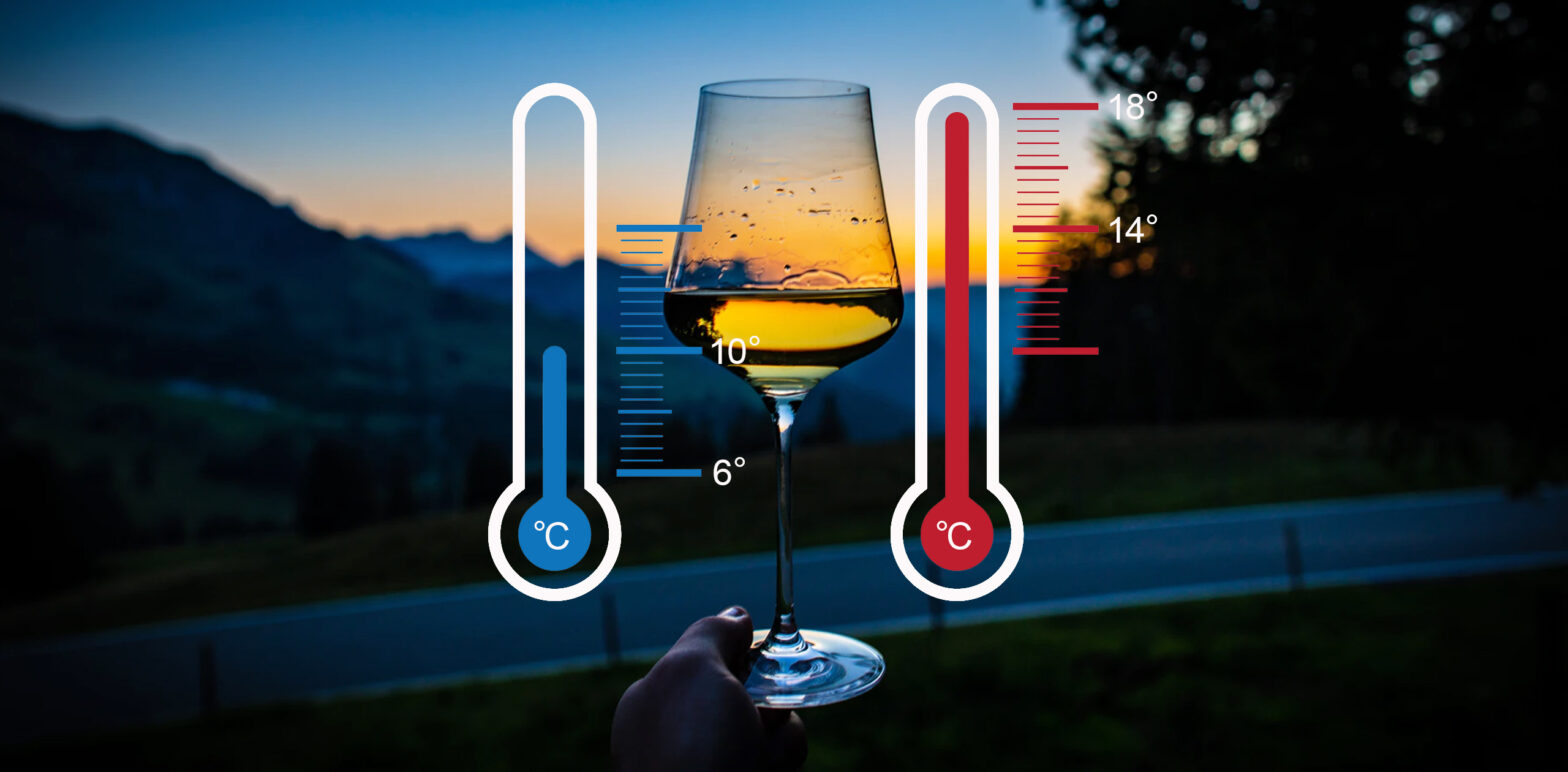
Serving Temperature for Wine – Grape to Glass

The Cultural Importance of Serving Temperature

The importance of serving temperature is not just scientific—it’s cultural. In many countries, the tradition of serving drinks at specific temperatures has been ingrained for centuries. Take wine for instance: the French have long recognized the importance of temperature in wine appreciation, and each wine region has its own “tradition” for serving their local wines.

In the case of Champagne, French connoisseurs are often adamant about the “chill factor” but still with a careful balance: Champagne should be cold enough to be refreshing but not so cold that it hides the elegance of the wine’s bubbles and aromas. On the other hand, Scotch whisky lovers often advocate for serving it neat or with a splash of water, emphasizing the way it unravels as it warms slightly in the glass.

Serving Temperature and Its Impact on Flavor Profiles

Beyond the technicalities of temperature, it’s fascinating to note how serving temperature directly impacts flavor perception. A classic example is the way beer styles interact with temperature. A crisp, refreshing pilsner is perfect when served ice-cold, but a full-bodied Belgian Dubbel or a sour Berliner Weisse flourishes when served closer to cellar temperature, allowing the rich yeast-driven character and acidity to emerge.

Similarly, whiskey aging plays a significant role in its character. Older whiskies often require careful attention to temperature when served, as a slightly warmer temperature allows for the fuller expression of their oak-aged flavors, whereas a younger whiskey might be more pleasing when served slightly cooler to reduce its sharpness.

Cava and Prosecco, two types of sparkling wine that are more affordable than Champagne, often benefit from being served slightly cooler than their Champagne counterparts. This preserves the bubbles and highlights the fruity, citrusy notes that are the hallmark of these wines. On the other hand, when served too cold, the subtler yeast and floral notes might not shine through as effectively.
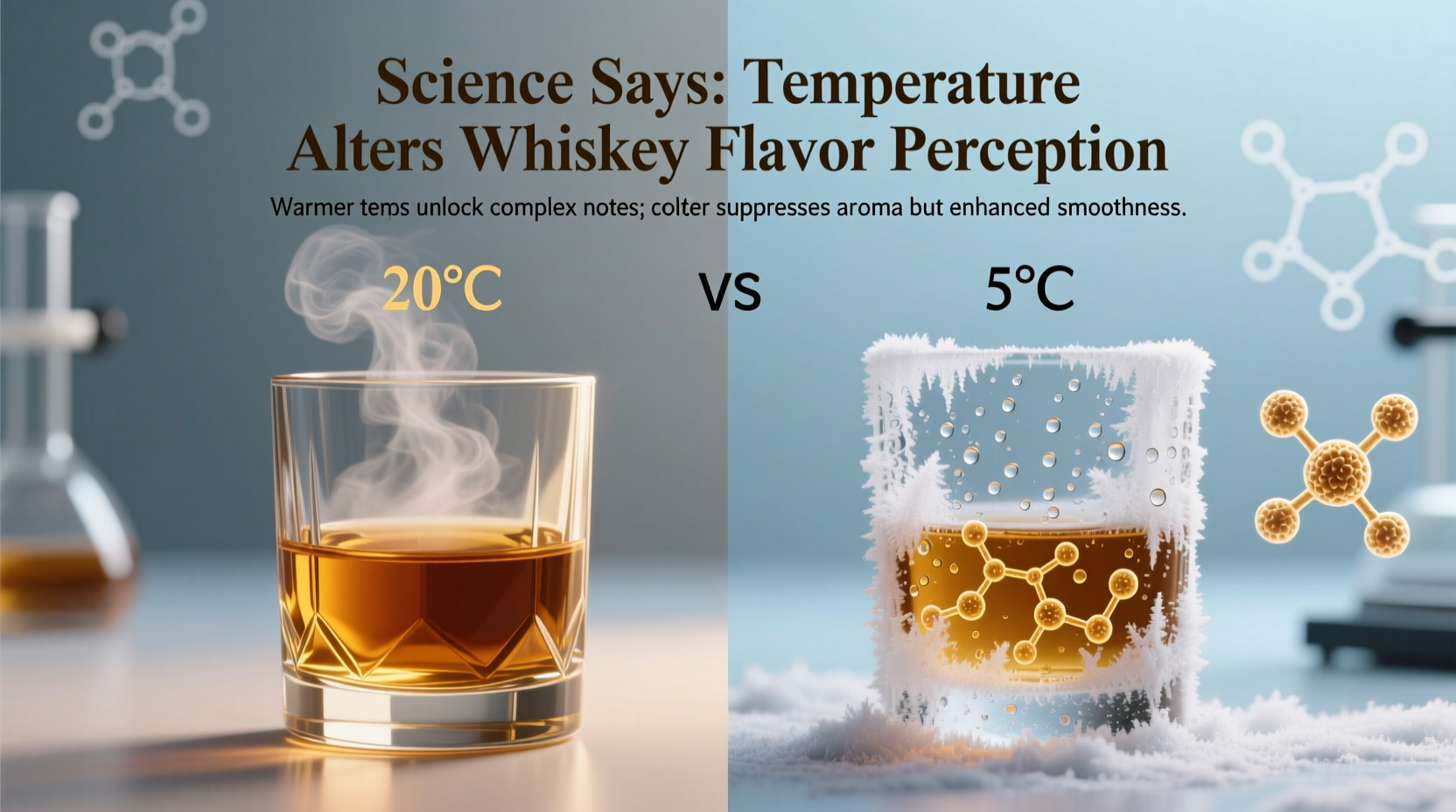
Does Drinking Temperature Affect Whiskey Flavor Perception Science Says

Why Do We Ignore Serving Temperature?

Despite the clear impact serving temperature has on the quality of beverages, it remains an often-ignored factor, even by some of the most enthusiastic drinkers. One reason is that many of us don’t realize how much it truly matters. When people grab a cold beer from the fridge or pour a glass of red wine without considering the temperature, they might be missing out on the full experience without even realizing it.

Another reason is convenience. It’s easier to pour a drink straight from the fridge or from a bottle that’s been sitting at room temperature, especially when time is limited. In a busy, fast-paced world, there’s not always time to consider the nuances of temperature. Plus, many modern-day drink labels don’t give specific recommendations about serving temperatures, leaving it up to consumers to either experiment or rely on general assumptions.

How to Improve the Drinking Experience with Serving Temperature

To fully appreciate the richness of any beverage, paying attention to the serving temperature is crucial. Here are a few tips to help enhance your drinking experience:

  • Experiment with temperature: Don’t be afraid to play around with the serving temperatures of your favorite beverages. Try a wine at a slightly warmer or cooler temperature than you’re used to, and notice how the flavors shift.
  • Use the right glassware: Glassware matters. A wine glass, beer mug, whiskey tumbler, or champagne flute all have specific designs meant to amplify the aromas and flavors when served at the right temperature.
  • Invest in a thermometer: To make sure your drinks are served at their peak, investing in a simple thermometer can take the guesswork out of temperature control. They’re especially useful for spirits or wines that require a more exacting temperature.

Conclusion

So, is serving temperature the most ignored quality factor? Undoubtedly, yes. Many people overlook how crucial temperature is to the drinking experience, and it’s not until we make the effort to understand its impact that we truly begin to appreciate the complexity and richness of what we’re drinking. Whether it’s beer, wine, whiskey, or sparkling wine, serving at the ideal temperature can reveal layers of flavor and aroma that would otherwise remain hidden.

Next time you enjoy your favorite beverage, take a moment to consider its temperature. You might be surprised at just how much it enhances your experience. Your palate will thank you.


Tags: beer flavorfood pairingwhiskey tastingwine pairing
ShareTweetShare

Related Posts

Can Beer Be an Effective Ingredient in Culinary Cooking?
ALL

Can Beer Be an Effective Ingredient in Culinary Cooking?

January 22, 2026
Second Fermentation in Champagne: Is It Really That Crucial?
ALL

Second Fermentation in Champagne: Is It Really That Crucial?

January 22, 2026
How Do Different Grains Impact the Flavor Profile of Distilled Spirits?
ALL

How Do Different Grains Impact the Flavor Profile of Distilled Spirits?

January 22, 2026
How Do Whiskey Master Blenders Create Perfection?
ALL

How Do Whiskey Master Blenders Create Perfection?

January 22, 2026
Wine Pairings: Can They Change the Flavor Profile of a Dish?
ALL

Wine Pairings: Can They Change the Flavor Profile of a Dish?

January 22, 2026
Beer the Ultimate Beverage for Pairing with Spicy Food?
ALL

Beer the Ultimate Beverage for Pairing with Spicy Food?

January 21, 2026
Leave Comment
  • Trending
  • Comments
  • Latest
Role of Terroir in Champagne Production

Role of Terroir in Champagne Production

January 19, 2026
What Hidden Craftsmanship Lies Behind a Bottle of Quality Grain Spirits?

What Hidden Craftsmanship Lies Behind a Bottle of Quality Grain Spirits?

July 3, 2025
Champagne Can Be Aged in Wood?

Champagne Can Be Aged in Wood?

January 18, 2026
Is Organic Wine Healthier Than Conventional Wine?

Is Organic Wine Healthier Than Conventional Wine?

January 20, 2026
The Timeless Elegance of Wine: A Journey Through History and Culture

The Timeless Elegance of Wine: A Journey Through History and Culture

Why Is Château Lafite Rothschild the Pinnacle of Fine Wine?

Why Is Château Lafite Rothschild the Pinnacle of Fine Wine?

How Did Château Lafite Rothschild Become a Global Icon of Luxury?

How Did Château Lafite Rothschild Become a Global Icon of Luxury?

What Makes Chateau Lafite Rothschild the Pinnacle of Bordeaux Wines?

What Makes Chateau Lafite Rothschild the Pinnacle of Bordeaux Wines?

Can Beer Be an Effective Ingredient in Culinary Cooking?

Can Beer Be an Effective Ingredient in Culinary Cooking?

January 22, 2026
Second Fermentation in Champagne: Is It Really That Crucial?

Second Fermentation in Champagne: Is It Really That Crucial?

January 22, 2026
How Do Different Grains Impact the Flavor Profile of Distilled Spirits?

How Do Different Grains Impact the Flavor Profile of Distilled Spirits?

January 22, 2026
How Do Whiskey Master Blenders Create Perfection?

How Do Whiskey Master Blenders Create Perfection?

January 22, 2026
SipsavorLife

Welcome to our comprehensive beverage guide, where you can explore the fascinating world of alcoholic drinks. From exquisite wines and rich whiskeys to refreshing beers and sparkling champagnes, we provide insights, tips, and recommendations for enthusiasts and casual drinkers alike. Discover your next favorite libation with us!

© 2025 sipsavorlife.com. contacts:sipsavorlife-35376@gmail.com

No Result
View All Result
  • Home
  • Wine
  • Whiskey
  • Beer
  • Grain Spirits
  • Champagne
  • ALL

© 2025 sipsavorlife.com. contacts:sipsavorlife-35376@gmail.com

Welcome Back!

Login to your account below

Forgotten Password?

Retrieve your password

Please enter your username or email address to reset your password.

Log In





