













SipsavorLife
  • Home
  • Wine
    Is Wine Aging Really Just About Time?

    Is Wine Aging Really Just About Time?

    Do Wine Labels Signal Style More Than Region Today?

    Do Wine Labels Signal Style More Than Region Today?

    Is Serving Temperature the Most Ignored Quality Factor?

    Is Serving Temperature the Most Ignored Quality Factor?

    Can Smoke Taint Be Detected Before Fermentation?

    Can Smoke Taint Be Detected Before Fermentation?

    How Does Bottle Closure Control Oxygen Over Time?

    How Does Bottle Closure Control Oxygen Over Time?

    Which Yeast Strain Shapes Flavor More Than the Grape Itself?

    Which Yeast Strain Shapes Flavor More Than the Grape Itself?

  • Whiskey
    Can Grain Spirits Really Rival Their Malt Counterparts?

    Can Grain Spirits Really Rival Their Malt Counterparts?

    Can Craft Beer Really Replace Traditional Lager?

    Can Craft Beer Really Replace Traditional Lager?

    Why Do Some Champagnes Have a Saltiness to Them?

    Why Do Some Champagnes Have a Saltiness to Them?

    Is Whiskey Really Better with Age?

    Is Whiskey Really Better with Age?

    Is Wine Aging Really Just About Time?

    Is Wine Aging Really Just About Time?

    Do Wine Labels Signal Style More Than Region Today?

    Do Wine Labels Signal Style More Than Region Today?

  • Beer
    Can Craft Beer Really Replace Traditional Lager?

    Can Craft Beer Really Replace Traditional Lager?

    Why Do Some Beers Pair Better With Silence Than Food?

    Why Do Some Beers Pair Better With Silence Than Food?

    Can Low-ABV Beers Deliver High Complexity?

    Can Low-ABV Beers Deliver High Complexity?

    Is Alcohol Strength the Least Interesting Thing About Beer?

    Is Alcohol Strength the Least Interesting Thing About Beer?

    Does Glass Shape Alter How Beer Tastes?

    Does Glass Shape Alter How Beer Tastes?

    Spontaneously Fermented Beers: Controlled Chaos?

    Spontaneously Fermented Beers: Controlled Chaos?

  • Grain Spirits
    Can Grain Spirits Really Rival Their Malt Counterparts?

    Can Grain Spirits Really Rival Their Malt Counterparts?

    Could the Future of Spirits Start in the Grain Field?

    Could the Future of Spirits Start in the Grain Field?

    Is Grain Spirits’ Sustainability Story Being Overlooked?

    Is Grain Spirits’ Sustainability Story Being Overlooked?

    Do Blended Grains Create Complexity or Confusion?

    Do Blended Grains Create Complexity or Confusion?

    Why Are Heirloom Grains Becoming a Distiller’s Obsession?

    Why Are Heirloom Grains Becoming a Distiller’s Obsession?

    Can Grain Selection Predict Mouthfeel Before Distillation?

    Can Grain Selection Predict Mouthfeel Before Distillation?

  • Champagne
    Why Do Some Champagnes Have a Saltiness to Them?

    Why Do Some Champagnes Have a Saltiness to Them?

    Is Champagne Better Understood as Wine First, Sparkle Second?

    Is Champagne Better Understood as Wine First, Sparkle Second?

    Does Champagne’s Appellation System Limit or Protect Innovation?

    Does Champagne’s Appellation System Limit or Protect Innovation?

    Why Is Hand Harvesting Still Critical in Champagne Vineyards?

    Why Is Hand Harvesting Still Critical in Champagne Vineyards?

    Can Pressure Levels Influence Champagne’s Mouthfeel?

    Can Pressure Levels Influence Champagne’s Mouthfeel?

    Is Grower Champagne Redefining Prestige in the Region?

    Is Grower Champagne Redefining Prestige in the Region?

  • ALL
    Can Grain Spirits Really Rival Their Malt Counterparts?

    Can Grain Spirits Really Rival Their Malt Counterparts?

    Can Craft Beer Really Replace Traditional Lager?

    Can Craft Beer Really Replace Traditional Lager?

    Why Do Some Champagnes Have a Saltiness to Them?

    Why Do Some Champagnes Have a Saltiness to Them?

    Is Whiskey Really Better with Age?

    Is Whiskey Really Better with Age?

    Is Wine Aging Really Just About Time?

    Is Wine Aging Really Just About Time?

    Do Wine Labels Signal Style More Than Region Today?

    Do Wine Labels Signal Style More Than Region Today?

SipsavorLife
  • Home
  • Wine
    Is Wine Aging Really Just About Time?

    Is Wine Aging Really Just About Time?

    Do Wine Labels Signal Style More Than Region Today?

    Do Wine Labels Signal Style More Than Region Today?

    Is Serving Temperature the Most Ignored Quality Factor?

    Is Serving Temperature the Most Ignored Quality Factor?

    Can Smoke Taint Be Detected Before Fermentation?

    Can Smoke Taint Be Detected Before Fermentation?

    How Does Bottle Closure Control Oxygen Over Time?

    How Does Bottle Closure Control Oxygen Over Time?

    Which Yeast Strain Shapes Flavor More Than the Grape Itself?

    Which Yeast Strain Shapes Flavor More Than the Grape Itself?

  • Whiskey
    Can Grain Spirits Really Rival Their Malt Counterparts?

    Can Grain Spirits Really Rival Their Malt Counterparts?

    Can Craft Beer Really Replace Traditional Lager?

    Can Craft Beer Really Replace Traditional Lager?

    Why Do Some Champagnes Have a Saltiness to Them?

    Why Do Some Champagnes Have a Saltiness to Them?

    Is Whiskey Really Better with Age?

    Is Whiskey Really Better with Age?

    Is Wine Aging Really Just About Time?

    Is Wine Aging Really Just About Time?

    Do Wine Labels Signal Style More Than Region Today?

    Do Wine Labels Signal Style More Than Region Today?

  • Beer
    Can Craft Beer Really Replace Traditional Lager?

    Can Craft Beer Really Replace Traditional Lager?

    Why Do Some Beers Pair Better With Silence Than Food?

    Why Do Some Beers Pair Better With Silence Than Food?

    Can Low-ABV Beers Deliver High Complexity?

    Can Low-ABV Beers Deliver High Complexity?

    Is Alcohol Strength the Least Interesting Thing About Beer?

    Is Alcohol Strength the Least Interesting Thing About Beer?

    Does Glass Shape Alter How Beer Tastes?

    Does Glass Shape Alter How Beer Tastes?

    Spontaneously Fermented Beers: Controlled Chaos?

    Spontaneously Fermented Beers: Controlled Chaos?

  • Grain Spirits
    Can Grain Spirits Really Rival Their Malt Counterparts?

    Can Grain Spirits Really Rival Their Malt Counterparts?

    Could the Future of Spirits Start in the Grain Field?

    Could the Future of Spirits Start in the Grain Field?

    Is Grain Spirits’ Sustainability Story Being Overlooked?

    Is Grain Spirits’ Sustainability Story Being Overlooked?

    Do Blended Grains Create Complexity or Confusion?

    Do Blended Grains Create Complexity or Confusion?

    Why Are Heirloom Grains Becoming a Distiller’s Obsession?

    Why Are Heirloom Grains Becoming a Distiller’s Obsession?

    Can Grain Selection Predict Mouthfeel Before Distillation?

    Can Grain Selection Predict Mouthfeel Before Distillation?

  • Champagne
    Why Do Some Champagnes Have a Saltiness to Them?

    Why Do Some Champagnes Have a Saltiness to Them?

    Is Champagne Better Understood as Wine First, Sparkle Second?

    Is Champagne Better Understood as Wine First, Sparkle Second?

    Does Champagne’s Appellation System Limit or Protect Innovation?

    Does Champagne’s Appellation System Limit or Protect Innovation?

    Why Is Hand Harvesting Still Critical in Champagne Vineyards?

    Why Is Hand Harvesting Still Critical in Champagne Vineyards?

    Can Pressure Levels Influence Champagne’s Mouthfeel?

    Can Pressure Levels Influence Champagne’s Mouthfeel?

    Is Grower Champagne Redefining Prestige in the Region?

    Is Grower Champagne Redefining Prestige in the Region?

  • ALL
    Can Grain Spirits Really Rival Their Malt Counterparts?

    Can Grain Spirits Really Rival Their Malt Counterparts?

    Can Craft Beer Really Replace Traditional Lager?

    Can Craft Beer Really Replace Traditional Lager?

    Why Do Some Champagnes Have a Saltiness to Them?

    Why Do Some Champagnes Have a Saltiness to Them?

    Is Whiskey Really Better with Age?

    Is Whiskey Really Better with Age?

    Is Wine Aging Really Just About Time?

    Is Wine Aging Really Just About Time?

    Do Wine Labels Signal Style More Than Region Today?

    Do Wine Labels Signal Style More Than Region Today?

SipsavorLife
No Result
View All Result
Home ALL

Is Grower Champagne Redefining Prestige in the Region?

January 11, 2026
in ALL, Champagne
Is Grower Champagne Redefining Prestige in the Region?

Champagne, the sparkling symbol of luxury, refinement, and celebration, has long been dominated by a handful of prestigious brands. These large houses, with their centuries-old histories and iconic names, have traditionally set the bar for quality, consistency, and pricing. Yet, in recent years, a shift has been taking place in this age-old region. A quiet revolution is brewing, not from the big names, but from a group of smaller, often family-owned producers—Grower Champagne houses. These producers, who cultivate their own vineyards and craft their wines with intimate care, are starting to challenge the traditional notion of what constitutes “prestige” in the world of Champagne.

This shift raises an intriguing question: Is Grower Champagne redefining prestige in the region?

The Rise of the Grower Champagne

To understand the rising influence of Grower Champagne, it’s essential to first grasp what distinguishes these producers from their larger counterparts. Traditionally, Champagne houses (known as Maisons) have operated on a large scale. They typically source grapes from various vineyards and rely on a complex system of blending wines from multiple years and regions to create their final product. This approach ensures consistency and uniformity but can dilute the individual character of the grapes and terroirs involved.

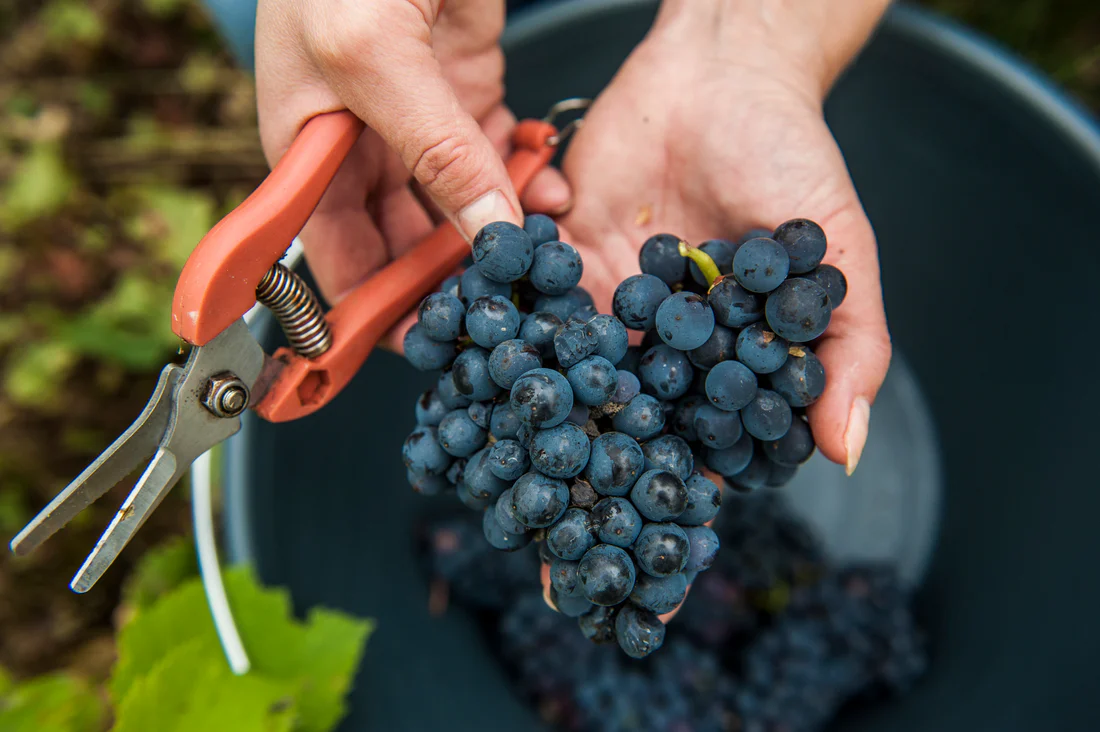
In contrast, Grower Champagne producers, often referred to as “Récoltants-Manipulants,” are hands-on. They control the entire process from vineyard to bottle, cultivating their own grapes and vinifying their own wine. This allows them to emphasize the unique characteristics of their specific terroirs, grape varieties, and vintage conditions. The result? Champagne that is often more expressive, more distinct, and more reflective of the land from which it originates.

Quality Over Quantity

At the heart of the Grower Champagne movement is a commitment to quality. Rather than focusing on mass production, Grower Champagne producers prioritize craftsmanship and terroir expression. Every bottle tells a story of its vineyard, its weather conditions, and its winemaker’s philosophy. The impact of terroir—the unique combination of soil, climate, and geography—is increasingly celebrated in these wines, allowing for more individuality and personality in the final product.

In the past, larger Champagne houses were often more concerned with consistency and uniformity than with the nuances of specific vineyard sites. Grower Champagne producers, however, embrace variation as a natural and desirable feature. They often produce small quantities of Champagne, which allows for greater attention to detail and more precise adjustments during the winemaking process. The result is a product that can showcase the true essence of the land and the vintage, making each bottle a unique representation of that particular moment in time.

Prestige Redefined: Authenticity and Craftsmanship

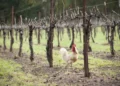
JEAN-MARC CHARPENTIER: CHAMPIONING BIODYNAMIC FARMING IN CHAMPAGNE'S MARNE  VALLEY

For many connoisseurs, the prestige of Champagne has traditionally been associated with long-established brands like Dom Pérignon, Krug, and Moët & Chandon. These houses have a storied history and are recognized worldwide for their quality and luxury. However, in recent years, there has been a growing appreciation for authenticity and craftsmanship. Grower Champagne producers, who often work with smaller, more specialized plots of land, emphasize their hands-on approach and connection to the land. In a world where mass production is increasingly the norm, this authenticity resonates deeply with modern consumers who value originality over conformity.

The shift toward Grower Champagne can also be seen as a response to the evolving tastes of the global wine-drinking public. Millennials and Generation Z drinkers, in particular, are looking for more personal and meaningful experiences when it comes to food and drink. They are less interested in brand names and more intrigued by the story behind the product. Grower Champagne offers this, with many producers eager to share the stories of their vineyards, their methods, and their philosophies.

This shift isn’t just about a new style of wine; it’s about a new approach to luxury. Grower Champagne represents a more democratic form of prestige, one that values quality over reputation, authenticity over tradition, and individuality over conformity. This is a significant change in an industry that has long been associated with old-world elitism and aristocracy.

The Role of Terroir in Grower Champagne

One of the most compelling aspects of Grower Champagne is the focus on terroir. In a region as storied and revered as Champagne, the concept of terroir takes on great significance. Terroir is the sum of all the environmental factors that influence the grape-growing process: the soil, climate, and topography of a vineyard. For Grower Champagne producers, terroir is a key differentiator. By focusing on smaller vineyard plots and often eschewing the blending practices of larger Champagne houses, they can offer a wine that is a truer reflection of its origins.

In many cases, Grower Champagne houses use organic or biodynamic farming methods to enhance the connection between the land and the wine. These methods prioritize sustainability and respect for the natural environment, and many consumers find this approach to be a more ethical and environmentally conscious choice.

Terroir-driven Champagne is often more expressive and diverse, with wines that can vary significantly from one vintage to the next. This variability is embraced by Grower Champagne producers, who view it as an opportunity to showcase the uniqueness of each year’s harvest and each vineyard site. For consumers, this means there is always something new to discover in the world of Grower Champagne.

The Evolving Market: How Consumers Are Embracing Grower Champagne

The market for Champagne has evolved significantly in recent years. While luxury brands continue to dominate the high-end market, there is a growing segment of consumers who are seeking something more personal and unique. Grower Champagne fits this bill perfectly. These wines offer a more intimate and artisanal approach to Champagne, appealing to those who are looking for new and different experiences. They also align with a broader trend in the food and beverage industry, where there is an increasing demand for smaller, independent producers and locally-sourced, sustainable products.
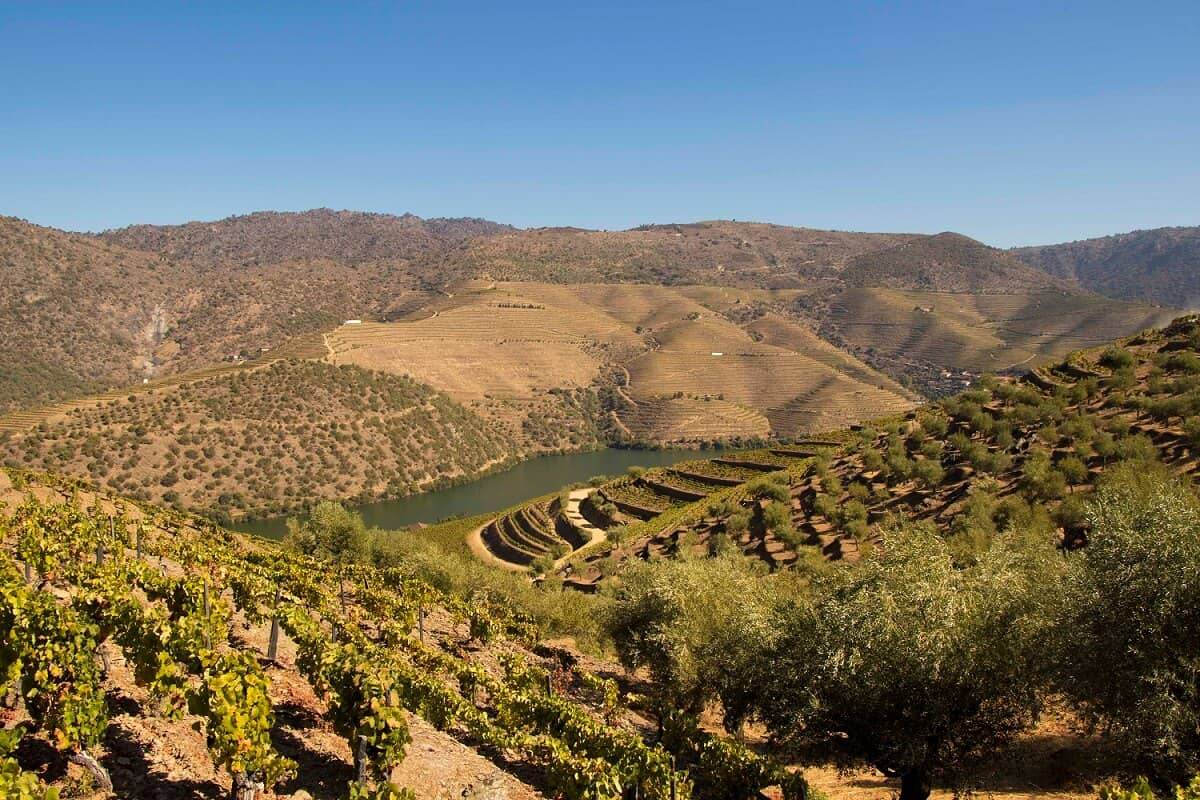
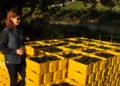
Sustainable Viticulture - Wine Production - Taylor Fladgate

Many sommeliers and wine critics have begun to champion Grower Champagne for its distinctiveness and craftsmanship. Wine bars, restaurants, and wine shops are increasingly offering a curated selection of Grower Champagne alongside the more established houses. In some cases, Grower Champagne has even earned a place on the shelves of Michelin-starred restaurants, where the emphasis is on quality, individuality, and an elevated sense of artistry.

As the demand for Grower Champagne increases, so does the market’s recognition of these producers. While they may still represent a small portion of the Champagne market overall, their influence is growing. As more consumers seek out wines with a story to tell, and as the appetite for authenticity and craftsmanship continues to rise, Grower Champagne is poised to redefine what it means to drink Champagne in the modern age.

Grower Champagne’s Impact on Traditional Prestige

The traditional notion of Champagne prestige has always been closely tied to the big houses, which have the resources and marketing power to maintain their dominance in the industry. However, Grower Champagne challenges this paradigm. By focusing on smaller-scale production, a stronger connection to the land, and more personalized wines, Grower Champagne producers are slowly shifting the definition of what makes a Champagne prestigious.

In many ways, Grower Champagne represents a return to the roots of Champagne production. In the early days of the region, most producers were small, independent growers who worked their own land and created wines that reflected the character of their vineyards. As the region grew and the big houses took control, the focus shifted toward mass production and consistency. Today, Grower Champagne is bringing the focus back to quality, individuality, and authenticity, elements that were once at the heart of Champagne production.

This redefinition of prestige is not just about changing consumer tastes; it’s about reshaping the entire Champagne ecosystem. Grower Champagne producers are working to establish themselves as equals to the larger Champagne houses, offering a product that is every bit as high-quality and worthy of recognition. In doing so, they are shifting the conversation about what truly constitutes prestige in the region.

The Future of Grower Champagne

As the Grower Champagne movement continues to grow, its influence will undoubtedly expand. More producers will likely enter the market, each bringing their unique vision and style to the world of Champagne. Consumers will continue to explore the diversity of these wines, looking for something that speaks to their personal tastes and values.

While Grower Champagne may never fully replace the legacy and luxury associated with the big Champagne houses, it is undoubtedly carving out its own niche. For those who appreciate the finer things in life, but with a desire for authenticity and craftsmanship, Grower Champagne offers an exciting new direction. Whether it’s the focus on terroir, sustainability, or personal connection to the land, Grower Champagne is redefining prestige in the Champagne region, and it’s doing so on its own terms.

Tags: Champagne productionluxuryterroirwine pairing
ShareTweetShare

Related Posts

Can Grain Spirits Really Rival Their Malt Counterparts?
ALL

Can Grain Spirits Really Rival Their Malt Counterparts?

January 16, 2026
Can Craft Beer Really Replace Traditional Lager?
ALL

Can Craft Beer Really Replace Traditional Lager?

January 16, 2026
Why Do Some Champagnes Have a Saltiness to Them?
ALL

Why Do Some Champagnes Have a Saltiness to Them?

January 16, 2026
Is Whiskey Really Better with Age?
ALL

Is Whiskey Really Better with Age?

January 16, 2026
Is Wine Aging Really Just About Time?
ALL

Is Wine Aging Really Just About Time?

January 16, 2026
Do Wine Labels Signal Style More Than Region Today?
ALL

Do Wine Labels Signal Style More Than Region Today?

January 15, 2026
Leave Comment
  • Trending
  • Comments
  • Latest
What Hidden Craftsmanship Lies Behind a Bottle of Quality Grain Spirits?

What Hidden Craftsmanship Lies Behind a Bottle of Quality Grain Spirits?

July 3, 2025
How Is Champagne Made? The Secrets Behind the Sparkle

How Is Champagne Made? The Secrets Behind the Sparkle

April 15, 2025
Grain Spirits vs. Traditional Distilled Spirits: Which One Suits Your Taste?

Grain Spirits vs. Traditional Distilled Spirits: Which One Suits Your Taste?

July 3, 2025
Champagne Bubbles: How Do They Perfectly Convey Celebration, Joy, and Luxury?

Champagne Bubbles: How Do They Perfectly Convey Celebration, Joy, and Luxury?

July 2, 2025
The Timeless Elegance of Wine: A Journey Through History and Culture

The Timeless Elegance of Wine: A Journey Through History and Culture

Why Is Château Lafite Rothschild the Pinnacle of Fine Wine?

Why Is Château Lafite Rothschild the Pinnacle of Fine Wine?

How Did Château Lafite Rothschild Become a Global Icon of Luxury?

How Did Château Lafite Rothschild Become a Global Icon of Luxury?

What Makes Chateau Lafite Rothschild the Pinnacle of Bordeaux Wines?

What Makes Chateau Lafite Rothschild the Pinnacle of Bordeaux Wines?

Can Grain Spirits Really Rival Their Malt Counterparts?

Can Grain Spirits Really Rival Their Malt Counterparts?

January 16, 2026
Can Craft Beer Really Replace Traditional Lager?

Can Craft Beer Really Replace Traditional Lager?

January 16, 2026
Why Do Some Champagnes Have a Saltiness to Them?

Why Do Some Champagnes Have a Saltiness to Them?

January 16, 2026
Is Whiskey Really Better with Age?

Is Whiskey Really Better with Age?

January 16, 2026
SipsavorLife

Welcome to our comprehensive beverage guide, where you can explore the fascinating world of alcoholic drinks. From exquisite wines and rich whiskeys to refreshing beers and sparkling champagnes, we provide insights, tips, and recommendations for enthusiasts and casual drinkers alike. Discover your next favorite libation with us!

© 2025 sipsavorlife.com. contacts:sipsavorlife-35376@gmail.com

No Result
View All Result
  • Home
  • Wine
  • Whiskey
  • Beer
  • Grain Spirits
  • Champagne
  • ALL

© 2025 sipsavorlife.com. contacts:sipsavorlife-35376@gmail.com

Welcome Back!

Login to your account below

Forgotten Password?

Retrieve your password

Please enter your username or email address to reset your password.

Log In