






























SipsavorLife
  • Home
  • Wine
    Wine Pairings: Can They Change the Flavor Profile of a Dish?

    Wine Pairings: Can They Change the Flavor Profile of a Dish?

    How Do Wine Glasses Influence the Tasting Experience?

    How Do Wine Glasses Influence the Tasting Experience?

    Is Organic Wine Healthier Than Conventional Wine?

    Is Organic Wine Healthier Than Conventional Wine?

    Why Do Some Wines Taste Better from Specific Vintages?

    Why Do Some Wines Taste Better from Specific Vintages?

    Wine Tasting: Can It Truly Be an Art Form?

    Wine Tasting: Can It Truly Be an Art Form?

    What Does Terroir Actually Mean for Your Wine?

    What Does Terroir Actually Mean for Your Wine?

  • Whiskey
    Can Beer Be an Effective Ingredient in Culinary Cooking?

    Can Beer Be an Effective Ingredient in Culinary Cooking?

    Second Fermentation in Champagne: Is It Really That Crucial?

    Second Fermentation in Champagne: Is It Really That Crucial?

    How Do Different Grains Impact the Flavor Profile of Distilled Spirits?

    How Do Different Grains Impact the Flavor Profile of Distilled Spirits?

    How Do Whiskey Master Blenders Create Perfection?

    How Do Whiskey Master Blenders Create Perfection?

    Wine Pairings: Can They Change the Flavor Profile of a Dish?

    Wine Pairings: Can They Change the Flavor Profile of a Dish?

    Beer the Ultimate Beverage for Pairing with Spicy Food?

    Beer the Ultimate Beverage for Pairing with Spicy Food?

  • Beer
    Can Beer Be an Effective Ingredient in Culinary Cooking?

    Can Beer Be an Effective Ingredient in Culinary Cooking?

    Beer the Ultimate Beverage for Pairing with Spicy Food?

    Beer the Ultimate Beverage for Pairing with Spicy Food?

    How Did Ancient Civilizations Brew Beer Without Modern Technology?

    How Did Ancient Civilizations Brew Beer Without Modern Technology?

    Is It Possible to Brew a Beer with No Alcohol and No Compromise on Taste?

    Is It Possible to Brew a Beer with No Alcohol and No Compromise on Taste?

    Why Does Beer Taste Different at High Altitudes?

    Why Does Beer Taste Different at High Altitudes?

    Is Hops the Secret Ingredient Behind Beer’s Bold Flavor?

    Is Hops the Secret Ingredient Behind Beer’s Bold Flavor?

  • Grain Spirits
    How Do Different Grains Impact the Flavor Profile of Distilled Spirits?

    How Do Different Grains Impact the Flavor Profile of Distilled Spirits?

    Grain Spirits the Unsung Heroes of Modern Mixology

    Grain Spirits the Unsung Heroes of Modern Mixology

    What Makes Grain-Based Whiskey So Different from Its Peated Cousins?

    What Makes Grain-Based Whiskey So Different from Its Peated Cousins?

    Grain Spirits: Could They Be the Next Big Trend in Craft Cocktails?

    Grain Spirits: Could They Be the Next Big Trend in Craft Cocktails?

    Why Are Grain Spirits Often Overlooked in the World of Fine Liquor?

    Why Are Grain Spirits Often Overlooked in the World of Fine Liquor?

    Is There a Secret Art to Distilling Grain Spirits?

    Is There a Secret Art to Distilling Grain Spirits?

  • Champagne
    Second Fermentation in Champagne: Is It Really That Crucial?

    Second Fermentation in Champagne: Is It Really That Crucial?

    The Science Behind the ‘Bubble Size’ in Champagne

    The Science Behind the ‘Bubble Size’ in Champagne

    Why Do Some Champagnes Use a High Proportion of Pinot Meunier?

    Why Do Some Champagnes Use a High Proportion of Pinot Meunier?

    Role of Terroir in Champagne Production

    Role of Terroir in Champagne Production

    Champagne Can Be Aged in Wood?

    Champagne Can Be Aged in Wood?

    Is There a Difference Between Blanc de Blancs and Blanc de Noirs Champagne?

    Is There a Difference Between Blanc de Blancs and Blanc de Noirs Champagne?

  • ALL
    Can Beer Be an Effective Ingredient in Culinary Cooking?

    Can Beer Be an Effective Ingredient in Culinary Cooking?

    Second Fermentation in Champagne: Is It Really That Crucial?

    Second Fermentation in Champagne: Is It Really That Crucial?

    How Do Different Grains Impact the Flavor Profile of Distilled Spirits?

    How Do Different Grains Impact the Flavor Profile of Distilled Spirits?

    How Do Whiskey Master Blenders Create Perfection?

    How Do Whiskey Master Blenders Create Perfection?

    Wine Pairings: Can They Change the Flavor Profile of a Dish?

    Wine Pairings: Can They Change the Flavor Profile of a Dish?

    Beer the Ultimate Beverage for Pairing with Spicy Food?

    Beer the Ultimate Beverage for Pairing with Spicy Food?

SipsavorLife
  • Home
  • Wine
    Wine Pairings: Can They Change the Flavor Profile of a Dish?

    Wine Pairings: Can They Change the Flavor Profile of a Dish?

    How Do Wine Glasses Influence the Tasting Experience?

    How Do Wine Glasses Influence the Tasting Experience?

    Is Organic Wine Healthier Than Conventional Wine?

    Is Organic Wine Healthier Than Conventional Wine?

    Why Do Some Wines Taste Better from Specific Vintages?

    Why Do Some Wines Taste Better from Specific Vintages?

    Wine Tasting: Can It Truly Be an Art Form?

    Wine Tasting: Can It Truly Be an Art Form?

    What Does Terroir Actually Mean for Your Wine?

    What Does Terroir Actually Mean for Your Wine?

  • Whiskey
    Can Beer Be an Effective Ingredient in Culinary Cooking?

    Can Beer Be an Effective Ingredient in Culinary Cooking?

    Second Fermentation in Champagne: Is It Really That Crucial?

    Second Fermentation in Champagne: Is It Really That Crucial?

    How Do Different Grains Impact the Flavor Profile of Distilled Spirits?

    How Do Different Grains Impact the Flavor Profile of Distilled Spirits?

    How Do Whiskey Master Blenders Create Perfection?

    How Do Whiskey Master Blenders Create Perfection?

    Wine Pairings: Can They Change the Flavor Profile of a Dish?

    Wine Pairings: Can They Change the Flavor Profile of a Dish?

    Beer the Ultimate Beverage for Pairing with Spicy Food?

    Beer the Ultimate Beverage for Pairing with Spicy Food?

  • Beer
    Can Beer Be an Effective Ingredient in Culinary Cooking?

    Can Beer Be an Effective Ingredient in Culinary Cooking?

    Beer the Ultimate Beverage for Pairing with Spicy Food?

    Beer the Ultimate Beverage for Pairing with Spicy Food?

    How Did Ancient Civilizations Brew Beer Without Modern Technology?

    How Did Ancient Civilizations Brew Beer Without Modern Technology?

    Is It Possible to Brew a Beer with No Alcohol and No Compromise on Taste?

    Is It Possible to Brew a Beer with No Alcohol and No Compromise on Taste?

    Why Does Beer Taste Different at High Altitudes?

    Why Does Beer Taste Different at High Altitudes?

    Is Hops the Secret Ingredient Behind Beer’s Bold Flavor?

    Is Hops the Secret Ingredient Behind Beer’s Bold Flavor?

  • Grain Spirits
    How Do Different Grains Impact the Flavor Profile of Distilled Spirits?

    How Do Different Grains Impact the Flavor Profile of Distilled Spirits?

    Grain Spirits the Unsung Heroes of Modern Mixology

    Grain Spirits the Unsung Heroes of Modern Mixology

    What Makes Grain-Based Whiskey So Different from Its Peated Cousins?

    What Makes Grain-Based Whiskey So Different from Its Peated Cousins?

    Grain Spirits: Could They Be the Next Big Trend in Craft Cocktails?

    Grain Spirits: Could They Be the Next Big Trend in Craft Cocktails?

    Why Are Grain Spirits Often Overlooked in the World of Fine Liquor?

    Why Are Grain Spirits Often Overlooked in the World of Fine Liquor?

    Is There a Secret Art to Distilling Grain Spirits?

    Is There a Secret Art to Distilling Grain Spirits?

  • Champagne
    Second Fermentation in Champagne: Is It Really That Crucial?

    Second Fermentation in Champagne: Is It Really That Crucial?

    The Science Behind the ‘Bubble Size’ in Champagne

    The Science Behind the ‘Bubble Size’ in Champagne

    Why Do Some Champagnes Use a High Proportion of Pinot Meunier?

    Why Do Some Champagnes Use a High Proportion of Pinot Meunier?

    Role of Terroir in Champagne Production

    Role of Terroir in Champagne Production

    Champagne Can Be Aged in Wood?

    Champagne Can Be Aged in Wood?

    Is There a Difference Between Blanc de Blancs and Blanc de Noirs Champagne?

    Is There a Difference Between Blanc de Blancs and Blanc de Noirs Champagne?

  • ALL
    Can Beer Be an Effective Ingredient in Culinary Cooking?

    Can Beer Be an Effective Ingredient in Culinary Cooking?

    Second Fermentation in Champagne: Is It Really That Crucial?

    Second Fermentation in Champagne: Is It Really That Crucial?

    How Do Different Grains Impact the Flavor Profile of Distilled Spirits?

    How Do Different Grains Impact the Flavor Profile of Distilled Spirits?

    How Do Whiskey Master Blenders Create Perfection?

    How Do Whiskey Master Blenders Create Perfection?

    Wine Pairings: Can They Change the Flavor Profile of a Dish?

    Wine Pairings: Can They Change the Flavor Profile of a Dish?

    Beer the Ultimate Beverage for Pairing with Spicy Food?

    Beer the Ultimate Beverage for Pairing with Spicy Food?

SipsavorLife
No Result
View All Result
Home ALL

Does Water Chemistry Matter More Than Hops?

January 6, 2026
in ALL, Beer
Does Water Chemistry Matter More Than Hops?

When it comes to brewing beer, the spotlight often falls on hops. Aromatic, bitter, and flavorful, hops are the rock stars of the brewing world. IPAs wouldn’t exist without them, nor would the pungent, floral, citrusy sensations that hop enthusiasts worship. But there’s a quieter, less glamorous player in the background that arguably shapes beer just as much—if not more—than hops: water chemistry.

Yes, water. The unassuming, transparent liquid that makes up 90% or more of every pint you pour. It might not get the Instagram likes of a cascade of hop flowers or the aesthetic perfection of a hazy IPA pour, but its influence on beer is profound. Understanding water chemistry is less about flair and more about precision. It’s about ions, pH levels, and the subtle alchemy that transforms malt and hops into a symphony in a glass.

Let’s embark on a deep dive into the watery foundation of brewing, exploring why water chemistry might matter more than hops in the quest for exceptional beer.


The Foundation: Water in Brewing

Before hops were ever cultivated, and long before craft beer became a global obsession, water dictated where the best beer was made. Historical brewing regions—Dublin, Burton-on-Trent, Pilsen—are defined not only by their brewing traditions but by their water. The hardness, softness, mineral content, and pH of water all influenced the styles that thrived there.

  • Burton-on-Trent, in England, is famous for its pale ales. The water is high in calcium sulfate, also called gypsum, which enhances hop bitterness and clarity.
  • Dublin, home of the iconic dry stout, boasts water high in carbonate and calcium, which softens the roasted malt profile, creating that smooth, creamy mouthfeel.
  • Pilsen, birthplace of Pilsner lagers, has soft water low in minerals, allowing delicate malt flavors to shine without harshness.

Clearly, water isn’t just a blank canvas; it’s an active ingredient that sculpts the beer’s flavor, body, and aroma.


Breaking Down Water Chemistry

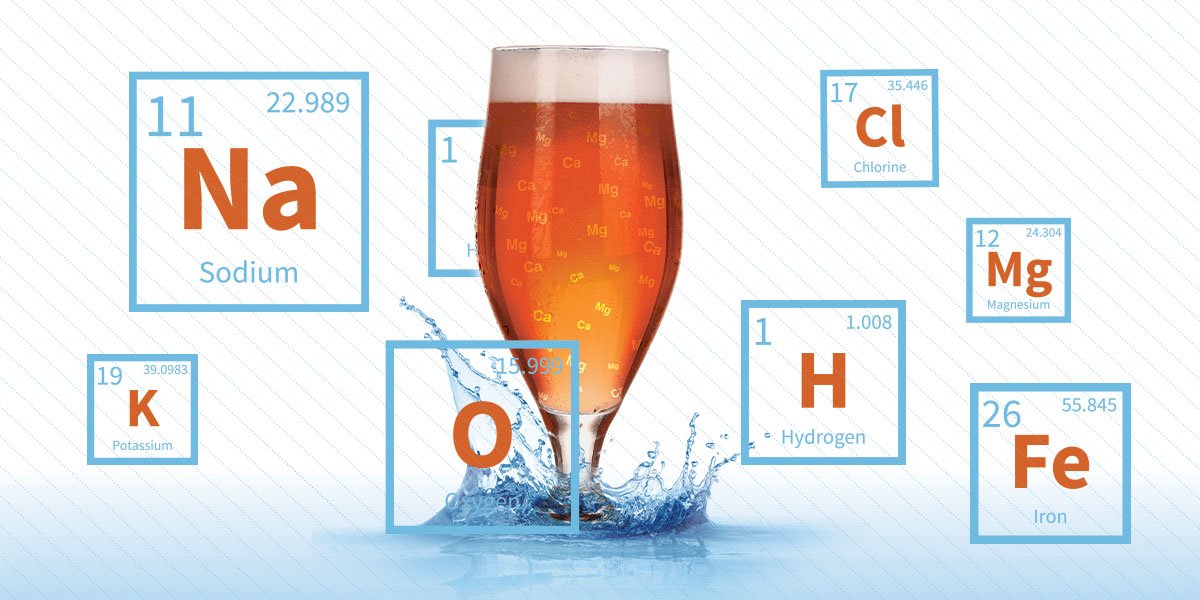
Water chemistry is a science in itself, but we can distill it into a few key players: minerals and ions. Each affects brewing differently.

1. Calcium (Ca²⁺)

Calcium is essential for yeast health, enzyme activity, and overall beer stability. It lowers mash pH, improves protein coagulation, and reduces the risk of haze. More practically, it accentuates malt sweetness subtly while rounding out bitterness.

2. Magnesium (Mg²⁺)

Magnesium is another vital ion but in much smaller quantities than calcium. While high levels can impart slight bitterness, it’s generally beneficial for yeast fermentation.

3. Sodium (Na⁺)

Sodium, in low levels, adds a sense of fullness and enhances sweetness. Too much, however, can taste salty or harsh. Some traditional styles, like the iconic Gose, embrace higher sodium intentionally.

4. Sulfates (SO₄²⁻)

Sulfates brighten bitterness and dry out the finish, making them critical for hoppy ales. Water high in sulfates is why Burton-on-Trent became the IPA capital centuries ago.

5. Chlorides (Cl⁻)

Chlorides emphasize malt sweetness and create a rounder, fuller mouthfeel. Stouts and malty lagers benefit from chloride-heavy water.
The 5 Best Hop Waters of 2026 | Reviews by Wirecutter

6. Carbonates (HCO₃⁻)

Carbonates buffer mash pH, which can be good or bad depending on the beer style. High carbonate water is ideal for dark beers, which need a higher mash pH to balance roasted malts, but can make pale ales taste harsh and flat.


Hops vs. Water: Where Flavor Comes From

Hops provide bitterness, aroma, and some preservation qualities. They are dynamic and visibly exciting—the alpha acids, essential oils, and resins create the “wow” factor in beer tasting. But hops don’t work in isolation. Their effect is shaped by the water they’re in.

  • Bitterness Perception: Sulfate-rich water enhances hop bitterness, while chloride-heavy water mutes it. You could use the same exact hops, but in Burton water versus Dublin water, the bitterness will taste radically different.
  • Aroma Release: Water pH influences how volatile hop oils express themselves. Acidic water allows for a brighter, more floral aroma, while neutral or alkaline water can dull aromatic intensity.
  • Mouthfeel: Hops can provide some astringency, but the body and smoothness come largely from water ions, malt extract, and pH balance.

This interplay means a brewer obsessed with hops but neglecting water chemistry may never reach the flavor potential of a recipe perfectly tuned to its water profile.


Case Study: The IPA Paradox

India Pale Ales are often thought of as hop-forward beers, yet water chemistry is their secret weapon. Traditional Burton water—with high sulfates—accentuates hop bitterness without overwhelming malt sweetness. Modern craft brewers trying to replicate classic IPAs often add gypsum to their local water to mimic this effect.

Imagine two breweries using the same batch of Citra hops. One uses soft water with low sulfates; the other adjusts water to high sulfate levels. Even with identical hopping schedules, the first beer tastes muted and unbalanced, while the second achieves that crisp, biting bitterness IPA lovers crave.

Water chemistry literally transforms the same hops from “meh” to “magnificent.”


The Role of pH in Brewing

pH is another water-driven factor that shapes the final beer. Mash pH typically ranges between 5.2 and 5.6, and small variations can drastically affect enzymatic activity, sugar extraction, and ultimately fermentability. Here’s why it matters:

  • Mashing Efficiency: Enzymes that convert starch to sugar are pH-sensitive. If water is too alkaline, enzymes underperform, leaving unconverted starches and a thin beer.
  • Hop Perception: Bitterness is pH-dependent. Lower pH allows alpha acids to isomerize more efficiently, delivering sharper, cleaner bitterness.
  • Stability: Beers brewed outside ideal pH ranges are prone to haze, off-flavors, and short shelf life.

Water adjustments—acidifying or buffering—can rescue recipes from failure or elevate them to brilliance.


Water as Style Designer

One of the most fascinating aspects of water chemistry is how it naturally nudges beer toward specific styles. It’s no coincidence that pale ales thrived in Burton-on-Trent, stouts in Dublin, and pilsners in Pilsen. Brewers in those regions weren’t manipulating chemistry consciously at first; they were adapting their recipes to the water they had.

  • Soft Water: Highlights malt delicacy. Perfect for pale lagers and Pilsners.
  • Hard Water (high calcium, high sulfates): Accentuates bitterness, hops, and clarity. Ideal for IPAs and pale ales.
  • Alkaline Water (high carbonates): Buffers dark malts, softens roasted flavors. Suited for stouts, porters, and Scottish ales.
  • Balanced Water: Neutral profiles allow creative flexibility but require intentional adjustment for extreme styles.

Effectively, water is the silent “style architect.” Without the right water, even the best hops and malts can produce lackluster beer.


The Modern Brewer’s Toolbox

Overview of the Brewing Process - Brewers Association

Today’s brewers have an arsenal of tools to manipulate water chemistry:

  1. Water Testing: Knowing the exact mineral composition is the first step. Many craft brewers test tap water and adjust accordingly.
  2. Salt Additions: Gypsum, calcium chloride, magnesium sulfate, and table salt are used to tailor water for desired flavor outcomes.
  3. Acid Adjustments: Lactic acid or phosphoric acid can lower mash pH.
  4. Carbonate Management: Reverse osmosis (RO) water allows brewers to start with a blank slate, adding ions precisely for style.

While hops and malt selection remain critical, water treatment allows brewers to fine-tune flavor in ways that hops alone cannot achieve.


Hops Are Important, But Water Is Foundational

Hops are exciting, visible, and aromatic. They’re easy to show off on social media and label as the defining ingredient of a beer. But consider the hidden chemistry of water: it impacts every stage of brewing, from mashing efficiency to hop bitterness perception, mouthfeel, and clarity. A brewer obsessed with hops but ignoring water chemistry may be setting themselves up for disappointment.

Conversely, a brewer who understands water chemistry can:

  • Amplify hop bitterness without adding more hops.
  • Soften harsh malts for smoother beers.
  • Create stylistically accurate beers even with local ingredients.
  • Enhance aroma expression and balance flavor complexity.

In essence, hops are the sparkle, but water is the structure. Sparkle alone can’t hold a building together.


Real-World Implications for Craft Brewing

Craft breweries today often obsess over hop varieties, alpha acid content, and dry hopping schedules. Yet, water chemistry is frequently overlooked, despite its critical influence. Consider these examples:

  • A new IPA in a city with soft water: Without gypsum or sulfate adjustment, the beer may taste sweet and underwhelming, even with premium hops.
  • A stout in high-carbonate water: The beer might taste harsh, with roasted malts dominating, unless the brewer reduces alkalinity.
  • Experimentation: Brewers trying to recreate historic styles often reverse-engineer water profiles to match historic towns’ mineral composition.

The lesson is clear: water chemistry allows brewers to control the canvas on which hops and malt paint their flavor masterpiece.


The Science Behind Taste Perception

Water doesn’t just affect chemistry; it affects human perception. Studies in sensory science show that bitterness, sweetness, and mouthfeel are all influenced by mineral content. Sulfates amplify perceived bitterness, chlorides enhance fullness, and high sodium can mask subtle flavors. Therefore, even the most perfectly hopped beer can taste dull or unbalanced if the water isn’t optimized.

Hops provide flavor compounds, but water determines how those compounds interact with your palate. That’s why two breweries can use the same hops, malt, and yeast but produce beers that taste completely different.


Conclusion: Water Chemistry Is More Than a Supporting Role

So, does water chemistry matter more than hops? The short answer is yes—but with nuance. Hops provide excitement, aroma, and bitterness, but water dictates how those qualities are perceived, balanced, and supported. Without the proper water foundation, even the most extraordinary hops can fail to deliver their full potential.

Brewers who understand water chemistry gain control over flavor, style, and consistency. They can amplify the strengths of their ingredients, mitigate weaknesses, and create beers that are technically precise and sensorially delightful. In the ongoing debate between hops and water, water may be the unsung hero, quietly shaping every sip you enjoy.

In the end, water is not just an ingredient—it’s the invisible architect of beer. Hops may be the celebrities, but water is the director behind the scenes, ensuring that every flavor hits its cue perfectly.


Tags: beercraft beerfermentationflavor
ShareTweetShare

Related Posts

Can Beer Be an Effective Ingredient in Culinary Cooking?
ALL

Can Beer Be an Effective Ingredient in Culinary Cooking?

January 22, 2026
Second Fermentation in Champagne: Is It Really That Crucial?
ALL

Second Fermentation in Champagne: Is It Really That Crucial?

January 22, 2026
How Do Different Grains Impact the Flavor Profile of Distilled Spirits?
ALL

How Do Different Grains Impact the Flavor Profile of Distilled Spirits?

January 22, 2026
How Do Whiskey Master Blenders Create Perfection?
ALL

How Do Whiskey Master Blenders Create Perfection?

January 22, 2026
Wine Pairings: Can They Change the Flavor Profile of a Dish?
ALL

Wine Pairings: Can They Change the Flavor Profile of a Dish?

January 22, 2026
Beer the Ultimate Beverage for Pairing with Spicy Food?
ALL

Beer the Ultimate Beverage for Pairing with Spicy Food?

January 21, 2026
Leave Comment
  • Trending
  • Comments
  • Latest
What Hidden Craftsmanship Lies Behind a Bottle of Quality Grain Spirits?

What Hidden Craftsmanship Lies Behind a Bottle of Quality Grain Spirits?

July 3, 2025
How Is Champagne Made? The Secrets Behind the Sparkle

How Is Champagne Made? The Secrets Behind the Sparkle

April 15, 2025
Grain Spirits vs. Traditional Distilled Spirits: Which One Suits Your Taste?

Grain Spirits vs. Traditional Distilled Spirits: Which One Suits Your Taste?

July 3, 2025
Champagne Bubbles: How Do They Perfectly Convey Celebration, Joy, and Luxury?

Champagne Bubbles: How Do They Perfectly Convey Celebration, Joy, and Luxury?

July 2, 2025
The Timeless Elegance of Wine: A Journey Through History and Culture

The Timeless Elegance of Wine: A Journey Through History and Culture

Why Is Château Lafite Rothschild the Pinnacle of Fine Wine?

Why Is Château Lafite Rothschild the Pinnacle of Fine Wine?

How Did Château Lafite Rothschild Become a Global Icon of Luxury?

How Did Château Lafite Rothschild Become a Global Icon of Luxury?

What Makes Chateau Lafite Rothschild the Pinnacle of Bordeaux Wines?

What Makes Chateau Lafite Rothschild the Pinnacle of Bordeaux Wines?

Can Beer Be an Effective Ingredient in Culinary Cooking?

Can Beer Be an Effective Ingredient in Culinary Cooking?

January 22, 2026
Second Fermentation in Champagne: Is It Really That Crucial?

Second Fermentation in Champagne: Is It Really That Crucial?

January 22, 2026
How Do Different Grains Impact the Flavor Profile of Distilled Spirits?

How Do Different Grains Impact the Flavor Profile of Distilled Spirits?

January 22, 2026
How Do Whiskey Master Blenders Create Perfection?

How Do Whiskey Master Blenders Create Perfection?

January 22, 2026
SipsavorLife

Welcome to our comprehensive beverage guide, where you can explore the fascinating world of alcoholic drinks. From exquisite wines and rich whiskeys to refreshing beers and sparkling champagnes, we provide insights, tips, and recommendations for enthusiasts and casual drinkers alike. Discover your next favorite libation with us!

© 2025 sipsavorlife.com. contacts:sipsavorlife-35376@gmail.com

No Result
View All Result
  • Home
  • Wine
  • Whiskey
  • Beer
  • Grain Spirits
  • Champagne
  • ALL

© 2025 sipsavorlife.com. contacts:sipsavorlife-35376@gmail.com

Welcome Back!

Login to your account below

Forgotten Password?

Retrieve your password

Please enter your username or email address to reset your password.

Log In





