






SipsavorLife
  • Home
  • Wine
    Wine Pairings: Can They Change the Flavor Profile of a Dish?

    Wine Pairings: Can They Change the Flavor Profile of a Dish?

    How Do Wine Glasses Influence the Tasting Experience?

    How Do Wine Glasses Influence the Tasting Experience?

    Is Organic Wine Healthier Than Conventional Wine?

    Is Organic Wine Healthier Than Conventional Wine?

    Why Do Some Wines Taste Better from Specific Vintages?

    Why Do Some Wines Taste Better from Specific Vintages?

    Wine Tasting: Can It Truly Be an Art Form?

    Wine Tasting: Can It Truly Be an Art Form?

    What Does Terroir Actually Mean for Your Wine?

    What Does Terroir Actually Mean for Your Wine?

  • Whiskey
    Can Beer Be an Effective Ingredient in Culinary Cooking?

    Can Beer Be an Effective Ingredient in Culinary Cooking?

    Second Fermentation in Champagne: Is It Really That Crucial?

    Second Fermentation in Champagne: Is It Really That Crucial?

    How Do Different Grains Impact the Flavor Profile of Distilled Spirits?

    How Do Different Grains Impact the Flavor Profile of Distilled Spirits?

    How Do Whiskey Master Blenders Create Perfection?

    How Do Whiskey Master Blenders Create Perfection?

    Wine Pairings: Can They Change the Flavor Profile of a Dish?

    Wine Pairings: Can They Change the Flavor Profile of a Dish?

    Beer the Ultimate Beverage for Pairing with Spicy Food?

    Beer the Ultimate Beverage for Pairing with Spicy Food?

  • Beer
    Can Beer Be an Effective Ingredient in Culinary Cooking?

    Can Beer Be an Effective Ingredient in Culinary Cooking?

    Beer the Ultimate Beverage for Pairing with Spicy Food?

    Beer the Ultimate Beverage for Pairing with Spicy Food?

    How Did Ancient Civilizations Brew Beer Without Modern Technology?

    How Did Ancient Civilizations Brew Beer Without Modern Technology?

    Is It Possible to Brew a Beer with No Alcohol and No Compromise on Taste?

    Is It Possible to Brew a Beer with No Alcohol and No Compromise on Taste?

    Why Does Beer Taste Different at High Altitudes?

    Why Does Beer Taste Different at High Altitudes?

    Is Hops the Secret Ingredient Behind Beer’s Bold Flavor?

    Is Hops the Secret Ingredient Behind Beer’s Bold Flavor?

  • Grain Spirits
    How Do Different Grains Impact the Flavor Profile of Distilled Spirits?

    How Do Different Grains Impact the Flavor Profile of Distilled Spirits?

    Grain Spirits the Unsung Heroes of Modern Mixology

    Grain Spirits the Unsung Heroes of Modern Mixology

    What Makes Grain-Based Whiskey So Different from Its Peated Cousins?

    What Makes Grain-Based Whiskey So Different from Its Peated Cousins?

    Grain Spirits: Could They Be the Next Big Trend in Craft Cocktails?

    Grain Spirits: Could They Be the Next Big Trend in Craft Cocktails?

    Why Are Grain Spirits Often Overlooked in the World of Fine Liquor?

    Why Are Grain Spirits Often Overlooked in the World of Fine Liquor?

    Is There a Secret Art to Distilling Grain Spirits?

    Is There a Secret Art to Distilling Grain Spirits?

  • Champagne
    Second Fermentation in Champagne: Is It Really That Crucial?

    Second Fermentation in Champagne: Is It Really That Crucial?

    The Science Behind the ‘Bubble Size’ in Champagne

    The Science Behind the ‘Bubble Size’ in Champagne

    Why Do Some Champagnes Use a High Proportion of Pinot Meunier?

    Why Do Some Champagnes Use a High Proportion of Pinot Meunier?

    Role of Terroir in Champagne Production

    Role of Terroir in Champagne Production

    Champagne Can Be Aged in Wood?

    Champagne Can Be Aged in Wood?

    Is There a Difference Between Blanc de Blancs and Blanc de Noirs Champagne?

    Is There a Difference Between Blanc de Blancs and Blanc de Noirs Champagne?

  • ALL
    Can Beer Be an Effective Ingredient in Culinary Cooking?

    Can Beer Be an Effective Ingredient in Culinary Cooking?

    Second Fermentation in Champagne: Is It Really That Crucial?

    Second Fermentation in Champagne: Is It Really That Crucial?

    How Do Different Grains Impact the Flavor Profile of Distilled Spirits?

    How Do Different Grains Impact the Flavor Profile of Distilled Spirits?

    How Do Whiskey Master Blenders Create Perfection?

    How Do Whiskey Master Blenders Create Perfection?

    Wine Pairings: Can They Change the Flavor Profile of a Dish?

    Wine Pairings: Can They Change the Flavor Profile of a Dish?

    Beer the Ultimate Beverage for Pairing with Spicy Food?

    Beer the Ultimate Beverage for Pairing with Spicy Food?

SipsavorLife
  • Home
  • Wine
    Wine Pairings: Can They Change the Flavor Profile of a Dish?

    Wine Pairings: Can They Change the Flavor Profile of a Dish?

    How Do Wine Glasses Influence the Tasting Experience?

    How Do Wine Glasses Influence the Tasting Experience?

    Is Organic Wine Healthier Than Conventional Wine?

    Is Organic Wine Healthier Than Conventional Wine?

    Why Do Some Wines Taste Better from Specific Vintages?

    Why Do Some Wines Taste Better from Specific Vintages?

    Wine Tasting: Can It Truly Be an Art Form?

    Wine Tasting: Can It Truly Be an Art Form?

    What Does Terroir Actually Mean for Your Wine?

    What Does Terroir Actually Mean for Your Wine?

  • Whiskey
    Can Beer Be an Effective Ingredient in Culinary Cooking?

    Can Beer Be an Effective Ingredient in Culinary Cooking?

    Second Fermentation in Champagne: Is It Really That Crucial?

    Second Fermentation in Champagne: Is It Really That Crucial?

    How Do Different Grains Impact the Flavor Profile of Distilled Spirits?

    How Do Different Grains Impact the Flavor Profile of Distilled Spirits?

    How Do Whiskey Master Blenders Create Perfection?

    How Do Whiskey Master Blenders Create Perfection?

    Wine Pairings: Can They Change the Flavor Profile of a Dish?

    Wine Pairings: Can They Change the Flavor Profile of a Dish?

    Beer the Ultimate Beverage for Pairing with Spicy Food?

    Beer the Ultimate Beverage for Pairing with Spicy Food?

  • Beer
    Can Beer Be an Effective Ingredient in Culinary Cooking?

    Can Beer Be an Effective Ingredient in Culinary Cooking?

    Beer the Ultimate Beverage for Pairing with Spicy Food?

    Beer the Ultimate Beverage for Pairing with Spicy Food?

    How Did Ancient Civilizations Brew Beer Without Modern Technology?

    How Did Ancient Civilizations Brew Beer Without Modern Technology?

    Is It Possible to Brew a Beer with No Alcohol and No Compromise on Taste?

    Is It Possible to Brew a Beer with No Alcohol and No Compromise on Taste?

    Why Does Beer Taste Different at High Altitudes?

    Why Does Beer Taste Different at High Altitudes?

    Is Hops the Secret Ingredient Behind Beer’s Bold Flavor?

    Is Hops the Secret Ingredient Behind Beer’s Bold Flavor?

  • Grain Spirits
    How Do Different Grains Impact the Flavor Profile of Distilled Spirits?

    How Do Different Grains Impact the Flavor Profile of Distilled Spirits?

    Grain Spirits the Unsung Heroes of Modern Mixology

    Grain Spirits the Unsung Heroes of Modern Mixology

    What Makes Grain-Based Whiskey So Different from Its Peated Cousins?

    What Makes Grain-Based Whiskey So Different from Its Peated Cousins?

    Grain Spirits: Could They Be the Next Big Trend in Craft Cocktails?

    Grain Spirits: Could They Be the Next Big Trend in Craft Cocktails?

    Why Are Grain Spirits Often Overlooked in the World of Fine Liquor?

    Why Are Grain Spirits Often Overlooked in the World of Fine Liquor?

    Is There a Secret Art to Distilling Grain Spirits?

    Is There a Secret Art to Distilling Grain Spirits?

  • Champagne
    Second Fermentation in Champagne: Is It Really That Crucial?

    Second Fermentation in Champagne: Is It Really That Crucial?

    The Science Behind the ‘Bubble Size’ in Champagne

    The Science Behind the ‘Bubble Size’ in Champagne

    Why Do Some Champagnes Use a High Proportion of Pinot Meunier?

    Why Do Some Champagnes Use a High Proportion of Pinot Meunier?

    Role of Terroir in Champagne Production

    Role of Terroir in Champagne Production

    Champagne Can Be Aged in Wood?

    Champagne Can Be Aged in Wood?

    Is There a Difference Between Blanc de Blancs and Blanc de Noirs Champagne?

    Is There a Difference Between Blanc de Blancs and Blanc de Noirs Champagne?

  • ALL
    Can Beer Be an Effective Ingredient in Culinary Cooking?

    Can Beer Be an Effective Ingredient in Culinary Cooking?

    Second Fermentation in Champagne: Is It Really That Crucial?

    Second Fermentation in Champagne: Is It Really That Crucial?

    How Do Different Grains Impact the Flavor Profile of Distilled Spirits?

    How Do Different Grains Impact the Flavor Profile of Distilled Spirits?

    How Do Whiskey Master Blenders Create Perfection?

    How Do Whiskey Master Blenders Create Perfection?

    Wine Pairings: Can They Change the Flavor Profile of a Dish?

    Wine Pairings: Can They Change the Flavor Profile of a Dish?

    Beer the Ultimate Beverage for Pairing with Spicy Food?

    Beer the Ultimate Beverage for Pairing with Spicy Food?

SipsavorLife
No Result
View All Result
Home ALL

Can Yeast Choice Change a Beer’s Personality?

January 6, 2026
in ALL, Beer
Can Yeast Choice Change a Beer’s Personality?

When it comes to brewing beer, most people immediately think of hops, malt, or water. Yet, lurking behind the scenes is a microscopic magician: yeast. These single-celled organisms don’t just eat sugar—they transform it, shaping flavors, aromas, and textures in ways that can make two beers with the same ingredients taste worlds apart. In short, yeast is the personality of beer in microbial form.

But can yeast choice truly change a beer’s personality? Absolutely. And it does so more profoundly than many realize. Let’s embark on a deep dive into the world of yeast, exploring its types, behaviors, and the surprising ways it can sculpt a beer’s character from invisible microbes into liquid art.


Understanding Yeast: More Than Just a Fermenter

Yeast belongs to a group of fungi called Saccharomyces, although there are dozens of other genera with fermenting potential. The most common brewer’s yeast is Saccharomyces cerevisiae, also known as ale yeast. For lagers, brewers rely on Saccharomyces pastorianus. These yeasts differ not just in temperature preferences but in metabolism, ester production, attenuation, and flocculation behavior.

  • Ester production: Yeast produces esters—aromatic compounds often reminiscent of fruits, flowers, or spices. Some strains are banana-forward, while others echo apple, pear, or tropical fruits.
  • Phenols: Certain yeasts contribute spicy or smoky flavors, such as clove, pepper, or even smokey bacon-like notes.
  • Attenuation: This is the yeast’s ability to consume sugars, influencing body, dryness, and sweetness. A high-attenuating yeast can produce a crisp, lean beer, while a low-attenuating yeast leaves a richer, sweeter mouthfeel.
  • Flocculation: Yeast can clump and settle, affecting clarity and lingering flavors. Some stick around to continue subtle fermentation, while others drop out early, leaving the beer clean and bright.

This means that even if you keep your hops, malt, and water the same, switching yeast strains can create an entirely different beer experience. Think of it like swapping the lead actor in a play; the script remains, but the emotional tone changes completely.


Ale vs. Lager: Personality Foundations

Yeast fundamentally divides the beer world into ales and lagers, though the nuances are far more granular.

Ale Yeast

Ale yeasts (S. cerevisiae) ferment at warmer temperatures, typically between 60–75°F (15–24°C). Warm fermentation encourages ester and phenol production, often resulting in more pronounced fruity or spicy notes. For example:

  • English ale strains create subtle fruitiness, mild esters, and a soft malt backbone—perfect for bitters, porters, and traditional pale ales.
  • Belgian strains can produce powerful clove, bubblegum, or citrus notes, bringing unique character to saisons, wits, and tripels.
  • American ale strains tend to be clean and neutral, allowing hops to shine without interference, ideal for IPAs or pale ales.

Ale yeasts often give beers a robust, approachable personality. They are expressive, sometimes theatrical, and highly responsive to changes in fermentation temperature and wort composition.

Lager Yeast

Lager yeasts (S. pastorianus) operate best in cooler ranges, around 45–55°F (7–13°C). Slow, cold fermentation produces cleaner profiles with minimal esters. Lagers generally showcase subtle malt and hop characters, leaving a crisp, refined, and polished impression.

What's the difference between Ale and Lager? - Trust Inns
  • German lagers like pilsners exhibit a delicate balance, with yeast contributing only hints of floral or bread-like notes.
  • Czech lagers may show light biscuity or honey-like nuances, again largely driven by the yeast’s subtle metabolic fingerprint.

Lager yeast molds a beer’s personality quietly, with elegance and restraint. It’s the difference between a theatrical, colorful ale and a poised, understated lager.


Yeast Strain Selection: The Brewer’s Palette

Choosing yeast is akin to selecting paint for a masterpiece. Each strain has its own palette of flavors, aromas, and textures. Brewers often describe yeast as imparting “personality,” which is a combination of:

  1. Flavor profile – fruity, spicy, clean, estery.
  2. Mouthfeel – light, medium, full-bodied.
  3. Carbonation character – soft, creamy, lively.
  4. Aftertaste – lingering esters or phenols, crisp finish, smooth fade.

For instance, two beers brewed with identical malt and hop schedules could taste entirely different based solely on yeast:

  • A Belgian Tripel fermented with S. cerevisiae var. diastaticus could develop bold tropical fruit notes and a dry finish.
  • The same wort fermented with a neutral American ale yeast might produce a straightforward sweet malt flavor with minimal fruity accent.

This highlights why brewers often treat yeast selection with the same care as recipe formulation or hop scheduling.


Fermentation Temperature: Yeast’s Stage Lighting

Yeast’s behavior is strongly temperature-dependent. Raising fermentation temperature can boost ester production, intensifying fruit or spice notes. Cooling it down suppresses these byproducts, producing cleaner, more restrained beers.

  • High-temp ales: Up to 75°F (24°C), fruity esters like banana, pear, and citrus dominate. Sometimes spicy phenols add subtle complexity.
  • Low-temp ales: Around 60°F (15°C), flavors are more subdued, malt becomes prominent, and the beer feels smoother.
  • Lagers: Typically 45–55°F (7–13°C), minimizing yeast influence and highlighting malt and hops.

Even within the same strain, temperature adjustment can dramatically shift beer personality. It’s almost like giving yeast a costume and lighting—it performs differently depending on the environment.


Wild and Mixed Fermentation: Yeast Goes Rogue

Not all yeast is domesticated. Wild yeasts and mixed fermentations open another dimension of personality. Brettanomyces, Lactobacillus, and Pediococcus create flavors outside conventional ale/lager paradigms.

  • Brettanomyces (“Brett”) contributes funky, barnyard, or tropical fruit notes.
  • Lactobacillus and Pediococcus introduce sour, tart, or creamy acids, common in lambics and Berliner Weisses.

By blending conventional yeast with wild strains, brewers can craft beers with unpredictable, evolving personalities. A Belgian-style saison fermented with both Saccharomyces and Brett might start crisp and fruity, then develop complex, funky layers over months of aging. Here, yeast isn’t just a character—it’s a story unfolding in real time.
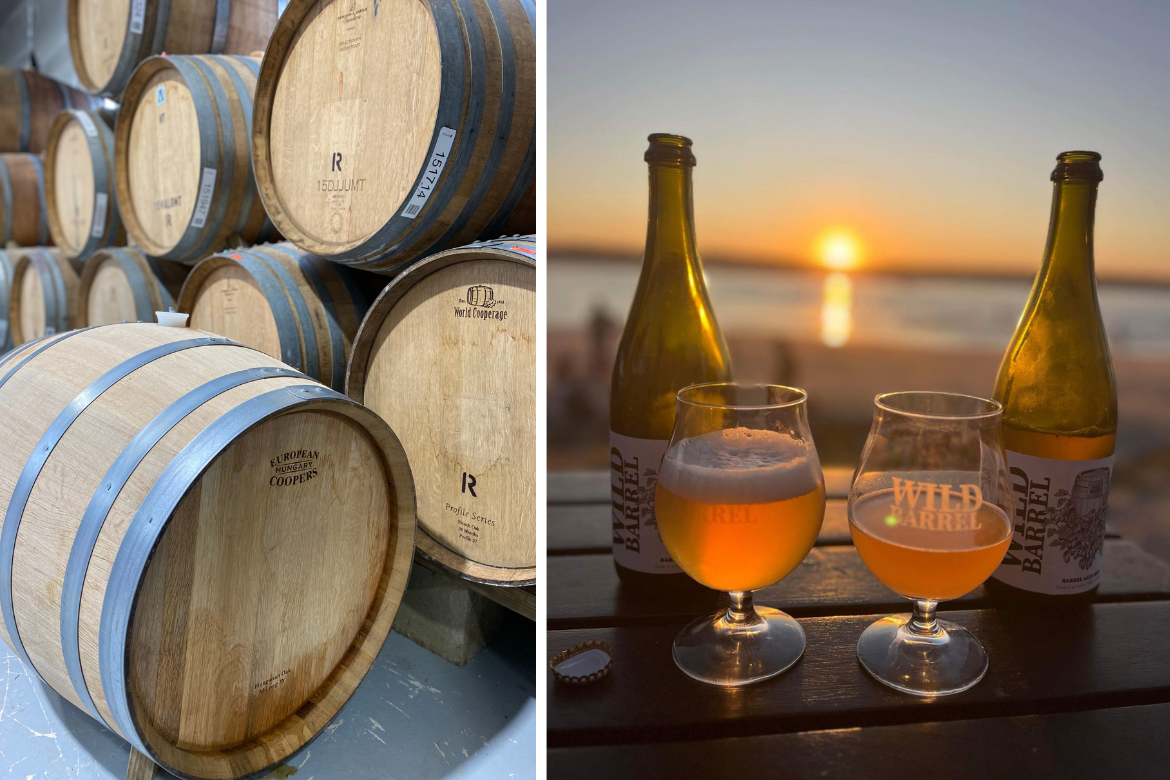
Who Brews Wild Barrel Beers? - The Crafty Pint

Yeast’s Subtle Personality Markers

While some yeast influences are bold and obvious, many are subtle yet crucial to beer’s identity. These include:

  • Mouthfeel modifiers: Some yeasts produce glycerol, adding richness and smoothness. Others create dryness by consuming more sugars.
  • Carbonation nuances: Yeast can affect bubble size and perception of fizziness, altering perceived crispness.
  • Alcohol perception: Certain strains mask or amplify ethanol warmth, subtly changing the beer’s personality.
  • Aging potential: Some yeasts allow beers to evolve gracefully over months or years; others produce beers best consumed fresh.

These small adjustments often define whether a beer feels playful, serious, fruity, or elegant.


Yeast and Beer Style Expression

Different beer styles rely on yeast to define their identity:

  • IPAs: Often paired with clean ale yeast to let hop bitterness and aroma dominate. Subtle esters may enhance fruitiness without overwhelming.
  • Stouts and Porters: Yeast contributes smoothness, subtle chocolate, and roasted notes, balancing heavy malts.
  • Saisons: Yeast is the star, producing peppery, citrusy, and funky notes that define the style.
  • Lambics and Gueuzes: Wild yeast shapes the evolving tart and complex personality, with Saccharomyces providing fermentation backbone and Brett/Lacto adding character.

Yeast isn’t just an ingredient; it’s the style’s signature. Switching yeast in a recipe often transforms the beer into a completely new category, even if malt and hops remain the same.


Beyond Flavor: Yeast and Beer Culture

Yeast also shapes beer culture. Regional yeast strains give beers a local identity. For example:

  • Belgium: Iconic yeast strains define Trappist beers, creating profiles recognized worldwide.
  • Germany: Lager yeasts contribute to clean, crisp beers emblematic of German brewing tradition.
  • America: Neutral, versatile yeast strains support the explosion of hop-forward craft beers.

Even the tiniest microbial differences can carry centuries of tradition, making yeast a bridge between science and heritage.


Yeast Management: Professional Secrets

Professional brewers treat yeast like a prized pet. Handling affects performance and personality:

  • Propagation: Building healthy starter cultures ensures consistent fermentation.
  • Pitching rates: Too little yeast risks off-flavors; too much can mute character.
  • Oxygenation: Yeast needs oxygen early to grow properly; insufficient oxygen can stress cells and produce undesirable flavors.
  • Harvesting and reuse: Many breweries reuse yeast, which evolves subtly with each generation, adding layers of character over time.

Even small changes in yeast management can significantly alter a beer’s personality, proving the maxim: yeast is both artist and scientist.


Conclusion: The Microbe That Defines Character

From subtle floral notes to bold tropical esters, from crisp lagers to funky sours, yeast shapes beer more than almost any other ingredient. Selecting the right strain, managing fermentation conditions, and understanding microbial behavior allows brewers to craft beers with unique, consistent, and expressive personalities.

So, can yeast choice change a beer’s personality? Absolutely. Yeast doesn’t just ferment sugar—it imbues life, depth, and character. The next time you savor a beer, remember that its essence is invisible to the eye yet impossible to ignore to the palate. The right yeast doesn’t just complete a beer—it defines it.

Tags: beerfermentationflavor
ShareTweetShare

Related Posts

Can Beer Be an Effective Ingredient in Culinary Cooking?
ALL

Can Beer Be an Effective Ingredient in Culinary Cooking?

January 22, 2026
Second Fermentation in Champagne: Is It Really That Crucial?
ALL

Second Fermentation in Champagne: Is It Really That Crucial?

January 22, 2026
How Do Different Grains Impact the Flavor Profile of Distilled Spirits?
ALL

How Do Different Grains Impact the Flavor Profile of Distilled Spirits?

January 22, 2026
How Do Whiskey Master Blenders Create Perfection?
ALL

How Do Whiskey Master Blenders Create Perfection?

January 22, 2026
Wine Pairings: Can They Change the Flavor Profile of a Dish?
ALL

Wine Pairings: Can They Change the Flavor Profile of a Dish?

January 22, 2026
Beer the Ultimate Beverage for Pairing with Spicy Food?
ALL

Beer the Ultimate Beverage for Pairing with Spicy Food?

January 21, 2026
Leave Comment
  • Trending
  • Comments
  • Latest
What Hidden Craftsmanship Lies Behind a Bottle of Quality Grain Spirits?

What Hidden Craftsmanship Lies Behind a Bottle of Quality Grain Spirits?

July 3, 2025
How Is Champagne Made? The Secrets Behind the Sparkle

How Is Champagne Made? The Secrets Behind the Sparkle

April 15, 2025
Grain Spirits vs. Traditional Distilled Spirits: Which One Suits Your Taste?

Grain Spirits vs. Traditional Distilled Spirits: Which One Suits Your Taste?

July 3, 2025
Champagne Bubbles: How Do They Perfectly Convey Celebration, Joy, and Luxury?

Champagne Bubbles: How Do They Perfectly Convey Celebration, Joy, and Luxury?

July 2, 2025
The Timeless Elegance of Wine: A Journey Through History and Culture

The Timeless Elegance of Wine: A Journey Through History and Culture

Why Is Château Lafite Rothschild the Pinnacle of Fine Wine?

Why Is Château Lafite Rothschild the Pinnacle of Fine Wine?

How Did Château Lafite Rothschild Become a Global Icon of Luxury?

How Did Château Lafite Rothschild Become a Global Icon of Luxury?

What Makes Chateau Lafite Rothschild the Pinnacle of Bordeaux Wines?

What Makes Chateau Lafite Rothschild the Pinnacle of Bordeaux Wines?

Can Beer Be an Effective Ingredient in Culinary Cooking?

Can Beer Be an Effective Ingredient in Culinary Cooking?

January 22, 2026
Second Fermentation in Champagne: Is It Really That Crucial?

Second Fermentation in Champagne: Is It Really That Crucial?

January 22, 2026
How Do Different Grains Impact the Flavor Profile of Distilled Spirits?

How Do Different Grains Impact the Flavor Profile of Distilled Spirits?

January 22, 2026
How Do Whiskey Master Blenders Create Perfection?

How Do Whiskey Master Blenders Create Perfection?

January 22, 2026
SipsavorLife

Welcome to our comprehensive beverage guide, where you can explore the fascinating world of alcoholic drinks. From exquisite wines and rich whiskeys to refreshing beers and sparkling champagnes, we provide insights, tips, and recommendations for enthusiasts and casual drinkers alike. Discover your next favorite libation with us!

© 2025 sipsavorlife.com. contacts:sipsavorlife-35376@gmail.com

No Result
View All Result
  • Home
  • Wine
  • Whiskey
  • Beer
  • Grain Spirits
  • Champagne
  • ALL

© 2025 sipsavorlife.com. contacts:sipsavorlife-35376@gmail.com

Welcome Back!

Login to your account below

Forgotten Password?

Retrieve your password

Please enter your username or email address to reset your password.

Log In