






























SipsavorLife
  • Home
  • Wine
    The History, Culture, and Global Influence of Humanity’s Most Celebrated Beverage

    The Wine Revolution: How Modern Winemaking Transformed a Global Industry

    The History, Culture, and Global Influence of Humanity’s Most Celebrated Beverage

    Wine Styles of the World: A Complete Guide to Red, White, Rosé, Sparkling, and Fortified Wines

    The History, Culture, and Global Influence of Humanity’s Most Celebrated Beverage

    The Global Wine Industry: Markets, Trade, Tourism, and Economic Impact

    The History, Culture, and Global Influence of Humanity’s Most Celebrated Beverage

    The Science of Wine: Grapes, Fermentation, and Flavor Development

    The History, Culture, and Global Influence of Humanity’s Most Celebrated Beverage

    The History, Culture, and Global Influence of Humanity’s Most Celebrated Beverage

    The Cultural History of Wine: From Ancient Rituals to Modern Luxury

    The Psychology of Wine: Why Humans Associate Wine with Emotion, Memory, and Identity

  • Whiskey
    Can Beer Be an Effective Ingredient in Culinary Cooking?

    Can Beer Be an Effective Ingredient in Culinary Cooking?

    Second Fermentation in Champagne: Is It Really That Crucial?

    Second Fermentation in Champagne: Is It Really That Crucial?

    How Do Different Grains Impact the Flavor Profile of Distilled Spirits?

    How Do Different Grains Impact the Flavor Profile of Distilled Spirits?

    How Do Whiskey Master Blenders Create Perfection?

    How Do Whiskey Master Blenders Create Perfection?

    Wine Pairings: Can They Change the Flavor Profile of a Dish?

    Wine Pairings: Can They Change the Flavor Profile of a Dish?

    Beer the Ultimate Beverage for Pairing with Spicy Food?

    Beer the Ultimate Beverage for Pairing with Spicy Food?

  • Beer
    Malt Beer: Why Does Its Sweet Malty Aroma Always Bring Endless Satisfaction?

    The Craft Beer Revolution: How Independent Breweries Changed the World of Beer

    Beer: The World’s Oldest and Most Influential Beverage

    Beer Styles of the World: A Complete Guide to Lager, Ale, Stout, IPA, and Beyond

    Beer: The World’s Oldest and Most Influential Beverage

    The Global Beer Industry: Markets, Brands, and Economic Impact

    Beer: The World’s Oldest and Most Influential Beverage

    The Science of Beer: Ingredients, Fermentation, and Flavor

    Beer: The World’s Oldest and Most Influential Beverage

    Beer: The World’s Oldest and Most Influential Beverage

    Beer as a Cultural and Social Force: From Ancient Brew to Modern Identity

    Women in Brewing: The Untold History and Modern Transformation of Beer Culture

  • Grain Spirits
    Grain Spirits: The Origins, Science, and Global Evolution of Distilled Grain Alcohol

    Bourbon: America’s Native Grain Spirit and the Global Story of Corn, Oak, Fire, and Time

    Grain Spirits: The Origins, Science, and Global Evolution of Distilled Grain Alcohol

    Gin: Botanicals, History, Cocktail Culture, and the Artistic Evolution of the World’s Most Aromatic Grain Spirit

    Grain Spirits: The Origins, Science, and Global Evolution of Distilled Grain Alcohol

    Vodka: The Global Rise of the World’s Most Versatile Grain Spirit

    Grain Spirits: The Origins, Science, and Global Evolution of Distilled Grain Alcohol

    Whiskey and the Soul of Grain Spirits: History, Craftsmanship, Culture, and the Global Rise of the World’s Most Iconic Distilled Grain Beverage

    Grain Spirits: The Origins, Science, and Global Evolution of Distilled Grain Alcohol

    Grain Spirits: The Origins, Science, and Global Evolution of Distilled Grain Alcohol

    Grain Spirits Explained — The Foundation of Global Distillation

    The Future of Grain Spirits — Technology, Sustainability, and the Next Era of Distillation

  • Champagne
    Champagne: The Sparkling Wine That Changed Global Celebration Culture

    Dom Pérignon, Cristal, Krug, and Beyond: The World’s Most Famous Champagne Houses and Their Legacy

    Champagne Beyond Celebration: The History, Craftsmanship, and Global Influence of the World’s Most Iconic Sparkling Wine

    The Future of Champagne: Climate Change, Innovation, Sustainability, and the Next Era of Sparkling Wine

    Champagne Beyond Celebration: The History, Craftsmanship, and Global Influence of the World’s Most Iconic Sparkling Wine

    Champagne and Luxury Culture: How Sparkling Wine Became a Global Symbol of Wealth, Celebration, and Prestige

    Champagne Beyond Celebration: The History, Craftsmanship, and Global Influence of the World’s Most Iconic Sparkling Wine

    The Art of Champagne Production: Inside the Science, Skill, and Tradition Behind Every Bottle

    Champagne Beyond Celebration: The History, Craftsmanship, and Global Influence of the World’s Most Iconic Sparkling Wine

    Champagne Beyond Celebration: The History, Craftsmanship, and Global Influence of the World’s Most Iconic Sparkling Wine

    Champagne: The Sparkling Wine That Changed Global Celebration Culture

    Champagne vs Prosecco vs Cava: How the World’s Sparkling Wines Reflect Culture, Geography, and Taste

  • ALL
    Can Beer Be an Effective Ingredient in Culinary Cooking?

    Can Beer Be an Effective Ingredient in Culinary Cooking?

    Second Fermentation in Champagne: Is It Really That Crucial?

    Second Fermentation in Champagne: Is It Really That Crucial?

    How Do Different Grains Impact the Flavor Profile of Distilled Spirits?

    How Do Different Grains Impact the Flavor Profile of Distilled Spirits?

    How Do Whiskey Master Blenders Create Perfection?

    How Do Whiskey Master Blenders Create Perfection?

    Wine Pairings: Can They Change the Flavor Profile of a Dish?

    Wine Pairings: Can They Change the Flavor Profile of a Dish?

    Beer the Ultimate Beverage for Pairing with Spicy Food?

    Beer the Ultimate Beverage for Pairing with Spicy Food?

SipsavorLife
  • Home
  • Wine
    The History, Culture, and Global Influence of Humanity’s Most Celebrated Beverage

    The Wine Revolution: How Modern Winemaking Transformed a Global Industry

    The History, Culture, and Global Influence of Humanity’s Most Celebrated Beverage

    Wine Styles of the World: A Complete Guide to Red, White, Rosé, Sparkling, and Fortified Wines

    The History, Culture, and Global Influence of Humanity’s Most Celebrated Beverage

    The Global Wine Industry: Markets, Trade, Tourism, and Economic Impact

    The History, Culture, and Global Influence of Humanity’s Most Celebrated Beverage

    The Science of Wine: Grapes, Fermentation, and Flavor Development

    The History, Culture, and Global Influence of Humanity’s Most Celebrated Beverage

    The History, Culture, and Global Influence of Humanity’s Most Celebrated Beverage

    The Cultural History of Wine: From Ancient Rituals to Modern Luxury

    The Psychology of Wine: Why Humans Associate Wine with Emotion, Memory, and Identity

  • Whiskey
    Can Beer Be an Effective Ingredient in Culinary Cooking?

    Can Beer Be an Effective Ingredient in Culinary Cooking?

    Second Fermentation in Champagne: Is It Really That Crucial?

    Second Fermentation in Champagne: Is It Really That Crucial?

    How Do Different Grains Impact the Flavor Profile of Distilled Spirits?

    How Do Different Grains Impact the Flavor Profile of Distilled Spirits?

    How Do Whiskey Master Blenders Create Perfection?

    How Do Whiskey Master Blenders Create Perfection?

    Wine Pairings: Can They Change the Flavor Profile of a Dish?

    Wine Pairings: Can They Change the Flavor Profile of a Dish?

    Beer the Ultimate Beverage for Pairing with Spicy Food?

    Beer the Ultimate Beverage for Pairing with Spicy Food?

  • Beer
    Malt Beer: Why Does Its Sweet Malty Aroma Always Bring Endless Satisfaction?

    The Craft Beer Revolution: How Independent Breweries Changed the World of Beer

    Beer: The World’s Oldest and Most Influential Beverage

    Beer Styles of the World: A Complete Guide to Lager, Ale, Stout, IPA, and Beyond

    Beer: The World’s Oldest and Most Influential Beverage

    The Global Beer Industry: Markets, Brands, and Economic Impact

    Beer: The World’s Oldest and Most Influential Beverage

    The Science of Beer: Ingredients, Fermentation, and Flavor

    Beer: The World’s Oldest and Most Influential Beverage

    Beer: The World’s Oldest and Most Influential Beverage

    Beer as a Cultural and Social Force: From Ancient Brew to Modern Identity

    Women in Brewing: The Untold History and Modern Transformation of Beer Culture

  • Grain Spirits
    Grain Spirits: The Origins, Science, and Global Evolution of Distilled Grain Alcohol

    Bourbon: America’s Native Grain Spirit and the Global Story of Corn, Oak, Fire, and Time

    Grain Spirits: The Origins, Science, and Global Evolution of Distilled Grain Alcohol

    Gin: Botanicals, History, Cocktail Culture, and the Artistic Evolution of the World’s Most Aromatic Grain Spirit

    Grain Spirits: The Origins, Science, and Global Evolution of Distilled Grain Alcohol

    Vodka: The Global Rise of the World’s Most Versatile Grain Spirit

    Grain Spirits: The Origins, Science, and Global Evolution of Distilled Grain Alcohol

    Whiskey and the Soul of Grain Spirits: History, Craftsmanship, Culture, and the Global Rise of the World’s Most Iconic Distilled Grain Beverage

    Grain Spirits: The Origins, Science, and Global Evolution of Distilled Grain Alcohol

    Grain Spirits: The Origins, Science, and Global Evolution of Distilled Grain Alcohol

    Grain Spirits Explained — The Foundation of Global Distillation

    The Future of Grain Spirits — Technology, Sustainability, and the Next Era of Distillation

  • Champagne
    Champagne: The Sparkling Wine That Changed Global Celebration Culture

    Dom Pérignon, Cristal, Krug, and Beyond: The World’s Most Famous Champagne Houses and Their Legacy

    Champagne Beyond Celebration: The History, Craftsmanship, and Global Influence of the World’s Most Iconic Sparkling Wine

    The Future of Champagne: Climate Change, Innovation, Sustainability, and the Next Era of Sparkling Wine

    Champagne Beyond Celebration: The History, Craftsmanship, and Global Influence of the World’s Most Iconic Sparkling Wine

    Champagne and Luxury Culture: How Sparkling Wine Became a Global Symbol of Wealth, Celebration, and Prestige

    Champagne Beyond Celebration: The History, Craftsmanship, and Global Influence of the World’s Most Iconic Sparkling Wine

    The Art of Champagne Production: Inside the Science, Skill, and Tradition Behind Every Bottle

    Champagne Beyond Celebration: The History, Craftsmanship, and Global Influence of the World’s Most Iconic Sparkling Wine

    Champagne Beyond Celebration: The History, Craftsmanship, and Global Influence of the World’s Most Iconic Sparkling Wine

    Champagne: The Sparkling Wine That Changed Global Celebration Culture

    Champagne vs Prosecco vs Cava: How the World’s Sparkling Wines Reflect Culture, Geography, and Taste

  • ALL
    Can Beer Be an Effective Ingredient in Culinary Cooking?

    Can Beer Be an Effective Ingredient in Culinary Cooking?

    Second Fermentation in Champagne: Is It Really That Crucial?

    Second Fermentation in Champagne: Is It Really That Crucial?

    How Do Different Grains Impact the Flavor Profile of Distilled Spirits?

    How Do Different Grains Impact the Flavor Profile of Distilled Spirits?

    How Do Whiskey Master Blenders Create Perfection?

    How Do Whiskey Master Blenders Create Perfection?

    Wine Pairings: Can They Change the Flavor Profile of a Dish?

    Wine Pairings: Can They Change the Flavor Profile of a Dish?

    Beer the Ultimate Beverage for Pairing with Spicy Food?

    Beer the Ultimate Beverage for Pairing with Spicy Food?

SipsavorLife
No Result
View All Result
Home ALL

What Are the Different Types of Champagne and How Do They Taste?

March 28, 2025
in ALL, Champagne
What Are the Different Types of Champagne and How Do They Taste?

Champagne, a symbol of luxury and celebration, is not a one-size-fits-all wine. It comes in various styles and sweetness levels, each offering unique tasting experiences. Whether it’s the dry and crisp profile of Brut or the sweeter, more approachable notes of Demi-Sec, Champagne offers a diverse range of flavors to suit every palate. In this article, we will explore the different types of Champagne, what makes them unique, and how dosage and sweetness levels influence their flavor.

The Basics of Champagne Classification

Before diving into the different types of Champagne, it’s essential to understand the basic classification of Champagne, which primarily revolves around two factors: dosage and grape composition. The dosage refers to the sugar added to Champagne after the second fermentation (during disgorging), while the grape composition refers to the types of grapes used to produce the Champagne. This classification helps determine the taste, texture, and overall experience of each Champagne style.

There are several primary types of Champagne based on their sweetness levels, grape varieties, and production methods. Each type has its unique characteristics, appealing to different taste preferences. Let’s explore the most common types of Champagne, how they differ, and how they taste.

1. Brut Champagne: The Most Popular Style

Brut Champagne is the most popular and widely consumed style of Champagne. Known for its dry character, it has minimal sugar added during dosage, resulting in a crisp, refreshing, and clean taste. Brut Champagne is often the go-to choice for most occasions, from casual celebrations to formal events.

Taste Profile of Brut Champagne

Brut Champagne typically offers flavors of green apple, lemon, and citrus fruits, accompanied by a subtle minerality. Due to the minimal sugar added, Brut Champagne can sometimes have a slight bitterness, balanced with the natural acidity from the fermentation process. The bubbles in Brut Champagne are usually fine and persistent, contributing to a lively and refreshing mouthfeel.

The dryness of Brut Champagne makes it an excellent choice for pairing with a wide variety of foods, including seafood, oysters, charcuterie, and light appetizers. This versatility is one of the reasons why Brut Champagne is so popular worldwide.

2. Extra Brut Champagne: Even Drier Than Brut

Extra Brut Champagne is even drier than Brut, with little to no sugar added during dosage. It is a great option for those who prefer a more bone-dry, crisp Champagne with a sharper profile. While still maintaining the elegance and effervescence of Champagne, Extra Brut is characterized by a clean, slightly austere taste.

Taste Profile of Extra Brut Champagne

Extra Brut Champagne showcases a pronounced acidity with flavors of tart green apple, lemon zest, and often, a touch of saline or mineral notes. The lack of sweetness allows the wine’s natural acidity and structure to shine, making it feel sharper on the palate than Brut Champagne.

This style of Champagne is ideal for those who enjoy wines with a less fruity, more crisp character. It pairs beautifully with salty or savory foods like caviar, smoked salmon, and various hard cheeses. Extra Brut Champagne can also be a good choice for those who prefer a more understated, refined drinking experience.

3. Demi-Sec Champagne: The Sweet Option

Demi-Sec Champagne is a much sweeter style compared to Brut and Extra Brut. The sweetness comes from the higher dosage of sugar added after fermentation. This style of Champagne is perfect for those who enjoy a touch of sweetness and a rounder, richer mouthfeel.

Taste Profile of Demi-Sec Champagne

Demi-Sec Champagne offers flavors of ripe stone fruits such as peach, apricot, and pear, along with honeyed notes and a creamy texture. The added sweetness balances the natural acidity of the wine, making it softer and more approachable. It has a smooth, round profile that makes it a good choice for those who find dry Champagnes too sharp.

Demi-Sec Champagne pairs wonderfully with sweeter foods, such as fruit-based desserts, pastries, and soft cheeses like brie or camembert. It is also excellent with foie gras, where the sweetness of the wine complements the richness of the dish.

4. Blanc de Blancs Champagne: 100% Chardonnay

Blanc de Blancs Champagne is made exclusively from Chardonnay grapes, which gives it a distinctive, elegant style. This style is often considered the “purest” expression of Champagne, showcasing the finesse and delicate nature of the Chardonnay grape. Blanc de Blancs is typically dry or extra dry, though some sweeter versions exist.

Taste Profile of Blanc de Blancs Champagne

Blanc de Blancs Champagne is known for its light, fresh, and floral character. It often features notes of white flowers, citrus zest, green apple, and a touch of almond or brioche. Due to the use of only Chardonnay, Blanc de Blancs Champagnes tend to have a higher level of acidity, which gives them a crisp, refreshing finish.

Blanc de Blancs is an excellent choice for pairing with delicate dishes such as sushi, shellfish, and light seafood preparations. Its freshness also complements salads and vegetable-based dishes.
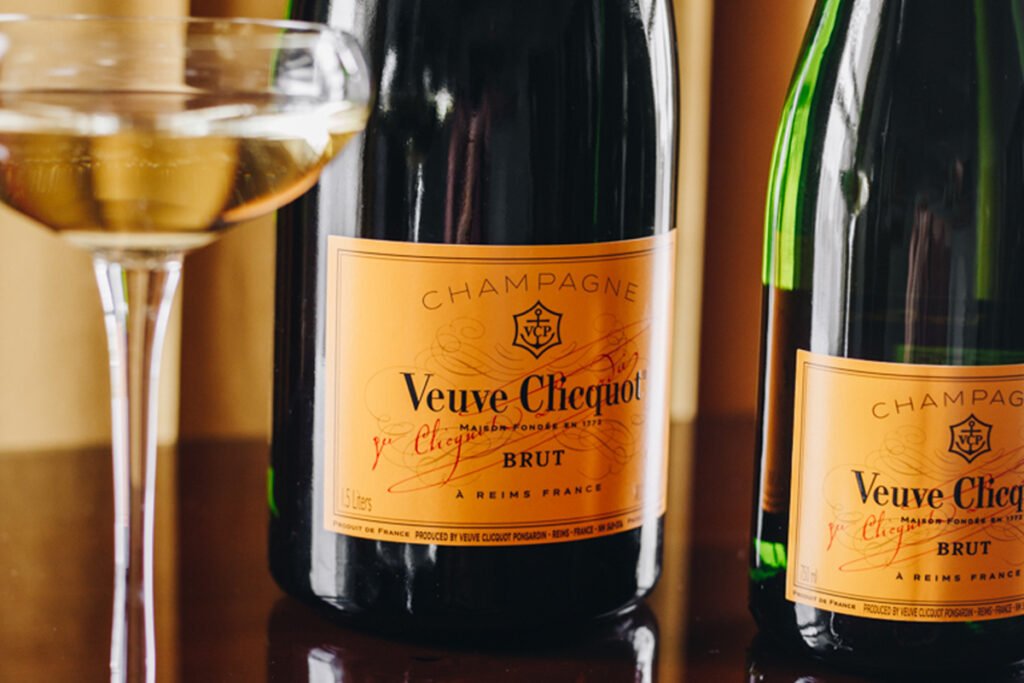
5. Blanc de Noirs Champagne: 100% Pinot Noir and/or Pinot Meunier

In contrast to Blanc de Blancs, Blanc de Noirs Champagne is made entirely from Pinot Noir and/or Pinot Meunier grapes. These black grape varieties contribute more structure, body, and richness to the wine, resulting in a fuller, more robust Champagne.

Taste Profile of Blanc de Noirs Champagne

Blanc de Noirs Champagne offers richer, more complex flavors compared to Blanc de Blancs. Expect notes of red fruits like raspberry, cherry, and strawberry, alongside a deeper, more intense character with hints of spice, toast, and sometimes a slight earthiness. The wine’s body tends to be fuller, with a rounder mouthfeel that’s less acidic than Blanc de Blancs.

This Champagne style pairs beautifully with richer foods like roasted meats, grilled vegetables, and hard cheeses such as cheddar or gouda. Its depth of flavor makes it a fantastic choice for those seeking a more substantial Champagne experience.

6. Rosé Champagne: A Hint of Color and Fruitiness

Rosé Champagne is made by blending red wine with white Champagne, or by allowing the skins of red grapes to stay in contact with the juice for a short period during fermentation. The result is a pink or light red Champagne that carries the fruity flavors of red berries, combined with the crispness and freshness of traditional Champagne.

Taste Profile of Rosé Champagne

Rosé Champagne often displays flavors of wild strawberries, raspberries, cherries, and even a hint of spice or floral notes. The light pink color adds a visual appeal, while the fruitiness adds a layer of complexity and softness to the wine. While it can be either dry or sweet, most Rosé Champagnes are made in a style similar to Brut, with a crisp, refreshing finish.

Rosé Champagne pairs beautifully with a variety of foods, particularly those that have a slightly sweet or savory element, such as duck, roasted poultry, or even dark chocolate desserts. Its versatility makes it a crowd-pleaser for both casual and formal occasions.

7. Vintage Champagne: A Wine of Exceptional Years

Vintage Champagne is made from grapes harvested in a single, exceptional year. The best Champagne houses release Vintage Champagne only in years when the harvest is deemed to have met the highest standards. These wines are typically aged for longer periods than non-vintage Champagne, contributing to their complexity and depth of flavor.

Taste Profile of Vintage Champagne

Vintage Champagne offers an extraordinary range of flavors and aromas, often reflecting the specific conditions of the year in which the grapes were harvested. These Champagnes are typically more complex, with richer flavors of honey, baked bread, toasted nuts, and ripe fruit. Over time, the wine’s character develops even further, offering secondary notes of brioche, hazelnut, and subtle spice.

Vintage Champagne pairs excellently with fine dining and rich dishes such as lobster, truffle risotto, or foie gras. Its complexity makes it an exceptional wine to savor and appreciate.

How Dosage and Sweetness Levels Affect Champagne Flavor

The dosage refers to the amount of sugar added during the Champagne’s final stage of production (after disgorging), which plays a pivotal role in the final taste of the Champagne. The dosage is measured in grams per liter, and different dosage levels give Champagne varying sweetness levels. Here are the main categories of Champagne based on sweetness:

  1. Brut Nature (No sugar added)
  2. Extra Brut (Very little sugar)
  3. Brut (A small amount of sugar)
  4. Extra Dry (A moderate amount of sugar)
  5. Sec (A higher level of sweetness)
  6. Demi-Sec (A significantly sweeter Champagne)
  7. Doux (The sweetest Champagne)

The higher the dosage, the sweeter the Champagne, which can soften the acidity and create a fuller, more approachable taste. Lower dosages result in drier, more acidic Champagne that emphasizes freshness and crispness. This variance allows Champagne lovers to select a style that best fits their palate or the occasion.

Conclusion

Champagne is a diverse and dynamic beverage, offering a wide range of styles and flavors to suit every taste preference. Whether you prefer the bone-dry crispness of Brut Champagne, the rich and fruity profile of Rosé, or the sweetness of Demi-Sec, there is a Champagne to match every occasion and mood. Understanding the different types of Champagne, their taste profiles, and how dosage affects their flavor helps wine lovers appreciate the complexity and artistry involved in creating each bottle. Whether celebrating a special moment or enjoying a quiet evening, Champagne remains the quintessential drink for any occasion.


Tags: Blanc de BlancsBrut ChampagneDemi-Sec ChampagneExtra Brut ChampagneTypes of Champagne
ShareTweetShare

Related Posts

Champagne: The Sparkling Wine That Changed Global Celebration Culture
Champagne

Dom Pérignon, Cristal, Krug, and Beyond: The World’s Most Famous Champagne Houses and Their Legacy

May 27, 2026
Champagne Beyond Celebration: The History, Craftsmanship, and Global Influence of the World’s Most Iconic Sparkling Wine
Champagne

The Future of Champagne: Climate Change, Innovation, Sustainability, and the Next Era of Sparkling Wine

May 27, 2026
Champagne Beyond Celebration: The History, Craftsmanship, and Global Influence of the World’s Most Iconic Sparkling Wine
Champagne

Champagne and Luxury Culture: How Sparkling Wine Became a Global Symbol of Wealth, Celebration, and Prestige

May 27, 2026
Champagne Beyond Celebration: The History, Craftsmanship, and Global Influence of the World’s Most Iconic Sparkling Wine
Champagne

The Art of Champagne Production: Inside the Science, Skill, and Tradition Behind Every Bottle

May 27, 2026
Champagne Beyond Celebration: The History, Craftsmanship, and Global Influence of the World’s Most Iconic Sparkling Wine
Champagne

Champagne Beyond Celebration: The History, Craftsmanship, and Global Influence of the World’s Most Iconic Sparkling Wine

May 27, 2026
Champagne: The Sparkling Wine That Changed Global Celebration Culture
Champagne

Champagne vs Prosecco vs Cava: How the World’s Sparkling Wines Reflect Culture, Geography, and Taste

May 24, 2026
Leave Comment
  • Trending
  • Comments
  • Latest
Role of Terroir in Champagne Production

Role of Terroir in Champagne Production

January 19, 2026
Champagne Can Be Aged in Wood?

Champagne Can Be Aged in Wood?

January 18, 2026
Is Organic Wine Healthier Than Conventional Wine?

Is Organic Wine Healthier Than Conventional Wine?

January 20, 2026
Why Do Some Champagnes Use a High Proportion of Pinot Meunier?

Why Do Some Champagnes Use a High Proportion of Pinot Meunier?

January 20, 2026
The Timeless Elegance of Wine: A Journey Through History and Culture

The Timeless Elegance of Wine: A Journey Through History and Culture

Why Is Château Lafite Rothschild the Pinnacle of Fine Wine?

Why Is Château Lafite Rothschild the Pinnacle of Fine Wine?

How Did Château Lafite Rothschild Become a Global Icon of Luxury?

How Did Château Lafite Rothschild Become a Global Icon of Luxury?

What Makes Chateau Lafite Rothschild the Pinnacle of Bordeaux Wines?

What Makes Chateau Lafite Rothschild the Pinnacle of Bordeaux Wines?

The History, Culture, and Global Influence of Humanity’s Most Celebrated Beverage

The Wine Revolution: How Modern Winemaking Transformed a Global Industry

June 3, 2026
The History, Culture, and Global Influence of Humanity’s Most Celebrated Beverage

Wine Styles of the World: A Complete Guide to Red, White, Rosé, Sparkling, and Fortified Wines

June 3, 2026
The History, Culture, and Global Influence of Humanity’s Most Celebrated Beverage

The Global Wine Industry: Markets, Trade, Tourism, and Economic Impact

June 3, 2026
The History, Culture, and Global Influence of Humanity’s Most Celebrated Beverage

The Science of Wine: Grapes, Fermentation, and Flavor Development

June 3, 2026
SipsavorLife

Welcome to our comprehensive beverage guide, where you can explore the fascinating world of alcoholic drinks. From exquisite wines and rich whiskeys to refreshing beers and sparkling champagnes, we provide insights, tips, and recommendations for enthusiasts and casual drinkers alike. Discover your next favorite libation with us!

© 2025 sipsavorlife.com. contacts:sipsavorlife-35376@gmail.com

No Result
View All Result
  • Home
  • Wine
  • Whiskey
  • Beer
  • Grain Spirits
  • Champagne
  • ALL

© 2025 sipsavorlife.com. contacts:sipsavorlife-35376@gmail.com

Welcome Back!

Login to your account below

Forgotten Password?

Retrieve your password

Please enter your username or email address to reset your password.

Log In





