
















SipsavorLife
  • Home
  • Wine
    The History, Culture, and Global Influence of Humanity’s Most Celebrated Beverage

    The Wine Revolution: How Modern Winemaking Transformed a Global Industry

    The History, Culture, and Global Influence of Humanity’s Most Celebrated Beverage

    Wine Styles of the World: A Complete Guide to Red, White, Rosé, Sparkling, and Fortified Wines

    The History, Culture, and Global Influence of Humanity’s Most Celebrated Beverage

    The Global Wine Industry: Markets, Trade, Tourism, and Economic Impact

    The History, Culture, and Global Influence of Humanity’s Most Celebrated Beverage

    The Science of Wine: Grapes, Fermentation, and Flavor Development

    The History, Culture, and Global Influence of Humanity’s Most Celebrated Beverage

    The History, Culture, and Global Influence of Humanity’s Most Celebrated Beverage

    The Cultural History of Wine: From Ancient Rituals to Modern Luxury

    The Psychology of Wine: Why Humans Associate Wine with Emotion, Memory, and Identity

  • Whiskey
    Can Beer Be an Effective Ingredient in Culinary Cooking?

    Can Beer Be an Effective Ingredient in Culinary Cooking?

    Second Fermentation in Champagne: Is It Really That Crucial?

    Second Fermentation in Champagne: Is It Really That Crucial?

    How Do Different Grains Impact the Flavor Profile of Distilled Spirits?

    How Do Different Grains Impact the Flavor Profile of Distilled Spirits?

    How Do Whiskey Master Blenders Create Perfection?

    How Do Whiskey Master Blenders Create Perfection?

    Wine Pairings: Can They Change the Flavor Profile of a Dish?

    Wine Pairings: Can They Change the Flavor Profile of a Dish?

    Beer the Ultimate Beverage for Pairing with Spicy Food?

    Beer the Ultimate Beverage for Pairing with Spicy Food?

  • Beer
    Malt Beer: Why Does Its Sweet Malty Aroma Always Bring Endless Satisfaction?

    The Craft Beer Revolution: How Independent Breweries Changed the World of Beer

    Beer: The World’s Oldest and Most Influential Beverage

    Beer Styles of the World: A Complete Guide to Lager, Ale, Stout, IPA, and Beyond

    Beer: The World’s Oldest and Most Influential Beverage

    The Global Beer Industry: Markets, Brands, and Economic Impact

    Beer: The World’s Oldest and Most Influential Beverage

    The Science of Beer: Ingredients, Fermentation, and Flavor

    Beer: The World’s Oldest and Most Influential Beverage

    Beer: The World’s Oldest and Most Influential Beverage

    Beer as a Cultural and Social Force: From Ancient Brew to Modern Identity

    Women in Brewing: The Untold History and Modern Transformation of Beer Culture

  • Grain Spirits
    Grain Spirits: The Origins, Science, and Global Evolution of Distilled Grain Alcohol

    Bourbon: America’s Native Grain Spirit and the Global Story of Corn, Oak, Fire, and Time

    Grain Spirits: The Origins, Science, and Global Evolution of Distilled Grain Alcohol

    Gin: Botanicals, History, Cocktail Culture, and the Artistic Evolution of the World’s Most Aromatic Grain Spirit

    Grain Spirits: The Origins, Science, and Global Evolution of Distilled Grain Alcohol

    Vodka: The Global Rise of the World’s Most Versatile Grain Spirit

    Grain Spirits: The Origins, Science, and Global Evolution of Distilled Grain Alcohol

    Whiskey and the Soul of Grain Spirits: History, Craftsmanship, Culture, and the Global Rise of the World’s Most Iconic Distilled Grain Beverage

    Grain Spirits: The Origins, Science, and Global Evolution of Distilled Grain Alcohol

    Grain Spirits: The Origins, Science, and Global Evolution of Distilled Grain Alcohol

    Grain Spirits Explained — The Foundation of Global Distillation

    The Future of Grain Spirits — Technology, Sustainability, and the Next Era of Distillation

  • Champagne
    Champagne: The Sparkling Wine That Changed Global Celebration Culture

    Dom Pérignon, Cristal, Krug, and Beyond: The World’s Most Famous Champagne Houses and Their Legacy

    Champagne Beyond Celebration: The History, Craftsmanship, and Global Influence of the World’s Most Iconic Sparkling Wine

    The Future of Champagne: Climate Change, Innovation, Sustainability, and the Next Era of Sparkling Wine

    Champagne Beyond Celebration: The History, Craftsmanship, and Global Influence of the World’s Most Iconic Sparkling Wine

    Champagne and Luxury Culture: How Sparkling Wine Became a Global Symbol of Wealth, Celebration, and Prestige

    Champagne Beyond Celebration: The History, Craftsmanship, and Global Influence of the World’s Most Iconic Sparkling Wine

    The Art of Champagne Production: Inside the Science, Skill, and Tradition Behind Every Bottle

    Champagne Beyond Celebration: The History, Craftsmanship, and Global Influence of the World’s Most Iconic Sparkling Wine

    Champagne Beyond Celebration: The History, Craftsmanship, and Global Influence of the World’s Most Iconic Sparkling Wine

    Champagne: The Sparkling Wine That Changed Global Celebration Culture

    Champagne vs Prosecco vs Cava: How the World’s Sparkling Wines Reflect Culture, Geography, and Taste

  • ALL
    Can Beer Be an Effective Ingredient in Culinary Cooking?

    Can Beer Be an Effective Ingredient in Culinary Cooking?

    Second Fermentation in Champagne: Is It Really That Crucial?

    Second Fermentation in Champagne: Is It Really That Crucial?

    How Do Different Grains Impact the Flavor Profile of Distilled Spirits?

    How Do Different Grains Impact the Flavor Profile of Distilled Spirits?

    How Do Whiskey Master Blenders Create Perfection?

    How Do Whiskey Master Blenders Create Perfection?

    Wine Pairings: Can They Change the Flavor Profile of a Dish?

    Wine Pairings: Can They Change the Flavor Profile of a Dish?

    Beer the Ultimate Beverage for Pairing with Spicy Food?

    Beer the Ultimate Beverage for Pairing with Spicy Food?

SipsavorLife
  • Home
  • Wine
    The History, Culture, and Global Influence of Humanity’s Most Celebrated Beverage

    The Wine Revolution: How Modern Winemaking Transformed a Global Industry

    The History, Culture, and Global Influence of Humanity’s Most Celebrated Beverage

    Wine Styles of the World: A Complete Guide to Red, White, Rosé, Sparkling, and Fortified Wines

    The History, Culture, and Global Influence of Humanity’s Most Celebrated Beverage

    The Global Wine Industry: Markets, Trade, Tourism, and Economic Impact

    The History, Culture, and Global Influence of Humanity’s Most Celebrated Beverage

    The Science of Wine: Grapes, Fermentation, and Flavor Development

    The History, Culture, and Global Influence of Humanity’s Most Celebrated Beverage

    The History, Culture, and Global Influence of Humanity’s Most Celebrated Beverage

    The Cultural History of Wine: From Ancient Rituals to Modern Luxury

    The Psychology of Wine: Why Humans Associate Wine with Emotion, Memory, and Identity

  • Whiskey
    Can Beer Be an Effective Ingredient in Culinary Cooking?

    Can Beer Be an Effective Ingredient in Culinary Cooking?

    Second Fermentation in Champagne: Is It Really That Crucial?

    Second Fermentation in Champagne: Is It Really That Crucial?

    How Do Different Grains Impact the Flavor Profile of Distilled Spirits?

    How Do Different Grains Impact the Flavor Profile of Distilled Spirits?

    How Do Whiskey Master Blenders Create Perfection?

    How Do Whiskey Master Blenders Create Perfection?

    Wine Pairings: Can They Change the Flavor Profile of a Dish?

    Wine Pairings: Can They Change the Flavor Profile of a Dish?

    Beer the Ultimate Beverage for Pairing with Spicy Food?

    Beer the Ultimate Beverage for Pairing with Spicy Food?

  • Beer
    Malt Beer: Why Does Its Sweet Malty Aroma Always Bring Endless Satisfaction?

    The Craft Beer Revolution: How Independent Breweries Changed the World of Beer

    Beer: The World’s Oldest and Most Influential Beverage

    Beer Styles of the World: A Complete Guide to Lager, Ale, Stout, IPA, and Beyond

    Beer: The World’s Oldest and Most Influential Beverage

    The Global Beer Industry: Markets, Brands, and Economic Impact

    Beer: The World’s Oldest and Most Influential Beverage

    The Science of Beer: Ingredients, Fermentation, and Flavor

    Beer: The World’s Oldest and Most Influential Beverage

    Beer: The World’s Oldest and Most Influential Beverage

    Beer as a Cultural and Social Force: From Ancient Brew to Modern Identity

    Women in Brewing: The Untold History and Modern Transformation of Beer Culture

  • Grain Spirits
    Grain Spirits: The Origins, Science, and Global Evolution of Distilled Grain Alcohol

    Bourbon: America’s Native Grain Spirit and the Global Story of Corn, Oak, Fire, and Time

    Grain Spirits: The Origins, Science, and Global Evolution of Distilled Grain Alcohol

    Gin: Botanicals, History, Cocktail Culture, and the Artistic Evolution of the World’s Most Aromatic Grain Spirit

    Grain Spirits: The Origins, Science, and Global Evolution of Distilled Grain Alcohol

    Vodka: The Global Rise of the World’s Most Versatile Grain Spirit

    Grain Spirits: The Origins, Science, and Global Evolution of Distilled Grain Alcohol

    Whiskey and the Soul of Grain Spirits: History, Craftsmanship, Culture, and the Global Rise of the World’s Most Iconic Distilled Grain Beverage

    Grain Spirits: The Origins, Science, and Global Evolution of Distilled Grain Alcohol

    Grain Spirits: The Origins, Science, and Global Evolution of Distilled Grain Alcohol

    Grain Spirits Explained — The Foundation of Global Distillation

    The Future of Grain Spirits — Technology, Sustainability, and the Next Era of Distillation

  • Champagne
    Champagne: The Sparkling Wine That Changed Global Celebration Culture

    Dom Pérignon, Cristal, Krug, and Beyond: The World’s Most Famous Champagne Houses and Their Legacy

    Champagne Beyond Celebration: The History, Craftsmanship, and Global Influence of the World’s Most Iconic Sparkling Wine

    The Future of Champagne: Climate Change, Innovation, Sustainability, and the Next Era of Sparkling Wine

    Champagne Beyond Celebration: The History, Craftsmanship, and Global Influence of the World’s Most Iconic Sparkling Wine

    Champagne and Luxury Culture: How Sparkling Wine Became a Global Symbol of Wealth, Celebration, and Prestige

    Champagne Beyond Celebration: The History, Craftsmanship, and Global Influence of the World’s Most Iconic Sparkling Wine

    The Art of Champagne Production: Inside the Science, Skill, and Tradition Behind Every Bottle

    Champagne Beyond Celebration: The History, Craftsmanship, and Global Influence of the World’s Most Iconic Sparkling Wine

    Champagne Beyond Celebration: The History, Craftsmanship, and Global Influence of the World’s Most Iconic Sparkling Wine

    Champagne: The Sparkling Wine That Changed Global Celebration Culture

    Champagne vs Prosecco vs Cava: How the World’s Sparkling Wines Reflect Culture, Geography, and Taste

  • ALL
    Can Beer Be an Effective Ingredient in Culinary Cooking?

    Can Beer Be an Effective Ingredient in Culinary Cooking?

    Second Fermentation in Champagne: Is It Really That Crucial?

    Second Fermentation in Champagne: Is It Really That Crucial?

    How Do Different Grains Impact the Flavor Profile of Distilled Spirits?

    How Do Different Grains Impact the Flavor Profile of Distilled Spirits?

    How Do Whiskey Master Blenders Create Perfection?

    How Do Whiskey Master Blenders Create Perfection?

    Wine Pairings: Can They Change the Flavor Profile of a Dish?

    Wine Pairings: Can They Change the Flavor Profile of a Dish?

    Beer the Ultimate Beverage for Pairing with Spicy Food?

    Beer the Ultimate Beverage for Pairing with Spicy Food?

SipsavorLife
No Result
View All Result
Home ALL

What Are the Best Beer Styles for a Hot Summer Day?

March 30, 2025
in ALL, Beer
What Are the Best Beer Styles for a Hot Summer Day?

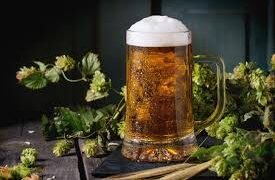
When the temperatures soar and the sun beats down on a hot summer day, there’s nothing more refreshing than a cold beer in hand. But with so many beer styles available, which one should you reach for when you’re craving something light and crisp? The best summer beers tend to be refreshing, light in body, and easy-drinking, perfect for sipping on a warm afternoon or alongside a barbecue. This article explores the best beer styles for hot weather, comparing light beers versus dark beers and highlighting refreshing beer styles like pilsners and wheat beers, and much more.

Light Beers vs. Dark Beers in Hot Weather

Before diving into specific beer styles, it’s important to understand the general difference between light and dark beers, especially when considering the best beers for a hot summer day.

1. The Characteristics of Light Beers

Light beers are typically known for their lower alcohol content, lighter body, and crisp, clean finish. These beers are highly drinkable and are often favored for their refreshing qualities, especially in warm weather. Their lighter body means that they are less filling, which makes them ideal for extended sipping on a hot day. Many light beers also have a moderate bitterness or sweetness, but they won’t overwhelm your taste buds.

Some common features of light beers include:

  • Lower ABV (Alcohol By Volume): Light beers tend to have an ABV ranging from 3-5%, which makes them easy to drink over a long period without becoming too intoxicating.
  • Crisp and Clean Flavor: Light beers are known for their refreshing, straightforward taste with a smooth finish. They don’t tend to be complex or heavy.
  • Subtle Malt and Hops: While some light beers might have mild malt or hop flavors, they usually aren’t too pronounced, allowing for a more approachable, crisp profile.

Popular examples of light beers include lagers, pilsners, and light ales.

2. The Characteristics of Dark Beers

Dark beers, on the other hand, are often characterized by their richer, more robust flavors. These beers tend to have a heavier body and a higher ABV compared to light beers, which makes them a bit more filling. Dark beers can be comforting and satisfying, but they are usually less ideal for hot weather due to their richer texture and often higher alcohol content.

Some common features of dark beers include:

  • Higher ABV: Dark beers can often have an ABV ranging from 5-9%, or even higher in certain styles like stouts and porters. The alcohol strength may not be as conducive to hot weather.
  • Heavier Body: Dark beers tend to feel fuller and more substantial, which can be overwhelming in the heat.
  • Richer Flavors: Dark beers typically offer complex flavors such as chocolate, coffee, caramel, and roasted malt. These flavors are wonderful in colder weather but might not be as refreshing in the summer heat.

Examples of dark beers include stouts, porters, and brown ales.

3. Why Light Beers Are Better for Hot Weather

When temperatures climb, a lighter beer is more likely to hit the spot. Light beers generally have a crisp, refreshing character that’s ideal for quenching thirst and enjoying in the sun. Their lighter body and lower ABV ensure that you won’t feel sluggish after a few sips, and they are generally more hydrating, making them the perfect choice for long summer afternoons.

Dark beers, while delicious, can feel too heavy or filling when the weather is hot, making them less desirable for daytime drinking in the summer. That’s why light beers are often the go-to choice for a hot summer day.

Refreshing Beer Styles: Pilsners, Wheat Beers, and More

Now that we’ve established that lighter beers tend to be the best option for hot weather, let’s look at some of the most refreshing and popular beer styles to enjoy on a scorching summer day.

1. Pilsners: Crisp, Clean, and Refreshing

Pilsners are among the most popular beer styles for hot weather. Originating in the Czech Republic, pilsners are pale lagers that are light in body and have a refreshing, clean taste. They are known for their crisp mouthfeel, moderate bitterness, and subtle malt flavors, making them perfect for drinking on a hot day.

Pilsners are typically brewed with Saaz hops, which contribute a floral, slightly herbal aroma, and provide a light bitterness. They are a great choice when you want something that’s easy-drinking and refreshing without overpowering your senses.

Some key characteristics of pilsners include:

  • Light body and crisp texture
  • Moderate bitterness with a clean finish
  • Low to moderate ABV (typically 4.5-5.5%)

Popular examples of pilsners include Pilsner Urquell (Czech-style) and Brooklyn Pilsner (American-style).

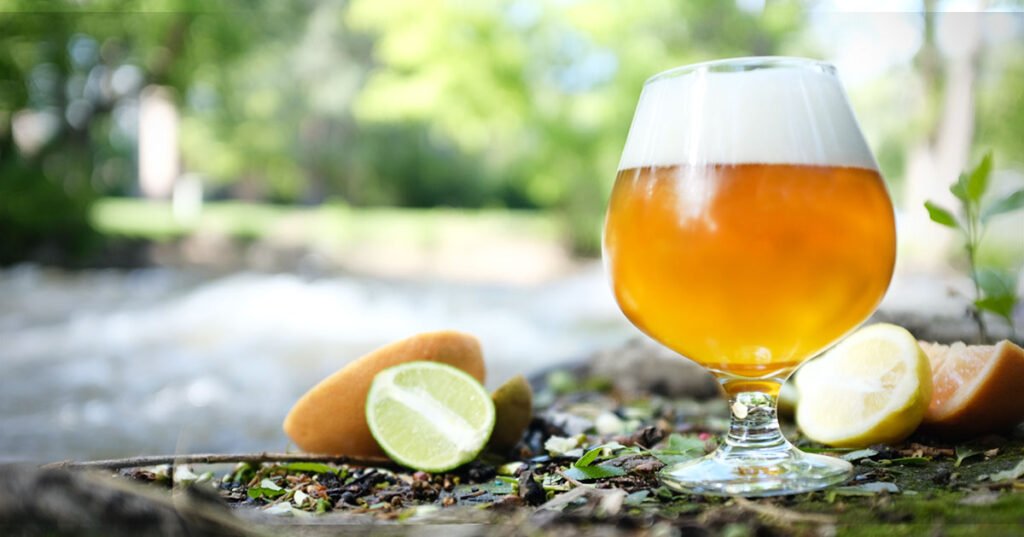
2. Wheat Beers: Smooth and Light with a Touch of Fruitiness

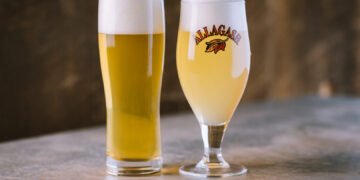
Wheat beers are another excellent choice for hot weather. Brewed with a higher percentage of wheat in addition to barley, wheat beers often have a smooth, creamy mouthfeel and a light body. These beers are typically unfiltered, giving them a cloudy appearance, which adds to their refreshing appeal.

Wheat beers are often characterized by their subtle fruitiness, typically banana, clove, or citrus, depending on the yeast strain used in fermentation. This fruity aroma and flavor profile, combined with a slightly sweet maltiness, makes wheat beers an incredibly refreshing choice during summer months.

Some common wheat beer styles include:

  • Hefeweizen: A German wheat beer with aromas and flavors of banana, clove, and sometimes citrus. It has a smooth body and a slight sweetness.
  • Witbier: A Belgian-style wheat beer that is brewed with orange peel and coriander, giving it a distinctive citrusy, spicy aroma.

Wheat beers generally have a lower ABV (4-5%), making them easy to drink and perfect for hot weather.
3. Session IPAs: Hoppy without the Heaviness

For those who love hoppy beers but don’t want to be weighed down by a high ABV or heavy body, session IPAs are the perfect solution. These beers are essentially “lighter” versions of traditional India Pale Ales (IPAs), offering the bold, hop-forward flavors and aromas of an IPA but with a lower ABV (usually around 3-5%) and a crisper finish.

Session IPAs are packed with the aromatic citrus, pine, and tropical fruit notes that hoppy beer lovers crave, but without the overwhelming alcohol content that can make traditional IPAs feel heavy. This makes them ideal for extended drinking sessions on hot summer days.

Key characteristics of session IPAs include:

  • Low to moderate ABV (3-5%)
  • Crisp and refreshing mouthfeel
  • Hoppy aromas and flavors of citrus, pine, and tropical fruits

Popular examples of session IPAs include Founders All Day IPA and Lagunitas DayTime IPA.

4. Lagers: Clean, Smooth, and Always Refreshing

Lagers, in general, are great summer beers due to their smooth, clean taste and crisp finish. Pale lagers are light, easy-drinking beers that have a mild malt flavor, light body, and clean finish. They’re usually brewed with lager yeast, which ferments at cooler temperatures and produces a neutral, crisp taste.

Lagers tend to have a lower ABV, making them suitable for enjoying over a long period without becoming too overpowering. Whether you’re enjoying a American Lager, Vienna Lager, or Bock, lagers are a fantastic choice when you’re seeking a refreshing, uncomplicated beer that’s perfect for sipping on a hot day.

Popular examples of lagers include Budweiser, Corona Extra, and Modelo Especial.

5. Sour Beers: Tart and Refreshing

For those who enjoy a bit of a tart twist, sour beers are a fun and refreshing option in hot weather. Sour beers, such as Berliner Weisse, Gose, and Kettle Sours, are fermented with wild yeasts and bacteria that impart a tangy, sour flavor. These beers are often light in body, with a crisp, tart finish that makes them perfect for summer.

Sour beers are typically lower in alcohol and have a highly refreshing, thirst-quenching quality. They also often feature fruit additions, which enhance their refreshing tartness and bring additional layers of flavor to the beer.

Key characteristics of sour beers include:

  • Tart and tangy flavors
  • Light body and crisp finish
  • Low ABV (around 4-5%)

Popular examples of sour beers include Dogfish Head SeaQuench Ale and The Bruery’s Oude Tart.

Conclusion

When summer arrives and the heat sets in, there’s no better way to cool down than with a refreshing beer. Light beers are the go-to choice for hot weather, with their crisp, clean flavors and moderate alcohol content making them easy to drink over extended periods. Styles like pilsners, wheat beers, session IPAs, lagers, and sour beers are all fantastic choices for hot summer days. Whether you prefer something crisp and clean, fruity and aromatic, or tart and refreshing, there’s a beer style that will keep you cool and satisfied during the warmest months of the year.


Tags: Best Beer for Hot WeatherLight BeersSummer Beer
ShareTweetShare

Related Posts

Malt Beer: Why Does Its Sweet Malty Aroma Always Bring Endless Satisfaction?
Beer

The Craft Beer Revolution: How Independent Breweries Changed the World of Beer

June 3, 2026
Beer: The World’s Oldest and Most Influential Beverage
Beer

Beer Styles of the World: A Complete Guide to Lager, Ale, Stout, IPA, and Beyond

June 3, 2026
Beer: The World’s Oldest and Most Influential Beverage
Beer

The Global Beer Industry: Markets, Brands, and Economic Impact

June 3, 2026
Beer: The World’s Oldest and Most Influential Beverage
Beer

The Science of Beer: Ingredients, Fermentation, and Flavor

June 3, 2026
Beer: The World’s Oldest and Most Influential Beverage
Beer

Beer: The World’s Oldest and Most Influential Beverage

June 3, 2026
Beer as a Cultural and Social Force: From Ancient Brew to Modern Identity
Beer

Women in Brewing: The Untold History and Modern Transformation of Beer Culture

May 23, 2026
Leave Comment
  • Trending
  • Comments
  • Latest
Role of Terroir in Champagne Production

Role of Terroir in Champagne Production

January 19, 2026
Champagne Can Be Aged in Wood?

Champagne Can Be Aged in Wood?

January 18, 2026
Is Organic Wine Healthier Than Conventional Wine?

Is Organic Wine Healthier Than Conventional Wine?

January 20, 2026
Why Do Some Champagnes Use a High Proportion of Pinot Meunier?

Why Do Some Champagnes Use a High Proportion of Pinot Meunier?

January 20, 2026
The Timeless Elegance of Wine: A Journey Through History and Culture

The Timeless Elegance of Wine: A Journey Through History and Culture

Why Is Château Lafite Rothschild the Pinnacle of Fine Wine?

Why Is Château Lafite Rothschild the Pinnacle of Fine Wine?

How Did Château Lafite Rothschild Become a Global Icon of Luxury?

How Did Château Lafite Rothschild Become a Global Icon of Luxury?

What Makes Chateau Lafite Rothschild the Pinnacle of Bordeaux Wines?

What Makes Chateau Lafite Rothschild the Pinnacle of Bordeaux Wines?

The History, Culture, and Global Influence of Humanity’s Most Celebrated Beverage

The Wine Revolution: How Modern Winemaking Transformed a Global Industry

June 3, 2026
The History, Culture, and Global Influence of Humanity’s Most Celebrated Beverage

Wine Styles of the World: A Complete Guide to Red, White, Rosé, Sparkling, and Fortified Wines

June 3, 2026
The History, Culture, and Global Influence of Humanity’s Most Celebrated Beverage

The Global Wine Industry: Markets, Trade, Tourism, and Economic Impact

June 3, 2026
The History, Culture, and Global Influence of Humanity’s Most Celebrated Beverage

The Science of Wine: Grapes, Fermentation, and Flavor Development

June 3, 2026
SipsavorLife

Welcome to our comprehensive beverage guide, where you can explore the fascinating world of alcoholic drinks. From exquisite wines and rich whiskeys to refreshing beers and sparkling champagnes, we provide insights, tips, and recommendations for enthusiasts and casual drinkers alike. Discover your next favorite libation with us!

© 2025 sipsavorlife.com. contacts:sipsavorlife-35376@gmail.com

No Result
View All Result
  • Home
  • Wine
  • Whiskey
  • Beer
  • Grain Spirits
  • Champagne
  • ALL

© 2025 sipsavorlife.com. contacts:sipsavorlife-35376@gmail.com

Welcome Back!

Login to your account below

Forgotten Password?

Retrieve your password

Please enter your username or email address to reset your password.

Log In