






























SipsavorLife
  • Home
  • Wine
    Wine Pairings: Can They Change the Flavor Profile of a Dish?

    Wine Pairings: Can They Change the Flavor Profile of a Dish?

    How Do Wine Glasses Influence the Tasting Experience?

    How Do Wine Glasses Influence the Tasting Experience?

    Is Organic Wine Healthier Than Conventional Wine?

    Is Organic Wine Healthier Than Conventional Wine?

    Why Do Some Wines Taste Better from Specific Vintages?

    Why Do Some Wines Taste Better from Specific Vintages?

    Wine Tasting: Can It Truly Be an Art Form?

    Wine Tasting: Can It Truly Be an Art Form?

    What Does Terroir Actually Mean for Your Wine?

    What Does Terroir Actually Mean for Your Wine?

  • Whiskey
    Can Beer Be an Effective Ingredient in Culinary Cooking?

    Can Beer Be an Effective Ingredient in Culinary Cooking?

    Second Fermentation in Champagne: Is It Really That Crucial?

    Second Fermentation in Champagne: Is It Really That Crucial?

    How Do Different Grains Impact the Flavor Profile of Distilled Spirits?

    How Do Different Grains Impact the Flavor Profile of Distilled Spirits?

    How Do Whiskey Master Blenders Create Perfection?

    How Do Whiskey Master Blenders Create Perfection?

    Wine Pairings: Can They Change the Flavor Profile of a Dish?

    Wine Pairings: Can They Change the Flavor Profile of a Dish?

    Beer the Ultimate Beverage for Pairing with Spicy Food?

    Beer the Ultimate Beverage for Pairing with Spicy Food?

  • Beer
    Can Beer Be an Effective Ingredient in Culinary Cooking?

    Can Beer Be an Effective Ingredient in Culinary Cooking?

    Beer the Ultimate Beverage for Pairing with Spicy Food?

    Beer the Ultimate Beverage for Pairing with Spicy Food?

    How Did Ancient Civilizations Brew Beer Without Modern Technology?

    How Did Ancient Civilizations Brew Beer Without Modern Technology?

    Is It Possible to Brew a Beer with No Alcohol and No Compromise on Taste?

    Is It Possible to Brew a Beer with No Alcohol and No Compromise on Taste?

    Why Does Beer Taste Different at High Altitudes?

    Why Does Beer Taste Different at High Altitudes?

    Is Hops the Secret Ingredient Behind Beer’s Bold Flavor?

    Is Hops the Secret Ingredient Behind Beer’s Bold Flavor?

  • Grain Spirits
    How Do Different Grains Impact the Flavor Profile of Distilled Spirits?

    How Do Different Grains Impact the Flavor Profile of Distilled Spirits?

    Grain Spirits the Unsung Heroes of Modern Mixology

    Grain Spirits the Unsung Heroes of Modern Mixology

    What Makes Grain-Based Whiskey So Different from Its Peated Cousins?

    What Makes Grain-Based Whiskey So Different from Its Peated Cousins?

    Grain Spirits: Could They Be the Next Big Trend in Craft Cocktails?

    Grain Spirits: Could They Be the Next Big Trend in Craft Cocktails?

    Why Are Grain Spirits Often Overlooked in the World of Fine Liquor?

    Why Are Grain Spirits Often Overlooked in the World of Fine Liquor?

    Is There a Secret Art to Distilling Grain Spirits?

    Is There a Secret Art to Distilling Grain Spirits?

  • Champagne
    Second Fermentation in Champagne: Is It Really That Crucial?

    Second Fermentation in Champagne: Is It Really That Crucial?

    The Science Behind the ‘Bubble Size’ in Champagne

    The Science Behind the ‘Bubble Size’ in Champagne

    Why Do Some Champagnes Use a High Proportion of Pinot Meunier?

    Why Do Some Champagnes Use a High Proportion of Pinot Meunier?

    Role of Terroir in Champagne Production

    Role of Terroir in Champagne Production

    Champagne Can Be Aged in Wood?

    Champagne Can Be Aged in Wood?

    Is There a Difference Between Blanc de Blancs and Blanc de Noirs Champagne?

    Is There a Difference Between Blanc de Blancs and Blanc de Noirs Champagne?

  • ALL
    Can Beer Be an Effective Ingredient in Culinary Cooking?

    Can Beer Be an Effective Ingredient in Culinary Cooking?

    Second Fermentation in Champagne: Is It Really That Crucial?

    Second Fermentation in Champagne: Is It Really That Crucial?

    How Do Different Grains Impact the Flavor Profile of Distilled Spirits?

    How Do Different Grains Impact the Flavor Profile of Distilled Spirits?

    How Do Whiskey Master Blenders Create Perfection?

    How Do Whiskey Master Blenders Create Perfection?

    Wine Pairings: Can They Change the Flavor Profile of a Dish?

    Wine Pairings: Can They Change the Flavor Profile of a Dish?

    Beer the Ultimate Beverage for Pairing with Spicy Food?

    Beer the Ultimate Beverage for Pairing with Spicy Food?

SipsavorLife
  • Home
  • Wine
    Wine Pairings: Can They Change the Flavor Profile of a Dish?

    Wine Pairings: Can They Change the Flavor Profile of a Dish?

    How Do Wine Glasses Influence the Tasting Experience?

    How Do Wine Glasses Influence the Tasting Experience?

    Is Organic Wine Healthier Than Conventional Wine?

    Is Organic Wine Healthier Than Conventional Wine?

    Why Do Some Wines Taste Better from Specific Vintages?

    Why Do Some Wines Taste Better from Specific Vintages?

    Wine Tasting: Can It Truly Be an Art Form?

    Wine Tasting: Can It Truly Be an Art Form?

    What Does Terroir Actually Mean for Your Wine?

    What Does Terroir Actually Mean for Your Wine?

  • Whiskey
    Can Beer Be an Effective Ingredient in Culinary Cooking?

    Can Beer Be an Effective Ingredient in Culinary Cooking?

    Second Fermentation in Champagne: Is It Really That Crucial?

    Second Fermentation in Champagne: Is It Really That Crucial?

    How Do Different Grains Impact the Flavor Profile of Distilled Spirits?

    How Do Different Grains Impact the Flavor Profile of Distilled Spirits?

    How Do Whiskey Master Blenders Create Perfection?

    How Do Whiskey Master Blenders Create Perfection?

    Wine Pairings: Can They Change the Flavor Profile of a Dish?

    Wine Pairings: Can They Change the Flavor Profile of a Dish?

    Beer the Ultimate Beverage for Pairing with Spicy Food?

    Beer the Ultimate Beverage for Pairing with Spicy Food?

  • Beer
    Can Beer Be an Effective Ingredient in Culinary Cooking?

    Can Beer Be an Effective Ingredient in Culinary Cooking?

    Beer the Ultimate Beverage for Pairing with Spicy Food?

    Beer the Ultimate Beverage for Pairing with Spicy Food?

    How Did Ancient Civilizations Brew Beer Without Modern Technology?

    How Did Ancient Civilizations Brew Beer Without Modern Technology?

    Is It Possible to Brew a Beer with No Alcohol and No Compromise on Taste?

    Is It Possible to Brew a Beer with No Alcohol and No Compromise on Taste?

    Why Does Beer Taste Different at High Altitudes?

    Why Does Beer Taste Different at High Altitudes?

    Is Hops the Secret Ingredient Behind Beer’s Bold Flavor?

    Is Hops the Secret Ingredient Behind Beer’s Bold Flavor?

  • Grain Spirits
    How Do Different Grains Impact the Flavor Profile of Distilled Spirits?

    How Do Different Grains Impact the Flavor Profile of Distilled Spirits?

    Grain Spirits the Unsung Heroes of Modern Mixology

    Grain Spirits the Unsung Heroes of Modern Mixology

    What Makes Grain-Based Whiskey So Different from Its Peated Cousins?

    What Makes Grain-Based Whiskey So Different from Its Peated Cousins?

    Grain Spirits: Could They Be the Next Big Trend in Craft Cocktails?

    Grain Spirits: Could They Be the Next Big Trend in Craft Cocktails?

    Why Are Grain Spirits Often Overlooked in the World of Fine Liquor?

    Why Are Grain Spirits Often Overlooked in the World of Fine Liquor?

    Is There a Secret Art to Distilling Grain Spirits?

    Is There a Secret Art to Distilling Grain Spirits?

  • Champagne
    Second Fermentation in Champagne: Is It Really That Crucial?

    Second Fermentation in Champagne: Is It Really That Crucial?

    The Science Behind the ‘Bubble Size’ in Champagne

    The Science Behind the ‘Bubble Size’ in Champagne

    Why Do Some Champagnes Use a High Proportion of Pinot Meunier?

    Why Do Some Champagnes Use a High Proportion of Pinot Meunier?

    Role of Terroir in Champagne Production

    Role of Terroir in Champagne Production

    Champagne Can Be Aged in Wood?

    Champagne Can Be Aged in Wood?

    Is There a Difference Between Blanc de Blancs and Blanc de Noirs Champagne?

    Is There a Difference Between Blanc de Blancs and Blanc de Noirs Champagne?

  • ALL
    Can Beer Be an Effective Ingredient in Culinary Cooking?

    Can Beer Be an Effective Ingredient in Culinary Cooking?

    Second Fermentation in Champagne: Is It Really That Crucial?

    Second Fermentation in Champagne: Is It Really That Crucial?

    How Do Different Grains Impact the Flavor Profile of Distilled Spirits?

    How Do Different Grains Impact the Flavor Profile of Distilled Spirits?

    How Do Whiskey Master Blenders Create Perfection?

    How Do Whiskey Master Blenders Create Perfection?

    Wine Pairings: Can They Change the Flavor Profile of a Dish?

    Wine Pairings: Can They Change the Flavor Profile of a Dish?

    Beer the Ultimate Beverage for Pairing with Spicy Food?

    Beer the Ultimate Beverage for Pairing with Spicy Food?

SipsavorLife
No Result
View All Result
Home ALL

What Makes Stout Beers So Irresistibly Rich and Smooth?

February 28, 2025
in ALL, Beer
What Makes Stout Beers So Irresistibly Rich and Smooth?

The History and Characteristics of Stout Beers

Stout beers are renowned for their deep, rich flavors and smooth texture. They have earned a loyal following among beer enthusiasts, thanks to their bold character and complex profiles. But where did this beloved beer style originate, and what makes it stand out from other beer styles?

1. The Origins of Stout Stout beer has a fascinating history that dates back to the 17th century in England. Originally, the term “stout” referred to something strong or full-bodied. The style we now recognize as “stout” evolved from porters, a popular beer in London during the 1700s. Porters were known for their rich, dark color and malty flavors. Over time, brewers began creating stronger versions of these porters, which came to be known as “stout porters.” Eventually, the “porter” part of the name was dropped, and stout became a distinct style of its own.

One of the most famous stout brands, Guinness, began brewing stouts in the early 18th century, cementing the style’s popularity and shaping the global image of stout beer. Since then, stouts have become known for their deep brown to black color, rich malt profile, and complex flavors.

2. What Makes Stouts Different? Stouts are primarily defined by their use of roasted malts, which impart flavors reminiscent of coffee, chocolate, and caramel. The malts are roasted to varying degrees, resulting in a range of flavors, from slightly sweet to intensely bitter. Unlike lighter beer styles, stouts tend to have a full-bodied mouthfeel, often described as smooth, creamy, and rich.

In addition to roasted malts, stouts often feature low levels of hop bitterness, allowing the malt flavors to shine. The higher alcohol content, which can range from 4% to upwards of 12% ABV, further enhances the richness of the beer. Some stouts are also carbonated at lower levels, contributing to their smooth and velvety texture.

Different Variations: Dry Stouts, Imperial Stouts, and More

Stouts are a highly versatile style of beer, with numerous variations that showcase different characteristics and flavors. Whether you prefer a dry, light-bodied stout or a bold, boozy imperial stout, there is a stout for every palate.

1. Dry Stouts (Including the Classic Guinness) Dry stouts, often referred to as “Irish stouts,” are the most well-known and widely consumed type of stout. They are characterized by their relatively low sweetness and high level of roasted bitterness. Dry stouts typically have a clean, crisp finish and a slightly creamy mouthfeel, which makes them incredibly drinkable. The most famous example of a dry stout is Guinness, whose smooth, slightly bitter, and coffee-like flavor profile has made it synonymous with the style.

Despite their “dry” label, these stouts are far from being flavorless; they offer a complex balance of roasted malt flavors with subtle hints of chocolate, coffee, and caramel. Dry stouts are typically around 4-5% ABV, making them relatively light compared to other stout styles.

2. Imperial Stouts: Big, Bold, and Boozy Imperial stouts are a more intense, higher-alcohol version of the traditional stout, typically ranging from 8% to 12% ABV. These stouts are known for their rich, robust flavors and full-bodied nature. The higher alcohol content allows for deeper caramel, dark fruit, and roasted malt flavors, creating a beer that is both bold and warming.

Imperial stouts often feature complex layers of flavor, including dark chocolate, espresso, molasses, and even hints of smoke or tobacco. Due to their strong profile, these stouts are best enjoyed slowly, allowing the flavors to evolve as the beer warms. Some brewers even age imperial stouts in barrels, which can add notes of bourbon, oak, or vanilla, further enhancing the complexity.
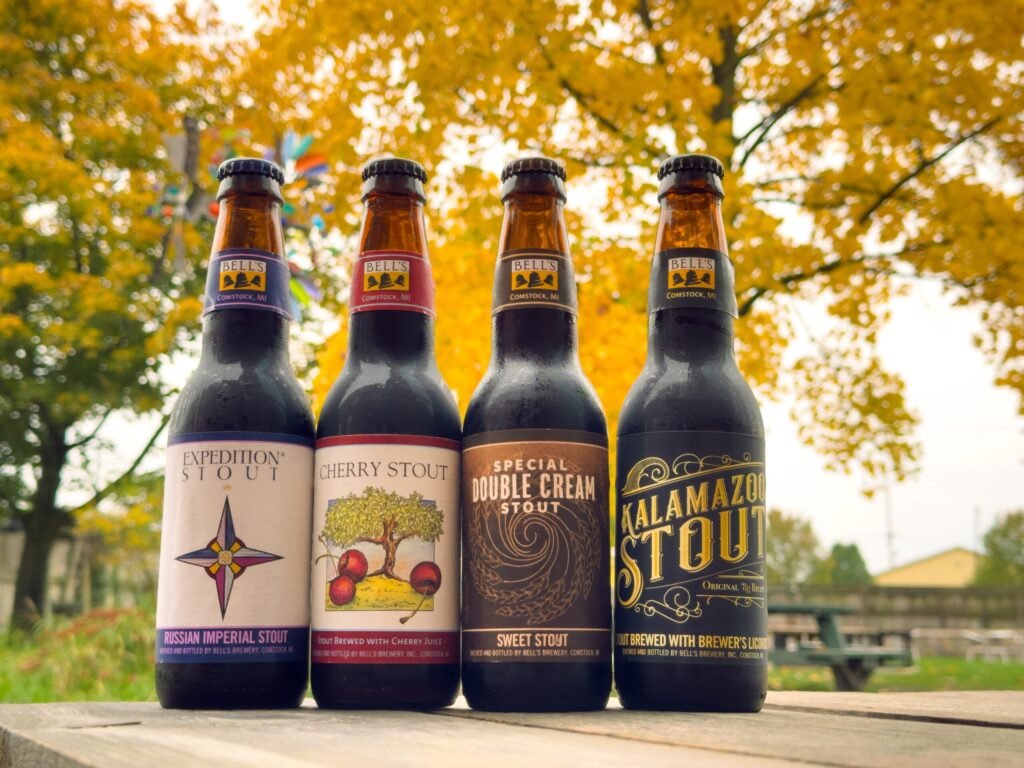
3. Oatmeal Stouts: Smooth and Silky Oatmeal stouts are a variation that includes oats in the brewing process. The addition of oats gives the beer a smoother, creamier texture, making it feel soft and silky on the palate. Oatmeal stouts tend to have a slightly sweeter profile than dry stouts, with flavors of chocolate, coffee, and a touch of caramel. The oats also contribute to a fuller mouthfeel, making these stouts particularly rich and satisfying.

Oatmeal stouts typically fall in the mid-range of alcohol content, around 4.5% to 6% ABV, which makes them approachable and well-suited for a variety of occasions. They are often described as having a rounded, balanced flavor profile, with a satisfying smoothness that makes them easy to drink.

4. Milk Stouts (Sweet Stouts): A Creamy, Dessert-Like Experience Milk stouts, also known as sweet stouts, are brewed with lactose (milk sugar), which does not ferment during the brewing process. This results in a sweet, creamy beer with a smooth mouthfeel and a slightly higher level of sweetness compared to other stouts. Milk stouts are known for their dessert-like qualities, with flavors of chocolate milk, coffee, and caramel, and a rich, velvety texture.

These stouts typically have a moderate alcohol content of 4-6% ABV, making them easy to enjoy without being overwhelming. They are often a favorite for those who appreciate sweet, rich beers that still maintain the complexity of roasted malt flavors.

5. Pastry Stouts: The Ultimate Indulgence Pastry stouts are an increasingly popular variation in the stout world. These beers take sweetness to the next level, often incorporating ingredients like vanilla, cinnamon, chocolate, or even fruit. Pastry stouts are brewed to resemble desserts, offering intense sweetness and bold flavors of cakes, pies, or fudgy brownies. These stouts can reach very high alcohol content, often above 10% ABV, and are rich, decadent, and indulgent.

The combination of dessert flavors and the deep roastiness of the malt makes pastry stouts a favorite for those with a sweet tooth. They are typically thick and full-bodied, offering a luxurious drinking experience.

Pairing Stouts with Food for an Unforgettable Experience

Stout beers are incredibly versatile when it comes to food pairings. The rich, complex flavors of stouts can complement a wide range of dishes, from hearty meats to decadent desserts. Pairing the right stout with the right food can elevate both the beer and the meal, creating an unforgettable experience.

1. Pairing with Rich Meats The bold flavors of stout beers are a natural match for rich, savory meats. The roasted malt character in stouts pairs perfectly with grilled or smoked meats, such as burgers, steaks, and barbecue. Dry stouts, with their slightly bitter, coffee-like flavor, work especially well with charred meats, while imperial stouts, with their fuller body and sweet undertones, complement rich cuts of beef or lamb.

2. Pairing with Chocolate Desserts Stouts, especially those with chocolate or coffee notes, are a perfect companion to chocolate-based desserts. The roasted malt character in the beer enhances the sweetness of chocolate cakes, brownies, and tarts, while the beer’s creamy texture balances the richness of these desserts. Milk stouts and pastry stouts, with their sweet and creamy flavors, are particularly well-suited for pairing with chocolate mousse, dark chocolate truffles, or even chocolate fondue.

3. Pairing with Cheese The deep, roasted flavors of stouts also pair well with a variety of cheeses. Strong cheeses, such as blue cheese, cheddar, and gouda, are ideal for pairing with stouts, as their bold, tangy flavors complement the beer’s complexity. A dry stout pairs nicely with sharp cheeses, while a sweeter milk stout enhances the creaminess of softer cheeses.

4. Pairing with Spicy Foods Spicy foods, such as Indian curries, chili, or barbecue with a kick, also pair well with the smooth, rich qualities of stouts. The beer’s full-bodied texture helps to mellow out the heat from the spices, while the roasted malt flavors add depth to the dish. The sweetness in milk stouts or oatmeal stouts works particularly well with spicier flavors, offering a balanced contrast to the heat.

Conclusion

Stout beers are irresistibly rich, smooth, and satisfying. Whether you’re enjoying the classic dry stout, indulging in a decadent pastry stout, or savoring an imperial stout, the complexity of flavors and full-bodied nature of the beer make it a truly unique experience. With a variety of stouts to explore, from dry to sweet, and the perfect food pairings to enhance the flavors, stout beer continues to be a beloved style among beer enthusiasts. The rich history, diverse variations, and versatility of stouts ensure that this style will remain a staple in the world of craft beer for years to come.


Tags: dry stoutimperial stoutmilk stoutoatmeal stoutstout beer
ShareTweetShare

Related Posts

Can Beer Be an Effective Ingredient in Culinary Cooking?
ALL

Can Beer Be an Effective Ingredient in Culinary Cooking?

January 22, 2026
Second Fermentation in Champagne: Is It Really That Crucial?
ALL

Second Fermentation in Champagne: Is It Really That Crucial?

January 22, 2026
How Do Different Grains Impact the Flavor Profile of Distilled Spirits?
ALL

How Do Different Grains Impact the Flavor Profile of Distilled Spirits?

January 22, 2026
How Do Whiskey Master Blenders Create Perfection?
ALL

How Do Whiskey Master Blenders Create Perfection?

January 22, 2026
Wine Pairings: Can They Change the Flavor Profile of a Dish?
ALL

Wine Pairings: Can They Change the Flavor Profile of a Dish?

January 22, 2026
Beer the Ultimate Beverage for Pairing with Spicy Food?
ALL

Beer the Ultimate Beverage for Pairing with Spicy Food?

January 21, 2026
Leave Comment
  • Trending
  • Comments
  • Latest
What Hidden Craftsmanship Lies Behind a Bottle of Quality Grain Spirits?

What Hidden Craftsmanship Lies Behind a Bottle of Quality Grain Spirits?

July 3, 2025
How Is Champagne Made? The Secrets Behind the Sparkle

How Is Champagne Made? The Secrets Behind the Sparkle

April 15, 2025
Grain Spirits vs. Traditional Distilled Spirits: Which One Suits Your Taste?

Grain Spirits vs. Traditional Distilled Spirits: Which One Suits Your Taste?

July 3, 2025
Champagne Bubbles: How Do They Perfectly Convey Celebration, Joy, and Luxury?

Champagne Bubbles: How Do They Perfectly Convey Celebration, Joy, and Luxury?

July 2, 2025
The Timeless Elegance of Wine: A Journey Through History and Culture

The Timeless Elegance of Wine: A Journey Through History and Culture

Why Is Château Lafite Rothschild the Pinnacle of Fine Wine?

Why Is Château Lafite Rothschild the Pinnacle of Fine Wine?

How Did Château Lafite Rothschild Become a Global Icon of Luxury?

How Did Château Lafite Rothschild Become a Global Icon of Luxury?

What Makes Chateau Lafite Rothschild the Pinnacle of Bordeaux Wines?

What Makes Chateau Lafite Rothschild the Pinnacle of Bordeaux Wines?

Can Beer Be an Effective Ingredient in Culinary Cooking?

Can Beer Be an Effective Ingredient in Culinary Cooking?

January 22, 2026
Second Fermentation in Champagne: Is It Really That Crucial?

Second Fermentation in Champagne: Is It Really That Crucial?

January 22, 2026
How Do Different Grains Impact the Flavor Profile of Distilled Spirits?

How Do Different Grains Impact the Flavor Profile of Distilled Spirits?

January 22, 2026
How Do Whiskey Master Blenders Create Perfection?

How Do Whiskey Master Blenders Create Perfection?

January 22, 2026
SipsavorLife

Welcome to our comprehensive beverage guide, where you can explore the fascinating world of alcoholic drinks. From exquisite wines and rich whiskeys to refreshing beers and sparkling champagnes, we provide insights, tips, and recommendations for enthusiasts and casual drinkers alike. Discover your next favorite libation with us!

© 2025 sipsavorlife.com. contacts:sipsavorlife-35376@gmail.com

No Result
View All Result
  • Home
  • Wine
  • Whiskey
  • Beer
  • Grain Spirits
  • Champagne
  • ALL

© 2025 sipsavorlife.com. contacts:sipsavorlife-35376@gmail.com

Welcome Back!

Login to your account below

Forgotten Password?

Retrieve your password

Please enter your username or email address to reset your password.

Log In





