










SipsavorLife
  • Home
  • Wine
    The History, Culture, and Global Influence of Humanity’s Most Celebrated Beverage

    The Wine Revolution: How Modern Winemaking Transformed a Global Industry

    The History, Culture, and Global Influence of Humanity’s Most Celebrated Beverage

    Wine Styles of the World: A Complete Guide to Red, White, Rosé, Sparkling, and Fortified Wines

    The History, Culture, and Global Influence of Humanity’s Most Celebrated Beverage

    The Global Wine Industry: Markets, Trade, Tourism, and Economic Impact

    The History, Culture, and Global Influence of Humanity’s Most Celebrated Beverage

    The Science of Wine: Grapes, Fermentation, and Flavor Development

    The History, Culture, and Global Influence of Humanity’s Most Celebrated Beverage

    The History, Culture, and Global Influence of Humanity’s Most Celebrated Beverage

    The Cultural History of Wine: From Ancient Rituals to Modern Luxury

    The Psychology of Wine: Why Humans Associate Wine with Emotion, Memory, and Identity

  • Whiskey
    Can Beer Be an Effective Ingredient in Culinary Cooking?

    Can Beer Be an Effective Ingredient in Culinary Cooking?

    Second Fermentation in Champagne: Is It Really That Crucial?

    Second Fermentation in Champagne: Is It Really That Crucial?

    How Do Different Grains Impact the Flavor Profile of Distilled Spirits?

    How Do Different Grains Impact the Flavor Profile of Distilled Spirits?

    How Do Whiskey Master Blenders Create Perfection?

    How Do Whiskey Master Blenders Create Perfection?

    Wine Pairings: Can They Change the Flavor Profile of a Dish?

    Wine Pairings: Can They Change the Flavor Profile of a Dish?

    Beer the Ultimate Beverage for Pairing with Spicy Food?

    Beer the Ultimate Beverage for Pairing with Spicy Food?

  • Beer
    Malt Beer: Why Does Its Sweet Malty Aroma Always Bring Endless Satisfaction?

    The Craft Beer Revolution: How Independent Breweries Changed the World of Beer

    Beer: The World’s Oldest and Most Influential Beverage

    Beer Styles of the World: A Complete Guide to Lager, Ale, Stout, IPA, and Beyond

    Beer: The World’s Oldest and Most Influential Beverage

    The Global Beer Industry: Markets, Brands, and Economic Impact

    Beer: The World’s Oldest and Most Influential Beverage

    The Science of Beer: Ingredients, Fermentation, and Flavor

    Beer: The World’s Oldest and Most Influential Beverage

    Beer: The World’s Oldest and Most Influential Beverage

    Beer as a Cultural and Social Force: From Ancient Brew to Modern Identity

    Women in Brewing: The Untold History and Modern Transformation of Beer Culture

  • Grain Spirits
    Grain Spirits: The Origins, Science, and Global Evolution of Distilled Grain Alcohol

    Bourbon: America’s Native Grain Spirit and the Global Story of Corn, Oak, Fire, and Time

    Grain Spirits: The Origins, Science, and Global Evolution of Distilled Grain Alcohol

    Gin: Botanicals, History, Cocktail Culture, and the Artistic Evolution of the World’s Most Aromatic Grain Spirit

    Grain Spirits: The Origins, Science, and Global Evolution of Distilled Grain Alcohol

    Vodka: The Global Rise of the World’s Most Versatile Grain Spirit

    Grain Spirits: The Origins, Science, and Global Evolution of Distilled Grain Alcohol

    Whiskey and the Soul of Grain Spirits: History, Craftsmanship, Culture, and the Global Rise of the World’s Most Iconic Distilled Grain Beverage

    Grain Spirits: The Origins, Science, and Global Evolution of Distilled Grain Alcohol

    Grain Spirits: The Origins, Science, and Global Evolution of Distilled Grain Alcohol

    Grain Spirits Explained — The Foundation of Global Distillation

    The Future of Grain Spirits — Technology, Sustainability, and the Next Era of Distillation

  • Champagne
    Champagne: The Sparkling Wine That Changed Global Celebration Culture

    Dom Pérignon, Cristal, Krug, and Beyond: The World’s Most Famous Champagne Houses and Their Legacy

    Champagne Beyond Celebration: The History, Craftsmanship, and Global Influence of the World’s Most Iconic Sparkling Wine

    The Future of Champagne: Climate Change, Innovation, Sustainability, and the Next Era of Sparkling Wine

    Champagne Beyond Celebration: The History, Craftsmanship, and Global Influence of the World’s Most Iconic Sparkling Wine

    Champagne and Luxury Culture: How Sparkling Wine Became a Global Symbol of Wealth, Celebration, and Prestige

    Champagne Beyond Celebration: The History, Craftsmanship, and Global Influence of the World’s Most Iconic Sparkling Wine

    The Art of Champagne Production: Inside the Science, Skill, and Tradition Behind Every Bottle

    Champagne Beyond Celebration: The History, Craftsmanship, and Global Influence of the World’s Most Iconic Sparkling Wine

    Champagne Beyond Celebration: The History, Craftsmanship, and Global Influence of the World’s Most Iconic Sparkling Wine

    Champagne: The Sparkling Wine That Changed Global Celebration Culture

    Champagne vs Prosecco vs Cava: How the World’s Sparkling Wines Reflect Culture, Geography, and Taste

  • ALL
    Can Beer Be an Effective Ingredient in Culinary Cooking?

    Can Beer Be an Effective Ingredient in Culinary Cooking?

    Second Fermentation in Champagne: Is It Really That Crucial?

    Second Fermentation in Champagne: Is It Really That Crucial?

    How Do Different Grains Impact the Flavor Profile of Distilled Spirits?

    How Do Different Grains Impact the Flavor Profile of Distilled Spirits?

    How Do Whiskey Master Blenders Create Perfection?

    How Do Whiskey Master Blenders Create Perfection?

    Wine Pairings: Can They Change the Flavor Profile of a Dish?

    Wine Pairings: Can They Change the Flavor Profile of a Dish?

    Beer the Ultimate Beverage for Pairing with Spicy Food?

    Beer the Ultimate Beverage for Pairing with Spicy Food?

SipsavorLife
  • Home
  • Wine
    The History, Culture, and Global Influence of Humanity’s Most Celebrated Beverage

    The Wine Revolution: How Modern Winemaking Transformed a Global Industry

    The History, Culture, and Global Influence of Humanity’s Most Celebrated Beverage

    Wine Styles of the World: A Complete Guide to Red, White, Rosé, Sparkling, and Fortified Wines

    The History, Culture, and Global Influence of Humanity’s Most Celebrated Beverage

    The Global Wine Industry: Markets, Trade, Tourism, and Economic Impact

    The History, Culture, and Global Influence of Humanity’s Most Celebrated Beverage

    The Science of Wine: Grapes, Fermentation, and Flavor Development

    The History, Culture, and Global Influence of Humanity’s Most Celebrated Beverage

    The History, Culture, and Global Influence of Humanity’s Most Celebrated Beverage

    The Cultural History of Wine: From Ancient Rituals to Modern Luxury

    The Psychology of Wine: Why Humans Associate Wine with Emotion, Memory, and Identity

  • Whiskey
    Can Beer Be an Effective Ingredient in Culinary Cooking?

    Can Beer Be an Effective Ingredient in Culinary Cooking?

    Second Fermentation in Champagne: Is It Really That Crucial?

    Second Fermentation in Champagne: Is It Really That Crucial?

    How Do Different Grains Impact the Flavor Profile of Distilled Spirits?

    How Do Different Grains Impact the Flavor Profile of Distilled Spirits?

    How Do Whiskey Master Blenders Create Perfection?

    How Do Whiskey Master Blenders Create Perfection?

    Wine Pairings: Can They Change the Flavor Profile of a Dish?

    Wine Pairings: Can They Change the Flavor Profile of a Dish?

    Beer the Ultimate Beverage for Pairing with Spicy Food?

    Beer the Ultimate Beverage for Pairing with Spicy Food?

  • Beer
    Malt Beer: Why Does Its Sweet Malty Aroma Always Bring Endless Satisfaction?

    The Craft Beer Revolution: How Independent Breweries Changed the World of Beer

    Beer: The World’s Oldest and Most Influential Beverage

    Beer Styles of the World: A Complete Guide to Lager, Ale, Stout, IPA, and Beyond

    Beer: The World’s Oldest and Most Influential Beverage

    The Global Beer Industry: Markets, Brands, and Economic Impact

    Beer: The World’s Oldest and Most Influential Beverage

    The Science of Beer: Ingredients, Fermentation, and Flavor

    Beer: The World’s Oldest and Most Influential Beverage

    Beer: The World’s Oldest and Most Influential Beverage

    Beer as a Cultural and Social Force: From Ancient Brew to Modern Identity

    Women in Brewing: The Untold History and Modern Transformation of Beer Culture

  • Grain Spirits
    Grain Spirits: The Origins, Science, and Global Evolution of Distilled Grain Alcohol

    Bourbon: America’s Native Grain Spirit and the Global Story of Corn, Oak, Fire, and Time

    Grain Spirits: The Origins, Science, and Global Evolution of Distilled Grain Alcohol

    Gin: Botanicals, History, Cocktail Culture, and the Artistic Evolution of the World’s Most Aromatic Grain Spirit

    Grain Spirits: The Origins, Science, and Global Evolution of Distilled Grain Alcohol

    Vodka: The Global Rise of the World’s Most Versatile Grain Spirit

    Grain Spirits: The Origins, Science, and Global Evolution of Distilled Grain Alcohol

    Whiskey and the Soul of Grain Spirits: History, Craftsmanship, Culture, and the Global Rise of the World’s Most Iconic Distilled Grain Beverage

    Grain Spirits: The Origins, Science, and Global Evolution of Distilled Grain Alcohol

    Grain Spirits: The Origins, Science, and Global Evolution of Distilled Grain Alcohol

    Grain Spirits Explained — The Foundation of Global Distillation

    The Future of Grain Spirits — Technology, Sustainability, and the Next Era of Distillation

  • Champagne
    Champagne: The Sparkling Wine That Changed Global Celebration Culture

    Dom Pérignon, Cristal, Krug, and Beyond: The World’s Most Famous Champagne Houses and Their Legacy

    Champagne Beyond Celebration: The History, Craftsmanship, and Global Influence of the World’s Most Iconic Sparkling Wine

    The Future of Champagne: Climate Change, Innovation, Sustainability, and the Next Era of Sparkling Wine

    Champagne Beyond Celebration: The History, Craftsmanship, and Global Influence of the World’s Most Iconic Sparkling Wine

    Champagne and Luxury Culture: How Sparkling Wine Became a Global Symbol of Wealth, Celebration, and Prestige

    Champagne Beyond Celebration: The History, Craftsmanship, and Global Influence of the World’s Most Iconic Sparkling Wine

    The Art of Champagne Production: Inside the Science, Skill, and Tradition Behind Every Bottle

    Champagne Beyond Celebration: The History, Craftsmanship, and Global Influence of the World’s Most Iconic Sparkling Wine

    Champagne Beyond Celebration: The History, Craftsmanship, and Global Influence of the World’s Most Iconic Sparkling Wine

    Champagne: The Sparkling Wine That Changed Global Celebration Culture

    Champagne vs Prosecco vs Cava: How the World’s Sparkling Wines Reflect Culture, Geography, and Taste

  • ALL
    Can Beer Be an Effective Ingredient in Culinary Cooking?

    Can Beer Be an Effective Ingredient in Culinary Cooking?

    Second Fermentation in Champagne: Is It Really That Crucial?

    Second Fermentation in Champagne: Is It Really That Crucial?

    How Do Different Grains Impact the Flavor Profile of Distilled Spirits?

    How Do Different Grains Impact the Flavor Profile of Distilled Spirits?

    How Do Whiskey Master Blenders Create Perfection?

    How Do Whiskey Master Blenders Create Perfection?

    Wine Pairings: Can They Change the Flavor Profile of a Dish?

    Wine Pairings: Can They Change the Flavor Profile of a Dish?

    Beer the Ultimate Beverage for Pairing with Spicy Food?

    Beer the Ultimate Beverage for Pairing with Spicy Food?

SipsavorLife
No Result
View All Result
Home ALL

What Makes Gladiator Grain Spirits Stand Out in the World of Spirits?

January 12, 2025
in ALL, Grain Spirits
What Makes Gladiator Grain Spirits Stand Out in the World of Spirits?

Introduction

The world of spirits is vast, with a multitude of different types, flavors, and production methods. Among the diverse range of distilled beverages, grain spirits stand as a category that holds both tradition and innovation at its core. Gladiator grain spirits, a premium brand known for its high-quality production and distinctive character, has carved out a reputation for excellence in the competitive spirits market. But what exactly sets Gladiator apart from other grain spirits? What flavors and characteristics define this exceptional product?

In this article, we will explore the intricate profile of Gladiator grain spirits, focusing on the unique qualities that make it a favorite among connoisseurs and casual drinkers alike. From the grains themselves to the distillation process and aging methods, we will dissect every element that contributes to the spirit’s flavor, texture, and overall character.

As we uncover the secrets behind Gladiator’s flavor profile, we’ll also examine how these characteristics align with the brand’s commitment to craftsmanship and quality, and how they influence the way consumers experience this distinguished spirit. By understanding the core attributes of Gladiator grain spirits, we can better appreciate why this brand continues to be celebrated in the world of fine spirits.


1. The Base: Understanding the Grains Behind Gladiator Grain Spirits

The Importance of Grains in Distillation

At the heart of every grain spirit lies the grain itself. Grains are the primary source of fermentable sugars that are converted into alcohol during fermentation. The selection of grains used in distillation plays a crucial role in shaping the flavor profile of the final spirit. Gladiator grain spirits are crafted using a carefully selected mix of barley, rye, and corn, each contributing a distinct set of flavors to the spirit.

  • Barley: Barley is the traditional grain used in many premium spirits, particularly whiskies and single malt liquors. It imparts a smooth and malty flavor, often with notes of bread, caramel, and toffee. Barley provides the base for many grain spirits, giving them depth and complexity.
  • Rye: Rye grain is known for adding a spicier, more robust flavor. It often imparts hints of pepper, nutmeg, and an earthy quality that makes the spirit feel fuller and more pronounced on the palate. Rye’s influence can also bring a slightly dry, sharp edge to the spirit, balancing the sweetness of other grains.
  • Corn: Corn is commonly used in American grain spirits, especially bourbon. It adds a natural sweetness and roundness to the flavor profile, often bringing flavors of vanilla, honey, and sometimes caramelized fruit.

By using these three grains in a balanced blend, Gladiator grain spirits achieve a harmonious interplay of sweet, spicy, and malty flavors, which contribute to its complexity and appeal.

The Role of Grain Quality

The quality of the grains used in the distillation process is another crucial factor in determining the flavor and characteristics of the spirit. Gladiator grain spirits are made from only the finest grains, sourced from the most fertile and renowned farming regions. Whether the barley is malted in-house or carefully selected from trusted suppliers, the commitment to quality is evident in every batch.

The grains are typically grown in regions with rich soil and ideal climate conditions, ensuring that they are imbued with the necessary characteristics to deliver the desired flavors during fermentation and distillation. This quality control is one of the key aspects that sets Gladiator apart from many other grain spirit producers.


2. The Distillation Process: Transforming Grains into Spirit

The Art of Distilling

The process of distillation is where the magic happens—this is where the flavors of the grains are transformed into the final spirit. Gladiator grain spirits are distilled using a combination of traditional and modern techniques, creating a perfect balance between historical craftsmanship and contemporary innovation.

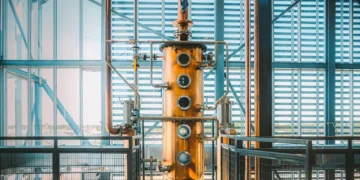
  • Copper Pot Stills: Gladiator employs copper pot stills in its distillation process, a method that is still considered the gold standard in many high-end distilleries. The copper helps remove sulfur compounds that can impart unwanted harshness, resulting in a smoother, more refined spirit. The shape of the pot still also allows for the creation of a spirit with a rich, complex flavor profile.
  • Column Stills: In addition to pot stills, Gladiator also uses modern column stills for larger batches. Column stills allow for greater efficiency and higher alcohol yields, producing a clean, neutral spirit that can be blended with the more flavorful distillates from the pot stills. This combination of methods allows Gladiator grain spirits to achieve the perfect balance of purity and complexity.
  • Double Distillation: Like many premium spirits, Gladiator grain spirits undergo double distillation. This process ensures that the impurities in the first distillation are removed, resulting in a smoother, more refined liquid. The second distillation also enhances the character and flavors of the spirit, allowing the distiller to control the final product’s taste.

The Influence of Water

Water is a vital element in the distillation process, and Gladiator pays close attention to the water it uses in production. Sourced from pristine springs or purified through modern filtration methods, the water used in Gladiator grain spirits helps shape the final product’s texture and mouthfeel. The mineral content of the water can also subtly influence the flavor, adding smoothness or a refreshing quality to the spirit.

3. Maturation and Aging: How Time Shapes Flavor

The Role of Oak Barrels in Maturation

While grain spirits like vodka and gin are typically consumed unaged, premium grain spirits like Gladiator undergo aging in oak barrels to develop complexity and character. The aging process allows the spirit to interact with the wood, extracting compounds that impart rich flavors and aromas.

  • Types of Oak: Gladiator grain spirits are aged in a blend of American oak and French oak barrels. American oak, known for its influence on bourbon and rye whiskey, imparts notes of vanilla, coconut, and caramel. French oak, on the other hand, contributes a more subtle influence, with hints of spice, toasted nuts, and a delicate woody character.
  • Charred Barrels: The use of charred barrels is another distinctive feature of Gladiator grain spirits. Charring the interior of the barrel caramelizes the wood, imparting flavors of toffee, burnt sugar, and dark chocolate to the spirit. This process enhances the richness and depth of flavor, creating a smooth yet complex profile.
  • Aging Time: The duration of aging plays a key role in the development of the spirit’s flavor. Gladiator grain spirits are typically aged for several years, with some premium expressions maturing for even longer. The longer a spirit is aged, the more it interacts with the wood, extracting more flavor and deepening the complexity. However, the aging process must be carefully monitored, as excessive aging can result in a loss of freshness and balance.

4. Tasting Notes: The Flavor Profile of Gladiator Grain Spirits

Appearance

Gladiator grain spirits are known for their deep amber to golden hue, which comes from the aging process in oak barrels. The color is rich, inviting, and immediately suggests the depth of flavor contained within the bottle.

Nose

On the nose, Gladiator grain spirits open with a vibrant, welcoming bouquet. The aromas are a blend of malty sweetness from the barley, spicy complexity from the rye, and subtle fruitiness from the corn. There are notes of vanilla, honey, and a touch of oak, along with delicate hints of citrus zest and dried fruit. The scent is both inviting and sophisticated, a perfect prelude to the flavors that follow.

Palate

On the palate, Gladiator grain spirits are full-bodied, with a rich mouthfeel that coats the tongue. The maltiness from the barley creates a smooth and creamy texture, while the rye adds an earthy, peppery kick that lingers on the tongue. The corn contributes a touch of sweetness, balancing the spiciness of the rye and the richness of the barley.

The oak influence is evident in the mid-palate, where flavors of caramel, vanilla, and toasted nuts emerge, complementing the grain characteristics. The combination of grains and oak creates a harmonious and well-rounded profile, with layers of complexity that unfold with each sip.

Finish

The finish is long and satisfying, with the spiciness of the rye fading into a warm, lingering sweetness. Hints of vanilla, toffee, and a light smokiness from the charred oak round out the experience, leaving a smooth and clean aftertaste.


5. Pairing Gladiator Grain Spirits: Best Combinations for Enjoyment

Gladiator grain spirits are versatile and can be enjoyed neat, on the rocks, or in cocktails. Due to their rich and complex flavor profile, they pair exceptionally well with a wide variety of foods.

  • Cheeses: Aged cheeses such as cheddar, gouda, and blue cheese work well with Gladiator grain spirits, as the bold flavors of the spirit complement the savory richness of the cheese.
  • Meats: The rich, smoky flavors of Gladiator grain spirits make them a perfect pairing for grilled meats, particularly steak, ribs, or roasted lamb.
  • Chocolate: Dark chocolate with a high cocoa content pairs beautifully with the caramel and toffee notes of the spirit, enhancing the sweetness and complexity of both the chocolate and the drink.

Conclusion: The Signature Flavor of Gladiator Grain Spirits

The flavors and characteristics of Gladiator grain spirits reflect a commitment to excellence and craftsmanship at every step of production. From the selection of premium grains to the careful aging process in oak barrels, every element is designed to create a balanced and harmonious spirit with rich, complex flavors.

Gladiator grain spirits have become a beloved choice for connoisseurs, providing a drinking experience that combines both depth and sophistication. By understanding the flavors, production methods, and character of this exceptional spirit, we gain a deeper appreciation for its unique place in the world of fine spirits.

Tags: CultureflavorHealthHistoryInnovation
ShareTweetShare

Related Posts

Grain Spirits: The Origins, Science, and Global Evolution of Distilled Grain Alcohol
Grain Spirits

Bourbon: America’s Native Grain Spirit and the Global Story of Corn, Oak, Fire, and Time

May 27, 2026
Grain Spirits: The Origins, Science, and Global Evolution of Distilled Grain Alcohol
Grain Spirits

Gin: Botanicals, History, Cocktail Culture, and the Artistic Evolution of the World’s Most Aromatic Grain Spirit

May 27, 2026
Grain Spirits: The Origins, Science, and Global Evolution of Distilled Grain Alcohol
Grain Spirits

Vodka: The Global Rise of the World’s Most Versatile Grain Spirit

May 27, 2026
Grain Spirits: The Origins, Science, and Global Evolution of Distilled Grain Alcohol
Grain Spirits

Whiskey and the Soul of Grain Spirits: History, Craftsmanship, Culture, and the Global Rise of the World’s Most Iconic Distilled Grain Beverage

May 27, 2026
Grain Spirits: The Origins, Science, and Global Evolution of Distilled Grain Alcohol
Grain Spirits

Grain Spirits: The Origins, Science, and Global Evolution of Distilled Grain Alcohol

May 27, 2026
Grain Spirits Explained — The Foundation of Global Distillation
Grain Spirits

The Future of Grain Spirits — Technology, Sustainability, and the Next Era of Distillation

April 25, 2026
Leave Comment
  • Trending
  • Comments
  • Latest
Role of Terroir in Champagne Production

Role of Terroir in Champagne Production

January 19, 2026
Champagne Can Be Aged in Wood?

Champagne Can Be Aged in Wood?

January 18, 2026
Is Organic Wine Healthier Than Conventional Wine?

Is Organic Wine Healthier Than Conventional Wine?

January 20, 2026
Why Do Some Champagnes Use a High Proportion of Pinot Meunier?

Why Do Some Champagnes Use a High Proportion of Pinot Meunier?

January 20, 2026
The Timeless Elegance of Wine: A Journey Through History and Culture

The Timeless Elegance of Wine: A Journey Through History and Culture

Why Is Château Lafite Rothschild the Pinnacle of Fine Wine?

Why Is Château Lafite Rothschild the Pinnacle of Fine Wine?

How Did Château Lafite Rothschild Become a Global Icon of Luxury?

How Did Château Lafite Rothschild Become a Global Icon of Luxury?

What Makes Chateau Lafite Rothschild the Pinnacle of Bordeaux Wines?

What Makes Chateau Lafite Rothschild the Pinnacle of Bordeaux Wines?

The History, Culture, and Global Influence of Humanity’s Most Celebrated Beverage

The Wine Revolution: How Modern Winemaking Transformed a Global Industry

June 3, 2026
The History, Culture, and Global Influence of Humanity’s Most Celebrated Beverage

Wine Styles of the World: A Complete Guide to Red, White, Rosé, Sparkling, and Fortified Wines

June 3, 2026
The History, Culture, and Global Influence of Humanity’s Most Celebrated Beverage

The Global Wine Industry: Markets, Trade, Tourism, and Economic Impact

June 3, 2026
The History, Culture, and Global Influence of Humanity’s Most Celebrated Beverage

The Science of Wine: Grapes, Fermentation, and Flavor Development

June 3, 2026
SipsavorLife

Welcome to our comprehensive beverage guide, where you can explore the fascinating world of alcoholic drinks. From exquisite wines and rich whiskeys to refreshing beers and sparkling champagnes, we provide insights, tips, and recommendations for enthusiasts and casual drinkers alike. Discover your next favorite libation with us!

© 2025 sipsavorlife.com. contacts:sipsavorlife-35376@gmail.com

No Result
View All Result
  • Home
  • Wine
  • Whiskey
  • Beer
  • Grain Spirits
  • Champagne
  • ALL

© 2025 sipsavorlife.com. contacts:sipsavorlife-35376@gmail.com

Welcome Back!

Login to your account below

Forgotten Password?

Retrieve your password

Please enter your username or email address to reset your password.

Log In