






























SipsavorLife
  • Home
  • Wine
    The History, Culture, and Global Influence of Humanity’s Most Celebrated Beverage

    The Wine Revolution: How Modern Winemaking Transformed a Global Industry

    The History, Culture, and Global Influence of Humanity’s Most Celebrated Beverage

    Wine Styles of the World: A Complete Guide to Red, White, Rosé, Sparkling, and Fortified Wines

    The History, Culture, and Global Influence of Humanity’s Most Celebrated Beverage

    The Global Wine Industry: Markets, Trade, Tourism, and Economic Impact

    The History, Culture, and Global Influence of Humanity’s Most Celebrated Beverage

    The Science of Wine: Grapes, Fermentation, and Flavor Development

    The History, Culture, and Global Influence of Humanity’s Most Celebrated Beverage

    The History, Culture, and Global Influence of Humanity’s Most Celebrated Beverage

    The Cultural History of Wine: From Ancient Rituals to Modern Luxury

    The Psychology of Wine: Why Humans Associate Wine with Emotion, Memory, and Identity

  • Whiskey
    Can Beer Be an Effective Ingredient in Culinary Cooking?

    Can Beer Be an Effective Ingredient in Culinary Cooking?

    Second Fermentation in Champagne: Is It Really That Crucial?

    Second Fermentation in Champagne: Is It Really That Crucial?

    How Do Different Grains Impact the Flavor Profile of Distilled Spirits?

    How Do Different Grains Impact the Flavor Profile of Distilled Spirits?

    How Do Whiskey Master Blenders Create Perfection?

    How Do Whiskey Master Blenders Create Perfection?

    Wine Pairings: Can They Change the Flavor Profile of a Dish?

    Wine Pairings: Can They Change the Flavor Profile of a Dish?

    Beer the Ultimate Beverage for Pairing with Spicy Food?

    Beer the Ultimate Beverage for Pairing with Spicy Food?

  • Beer
    Malt Beer: Why Does Its Sweet Malty Aroma Always Bring Endless Satisfaction?

    The Craft Beer Revolution: How Independent Breweries Changed the World of Beer

    Beer: The World’s Oldest and Most Influential Beverage

    Beer Styles of the World: A Complete Guide to Lager, Ale, Stout, IPA, and Beyond

    Beer: The World’s Oldest and Most Influential Beverage

    The Global Beer Industry: Markets, Brands, and Economic Impact

    Beer: The World’s Oldest and Most Influential Beverage

    The Science of Beer: Ingredients, Fermentation, and Flavor

    Beer: The World’s Oldest and Most Influential Beverage

    Beer: The World’s Oldest and Most Influential Beverage

    Beer as a Cultural and Social Force: From Ancient Brew to Modern Identity

    Women in Brewing: The Untold History and Modern Transformation of Beer Culture

  • Grain Spirits
    Grain Spirits: The Origins, Science, and Global Evolution of Distilled Grain Alcohol

    Bourbon: America’s Native Grain Spirit and the Global Story of Corn, Oak, Fire, and Time

    Grain Spirits: The Origins, Science, and Global Evolution of Distilled Grain Alcohol

    Gin: Botanicals, History, Cocktail Culture, and the Artistic Evolution of the World’s Most Aromatic Grain Spirit

    Grain Spirits: The Origins, Science, and Global Evolution of Distilled Grain Alcohol

    Vodka: The Global Rise of the World’s Most Versatile Grain Spirit

    Grain Spirits: The Origins, Science, and Global Evolution of Distilled Grain Alcohol

    Whiskey and the Soul of Grain Spirits: History, Craftsmanship, Culture, and the Global Rise of the World’s Most Iconic Distilled Grain Beverage

    Grain Spirits: The Origins, Science, and Global Evolution of Distilled Grain Alcohol

    Grain Spirits: The Origins, Science, and Global Evolution of Distilled Grain Alcohol

    Grain Spirits Explained — The Foundation of Global Distillation

    The Future of Grain Spirits — Technology, Sustainability, and the Next Era of Distillation

  • Champagne
    Champagne: The Sparkling Wine That Changed Global Celebration Culture

    Dom Pérignon, Cristal, Krug, and Beyond: The World’s Most Famous Champagne Houses and Their Legacy

    Champagne Beyond Celebration: The History, Craftsmanship, and Global Influence of the World’s Most Iconic Sparkling Wine

    The Future of Champagne: Climate Change, Innovation, Sustainability, and the Next Era of Sparkling Wine

    Champagne Beyond Celebration: The History, Craftsmanship, and Global Influence of the World’s Most Iconic Sparkling Wine

    Champagne and Luxury Culture: How Sparkling Wine Became a Global Symbol of Wealth, Celebration, and Prestige

    Champagne Beyond Celebration: The History, Craftsmanship, and Global Influence of the World’s Most Iconic Sparkling Wine

    The Art of Champagne Production: Inside the Science, Skill, and Tradition Behind Every Bottle

    Champagne Beyond Celebration: The History, Craftsmanship, and Global Influence of the World’s Most Iconic Sparkling Wine

    Champagne Beyond Celebration: The History, Craftsmanship, and Global Influence of the World’s Most Iconic Sparkling Wine

    Champagne: The Sparkling Wine That Changed Global Celebration Culture

    Champagne vs Prosecco vs Cava: How the World’s Sparkling Wines Reflect Culture, Geography, and Taste

  • ALL
    Can Beer Be an Effective Ingredient in Culinary Cooking?

    Can Beer Be an Effective Ingredient in Culinary Cooking?

    Second Fermentation in Champagne: Is It Really That Crucial?

    Second Fermentation in Champagne: Is It Really That Crucial?

    How Do Different Grains Impact the Flavor Profile of Distilled Spirits?

    How Do Different Grains Impact the Flavor Profile of Distilled Spirits?

    How Do Whiskey Master Blenders Create Perfection?

    How Do Whiskey Master Blenders Create Perfection?

    Wine Pairings: Can They Change the Flavor Profile of a Dish?

    Wine Pairings: Can They Change the Flavor Profile of a Dish?

    Beer the Ultimate Beverage for Pairing with Spicy Food?

    Beer the Ultimate Beverage for Pairing with Spicy Food?

SipsavorLife
  • Home
  • Wine
    The History, Culture, and Global Influence of Humanity’s Most Celebrated Beverage

    The Wine Revolution: How Modern Winemaking Transformed a Global Industry

    The History, Culture, and Global Influence of Humanity’s Most Celebrated Beverage

    Wine Styles of the World: A Complete Guide to Red, White, Rosé, Sparkling, and Fortified Wines

    The History, Culture, and Global Influence of Humanity’s Most Celebrated Beverage

    The Global Wine Industry: Markets, Trade, Tourism, and Economic Impact

    The History, Culture, and Global Influence of Humanity’s Most Celebrated Beverage

    The Science of Wine: Grapes, Fermentation, and Flavor Development

    The History, Culture, and Global Influence of Humanity’s Most Celebrated Beverage

    The History, Culture, and Global Influence of Humanity’s Most Celebrated Beverage

    The Cultural History of Wine: From Ancient Rituals to Modern Luxury

    The Psychology of Wine: Why Humans Associate Wine with Emotion, Memory, and Identity

  • Whiskey
    Can Beer Be an Effective Ingredient in Culinary Cooking?

    Can Beer Be an Effective Ingredient in Culinary Cooking?

    Second Fermentation in Champagne: Is It Really That Crucial?

    Second Fermentation in Champagne: Is It Really That Crucial?

    How Do Different Grains Impact the Flavor Profile of Distilled Spirits?

    How Do Different Grains Impact the Flavor Profile of Distilled Spirits?

    How Do Whiskey Master Blenders Create Perfection?

    How Do Whiskey Master Blenders Create Perfection?

    Wine Pairings: Can They Change the Flavor Profile of a Dish?

    Wine Pairings: Can They Change the Flavor Profile of a Dish?

    Beer the Ultimate Beverage for Pairing with Spicy Food?

    Beer the Ultimate Beverage for Pairing with Spicy Food?

  • Beer
    Malt Beer: Why Does Its Sweet Malty Aroma Always Bring Endless Satisfaction?

    The Craft Beer Revolution: How Independent Breweries Changed the World of Beer

    Beer: The World’s Oldest and Most Influential Beverage

    Beer Styles of the World: A Complete Guide to Lager, Ale, Stout, IPA, and Beyond

    Beer: The World’s Oldest and Most Influential Beverage

    The Global Beer Industry: Markets, Brands, and Economic Impact

    Beer: The World’s Oldest and Most Influential Beverage

    The Science of Beer: Ingredients, Fermentation, and Flavor

    Beer: The World’s Oldest and Most Influential Beverage

    Beer: The World’s Oldest and Most Influential Beverage

    Beer as a Cultural and Social Force: From Ancient Brew to Modern Identity

    Women in Brewing: The Untold History and Modern Transformation of Beer Culture

  • Grain Spirits
    Grain Spirits: The Origins, Science, and Global Evolution of Distilled Grain Alcohol

    Bourbon: America’s Native Grain Spirit and the Global Story of Corn, Oak, Fire, and Time

    Grain Spirits: The Origins, Science, and Global Evolution of Distilled Grain Alcohol

    Gin: Botanicals, History, Cocktail Culture, and the Artistic Evolution of the World’s Most Aromatic Grain Spirit

    Grain Spirits: The Origins, Science, and Global Evolution of Distilled Grain Alcohol

    Vodka: The Global Rise of the World’s Most Versatile Grain Spirit

    Grain Spirits: The Origins, Science, and Global Evolution of Distilled Grain Alcohol

    Whiskey and the Soul of Grain Spirits: History, Craftsmanship, Culture, and the Global Rise of the World’s Most Iconic Distilled Grain Beverage

    Grain Spirits: The Origins, Science, and Global Evolution of Distilled Grain Alcohol

    Grain Spirits: The Origins, Science, and Global Evolution of Distilled Grain Alcohol

    Grain Spirits Explained — The Foundation of Global Distillation

    The Future of Grain Spirits — Technology, Sustainability, and the Next Era of Distillation

  • Champagne
    Champagne: The Sparkling Wine That Changed Global Celebration Culture

    Dom Pérignon, Cristal, Krug, and Beyond: The World’s Most Famous Champagne Houses and Their Legacy

    Champagne Beyond Celebration: The History, Craftsmanship, and Global Influence of the World’s Most Iconic Sparkling Wine

    The Future of Champagne: Climate Change, Innovation, Sustainability, and the Next Era of Sparkling Wine

    Champagne Beyond Celebration: The History, Craftsmanship, and Global Influence of the World’s Most Iconic Sparkling Wine

    Champagne and Luxury Culture: How Sparkling Wine Became a Global Symbol of Wealth, Celebration, and Prestige

    Champagne Beyond Celebration: The History, Craftsmanship, and Global Influence of the World’s Most Iconic Sparkling Wine

    The Art of Champagne Production: Inside the Science, Skill, and Tradition Behind Every Bottle

    Champagne Beyond Celebration: The History, Craftsmanship, and Global Influence of the World’s Most Iconic Sparkling Wine

    Champagne Beyond Celebration: The History, Craftsmanship, and Global Influence of the World’s Most Iconic Sparkling Wine

    Champagne: The Sparkling Wine That Changed Global Celebration Culture

    Champagne vs Prosecco vs Cava: How the World’s Sparkling Wines Reflect Culture, Geography, and Taste

  • ALL
    Can Beer Be an Effective Ingredient in Culinary Cooking?

    Can Beer Be an Effective Ingredient in Culinary Cooking?

    Second Fermentation in Champagne: Is It Really That Crucial?

    Second Fermentation in Champagne: Is It Really That Crucial?

    How Do Different Grains Impact the Flavor Profile of Distilled Spirits?

    How Do Different Grains Impact the Flavor Profile of Distilled Spirits?

    How Do Whiskey Master Blenders Create Perfection?

    How Do Whiskey Master Blenders Create Perfection?

    Wine Pairings: Can They Change the Flavor Profile of a Dish?

    Wine Pairings: Can They Change the Flavor Profile of a Dish?

    Beer the Ultimate Beverage for Pairing with Spicy Food?

    Beer the Ultimate Beverage for Pairing with Spicy Food?

SipsavorLife
No Result
View All Result
Home ALL

Why Did Hoegaarden Become One of the Most Iconic Belgian Beers? A Journey Through Its Brand and History

January 11, 2025
in ALL, Beer
Why Did Hoegaarden Become One of the Most Iconic Belgian Beers? A Journey Through Its Brand and History

Introduction: Hoegaarden’s Rich History and Cultural Relevance

Hoegaarden, the beloved Belgian witbier (white beer), has a fascinating history that blends tradition, revival, and global success. The story of Hoegaarden is not just about brewing techniques; it is about preserving a centuries-old legacy and reviving a nearly forgotten tradition that changed the course of Belgian beer history. Over time, Hoegaarden transformed from a local Belgian brew into one of the most recognized and celebrated beers globally.

This article delves into Hoegaarden’s brand evolution, from its historical roots to the modern-day icon it has become. By tracing its journey from the 15th century to its contemporary success, we will understand how Pierre Celis’ revival efforts brought Hoegaarden back from the brink of extinction, shaping a legacy that remains a critical part of Belgian brewing culture and global beer appreciation. We will also explore how Hoegaarden’s unique qualities, branding strategies, and international appeal have solidified its place in the competitive world of beer.


1. The Birth of Hoegaarden: From Tradition to Revival

A. Hoegaarden’s Early Roots in Belgium

The origin of Hoegaarden is tied to Belgium’s ancient brewing tradition, which dates back to the Middle Ages. Hoegaarden was a small village in Flemish Brabant, where brewing of wheat beer (witbier) was a well-established practice. Records suggest that the first reference to Hoegaarden beer can be traced back to 1445, when the beer was already renowned for its unique flavor profile.

At that time, witbier was different from the more common barley-based beers; it was brewed using wheat, oats, and spices such as coriander and curacao peel, making it a distinctive style in Belgium. Over the centuries, Hoegaarden became well known for its white beer, served in large, wide-mouthed glasses to enhance the drinking experience.


B. Decline and Near Extinction: The 19th Century

By the 19th century, Hoegaarden beer faced significant challenges due to the rise of lagers and pilsners, which were easier to produce and had a more standardized flavor profile. The industrialization of brewing led to the closure of many traditional breweries, including those in Hoegaarden, where brewing ceased altogether in the 1950s.

The village of Hoegaarden, once a brewing hub, became known for its abandoned brewery, and the beer style appeared to be lost forever. The tradition of brewing witbier in Hoegaarden seemed on the brink of extinction, with only remnants of the recipe preserved in local lore.


2. The Revival of Hoegaarden: Pierre Celis and the New Beginning

A. Pierre Celis: The Man Who Revived Hoegaarden

The story of Hoegaarden’s revival is tied to the passion and determination of Pierre Celis, a Belgian man with a deep love for his local beer heritage. In the 1960s, Celis, a young farmer and brewer, discovered that the traditional witbier recipe was almost forgotten. Hoegaarden had lost its once-thriving brewing community, and there were no active brewers in the town making witbier. Driven by a desire to preserve the brewing traditions of his homeland, Pierre Celis set out to revive the lost art of brewing witbier.

Using the old recipe passed down from locals, Celis began brewing again in Hoegaarden, starting with a small-scale production. He reintroduced the signature ingredients of wheat, hops, and coriander, as well as orange peel and citrus flavors, which helped the beer develop its distinctive aroma and flavor profile.


B. Hoegaarden’s Early Challenges and Success

In the early years of the revival, Hoegaarden struggled to find widespread appeal, as it was competing with the dominant pilsners and lagers of the time. However, Celis’ persistence paid off. Through innovative marketing and outreach, he was able to gain a loyal following. The beer’s refreshing, light nature appealed to drinkers looking for something different from the heavy, malt-focused beers of the era.

As word spread about Hoegaarden’s unique flavor and high-quality ingredients, the beer began to attract international attention, particularly in France and the Netherlands. In 1966, the first batch of Hoegaarden Witbier was sold commercially, marking the official relaunch of the brand.


3. Hoegaarden’s Global Expansion: From Local Brew to International Icon

A. Partnership with Interbrew (Now Anheuser-Busch InBev)

Hoegaarden’s international success grew significantly when it entered into a partnership with Interbrew, a multinational beverage company, in 1985. Interbrew, which later became Anheuser-Busch InBev, was looking to expand its portfolio of premium beer brands and recognized Hoegaarden as a unique asset in the Belgian beer market.

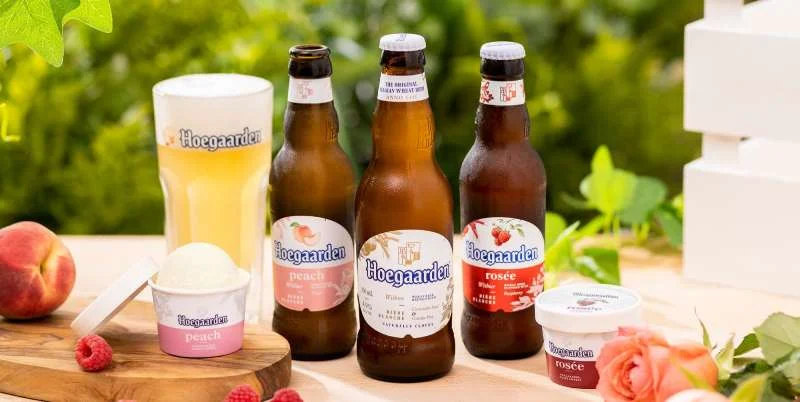
The collaboration helped Hoegaarden reach a global audience, and the beer began to appear in bars, restaurants, and supermarkets worldwide. Its distinctive packaging, including the iconic wide-mouthed glass and unique labeling, helped position Hoegaarden as a high-quality, premium beer suitable for a variety of occasions. This move to international markets ensured that Hoegaarden became one of the most recognized Belgian beers in the world.


B. Hoegaarden’s Iconic Position in the Craft Beer Movement

While Hoegaarden was initially a mass-produced beer under the Interbrew umbrella, it played a critical role in the craft beer revolution of the 1990s and 2000s. The craft beer movement was driven by a renewed interest in high-quality, unique beers, and Hoegaarden fit perfectly into this trend. It was seen as an example of Belgian craftsmanship, with a rich history of brewing and a commitment to quality.

In the United States, especially in cities like New York and San Francisco, Hoegaarden was embraced by the growing craft beer scene. It helped introduce Belgian-style wheat beers to a new generation of beer drinkers, becoming one of the cornerstones of the “Belgian beer boom.”

4. Hoegaarden’s Branding and Marketing: How the Icon Was Built

A. Crafting a Global Identity

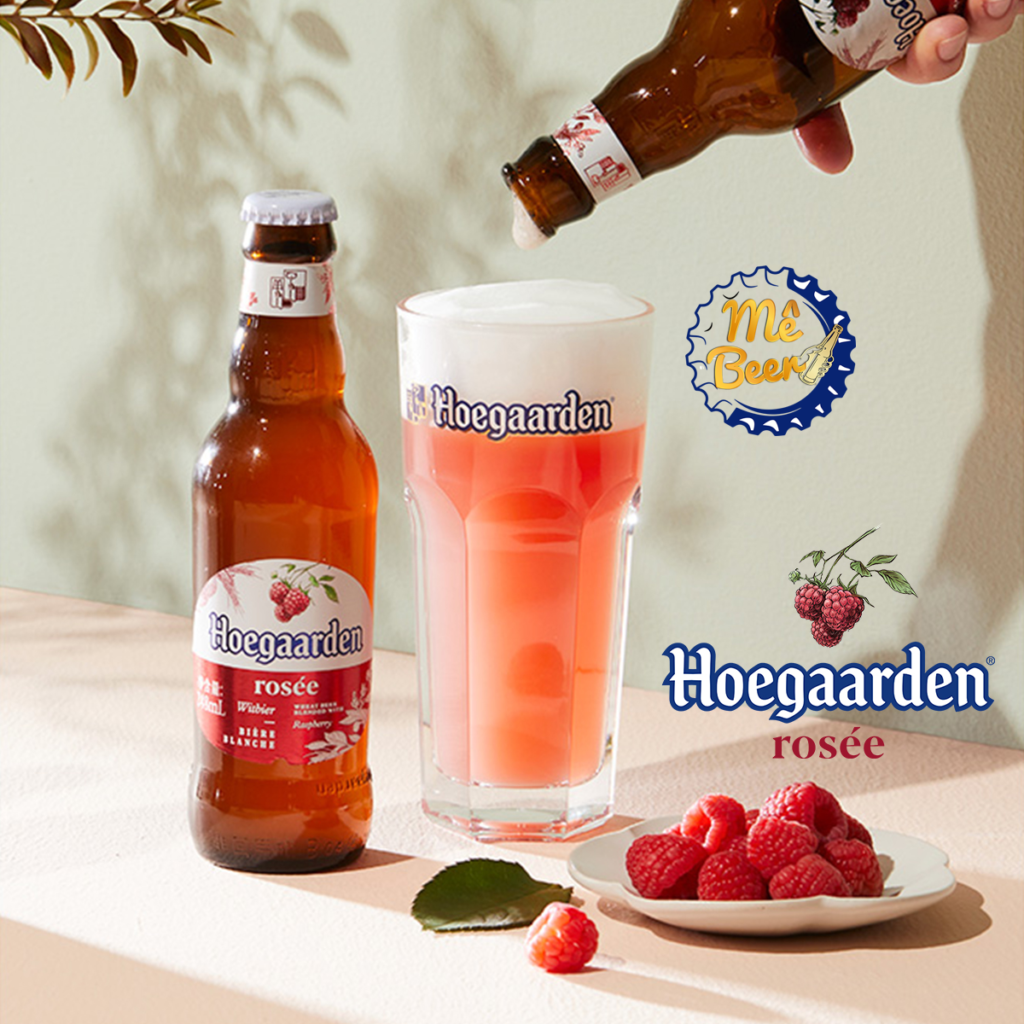
The key to Hoegaarden’s success was not just the beer itself, but the way it was marketed. The brand identity of Hoegaarden revolves around tradition, refreshment, and quality. The beer’s visual elements, such as the use of light colors, the wide-mouthed glass, and the distinctive fonts, all help reinforce its image as a refreshing, authentic, and high-quality product.

Hoegaarden’s marketing has also leaned heavily into lifestyle advertising, positioning the beer as the perfect drink for a relaxed social gathering. The slogan “Hoegaarden, the taste of summer” captures the essence of the beer’s image, which is casual, refreshing, and ideal for outdoor drinking experiences.


B. Emphasizing Heritage and Craftsmanship

Despite being owned by a global conglomerate, Hoegaarden has successfully maintained its image as an artisanal beer that respects its Belgian heritage. Hoegaarden’s branding emphasizes its craftsmanship and authenticity, playing up its long history and the artisanal brewing methods used in production.

This combination of traditional brewing practices with a modern global marketing approach has allowed Hoegaarden to position itself as a premium brand that appeals to both craft beer enthusiasts and mainstream beer drinkers alike.


5. The Future of Hoegaarden: Preserving Legacy, Embracing Innovation

A. Challenges in the Modern Beer Market

Despite its success, Hoegaarden faces challenges in a rapidly changing beer market. With the growing popularity of IPAs, sours, and other innovative craft beer styles, Hoegaarden must adapt and find ways to stay relevant. However, its heritage and the unique style of witbier help it stand out in a crowded field of beers.

B. Staying True to its Roots

Hoegaarden’s commitment to quality and heritage remains strong, and it continues to focus on maintaining the authenticity of its traditional brewing process. The brand’s ability to maintain the delicate balance between staying true to its roots and embracing modern trends will be essential in securing its place in the future of global beer culture.


Conclusion: Hoegaarden’s Legacy and Lasting Influence

Hoegaarden’s journey from a near-forgotten beer style to a global icon is a testament to the enduring appeal of authenticity, quality, and tradition. As we’ve seen, its revival in the 1960s, successful international marketing strategies, and commitment to craftsmanship have helped it become one of the most beloved Belgian beers in the world.

The success of Hoegaarden has not only shaped the way consumers perceive Belgian beers but also played a significant role in the growth of the craft beer movement. With its heritage, distinctive flavor, and unique cultural position, Hoegaarden remains a symbol of what happens when history and innovation come together.


Tags: beerCultureHealthHistoryInnovationmarket
ShareTweetShare

Related Posts

Malt Beer: Why Does Its Sweet Malty Aroma Always Bring Endless Satisfaction?
Beer

The Craft Beer Revolution: How Independent Breweries Changed the World of Beer

June 3, 2026
Beer: The World’s Oldest and Most Influential Beverage
Beer

Beer Styles of the World: A Complete Guide to Lager, Ale, Stout, IPA, and Beyond

June 3, 2026
Beer: The World’s Oldest and Most Influential Beverage
Beer

The Global Beer Industry: Markets, Brands, and Economic Impact

June 3, 2026
Beer: The World’s Oldest and Most Influential Beverage
Beer

The Science of Beer: Ingredients, Fermentation, and Flavor

June 3, 2026
Beer: The World’s Oldest and Most Influential Beverage
Beer

Beer: The World’s Oldest and Most Influential Beverage

June 3, 2026
Beer as a Cultural and Social Force: From Ancient Brew to Modern Identity
Beer

Women in Brewing: The Untold History and Modern Transformation of Beer Culture

May 23, 2026
Leave Comment
  • Trending
  • Comments
  • Latest
Role of Terroir in Champagne Production

Role of Terroir in Champagne Production

January 19, 2026
Champagne Can Be Aged in Wood?

Champagne Can Be Aged in Wood?

January 18, 2026
Is Organic Wine Healthier Than Conventional Wine?

Is Organic Wine Healthier Than Conventional Wine?

January 20, 2026
Why Do Some Champagnes Use a High Proportion of Pinot Meunier?

Why Do Some Champagnes Use a High Proportion of Pinot Meunier?

January 20, 2026
The Timeless Elegance of Wine: A Journey Through History and Culture

The Timeless Elegance of Wine: A Journey Through History and Culture

Why Is Château Lafite Rothschild the Pinnacle of Fine Wine?

Why Is Château Lafite Rothschild the Pinnacle of Fine Wine?

How Did Château Lafite Rothschild Become a Global Icon of Luxury?

How Did Château Lafite Rothschild Become a Global Icon of Luxury?

What Makes Chateau Lafite Rothschild the Pinnacle of Bordeaux Wines?

What Makes Chateau Lafite Rothschild the Pinnacle of Bordeaux Wines?

The History, Culture, and Global Influence of Humanity’s Most Celebrated Beverage

The Wine Revolution: How Modern Winemaking Transformed a Global Industry

June 3, 2026
The History, Culture, and Global Influence of Humanity’s Most Celebrated Beverage

Wine Styles of the World: A Complete Guide to Red, White, Rosé, Sparkling, and Fortified Wines

June 3, 2026
The History, Culture, and Global Influence of Humanity’s Most Celebrated Beverage

The Global Wine Industry: Markets, Trade, Tourism, and Economic Impact

June 3, 2026
The History, Culture, and Global Influence of Humanity’s Most Celebrated Beverage

The Science of Wine: Grapes, Fermentation, and Flavor Development

June 3, 2026
SipsavorLife

Welcome to our comprehensive beverage guide, where you can explore the fascinating world of alcoholic drinks. From exquisite wines and rich whiskeys to refreshing beers and sparkling champagnes, we provide insights, tips, and recommendations for enthusiasts and casual drinkers alike. Discover your next favorite libation with us!

© 2025 sipsavorlife.com. contacts:sipsavorlife-35376@gmail.com

No Result
View All Result
  • Home
  • Wine
  • Whiskey
  • Beer
  • Grain Spirits
  • Champagne
  • ALL

© 2025 sipsavorlife.com. contacts:sipsavorlife-35376@gmail.com

Welcome Back!

Login to your account below

Forgotten Password?

Retrieve your password

Please enter your username or email address to reset your password.

Log In





