






























SipsavorLife
  • Home
  • Wine
    Wine as a Cultural Artifact: History, Identity, and the Evolution of Taste

    The Art and Science of Wine & Food Pairing: How to Create Perfect Matches Every Time

    Wine as a Cultural Artifact: History, Identity, and the Evolution of Taste

    A Complete Guide to Wine Styles and Grape Varieties: From Cabernet Sauvignon to Riesling

    Wine as a Cultural Artifact: History, Identity, and the Evolution of Taste

    The Global Wine Industry: Economics, Markets, and the Future of Consumption

    Wine as a Cultural Artifact: History, Identity, and the Evolution of Taste

    The Science of Wine Tasting: How Chemistry, Biology, and Perception Shape Flavor

    Wine as a Cultural Artifact: History, Identity, and the Evolution of Taste

    Wine as a Cultural Artifact: History, Identity, and the Evolution of Taste

    Red Wine — The Liquid Expression of Land, Time, and Human Intention

    The Future of Red Wine — Climate Change, Technology, and the Evolution of Taste

  • Whiskey
    Can Beer Be an Effective Ingredient in Culinary Cooking?

    Can Beer Be an Effective Ingredient in Culinary Cooking?

    Second Fermentation in Champagne: Is It Really That Crucial?

    Second Fermentation in Champagne: Is It Really That Crucial?

    How Do Different Grains Impact the Flavor Profile of Distilled Spirits?

    How Do Different Grains Impact the Flavor Profile of Distilled Spirits?

    How Do Whiskey Master Blenders Create Perfection?

    How Do Whiskey Master Blenders Create Perfection?

    Wine Pairings: Can They Change the Flavor Profile of a Dish?

    Wine Pairings: Can They Change the Flavor Profile of a Dish?

    Beer the Ultimate Beverage for Pairing with Spicy Food?

    Beer the Ultimate Beverage for Pairing with Spicy Food?

  • Beer
    Beer as a Cultural and Social Force: From Ancient Brew to Modern Identity

    The Art of Beer & Food Pairing: Unlocking Flavor Through Balance, Contrast, and Texture

    Beer as a Cultural and Social Force: From Ancient Brew to Modern Identity

    A Complete Guide to Beer Styles: From Lager to Stout, Understanding Flavor, Body, and Character

    Beer as a Cultural and Social Force: From Ancient Brew to Modern Identity

    The Global Beer Industry: Craft Revolution, Market Forces, and the Future of Brewing

    Beer as a Cultural and Social Force: From Ancient Brew to Modern Identity

    The Science of Beer: Brewing Process, Ingredients, and the Chemistry of Flavor

    Beer as a Cultural and Social Force: From Ancient Brew to Modern Identity

    Beer as a Cultural and Social Force: From Ancient Brew to Modern Identity

    The Evolution of Beer — From Ancient Brews to the Craft Revolution

    The Future of Beer — Innovation, Sustainability, and Emerging Trends

  • Grain Spirits
    Grain Spirits Explained — The Foundation of Global Distillation

    The Future of Grain Spirits — Technology, Sustainability, and the Next Era of Distillation

    Grain Spirits Explained — The Foundation of Global Distillation

    Grain Spirits Around the World — Vodka, Whisky Bases, and Industrial Applications

    Grain Spirits Explained — The Foundation of Global Distillation

    Distillation Systems — Pot Still vs Column Still, and the Balance Between Efficiency and Flavor

    Grain Spirits Explained — The Foundation of Global Distillation

    Grain Selection and Fermentation Science — How Raw Ingredients Shape Grain Spirits

    Grain Spirits Explained — The Foundation of Global Distillation

    Grain Spirits Explained — The Foundation of Global Distillation

    Grain Spirits and the Industrial Birth of Neutral Alcohol

    The Future of Grain Spirits — AI Distillation, Sustainability, and the Post-Flavor Alcohol Industry

  • Champagne
    The History of Champagne — From Accidental Sparkle to Global Luxury

    The Future of Champagne — Climate Change, Innovation, and Industry Evolution

    The History of Champagne — From Accidental Sparkle to Global Luxury

    The Culture of Champagne — Luxury, Celebration, and Global Influence

    The History of Champagne — From Accidental Sparkle to Global Luxury

    Champagne Styles Explained — Brut, Rosé, Vintage, and Beyond

    The History of Champagne — From Accidental Sparkle to Global Luxury

    The Craft of Champagne — Terroir, Grapes, and the Méthode Traditionnelle

    The History of Champagne — From Accidental Sparkle to Global Luxury

    The History of Champagne — From Accidental Sparkle to Global Luxury

    The Future of Champagne — Climate Change, Innovation, and the Evolution of Sparkling Wine

    The Future of Champagne — Climate Change, Innovation, and the Evolution of Sparkling Wine

  • ALL
    Can Beer Be an Effective Ingredient in Culinary Cooking?

    Can Beer Be an Effective Ingredient in Culinary Cooking?

    Second Fermentation in Champagne: Is It Really That Crucial?

    Second Fermentation in Champagne: Is It Really That Crucial?

    How Do Different Grains Impact the Flavor Profile of Distilled Spirits?

    How Do Different Grains Impact the Flavor Profile of Distilled Spirits?

    How Do Whiskey Master Blenders Create Perfection?

    How Do Whiskey Master Blenders Create Perfection?

    Wine Pairings: Can They Change the Flavor Profile of a Dish?

    Wine Pairings: Can They Change the Flavor Profile of a Dish?

    Beer the Ultimate Beverage for Pairing with Spicy Food?

    Beer the Ultimate Beverage for Pairing with Spicy Food?

SipsavorLife
  • Home
  • Wine
    Wine as a Cultural Artifact: History, Identity, and the Evolution of Taste

    The Art and Science of Wine & Food Pairing: How to Create Perfect Matches Every Time

    Wine as a Cultural Artifact: History, Identity, and the Evolution of Taste

    A Complete Guide to Wine Styles and Grape Varieties: From Cabernet Sauvignon to Riesling

    Wine as a Cultural Artifact: History, Identity, and the Evolution of Taste

    The Global Wine Industry: Economics, Markets, and the Future of Consumption

    Wine as a Cultural Artifact: History, Identity, and the Evolution of Taste

    The Science of Wine Tasting: How Chemistry, Biology, and Perception Shape Flavor

    Wine as a Cultural Artifact: History, Identity, and the Evolution of Taste

    Wine as a Cultural Artifact: History, Identity, and the Evolution of Taste

    Red Wine — The Liquid Expression of Land, Time, and Human Intention

    The Future of Red Wine — Climate Change, Technology, and the Evolution of Taste

  • Whiskey
    Can Beer Be an Effective Ingredient in Culinary Cooking?

    Can Beer Be an Effective Ingredient in Culinary Cooking?

    Second Fermentation in Champagne: Is It Really That Crucial?

    Second Fermentation in Champagne: Is It Really That Crucial?

    How Do Different Grains Impact the Flavor Profile of Distilled Spirits?

    How Do Different Grains Impact the Flavor Profile of Distilled Spirits?

    How Do Whiskey Master Blenders Create Perfection?

    How Do Whiskey Master Blenders Create Perfection?

    Wine Pairings: Can They Change the Flavor Profile of a Dish?

    Wine Pairings: Can They Change the Flavor Profile of a Dish?

    Beer the Ultimate Beverage for Pairing with Spicy Food?

    Beer the Ultimate Beverage for Pairing with Spicy Food?

  • Beer
    Beer as a Cultural and Social Force: From Ancient Brew to Modern Identity

    The Art of Beer & Food Pairing: Unlocking Flavor Through Balance, Contrast, and Texture

    Beer as a Cultural and Social Force: From Ancient Brew to Modern Identity

    A Complete Guide to Beer Styles: From Lager to Stout, Understanding Flavor, Body, and Character

    Beer as a Cultural and Social Force: From Ancient Brew to Modern Identity

    The Global Beer Industry: Craft Revolution, Market Forces, and the Future of Brewing

    Beer as a Cultural and Social Force: From Ancient Brew to Modern Identity

    The Science of Beer: Brewing Process, Ingredients, and the Chemistry of Flavor

    Beer as a Cultural and Social Force: From Ancient Brew to Modern Identity

    Beer as a Cultural and Social Force: From Ancient Brew to Modern Identity

    The Evolution of Beer — From Ancient Brews to the Craft Revolution

    The Future of Beer — Innovation, Sustainability, and Emerging Trends

  • Grain Spirits
    Grain Spirits Explained — The Foundation of Global Distillation

    The Future of Grain Spirits — Technology, Sustainability, and the Next Era of Distillation

    Grain Spirits Explained — The Foundation of Global Distillation

    Grain Spirits Around the World — Vodka, Whisky Bases, and Industrial Applications

    Grain Spirits Explained — The Foundation of Global Distillation

    Distillation Systems — Pot Still vs Column Still, and the Balance Between Efficiency and Flavor

    Grain Spirits Explained — The Foundation of Global Distillation

    Grain Selection and Fermentation Science — How Raw Ingredients Shape Grain Spirits

    Grain Spirits Explained — The Foundation of Global Distillation

    Grain Spirits Explained — The Foundation of Global Distillation

    Grain Spirits and the Industrial Birth of Neutral Alcohol

    The Future of Grain Spirits — AI Distillation, Sustainability, and the Post-Flavor Alcohol Industry

  • Champagne
    The History of Champagne — From Accidental Sparkle to Global Luxury

    The Future of Champagne — Climate Change, Innovation, and Industry Evolution

    The History of Champagne — From Accidental Sparkle to Global Luxury

    The Culture of Champagne — Luxury, Celebration, and Global Influence

    The History of Champagne — From Accidental Sparkle to Global Luxury

    Champagne Styles Explained — Brut, Rosé, Vintage, and Beyond

    The History of Champagne — From Accidental Sparkle to Global Luxury

    The Craft of Champagne — Terroir, Grapes, and the Méthode Traditionnelle

    The History of Champagne — From Accidental Sparkle to Global Luxury

    The History of Champagne — From Accidental Sparkle to Global Luxury

    The Future of Champagne — Climate Change, Innovation, and the Evolution of Sparkling Wine

    The Future of Champagne — Climate Change, Innovation, and the Evolution of Sparkling Wine

  • ALL
    Can Beer Be an Effective Ingredient in Culinary Cooking?

    Can Beer Be an Effective Ingredient in Culinary Cooking?

    Second Fermentation in Champagne: Is It Really That Crucial?

    Second Fermentation in Champagne: Is It Really That Crucial?

    How Do Different Grains Impact the Flavor Profile of Distilled Spirits?

    How Do Different Grains Impact the Flavor Profile of Distilled Spirits?

    How Do Whiskey Master Blenders Create Perfection?

    How Do Whiskey Master Blenders Create Perfection?

    Wine Pairings: Can They Change the Flavor Profile of a Dish?

    Wine Pairings: Can They Change the Flavor Profile of a Dish?

    Beer the Ultimate Beverage for Pairing with Spicy Food?

    Beer the Ultimate Beverage for Pairing with Spicy Food?

SipsavorLife
No Result
View All Result
Home ALL

What Do Users Really Think About Moët & Chandon: A Deep Dive into Reviews and Consumer Insights?

January 10, 2025
in ALL, Champagne
What Do Users Really Think About Moët & Chandon: A Deep Dive into Reviews and Consumer Insights?

Introduction

Moët & Chandon, one of the oldest and most prestigious champagne houses, has long been associated with luxury, celebrations, and exceptional craftsmanship. Founded in 1743, the brand has earned an enviable reputation for producing some of the world’s finest champagne. However, beyond its glitzy image and storied history, the true measure of a brand’s success lies in its users—those who purchase and consume Moët & Chandon’s products.

Understanding how consumers perceive the brand, their experiences with its products, and the type of feedback they provide is essential in assessing the brand’s market position. This article takes a detailed look at Moët & Chandon’s users, their evaluations of the champagne, and what reviews reveal about the brand’s influence in the modern world.


1. Who Are Moët & Chandon’s Users?

Moët & Chandon’s consumer base is diverse, ranging from ultra-high-net-worth individuals to aspirational buyers who view the brand as a symbol of luxury and success. The following sections explore the different groups that form the brand’s user demographic.

1.1 Affluent Consumers and Luxury Enthusiasts

At its core, Moët & Chandon targets affluent individuals who have the financial means to indulge in premium champagne. These consumers often have a keen sense of luxury and are looking for products that embody sophistication and exclusivity. For them, Moët & Chandon is not just a beverage—it is an experience. It serves as a marker of success, wealth, and social standing.

Many of Moët & Chandon’s users in this segment are seasoned champagne drinkers who have established preferences for quality products. They are well-versed in the nuances of taste, selecting champagnes not only for their flavor but also for their brand prestige. These users frequently purchase Moët & Chandon for special occasions, celebrations, or as gifts, valuing the consistent quality and renowned status that comes with the Moët name.

1.2 Aspirational Consumers

Aspirational consumers, who may not yet have the means to consume luxury goods regularly, also form a significant part of Moët & Chandon’s user base. These buyers are typically younger, often in their twenties or thirties, and are looking to align themselves with a lifestyle of success and achievement. Moët & Chandon, through its accessible yet premium pricing, appeals to this group by providing a way for them to feel part of an exclusive world.

For these consumers, Moët & Chandon is a symbol of accomplishment and celebration. Whether purchasing a bottle for a milestone or to mark a personal achievement, they view the brand as a gateway into a sophisticated and luxurious lifestyle.

1.3 Event Attendees and Socialites

Moët & Chandon is frequently associated with high-profile events such as the Oscars, the Cannes Film Festival, and various luxury galas. These events often attract a crowd of celebrities, influencers, and socialites who are drawn to the brand for its connection to the elite world of glamour and status.

For these users, drinking Moët & Chandon is often tied to the experience of being part of a prestigious occasion. The champagne enhances the social experience, providing an opportunity to align with the brand’s celebrated reputation and partake in exclusive events.


2. What Do Moët & Chandon Users Say in Their Reviews?

Reviews from Moët & Chandon’s users offer valuable insights into what people think of the champagne and the overall experience associated with it. Whether reviews are published on e-commerce websites, social media, or wine review platforms, they serve as a window into the brand’s strengths and areas for potential improvement.

2.1 Positive User Reviews: Quality and Consistency

The majority of reviews for Moët & Chandon are overwhelmingly positive. One of the consistent themes in these reviews is the exceptional quality and consistency of the champagne. Users frequently praise the product for its balanced taste, refined bubbles, and high-end presentation. Moët & Chandon’s smooth, crisp flavors, typically marked by hints of citrus, apple, and subtle yeast notes, are universally appreciated for their complexity without being overwhelming.

  • Flavor Profile: Moët & Chandon’s classic Moët Impérial, for instance, is often described as “crisp and fresh with lively acidity” and “a well-rounded taste profile that is both elegant and approachable.”
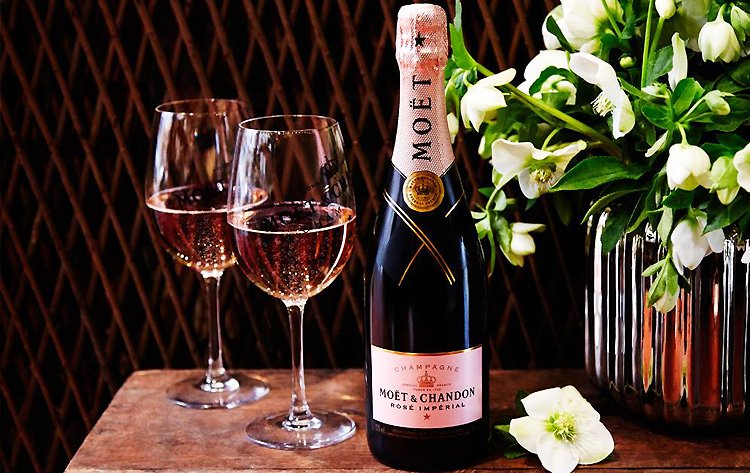
  • Luxury Experience: Many users note the luxurious experience that comes with opening a bottle of Moët & Chandon, highlighting the visual appeal of the bottle design and the celebratory feel it provides to any occasion.
  • Brand Reputation: The brand’s long-standing history and association with prestigious events play a significant role in elevating its perceived value. Users who are drawn to Moët & Chandon’s high profile often appreciate the champagne’s status, viewing it as an essential element of any upscale gathering.
2.2 Negative User Reviews: Cost and Accessibility

Despite the overwhelmingly positive reviews, there are some recurring criticisms from users. Many of the negative reviews focus on the brand’s premium pricing, which some consumers feel is not justified compared to other high-quality champagnes available at a lower price point.

  • Price Sensitivity: Aspiring champagne drinkers, in particular, may feel that Moët & Chandon’s products are too expensive for regular consumption. Some consumers express that while the champagne is great for special occasions, it may not be the most accessible option for everyday celebrations.
  • Comparisons with Competitors: While most reviews are positive, some users compare Moët & Chandon with other luxury champagne brands, such as Veuve Clicquot or Dom Pérignon. In these comparisons, certain consumers feel that while Moët & Chandon is a fine product, other options might offer a more refined or unique taste experience.

2.3 Mixed Reviews on Sustainability Efforts

Another area where Moët & Chandon receives mixed feedback is its sustainability efforts. Some users appreciate the brand’s recent initiatives to reduce its environmental impact, such as reducing carbon emissions and adopting more sustainable packaging practices. However, others feel that the brand could do more to improve its overall sustainability and transparency in the supply chain.


3. User Demographics and Behavior: Who Is Most Likely to Buy Moët & Chandon?

Moët & Chandon’s consumer base can be segmented into different demographics based on age, location, income level, and occasion. The following user characteristics provide a clearer understanding of Moët & Chandon’s market positioning.

3.1 Age and Generation

While Moët & Chandon has long been associated with older, more established consumers, the brand is increasingly targeting younger generations, particularly Millennials and Generation Z. These younger users are drawn to the brand’s sense of glamour and the accessibility of its luxury offerings, as seen in campaigns like the “Moët & Chandon Grand Day,” which invites social media influencers and younger consumers to celebrate with the brand.

3.2 Geographic Preferences

Moët & Chandon enjoys a global reach, with its products available in over 160 countries. However, the champagne is particularly popular in regions such as Europe (especially the UK and France), North America, and parts of Asia. Review data suggests that the champagne’s popularity varies based on regional preferences for sweetness levels, with some countries preferring drier varieties (such as Moët & Chandon Brut Imperial) and others opting for sweeter offerings.

3.3 Occasions and Celebrations

Moët & Chandon’s users primarily purchase the champagne for celebratory occasions—weddings, anniversaries, holidays, corporate events, and New Year’s Eve being the most common. The brand has successfully positioned itself as the go-to choice for moments of achievement and joy.


4. The Impact of User Reviews on Moët & Chandon’s Marketing Strategy

The reviews and feedback left by users play an essential role in shaping Moët & Chandon’s marketing strategy. By listening to both positive and negative feedback, the brand is able to refine its product offerings, marketing campaigns, and even its customer service initiatives. Additionally, user-generated content—such as reviews, social media posts, and testimonials—has become a critical aspect of the brand’s digital presence, driving both organic awareness and brand loyalty.

Moët & Chandon often incorporates user reviews and testimonials into its digital campaigns and website, allowing consumers to share their personal experiences. This helps to humanize the brand and make it more relatable to a broader audience.


Conclusion

Moët & Chandon’s consumer base is vast and varied, encompassing affluent individuals, younger aspirational buyers, and those who simply seek to celebrate with a luxury product. Reviews and feedback from users consistently highlight the brand’s strengths in quality, luxury, and celebratory spirit. However, the brand must continue to address concerns related to pricing, sustainability, and its competitive positioning in the marketplace.

In examining the users and reviews of Moët & Chandon, it becomes clear that the champagne house’s reputation for elegance and success is well-deserved, with consumers globally recognizing its ability to consistently deliver a top-tier product. By staying attuned to user feedback, Moët & Chandon ensures that it remains relevant and desirable, continuing to shine as the premier name in luxury champagne.


Tags: CultureHealthHistoryInnovationluxuryreviews
ShareTweetShare

Related Posts

The History of Champagne — From Accidental Sparkle to Global Luxury
Champagne

The Future of Champagne — Climate Change, Innovation, and Industry Evolution

April 25, 2026
The History of Champagne — From Accidental Sparkle to Global Luxury
Champagne

The Culture of Champagne — Luxury, Celebration, and Global Influence

April 25, 2026
The History of Champagne — From Accidental Sparkle to Global Luxury
Champagne

Champagne Styles Explained — Brut, Rosé, Vintage, and Beyond

April 25, 2026
The History of Champagne — From Accidental Sparkle to Global Luxury
Champagne

The Craft of Champagne — Terroir, Grapes, and the Méthode Traditionnelle

April 25, 2026
The History of Champagne — From Accidental Sparkle to Global Luxury
Champagne

The History of Champagne — From Accidental Sparkle to Global Luxury

April 25, 2026
The Future of Champagne — Climate Change, Innovation, and the Evolution of Sparkling Wine
Champagne

The Future of Champagne — Climate Change, Innovation, and the Evolution of Sparkling Wine

April 22, 2026
Leave Comment
  • Trending
  • Comments
  • Latest
Role of Terroir in Champagne Production

Role of Terroir in Champagne Production

January 19, 2026
Champagne Can Be Aged in Wood?

Champagne Can Be Aged in Wood?

January 18, 2026
Is Organic Wine Healthier Than Conventional Wine?

Is Organic Wine Healthier Than Conventional Wine?

January 20, 2026
Why Do Some Champagnes Use a High Proportion of Pinot Meunier?

Why Do Some Champagnes Use a High Proportion of Pinot Meunier?

January 20, 2026
The Timeless Elegance of Wine: A Journey Through History and Culture

The Timeless Elegance of Wine: A Journey Through History and Culture

Why Is Château Lafite Rothschild the Pinnacle of Fine Wine?

Why Is Château Lafite Rothschild the Pinnacle of Fine Wine?

How Did Château Lafite Rothschild Become a Global Icon of Luxury?

How Did Château Lafite Rothschild Become a Global Icon of Luxury?

What Makes Chateau Lafite Rothschild the Pinnacle of Bordeaux Wines?

What Makes Chateau Lafite Rothschild the Pinnacle of Bordeaux Wines?

Beer as a Cultural and Social Force: From Ancient Brew to Modern Identity

The Art of Beer & Food Pairing: Unlocking Flavor Through Balance, Contrast, and Texture

April 26, 2026
Beer as a Cultural and Social Force: From Ancient Brew to Modern Identity

A Complete Guide to Beer Styles: From Lager to Stout, Understanding Flavor, Body, and Character

April 26, 2026
Beer as a Cultural and Social Force: From Ancient Brew to Modern Identity

The Global Beer Industry: Craft Revolution, Market Forces, and the Future of Brewing

April 26, 2026
Beer as a Cultural and Social Force: From Ancient Brew to Modern Identity

The Science of Beer: Brewing Process, Ingredients, and the Chemistry of Flavor

April 26, 2026
SipsavorLife

Welcome to our comprehensive beverage guide, where you can explore the fascinating world of alcoholic drinks. From exquisite wines and rich whiskeys to refreshing beers and sparkling champagnes, we provide insights, tips, and recommendations for enthusiasts and casual drinkers alike. Discover your next favorite libation with us!

© 2025 sipsavorlife.com. contacts:sipsavorlife-35376@gmail.com

No Result
View All Result
  • Home
  • Wine
  • Whiskey
  • Beer
  • Grain Spirits
  • Champagne
  • ALL

© 2025 sipsavorlife.com. contacts:sipsavorlife-35376@gmail.com

Welcome Back!

Login to your account below

Forgotten Password?

Retrieve your password

Please enter your username or email address to reset your password.

Log In





