






























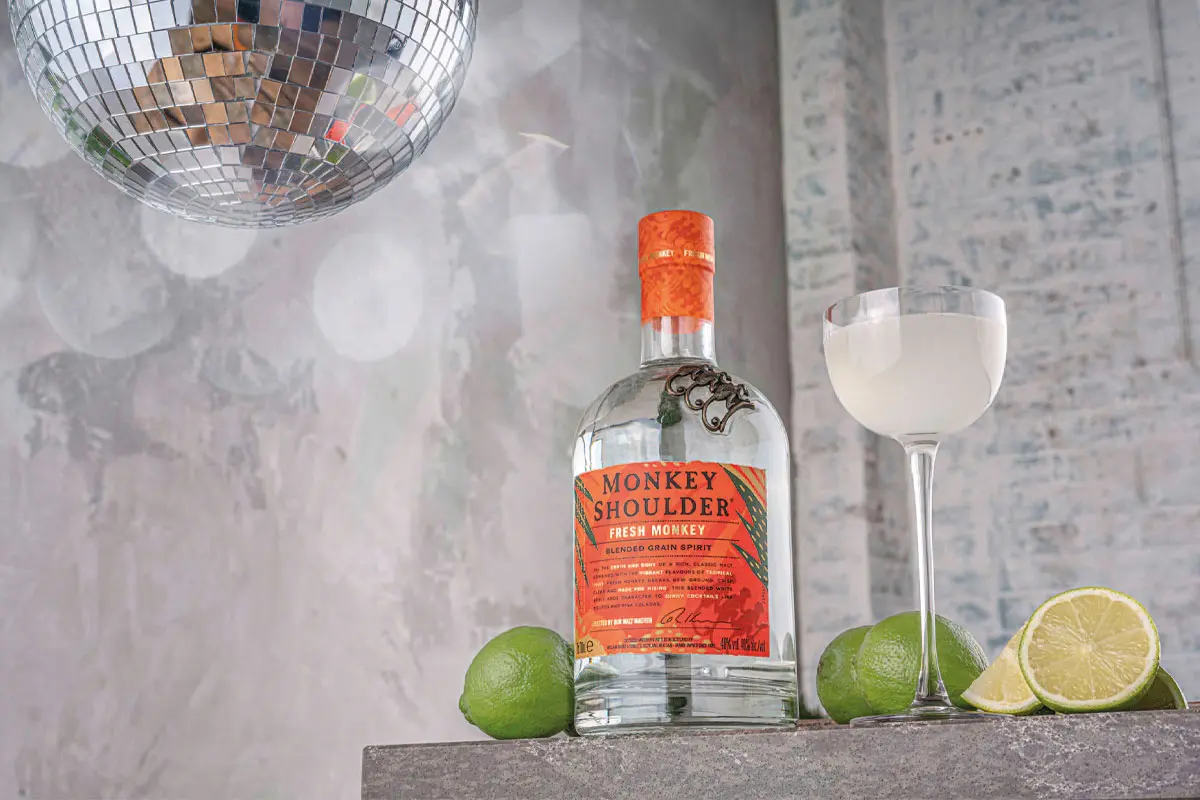
Introduction: When Alcohol Becomes Invisible
Most people think of spirits in terms of flavor—whiskey, rum, brandy, tequila. Each has a strong identity tied to raw materials and aging.
But grain spirits introduce a different idea entirely:
What if alcohol was designed to have almost no identity at all?
Grain spirits represent the most stripped-down version of distillation. They are not defined by barrel aging, terroir, or complex fermentation character. Instead, they are defined by neutrality, efficiency, and chemical purity.
To understand grain spirits is to understand the industrial side of alcohol itself—the moment when drinking becomes engineering.
Chapter 1: The Concept of Neutral Alcohol
1.1 What “Neutral” Really Means
Neutral grain spirit is alcohol distilled to extremely high purity, typically around:
- 95–96% ABV
At this level:
- Most flavor compounds are removed
- Aromatic identity is minimal
- The liquid becomes functionally blank
It is alcohol without personality.
1.2 Why Neutrality Was Desired
Neutral spirits were developed for practical reasons:
- Efficient transportation of alcohol
- Base material for flavored spirits
- Pharmaceutical and industrial use
- Consistent chemical standardization
Neutrality is not absence—it is utility.
Chapter 2: Grain as Industrial Fuel
2.1 Choice of Grain
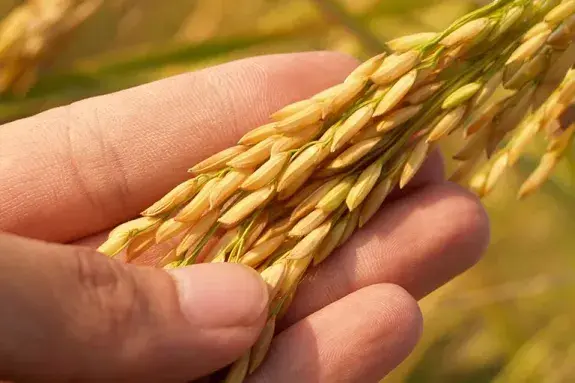
Unlike whiskey, grain spirits can use almost any cereal:
- Wheat
- Corn
- Rye
- Barley
- Mixed grains
The goal is not flavor, but fermentable sugar yield.
2.2 Starch Efficiency
Different grains produce different efficiencies:
- Corn → high yield, mild profile
- Wheat → clean fermentation
- Rye → slightly more complex but still neutral after distillation
Grain becomes a raw carbohydrate source rather than a flavor source.
Chapter 3: Fermentation for Maximum Alcohol Yield
3.1 Controlled Fermentation
Fermentation is optimized for:
- High sugar conversion
- Minimal byproducts
- Predictable output
Yeast selection focuses on:
- Alcohol tolerance
- Speed
- Efficiency
Flavor is not a priority.
3.2 Clean Fermentation Goal
Compared to beer or whiskey:
- Ester formation is minimized
- Sulfur compounds are reduced
- Complexity is intentionally suppressed
The goal is clarity of output.
Chapter 4: Multi-Column Distillation — The Industrial Leap
4.1 From Pot Still to Column Still
The key innovation in grain spirits is the continuous column still.
Unlike batch distillation:
- It runs continuously
- It produces higher purity alcohol
- It scales efficiently
4.2 Rectification Process
Inside the column still:
- Alcohol vapor rises through multiple plates
- Impurities are separated step by step
- Purity increases with each stage
This process is called rectification.
4.3 Output: Near-Pure Ethanol
The result is:
- Extremely high ABV
- Minimal congeners
- Industrial-grade consistency
At this stage, it is no longer a “spirit” in the traditional sense—it is a base chemical product.
Chapter 5: Grain Spirits as a Foundation Material
5.1 Base for Other Alcohols
Neutral grain spirit is used in:
- Vodka
- Gin
- Liqueurs
- Flavored spirits
- Medicinal tinctures
It acts as a blank canvas.
5.2 Flavor Addition vs Flavor Extraction
Unlike whiskey:
- Flavor is added later
- Not developed during aging
This fundamentally changes production philosophy.
Chapter 6: Vodka as a Cultural Expression of Neutrality
6.1 The Vodka Principle
Vodka is the most famous grain-based neutral spirit.
Its defining idea:
- “Purity equals quality”
6.2 Filtration Systems
Vodka may be filtered through:
- Charcoal
- Quartz
- Limestone
These processes aim to remove residual flavor compounds.
6.3 Cultural Interpretation
Different regions interpret neutrality differently:
- Eastern Europe → strength and clarity
- Western markets → smoothness and versatility
Vodka is not about taste—it is about texture and perception.
Chapter 7: Industrial Applications Beyond Drinking
7.1 Pharmaceutical Use
Neutral grain spirit is used in:
- Medicinal extracts
- Disinfectants
- Tinctures
7.2 Perfumery
It acts as:
- A solvent for aromatic compounds
- A neutral carrier for scent diffusion
7.3 Food Industry
Used in:
- Flavor extraction
- Food additives
- Processing aid
Chapter 8: The Philosophy of Removal
Grain spirits represent a unique philosophy:
Instead of building flavor, they remove it.
The process is:
- Strip complexity
- Remove identity
- Standardize output
This is industrial logic applied to alcohol.
Conclusion: The Invisible Foundation of Modern Spirits
Grain spirits rarely appear in cultural storytelling, yet they are everywhere.
They are:
- The base of countless products
- The backbone of modern distillation
- The invisible layer behind many familiar drinks
While whiskey or rum tells a story of place and time, grain spirits tell a different story:
A story of efficiency, control, and abstraction.
They are not meant to be remembered.
They are meant to enable everything else.










