






























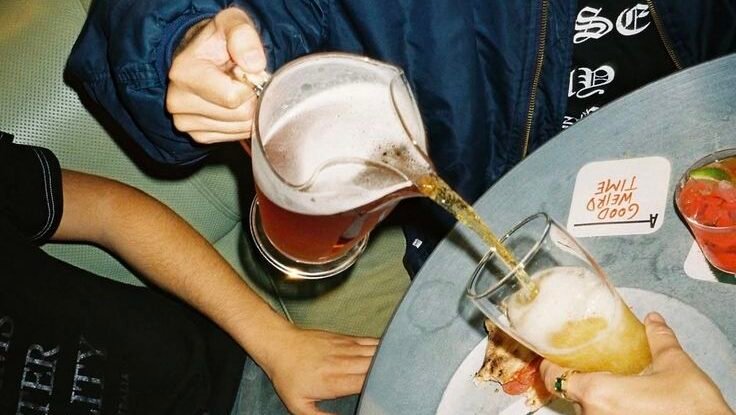
Introduction: From Beverage to Identity
In recent decades, beer has undergone a remarkable transformation. What was once a mass-produced, standardized product has become something far more personal, expressive, and culturally significant. Craft beer is no longer just about taste—it is about identity, community, and lifestyle.
To drink craft beer is to participate in a story. It is to support local artisans, explore global traditions, and embrace a slower, more intentional way of living.
This article explores how craft beer evolved into a cultural movement—and why it resonates so deeply with modern consumers.
1. The Shift from Consumption to Experience
1.1 Drinking vs. Experiencing
Traditional beer culture emphasized:
- Quantity over quality
- Consistency over creativity
- Brand loyalty over exploration
Craft beer flipped this model entirely.
Today’s drinkers seek:
- Unique flavors
- Stories behind the brew
- Emotional connection
Beer is no longer just consumed—it is experienced.
1.2 The Rise of the “Curious Drinker”
Modern consumers are:
- More informed
- More experimental
- More willing to pay for quality
Instead of sticking to one brand, they explore:
- Seasonal releases
- Limited editions
- Collaborative brews
This curiosity has driven unprecedented innovation.
2. Craft Beer as a Lifestyle Choice
2.1 Slow Living and Mindful Drinking
Craft beer aligns with the broader “slow living” movement:
- Taking time to savor flavors
- Choosing quality over quantity
- Being present in the moment
Unlike mass-market beer, craft beer encourages:
- Smaller pours
- Slower consumption
- Greater appreciation
It transforms drinking into a ritual.
2.2 Social Identity and Personal Taste
What you drink says something about you.
Craft beer drinkers often identify themselves through preferences:
- Hop lovers (IPA enthusiasts)
- Dark beer fans (stouts and porters)
- Experimental seekers (sours, wild ales)
Beer becomes a form of self-expression, similar to fashion or music.
3. The Role of Local Breweries
3.1 Community Hubs
Local breweries are more than production spaces—they are gathering places.
They host:
- Live music events
- Food pop-ups
- Community markets
They foster connection in an increasingly digital world.
3.2 Supporting Local Economies
Choosing craft beer often means:
- Supporting small businesses
- Encouraging local agriculture
- Keeping money within communities
This creates a sense of purpose behind consumption.
4. The Aesthetics of Craft Beer
4.1 Design as Storytelling
Craft beer labels are an art form.
They often feature:
- Bold illustrations
- Abstract graphics
- Cultural references
Each can tells a story before you even take a sip.
4.2 Instagram and Visual Culture
Social media has amplified craft beer culture.
Drinkers share:
- Beautiful pours
- Unique cans
- Brewery visits
Beer has become visually curated—part of a lifestyle aesthetic.
5. The Globalization of Craft Beer
5.1 A Worldwide Movement
Craft beer is no longer confined to the US or Europe.
It is thriving in:
- Southeast Asia
- South America
- Africa
Each region brings its own twist, using local ingredients and traditions.
5.2 Cross-Cultural Innovation
Brewers collaborate across borders, creating:
- Fusion styles
- Hybrid flavors
- New brewing techniques
Beer has become a global language.
6. The Ritual of Beer Tasting
6.1 Beyond Drinking
Craft beer tasting is similar to wine tasting.
It involves:
- Observing color and clarity
- Analyzing aroma
- Identifying flavor layers
This transforms beer into an intellectual experience.
6.2 Developing a Palate
Over time, drinkers learn to detect:
- Subtle bitterness differences
- Yeast characteristics
- Malt complexity
This deepens appreciation and enjoyment.
7. Beer Tourism
7.1 Traveling Through Taste
Beer tourism is booming.
Popular activities include:
- Brewery tours
- Beer festivals
- Tasting trails
Travelers explore regions through their beer culture.
7.2 Iconic Beer Destinations
Some places are legendary for beer lovers:
- Belgium → Trappist breweries
- Germany → traditional beer halls
- United States → craft beer hotspots
Beer becomes a reason to travel.
8. Inclusivity and Diversity in Beer Culture
8.1 Breaking Stereotypes
Beer was once seen as a “male-dominated” drink.
Today, the industry is becoming more inclusive:
- Female brewers
- Diverse ownership
- Broader audiences
8.2 New Voices and Perspectives
Different cultural backgrounds bring:
- New ingredients
- New stories
- New brewing philosophies
This enriches the entire ecosystem.
9. The Role of Technology
9.1 Digital Communities
Apps and platforms allow drinkers to:
- Rate beers
- Share reviews
- Discover new breweries
Beer culture has become interconnected globally.
9.2 Innovation in Brewing
Technology enables:
- Precision brewing
- Data-driven experimentation
- Consistency in small batches
This bridges tradition and modernity.
10. Challenges Facing Craft Beer
10.1 Market Saturation
With so many breweries, competition is intense.
Breweries must:
- Differentiate themselves
- Maintain quality
- Build strong brands
10.2 Balancing Art and Business
Craft brewers face a constant tension:
- Creativity vs. profitability
- Small-scale vs. expansion
Success requires both passion and strategy.
11. The Future of Craft Beer Culture
11.1 Hyper-Personalization
Consumers increasingly want:
- Customized flavors
- Unique experiences
- Personal connections
11.2 Sustainability
Eco-conscious brewing is becoming essential:
- Water conservation
- Renewable energy
- Sustainable sourcing
11.3 The Continued Evolution of Taste
As palates evolve, so will beer:
- Less bitterness, more balance
- New fermentation techniques
- Unconventional ingredients
Conclusion: A Cultural Renaissance in a Glass
Craft beer is more than a trend—it is a cultural renaissance.
It represents:
- A return to craftsmanship
- A celebration of diversity
- A rejection of uniformity
In a fast-paced, mass-produced world, craft beer offers something rare: authenticity.
It invites us to slow down, explore, and connect—with flavors, with people, and with stories.
And perhaps that is why it continues to grow—not just as a product, but as a way of life.










