SipsavorLife
  • Home
  • Wine
    The Cultural History of Wine: From Ancient Rituals to Modern Luxury

    The Psychology of Wine: Why Humans Associate Wine with Emotion, Memory, and Identity

    The Cultural History of Wine: From Ancient Rituals to Modern Luxury

    Sustainable Winemaking: Environmental Challenges and the Future of Vineyards

    The Cultural History of Wine: From Ancient Rituals to Modern Luxury

    Wine and Food Pairing: The Culinary Art of Balance and Flavor

    The Cultural History of Wine: From Ancient Rituals to Modern Luxury

    The Science of Wine: Fermentation, Chemistry, and Flavor Development

    The Cultural History of Wine: From Ancient Rituals to Modern Luxury

    The Cultural History of Wine: From Ancient Rituals to Modern Luxury

    Wine as a Cultural Artifact: History, Identity, and the Evolution of Taste

    The Art and Science of Wine & Food Pairing: How to Create Perfect Matches Every Time

  • Whiskey
    Can Beer Be an Effective Ingredient in Culinary Cooking?

    Can Beer Be an Effective Ingredient in Culinary Cooking?

    Second Fermentation in Champagne: Is It Really That Crucial?

    Second Fermentation in Champagne: Is It Really That Crucial?

    How Do Different Grains Impact the Flavor Profile of Distilled Spirits?

    How Do Different Grains Impact the Flavor Profile of Distilled Spirits?

    How Do Whiskey Master Blenders Create Perfection?

    How Do Whiskey Master Blenders Create Perfection?

    Wine Pairings: Can They Change the Flavor Profile of a Dish?

    Wine Pairings: Can They Change the Flavor Profile of a Dish?

    Beer the Ultimate Beverage for Pairing with Spicy Food?

    Beer the Ultimate Beverage for Pairing with Spicy Food?

  • Beer
    Beer as a Cultural and Social Force: From Ancient Brew to Modern Identity

    Women in Brewing: The Untold History and Modern Transformation of Beer Culture

    The Global Craft Beer Revolution: How Independent Brewers Changed Modern Drinking Culture

    Beer Tourism: Exploring the World Through Breweries and Drinking Traditions

    The Global Craft Beer Revolution: How Independent Brewers Changed Modern Drinking Culture

    Barrel Aging and Experimental Brewing: The New Frontier of Beer Innovation

    The Global Craft Beer Revolution: How Independent Brewers Changed Modern Drinking Culture

    Beer and Society: How Beer Shapes Communities, Traditions, and Human Connection

    The Global Craft Beer Revolution: How Independent Brewers Changed Modern Drinking Culture

    The Global Craft Beer Revolution: How Independent Brewers Changed Modern Drinking Culture

    The Global Craft Beer Revolution: How Independent Breweries Changed Modern Drinking Culture

    The Future of Beer: Innovation, Sustainability, and the Changing Global Drinking Culture

  • Grain Spirits
    Grain Spirits Explained — The Foundation of Global Distillation

    The Future of Grain Spirits — Technology, Sustainability, and the Next Era of Distillation

    Grain Spirits Explained — The Foundation of Global Distillation

    Grain Spirits Around the World — Vodka, Whisky Bases, and Industrial Applications

    Grain Spirits Explained — The Foundation of Global Distillation

    Distillation Systems — Pot Still vs Column Still, and the Balance Between Efficiency and Flavor

    Grain Spirits Explained — The Foundation of Global Distillation

    Grain Selection and Fermentation Science — How Raw Ingredients Shape Grain Spirits

    Grain Spirits Explained — The Foundation of Global Distillation

    Grain Spirits Explained — The Foundation of Global Distillation

    Grain Spirits and the Industrial Birth of Neutral Alcohol

    The Future of Grain Spirits — AI Distillation, Sustainability, and the Post-Flavor Alcohol Industry

  • Champagne
    Champagne: The Sparkling Wine That Changed Global Celebration Culture

    Champagne vs Prosecco vs Cava: How the World’s Sparkling Wines Reflect Culture, Geography, and Taste

    Champagne: The Sparkling Wine That Changed Global Celebration Culture

    Women Who Changed Champagne: Widow Clicquot, Female Leadership, and the Hidden History of Sparkling Wine

    Champagne: The Sparkling Wine That Changed Global Celebration Culture

    Champagne and Gastronomy: Why Sparkling Wine Became One of the World’s Greatest Food Companions

    Champagne: The Sparkling Wine That Changed Global Celebration Culture

    The Art of Luxury Champagne: Prestige, Fashion, and the Global Symbol of Elegance

    Champagne: The Sparkling Wine That Changed Global Celebration Culture

    Champagne: The Sparkling Wine That Changed Global Celebration Culture

    The History of Champagne — From Accidental Sparkle to Global Luxury

    The Future of Champagne — Climate Change, Innovation, and Industry Evolution

  • ALL
    Can Beer Be an Effective Ingredient in Culinary Cooking?

    Can Beer Be an Effective Ingredient in Culinary Cooking?

    Second Fermentation in Champagne: Is It Really That Crucial?

    Second Fermentation in Champagne: Is It Really That Crucial?

    How Do Different Grains Impact the Flavor Profile of Distilled Spirits?

    How Do Different Grains Impact the Flavor Profile of Distilled Spirits?

    How Do Whiskey Master Blenders Create Perfection?

    How Do Whiskey Master Blenders Create Perfection?

    Wine Pairings: Can They Change the Flavor Profile of a Dish?

    Wine Pairings: Can They Change the Flavor Profile of a Dish?

    Beer the Ultimate Beverage for Pairing with Spicy Food?

    Beer the Ultimate Beverage for Pairing with Spicy Food?

SipsavorLife
  • Home
  • Wine
    The Cultural History of Wine: From Ancient Rituals to Modern Luxury

    The Psychology of Wine: Why Humans Associate Wine with Emotion, Memory, and Identity

    The Cultural History of Wine: From Ancient Rituals to Modern Luxury

    Sustainable Winemaking: Environmental Challenges and the Future of Vineyards

    The Cultural History of Wine: From Ancient Rituals to Modern Luxury

    Wine and Food Pairing: The Culinary Art of Balance and Flavor

    The Cultural History of Wine: From Ancient Rituals to Modern Luxury

    The Science of Wine: Fermentation, Chemistry, and Flavor Development

    The Cultural History of Wine: From Ancient Rituals to Modern Luxury

    The Cultural History of Wine: From Ancient Rituals to Modern Luxury

    Wine as a Cultural Artifact: History, Identity, and the Evolution of Taste

    The Art and Science of Wine & Food Pairing: How to Create Perfect Matches Every Time

  • Whiskey
    Can Beer Be an Effective Ingredient in Culinary Cooking?

    Can Beer Be an Effective Ingredient in Culinary Cooking?

    Second Fermentation in Champagne: Is It Really That Crucial?

    Second Fermentation in Champagne: Is It Really That Crucial?

    How Do Different Grains Impact the Flavor Profile of Distilled Spirits?

    How Do Different Grains Impact the Flavor Profile of Distilled Spirits?

    How Do Whiskey Master Blenders Create Perfection?

    How Do Whiskey Master Blenders Create Perfection?

    Wine Pairings: Can They Change the Flavor Profile of a Dish?

    Wine Pairings: Can They Change the Flavor Profile of a Dish?

    Beer the Ultimate Beverage for Pairing with Spicy Food?

    Beer the Ultimate Beverage for Pairing with Spicy Food?

  • Beer
    Beer as a Cultural and Social Force: From Ancient Brew to Modern Identity

    Women in Brewing: The Untold History and Modern Transformation of Beer Culture

    The Global Craft Beer Revolution: How Independent Brewers Changed Modern Drinking Culture

    Beer Tourism: Exploring the World Through Breweries and Drinking Traditions

    The Global Craft Beer Revolution: How Independent Brewers Changed Modern Drinking Culture

    Barrel Aging and Experimental Brewing: The New Frontier of Beer Innovation

    The Global Craft Beer Revolution: How Independent Brewers Changed Modern Drinking Culture

    Beer and Society: How Beer Shapes Communities, Traditions, and Human Connection

    The Global Craft Beer Revolution: How Independent Brewers Changed Modern Drinking Culture

    The Global Craft Beer Revolution: How Independent Brewers Changed Modern Drinking Culture

    The Global Craft Beer Revolution: How Independent Breweries Changed Modern Drinking Culture

    The Future of Beer: Innovation, Sustainability, and the Changing Global Drinking Culture

  • Grain Spirits
    Grain Spirits Explained — The Foundation of Global Distillation

    The Future of Grain Spirits — Technology, Sustainability, and the Next Era of Distillation

    Grain Spirits Explained — The Foundation of Global Distillation

    Grain Spirits Around the World — Vodka, Whisky Bases, and Industrial Applications

    Grain Spirits Explained — The Foundation of Global Distillation

    Distillation Systems — Pot Still vs Column Still, and the Balance Between Efficiency and Flavor

    Grain Spirits Explained — The Foundation of Global Distillation

    Grain Selection and Fermentation Science — How Raw Ingredients Shape Grain Spirits

    Grain Spirits Explained — The Foundation of Global Distillation

    Grain Spirits Explained — The Foundation of Global Distillation

    Grain Spirits and the Industrial Birth of Neutral Alcohol

    The Future of Grain Spirits — AI Distillation, Sustainability, and the Post-Flavor Alcohol Industry

  • Champagne
    Champagne: The Sparkling Wine That Changed Global Celebration Culture

    Champagne vs Prosecco vs Cava: How the World’s Sparkling Wines Reflect Culture, Geography, and Taste

    Champagne: The Sparkling Wine That Changed Global Celebration Culture

    Women Who Changed Champagne: Widow Clicquot, Female Leadership, and the Hidden History of Sparkling Wine

    Champagne: The Sparkling Wine That Changed Global Celebration Culture

    Champagne and Gastronomy: Why Sparkling Wine Became One of the World’s Greatest Food Companions

    Champagne: The Sparkling Wine That Changed Global Celebration Culture

    The Art of Luxury Champagne: Prestige, Fashion, and the Global Symbol of Elegance

    Champagne: The Sparkling Wine That Changed Global Celebration Culture

    Champagne: The Sparkling Wine That Changed Global Celebration Culture

    The History of Champagne — From Accidental Sparkle to Global Luxury

    The Future of Champagne — Climate Change, Innovation, and Industry Evolution

  • ALL
    Can Beer Be an Effective Ingredient in Culinary Cooking?

    Can Beer Be an Effective Ingredient in Culinary Cooking?

    Second Fermentation in Champagne: Is It Really That Crucial?

    Second Fermentation in Champagne: Is It Really That Crucial?

    How Do Different Grains Impact the Flavor Profile of Distilled Spirits?

    How Do Different Grains Impact the Flavor Profile of Distilled Spirits?

    How Do Whiskey Master Blenders Create Perfection?

    How Do Whiskey Master Blenders Create Perfection?

    Wine Pairings: Can They Change the Flavor Profile of a Dish?

    Wine Pairings: Can They Change the Flavor Profile of a Dish?

    Beer the Ultimate Beverage for Pairing with Spicy Food?

    Beer the Ultimate Beverage for Pairing with Spicy Food?

SipsavorLife
No Result
View All Result
Home Champagne

From Vineyard to Bottle: The Art and Science of Champagne Making

March 30, 2026
in Champagne
Champagne: The Drink of Celebration and Power

Opening Perspective: Precision Behind the Sparkle

Champagne may look effortless in the glass—delicate bubbles rising in perfect streams, aromas unfolding elegantly—but its creation is anything but simple. Behind every bottle lies one of the most complex and tightly regulated winemaking processes in the world.

Unlike still wines, Champagne undergoes a second fermentation inside the bottle, a method that requires patience, precision, and deep expertise. It is a process shaped not only by science, but by tradition, geography, and time. Every step—from the vineyard to the cellar—is carefully controlled to ensure consistency, quality, and identity.

To truly understand Champagne is to understand how it is made. Because in Champagne, the process is the product.


Part I — Terroir: Where Champagne Begins

1. The Meaning of Place

Champagne is not just a style—it is a place. Only sparkling wine produced in the Champagne region of France can legally bear the name.

This region’s uniqueness lies in its terroir, a French concept that combines:

  • Soil composition
  • Climate conditions
  • Topography
  • Human practices

Together, these elements shape the character of the grapes—and ultimately, the wine.


2. Chalk, Climate, and Acidity

The Champagne region is defined by:

  • Chalky soil → excellent drainage and mineral character
  • Cool climate → slow ripening, preserving acidity
  • Variable weather → challenges that demand skillful vineyard management

High acidity is crucial. It gives Champagne its freshness and allows it to age gracefully.


Part II — The Grapes: A Delicate Balance

Champagne is typically made from three main grape varieties:

1. Chardonnay

  • Light, elegant, and acidic
  • Adds freshness and finesse

2. Pinot Noir

  • Provides structure and body
  • Contributes depth and intensity

3. Pinot Meunier

  • Adds fruitiness and approachability
  • Helps balance the blend

Each grape plays a specific role, and the art of Champagne lies in blending them harmoniously.


Part III — Harvesting and Pressing

1. Harvest Timing

Grapes are usually harvested earlier than those for still wines.

Why?

  • To preserve acidity
  • To maintain freshness
  • To avoid excessive sugar levels

Timing is critical—too early, and flavors are underdeveloped; too late, and the wine loses its balance.


2. Gentle Pressing

After harvesting, grapes are pressed carefully.

  • Minimal skin contact
  • Clear juice extraction
  • Avoiding bitterness

Even red grapes like Pinot Noir are used to produce white Champagne, thanks to this gentle pressing process.


Part IV — First Fermentation: Creating the Base Wine

The extracted juice undergoes its first fermentation, turning sugar into alcohol.

This stage produces a still wine, known as the base wine.

Characteristics:

  • High acidity
  • Relatively low alcohol
  • Neutral flavor profile

At this point, the wine does not resemble Champagne as we know it. The transformation is only beginning.


Part V — Blending: The Art of Consistency

1. Assemblage

Blending, or assemblage, is one of the most important steps.

Winemakers combine:

  • Different grape varieties
  • Wines from different vineyards
  • Wines from different years

The goal is to create a consistent house style.


2. Non-Vintage vs Vintage

  • Non-vintage Champagne:
    Blended from multiple years for consistency
  • Vintage Champagne:
    Made from a single exceptional year

Non-vintage wines dominate the market, while vintage bottles represent unique expressions of specific harvests.

Part VI — The Second Fermentation: Where the Magic Happens

This is the defining step of Champagne production.

1. Tirage: Adding Life to the Bottle

A mixture of sugar and yeast is added to the base wine before bottling.

This triggers a second fermentation inside the sealed bottle.


2. Creating Bubbles

During this fermentation:

  • Yeast consumes sugar
  • Carbon dioxide is produced
  • Gas is trapped inside the bottle

This creates the signature bubbles.

Unlike carbonation in soft drinks, these bubbles are naturally formed, contributing to a finer, more elegant texture.


Part VII — Aging: Time as an Ingredient

1. Lees Aging

After fermentation, the wine rests on dead yeast cells, known as lees.

This stage can last:

  • Minimum 15 months (non-vintage)
  • Several years (premium Champagne)

2. Flavor Development

Lees aging adds complexity:

  • Bread and brioche notes
  • Creamy texture
  • Greater depth

Time transforms the wine, making it richer and more nuanced.


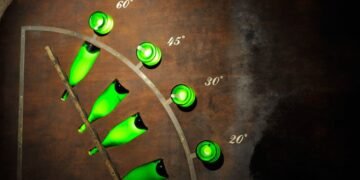
Part VIII — Riddling: Clarifying the Wine

After aging, sediment must be removed.

1. Traditional Method

Bottles are gradually tilted and rotated over time.

  • Sediment collects in the neck
  • Process requires precision and patience

2. Modern Techniques

Many producers now use automated systems to perform riddling efficiently.

Despite technological advances, the principle remains unchanged.


Part IX — Disgorgement and Dosage

1. Disgorgement

The neck of the bottle is frozen, and the sediment is expelled.

This leaves clear, sparkling wine behind.


2. Dosage: Final Adjustment

A small amount of sugar (and sometimes wine) is added.

This determines the sweetness level:

  • Brut Nature (very dry)
  • Brut (dry)
  • Demi-sec (slightly sweet)

Dosage fine-tunes the balance of the final product.


Part X — Corking and Resting

The bottle is sealed with a cork and wire cage.

It then rests again, allowing the wine to stabilize before release.

Even after all these steps, Champagne continues to evolve in the bottle.


Part XI — The Science Behind the Elegance

Champagne production involves multiple scientific disciplines:

Chemistry

  • Fermentation reactions
  • Flavor compound development

Biology

  • Yeast behavior
  • Aging processes

Physics

  • Pressure inside the bottle (up to 6 atmospheres)
  • Bubble formation and release

The result is a perfect balance between control and unpredictability.


Part XII — Craft vs Scale

Even within Champagne, producers vary:

Large Houses

  • Consistency across millions of bottles
  • Strong brand identity

Grower Producers

  • Smaller scale
  • Focus on terroir expression

Both approaches contribute to the diversity of Champagne.


Conclusion: A Process Worth Celebrating

Champagne is not just made—it is crafted through time, precision, and patience.

Every step, from vineyard to bottle, adds a layer of complexity. Every decision shapes the final experience. And every bottle carries the imprint of both nature and human expertise.

When you drink Champagne, you are not just tasting wine. You are tasting:

  • A specific place
  • A controlled process
  • Years of transformation

In a world that often prioritizes speed and efficiency, Champagne stands as a reminder of something different—that true quality takes time.

And perhaps that is why it feels so special.
Tags: champagneChampagne CelebrationCulture
ShareTweetShare

Related Posts

Champagne: The Sparkling Wine That Changed Global Celebration Culture
Champagne

Champagne vs Prosecco vs Cava: How the World’s Sparkling Wines Reflect Culture, Geography, and Taste

May 24, 2026
Champagne: The Sparkling Wine That Changed Global Celebration Culture
Champagne

Women Who Changed Champagne: Widow Clicquot, Female Leadership, and the Hidden History of Sparkling Wine

May 24, 2026
Champagne: The Sparkling Wine That Changed Global Celebration Culture
Champagne

Champagne and Gastronomy: Why Sparkling Wine Became One of the World’s Greatest Food Companions

May 24, 2026
Champagne: The Sparkling Wine That Changed Global Celebration Culture
Champagne

The Art of Luxury Champagne: Prestige, Fashion, and the Global Symbol of Elegance

May 24, 2026
Champagne: The Sparkling Wine That Changed Global Celebration Culture
Champagne

Champagne: The Sparkling Wine That Changed Global Celebration Culture

May 24, 2026
The History of Champagne — From Accidental Sparkle to Global Luxury
Champagne

The Future of Champagne — Climate Change, Innovation, and Industry Evolution

April 25, 2026
Leave Comment
  • Trending
  • Comments
  • Latest
Role of Terroir in Champagne Production

Role of Terroir in Champagne Production

January 19, 2026
Champagne Can Be Aged in Wood?

Champagne Can Be Aged in Wood?

January 18, 2026
Is Organic Wine Healthier Than Conventional Wine?

Is Organic Wine Healthier Than Conventional Wine?

January 20, 2026
Why Do Some Champagnes Use a High Proportion of Pinot Meunier?

Why Do Some Champagnes Use a High Proportion of Pinot Meunier?

January 20, 2026
The Timeless Elegance of Wine: A Journey Through History and Culture

The Timeless Elegance of Wine: A Journey Through History and Culture

Why Is Château Lafite Rothschild the Pinnacle of Fine Wine?

Why Is Château Lafite Rothschild the Pinnacle of Fine Wine?

How Did Château Lafite Rothschild Become a Global Icon of Luxury?

How Did Château Lafite Rothschild Become a Global Icon of Luxury?

What Makes Chateau Lafite Rothschild the Pinnacle of Bordeaux Wines?

What Makes Chateau Lafite Rothschild the Pinnacle of Bordeaux Wines?

Champagne: The Sparkling Wine That Changed Global Celebration Culture

Champagne vs Prosecco vs Cava: How the World’s Sparkling Wines Reflect Culture, Geography, and Taste

May 24, 2026
Champagne: The Sparkling Wine That Changed Global Celebration Culture

Women Who Changed Champagne: Widow Clicquot, Female Leadership, and the Hidden History of Sparkling Wine

May 24, 2026
Champagne: The Sparkling Wine That Changed Global Celebration Culture

Champagne and Gastronomy: Why Sparkling Wine Became One of the World’s Greatest Food Companions

May 24, 2026
Champagne: The Sparkling Wine That Changed Global Celebration Culture

The Art of Luxury Champagne: Prestige, Fashion, and the Global Symbol of Elegance

May 24, 2026
SipsavorLife

Welcome to our comprehensive beverage guide, where you can explore the fascinating world of alcoholic drinks. From exquisite wines and rich whiskeys to refreshing beers and sparkling champagnes, we provide insights, tips, and recommendations for enthusiasts and casual drinkers alike. Discover your next favorite libation with us!

© 2025 sipsavorlife.com. contacts:sipsavorlife-35376@gmail.com

No Result
View All Result
  • Home
  • Wine
  • Whiskey
  • Beer
  • Grain Spirits
  • Champagne
  • ALL

© 2025 sipsavorlife.com. contacts:sipsavorlife-35376@gmail.com

Welcome Back!

Login to your account below

Forgotten Password?

Retrieve your password

Please enter your username or email address to reset your password.

Log In