











SipsavorLife
  • Home
  • Wine
    Wine as a Cultural Artifact: History, Identity, and the Evolution of Taste

    The Art and Science of Wine & Food Pairing: How to Create Perfect Matches Every Time

    Wine as a Cultural Artifact: History, Identity, and the Evolution of Taste

    A Complete Guide to Wine Styles and Grape Varieties: From Cabernet Sauvignon to Riesling

    Wine as a Cultural Artifact: History, Identity, and the Evolution of Taste

    The Global Wine Industry: Economics, Markets, and the Future of Consumption

    Wine as a Cultural Artifact: History, Identity, and the Evolution of Taste

    The Science of Wine Tasting: How Chemistry, Biology, and Perception Shape Flavor

    Wine as a Cultural Artifact: History, Identity, and the Evolution of Taste

    Wine as a Cultural Artifact: History, Identity, and the Evolution of Taste

    Red Wine — The Liquid Expression of Land, Time, and Human Intention

    The Future of Red Wine — Climate Change, Technology, and the Evolution of Taste

  • Whiskey
    Can Beer Be an Effective Ingredient in Culinary Cooking?

    Can Beer Be an Effective Ingredient in Culinary Cooking?

    Second Fermentation in Champagne: Is It Really That Crucial?

    Second Fermentation in Champagne: Is It Really That Crucial?

    How Do Different Grains Impact the Flavor Profile of Distilled Spirits?

    How Do Different Grains Impact the Flavor Profile of Distilled Spirits?

    How Do Whiskey Master Blenders Create Perfection?

    How Do Whiskey Master Blenders Create Perfection?

    Wine Pairings: Can They Change the Flavor Profile of a Dish?

    Wine Pairings: Can They Change the Flavor Profile of a Dish?

    Beer the Ultimate Beverage for Pairing with Spicy Food?

    Beer the Ultimate Beverage for Pairing with Spicy Food?

  • Beer
    Beer as a Cultural and Social Force: From Ancient Brew to Modern Identity

    The Art of Beer & Food Pairing: Unlocking Flavor Through Balance, Contrast, and Texture

    Beer as a Cultural and Social Force: From Ancient Brew to Modern Identity

    A Complete Guide to Beer Styles: From Lager to Stout, Understanding Flavor, Body, and Character

    Beer as a Cultural and Social Force: From Ancient Brew to Modern Identity

    The Global Beer Industry: Craft Revolution, Market Forces, and the Future of Brewing

    Beer as a Cultural and Social Force: From Ancient Brew to Modern Identity

    The Science of Beer: Brewing Process, Ingredients, and the Chemistry of Flavor

    Beer as a Cultural and Social Force: From Ancient Brew to Modern Identity

    Beer as a Cultural and Social Force: From Ancient Brew to Modern Identity

    The Evolution of Beer — From Ancient Brews to the Craft Revolution

    The Future of Beer — Innovation, Sustainability, and Emerging Trends

  • Grain Spirits
    Grain Spirits Explained — The Foundation of Global Distillation

    The Future of Grain Spirits — Technology, Sustainability, and the Next Era of Distillation

    Grain Spirits Explained — The Foundation of Global Distillation

    Grain Spirits Around the World — Vodka, Whisky Bases, and Industrial Applications

    Grain Spirits Explained — The Foundation of Global Distillation

    Distillation Systems — Pot Still vs Column Still, and the Balance Between Efficiency and Flavor

    Grain Spirits Explained — The Foundation of Global Distillation

    Grain Selection and Fermentation Science — How Raw Ingredients Shape Grain Spirits

    Grain Spirits Explained — The Foundation of Global Distillation

    Grain Spirits Explained — The Foundation of Global Distillation

    Grain Spirits and the Industrial Birth of Neutral Alcohol

    The Future of Grain Spirits — AI Distillation, Sustainability, and the Post-Flavor Alcohol Industry

  • Champagne
    The History of Champagne — From Accidental Sparkle to Global Luxury

    The Future of Champagne — Climate Change, Innovation, and Industry Evolution

    The History of Champagne — From Accidental Sparkle to Global Luxury

    The Culture of Champagne — Luxury, Celebration, and Global Influence

    The History of Champagne — From Accidental Sparkle to Global Luxury

    Champagne Styles Explained — Brut, Rosé, Vintage, and Beyond

    The History of Champagne — From Accidental Sparkle to Global Luxury

    The Craft of Champagne — Terroir, Grapes, and the Méthode Traditionnelle

    The History of Champagne — From Accidental Sparkle to Global Luxury

    The History of Champagne — From Accidental Sparkle to Global Luxury

    The Future of Champagne — Climate Change, Innovation, and the Evolution of Sparkling Wine

    The Future of Champagne — Climate Change, Innovation, and the Evolution of Sparkling Wine

  • ALL
    Can Beer Be an Effective Ingredient in Culinary Cooking?

    Can Beer Be an Effective Ingredient in Culinary Cooking?

    Second Fermentation in Champagne: Is It Really That Crucial?

    Second Fermentation in Champagne: Is It Really That Crucial?

    How Do Different Grains Impact the Flavor Profile of Distilled Spirits?

    How Do Different Grains Impact the Flavor Profile of Distilled Spirits?

    How Do Whiskey Master Blenders Create Perfection?

    How Do Whiskey Master Blenders Create Perfection?

    Wine Pairings: Can They Change the Flavor Profile of a Dish?

    Wine Pairings: Can They Change the Flavor Profile of a Dish?

    Beer the Ultimate Beverage for Pairing with Spicy Food?

    Beer the Ultimate Beverage for Pairing with Spicy Food?

SipsavorLife
  • Home
  • Wine
    Wine as a Cultural Artifact: History, Identity, and the Evolution of Taste

    The Art and Science of Wine & Food Pairing: How to Create Perfect Matches Every Time

    Wine as a Cultural Artifact: History, Identity, and the Evolution of Taste

    A Complete Guide to Wine Styles and Grape Varieties: From Cabernet Sauvignon to Riesling

    Wine as a Cultural Artifact: History, Identity, and the Evolution of Taste

    The Global Wine Industry: Economics, Markets, and the Future of Consumption

    Wine as a Cultural Artifact: History, Identity, and the Evolution of Taste

    The Science of Wine Tasting: How Chemistry, Biology, and Perception Shape Flavor

    Wine as a Cultural Artifact: History, Identity, and the Evolution of Taste

    Wine as a Cultural Artifact: History, Identity, and the Evolution of Taste

    Red Wine — The Liquid Expression of Land, Time, and Human Intention

    The Future of Red Wine — Climate Change, Technology, and the Evolution of Taste

  • Whiskey
    Can Beer Be an Effective Ingredient in Culinary Cooking?

    Can Beer Be an Effective Ingredient in Culinary Cooking?

    Second Fermentation in Champagne: Is It Really That Crucial?

    Second Fermentation in Champagne: Is It Really That Crucial?

    How Do Different Grains Impact the Flavor Profile of Distilled Spirits?

    How Do Different Grains Impact the Flavor Profile of Distilled Spirits?

    How Do Whiskey Master Blenders Create Perfection?

    How Do Whiskey Master Blenders Create Perfection?

    Wine Pairings: Can They Change the Flavor Profile of a Dish?

    Wine Pairings: Can They Change the Flavor Profile of a Dish?

    Beer the Ultimate Beverage for Pairing with Spicy Food?

    Beer the Ultimate Beverage for Pairing with Spicy Food?

  • Beer
    Beer as a Cultural and Social Force: From Ancient Brew to Modern Identity

    The Art of Beer & Food Pairing: Unlocking Flavor Through Balance, Contrast, and Texture

    Beer as a Cultural and Social Force: From Ancient Brew to Modern Identity

    A Complete Guide to Beer Styles: From Lager to Stout, Understanding Flavor, Body, and Character

    Beer as a Cultural and Social Force: From Ancient Brew to Modern Identity

    The Global Beer Industry: Craft Revolution, Market Forces, and the Future of Brewing

    Beer as a Cultural and Social Force: From Ancient Brew to Modern Identity

    The Science of Beer: Brewing Process, Ingredients, and the Chemistry of Flavor

    Beer as a Cultural and Social Force: From Ancient Brew to Modern Identity

    Beer as a Cultural and Social Force: From Ancient Brew to Modern Identity

    The Evolution of Beer — From Ancient Brews to the Craft Revolution

    The Future of Beer — Innovation, Sustainability, and Emerging Trends

  • Grain Spirits
    Grain Spirits Explained — The Foundation of Global Distillation

    The Future of Grain Spirits — Technology, Sustainability, and the Next Era of Distillation

    Grain Spirits Explained — The Foundation of Global Distillation

    Grain Spirits Around the World — Vodka, Whisky Bases, and Industrial Applications

    Grain Spirits Explained — The Foundation of Global Distillation

    Distillation Systems — Pot Still vs Column Still, and the Balance Between Efficiency and Flavor

    Grain Spirits Explained — The Foundation of Global Distillation

    Grain Selection and Fermentation Science — How Raw Ingredients Shape Grain Spirits

    Grain Spirits Explained — The Foundation of Global Distillation

    Grain Spirits Explained — The Foundation of Global Distillation

    Grain Spirits and the Industrial Birth of Neutral Alcohol

    The Future of Grain Spirits — AI Distillation, Sustainability, and the Post-Flavor Alcohol Industry

  • Champagne
    The History of Champagne — From Accidental Sparkle to Global Luxury

    The Future of Champagne — Climate Change, Innovation, and Industry Evolution

    The History of Champagne — From Accidental Sparkle to Global Luxury

    The Culture of Champagne — Luxury, Celebration, and Global Influence

    The History of Champagne — From Accidental Sparkle to Global Luxury

    Champagne Styles Explained — Brut, Rosé, Vintage, and Beyond

    The History of Champagne — From Accidental Sparkle to Global Luxury

    The Craft of Champagne — Terroir, Grapes, and the Méthode Traditionnelle

    The History of Champagne — From Accidental Sparkle to Global Luxury

    The History of Champagne — From Accidental Sparkle to Global Luxury

    The Future of Champagne — Climate Change, Innovation, and the Evolution of Sparkling Wine

    The Future of Champagne — Climate Change, Innovation, and the Evolution of Sparkling Wine

  • ALL
    Can Beer Be an Effective Ingredient in Culinary Cooking?

    Can Beer Be an Effective Ingredient in Culinary Cooking?

    Second Fermentation in Champagne: Is It Really That Crucial?

    Second Fermentation in Champagne: Is It Really That Crucial?

    How Do Different Grains Impact the Flavor Profile of Distilled Spirits?

    How Do Different Grains Impact the Flavor Profile of Distilled Spirits?

    How Do Whiskey Master Blenders Create Perfection?

    How Do Whiskey Master Blenders Create Perfection?

    Wine Pairings: Can They Change the Flavor Profile of a Dish?

    Wine Pairings: Can They Change the Flavor Profile of a Dish?

    Beer the Ultimate Beverage for Pairing with Spicy Food?

    Beer the Ultimate Beverage for Pairing with Spicy Food?

SipsavorLife
No Result
View All Result
Home Beer

The Global Rise of Craft Beer: A Cultural Revolution in a Glass

March 30, 2026
in Beer
The Global Rise of Craft Beer: A Cultural Revolution in a Glass

Introduction: More Than Just a Drink

For centuries, beer has been one of humanity’s most beloved beverages—a simple yet profound combination of water, grain, hops, and yeast. From ancient Mesopotamian brews to medieval European ales, beer has always reflected the societies that created it. Yet in recent decades, something remarkable has happened: beer has undergone a transformation. What was once dominated by mass-produced, uniform lagers has evolved into a vibrant, diverse, and deeply expressive global phenomenon known as craft beer.

The rise of craft beer is not merely a trend in the beverage industry. It is a cultural shift—a rebellion against homogenization, a celebration of creativity, and a redefinition of how people connect with what they consume. Today, craft beer is intertwined with identity, lifestyle, community, and even philosophy. It represents a movement that values authenticity over scale, flavor over efficiency, and story over standardization.

This article explores the global rise of craft beer, tracing its origins, examining its cultural significance, and analyzing its impact on markets, communities, and consumer behavior. From small American garages to bustling breweries in Tokyo and Berlin, craft beer has become a universal language—one that speaks of innovation, individuality, and the enduring human desire to create something meaningful.


Chapter 1: The Origins of the Craft Beer Movement

The modern craft beer revolution began in the United States in the late 20th century, but its roots go deeper. After World War II, the beer industry in many countries became increasingly consolidated. Large corporations dominated the market, producing light, consistent lagers designed for mass appeal. While efficient, this approach sacrificed diversity and character.

By the 1970s, a small but passionate group of brewers began to push back. Inspired by traditional European styles and driven by a desire for flavor, they started brewing beer on a smaller scale. These pioneers—often referred to as “homebrewers”—experimented with ingredients, techniques, and styles that had largely disappeared from the mainstream.

The legalization of homebrewing in the United States in 1978 was a turning point. It allowed enthusiasts to innovate freely, laying the foundation for what would become a massive industry. Early craft breweries emerged, emphasizing bold flavors, unique recipes, and a commitment to quality.

What distinguished these brewers was not just their size but their philosophy. They rejected the idea that beer should be standardized. Instead, they embraced variability, experimentation, and storytelling. Each beer became an expression of the brewer’s vision—a concept that would resonate deeply with consumers in the decades to come.


Chapter 2: From Subculture to Mainstream

In its early days, craft beer was a niche phenomenon. It appealed primarily to enthusiasts—people willing to seek out new flavors and pay a premium for quality. However, as the movement grew, it began to attract a broader audience.

Several factors contributed to this shift:

1. Changing Consumer Preferences

Consumers began to prioritize quality over quantity. The same trend that drove interest in specialty coffee, artisanal food, and boutique fashion also fueled the growth of craft beer. People wanted products that felt personal, authentic, and thoughtfully made.

2. The Rise of Food Culture

The explosion of food media—television shows, blogs, and social platforms—encouraged people to explore taste in new ways. Beer, once seen as a simple beverage, became part of a larger culinary conversation. Pairing beer with food, understanding flavor profiles, and appreciating brewing techniques became increasingly popular.

3. Urbanization and Local Identity

As cities grew, so did the desire for local identity. Craft breweries often positioned themselves as community hubs, reflecting the character of their neighborhoods. Drinking local beer became a way to support local economies and express regional pride.

4. Social Media and Branding

Craft breweries excelled at storytelling. Through creative branding, eye-catching labels, and engaging social media content, they built strong emotional connections with consumers. Each beer told a story, and each brand cultivated a unique personality.

By the early 21st century, craft beer had moved from the fringes to the forefront. It was no longer just an alternative—it was a defining force in the global beverage industry.


Chapter 3: The Global Expansion of Craft Beer

While the craft beer movement began in the United States, it quickly spread across the world, adapting to different cultures and traditions.

Europe: Tradition Meets Innovation

Europe, with its rich brewing history, was initially slower to embrace the craft movement. Countries like Germany and Belgium already had strong beer cultures rooted in tradition. However, younger brewers began to experiment, blending classic styles with modern techniques.

In the United Kingdom, the craft beer revival re-energized the ale tradition. In Scandinavia, breweries pushed boundaries with bold flavors and unconventional ingredients. Across the continent, craft beer became a platform for innovation within a historical framework.

Asia: Rapid Growth and Creative Fusion

Asia has emerged as one of the most exciting regions for craft beer. In Japan, breweries combine precision with creativity, producing beers that reflect both local ingredients and global influences. In China and Southeast Asia, a growing middle class and increasing exposure to global trends have fueled demand.

Asian craft breweries often incorporate regional flavors—such as yuzu, green tea, or tropical fruits—creating unique products that stand out in the global market. The result is a dynamic fusion of tradition and experimentation.

Latin America and Africa: Emerging Markets

In regions where beer consumption has traditionally been dominated by large brands, craft beer is gaining momentum. Entrepreneurs are building breweries from the ground up, often facing challenges related to infrastructure and regulation.

Despite these obstacles, the movement continues to grow, driven by a new generation of consumers eager for diversity and authenticity.

Chapter 4: Craft Beer as a Cultural Expression

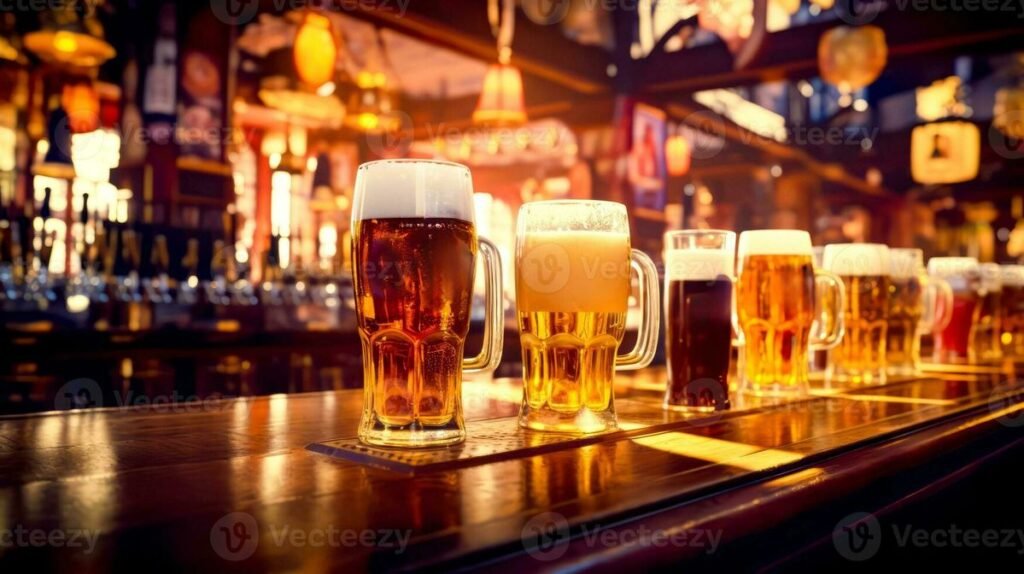
One of the most fascinating aspects of craft beer is its role as a cultural artifact. Unlike mass-produced beer, which aims for consistency, craft beer celebrates individuality.

1. Storytelling Through Flavor

Every craft beer tells a story. The choice of ingredients, the brewing process, and even the name and label contribute to a narrative. Whether it’s a beer inspired by a local legend or one that reflects a brewer’s personal journey, these stories create emotional connections.

2. Identity and Community

Craft beer has become a marker of identity. For some, it represents sophistication and taste; for others, it signifies rebellion against mainstream culture. Breweries often serve as gathering places, fostering a sense of community.

Taprooms and beer festivals bring people together, creating shared experiences that go beyond the product itself. In this sense, craft beer is not just consumed—it is experienced.

3. Creativity Without Limits

Craft brewers are known for their willingness to experiment. From barrel-aged stouts to sour ales infused with fruit, the range of possibilities is virtually endless. This spirit of innovation keeps the industry fresh and exciting.


Chapter 5: The Economics of Craft Beer

The rise of craft beer has had significant economic implications. What began as a small-scale movement has grown into a multi-billion-dollar industry.

1. Small Businesses and Entrepreneurship

Craft breweries are often small, independent businesses. They create jobs, stimulate local economies, and encourage entrepreneurship. In many cases, they revitalize neighborhoods, attracting tourism and investment.

2. Competition with Big Beer

As craft beer gained popularity, large corporations took notice. Some acquired craft breweries, while others launched their own “craft-style” brands. This has led to debates about authenticity and independence.

3. Premiumization

Craft beer is typically more expensive than mass-produced beer. However, consumers are willing to pay for quality and uniqueness. This has contributed to a broader trend of premiumization in the beverage industry.


Chapter 6: Challenges Facing the Craft Beer Industry

Despite its success, the craft beer industry faces several challenges:

  • Market Saturation: In some regions, the number of breweries has grown rapidly, leading to intense competition.
  • Supply Chain Issues: Access to quality ingredients and equipment can be difficult, especially for smaller breweries.
  • Regulation: Alcohol laws vary widely and can limit growth.
  • Changing Consumer Habits: The rise of health-conscious lifestyles and alternative beverages presents new challenges.

To survive, breweries must continue to innovate, adapt, and connect with their audiences.


Chapter 7: The Role of Technology and Innovation

Technology is playing an increasingly important role in the craft beer industry. From advanced brewing equipment to data-driven marketing, innovation is shaping the future of beer.

Breweries are experimenting with automation, artificial intelligence, and sustainable practices. These advancements not only improve efficiency but also open new possibilities for creativity.

At the same time, digital platforms allow breweries to reach global audiences, building communities that extend far beyond their physical locations.


Chapter 8: Craft Beer and the Future of Consumption

The rise of craft beer reflects broader changes in consumer behavior. People are no longer satisfied with generic products; they seek experiences, stories, and meaning.

This shift has implications beyond beer. It suggests a future in which authenticity, transparency, and creativity become central to all industries.

Craft beer also aligns with the concept of “mindful consumption.” Rather than drinking large quantities, consumers are choosing to savor high-quality products. This approach emphasizes enjoyment, appreciation, and balance.


Conclusion: A Movement That Continues to Evolve

The global rise of craft beer is a testament to the power of creativity and community. What began as a small rebellion against industrialization has become a worldwide cultural phenomenon.

Craft beer has redefined what beer can be. It has transformed a simple beverage into a medium of expression, a tool for connection, and a symbol of individuality. It has shown that even in a world dominated by large corporations, there is still room for small voices to make a big impact.

As the industry continues to evolve, one thing remains clear: craft beer is not just about what’s in the glass. It’s about the people who make it, the stories they tell, and the communities they build.

In every pint of craft beer, there is a piece of that story—a reminder that even the simplest things can carry extraordinary meaning.

Tags: beerCulturetaste
ShareTweetShare

Related Posts

Beer as a Cultural and Social Force: From Ancient Brew to Modern Identity
Beer

The Art of Beer & Food Pairing: Unlocking Flavor Through Balance, Contrast, and Texture

April 26, 2026
Beer as a Cultural and Social Force: From Ancient Brew to Modern Identity
Beer

A Complete Guide to Beer Styles: From Lager to Stout, Understanding Flavor, Body, and Character

April 26, 2026
Beer as a Cultural and Social Force: From Ancient Brew to Modern Identity
Beer

The Global Beer Industry: Craft Revolution, Market Forces, and the Future of Brewing

April 26, 2026
Beer as a Cultural and Social Force: From Ancient Brew to Modern Identity
Beer

The Science of Beer: Brewing Process, Ingredients, and the Chemistry of Flavor

April 26, 2026
Beer as a Cultural and Social Force: From Ancient Brew to Modern Identity
Beer

Beer as a Cultural and Social Force: From Ancient Brew to Modern Identity

April 26, 2026
The Evolution of Beer — From Ancient Brews to the Craft Revolution
Beer

The Future of Beer — Innovation, Sustainability, and Emerging Trends

April 23, 2026
Leave Comment
  • Trending
  • Comments
  • Latest
Role of Terroir in Champagne Production

Role of Terroir in Champagne Production

January 19, 2026
Champagne Can Be Aged in Wood?

Champagne Can Be Aged in Wood?

January 18, 2026
Is Organic Wine Healthier Than Conventional Wine?

Is Organic Wine Healthier Than Conventional Wine?

January 20, 2026
Why Do Some Champagnes Use a High Proportion of Pinot Meunier?

Why Do Some Champagnes Use a High Proportion of Pinot Meunier?

January 20, 2026
The Timeless Elegance of Wine: A Journey Through History and Culture

The Timeless Elegance of Wine: A Journey Through History and Culture

Why Is Château Lafite Rothschild the Pinnacle of Fine Wine?

Why Is Château Lafite Rothschild the Pinnacle of Fine Wine?

How Did Château Lafite Rothschild Become a Global Icon of Luxury?

How Did Château Lafite Rothschild Become a Global Icon of Luxury?

What Makes Chateau Lafite Rothschild the Pinnacle of Bordeaux Wines?

What Makes Chateau Lafite Rothschild the Pinnacle of Bordeaux Wines?

Beer as a Cultural and Social Force: From Ancient Brew to Modern Identity

The Art of Beer & Food Pairing: Unlocking Flavor Through Balance, Contrast, and Texture

April 26, 2026
Beer as a Cultural and Social Force: From Ancient Brew to Modern Identity

A Complete Guide to Beer Styles: From Lager to Stout, Understanding Flavor, Body, and Character

April 26, 2026
Beer as a Cultural and Social Force: From Ancient Brew to Modern Identity

The Global Beer Industry: Craft Revolution, Market Forces, and the Future of Brewing

April 26, 2026
Beer as a Cultural and Social Force: From Ancient Brew to Modern Identity

The Science of Beer: Brewing Process, Ingredients, and the Chemistry of Flavor

April 26, 2026
SipsavorLife

Welcome to our comprehensive beverage guide, where you can explore the fascinating world of alcoholic drinks. From exquisite wines and rich whiskeys to refreshing beers and sparkling champagnes, we provide insights, tips, and recommendations for enthusiasts and casual drinkers alike. Discover your next favorite libation with us!

© 2025 sipsavorlife.com. contacts:sipsavorlife-35376@gmail.com

No Result
View All Result
  • Home
  • Wine
  • Whiskey
  • Beer
  • Grain Spirits
  • Champagne
  • ALL

© 2025 sipsavorlife.com. contacts:sipsavorlife-35376@gmail.com

Welcome Back!

Login to your account below

Forgotten Password?

Retrieve your password

Please enter your username or email address to reset your password.

Log In