






SipsavorLife
  • Home
  • Wine
    Wine Pairings: Can They Change the Flavor Profile of a Dish?

    Wine Pairings: Can They Change the Flavor Profile of a Dish?

    How Do Wine Glasses Influence the Tasting Experience?

    How Do Wine Glasses Influence the Tasting Experience?

    Is Organic Wine Healthier Than Conventional Wine?

    Is Organic Wine Healthier Than Conventional Wine?

    Why Do Some Wines Taste Better from Specific Vintages?

    Why Do Some Wines Taste Better from Specific Vintages?

    Wine Tasting: Can It Truly Be an Art Form?

    Wine Tasting: Can It Truly Be an Art Form?

    What Does Terroir Actually Mean for Your Wine?

    What Does Terroir Actually Mean for Your Wine?

  • Whiskey
    Can Beer Be an Effective Ingredient in Culinary Cooking?

    Can Beer Be an Effective Ingredient in Culinary Cooking?

    Second Fermentation in Champagne: Is It Really That Crucial?

    Second Fermentation in Champagne: Is It Really That Crucial?

    How Do Different Grains Impact the Flavor Profile of Distilled Spirits?

    How Do Different Grains Impact the Flavor Profile of Distilled Spirits?

    How Do Whiskey Master Blenders Create Perfection?

    How Do Whiskey Master Blenders Create Perfection?

    Wine Pairings: Can They Change the Flavor Profile of a Dish?

    Wine Pairings: Can They Change the Flavor Profile of a Dish?

    Beer the Ultimate Beverage for Pairing with Spicy Food?

    Beer the Ultimate Beverage for Pairing with Spicy Food?

  • Beer
    Can Beer Be an Effective Ingredient in Culinary Cooking?

    Can Beer Be an Effective Ingredient in Culinary Cooking?

    Beer the Ultimate Beverage for Pairing with Spicy Food?

    Beer the Ultimate Beverage for Pairing with Spicy Food?

    How Did Ancient Civilizations Brew Beer Without Modern Technology?

    How Did Ancient Civilizations Brew Beer Without Modern Technology?

    Is It Possible to Brew a Beer with No Alcohol and No Compromise on Taste?

    Is It Possible to Brew a Beer with No Alcohol and No Compromise on Taste?

    Why Does Beer Taste Different at High Altitudes?

    Why Does Beer Taste Different at High Altitudes?

    Is Hops the Secret Ingredient Behind Beer’s Bold Flavor?

    Is Hops the Secret Ingredient Behind Beer’s Bold Flavor?

  • Grain Spirits
    How Do Different Grains Impact the Flavor Profile of Distilled Spirits?

    How Do Different Grains Impact the Flavor Profile of Distilled Spirits?

    Grain Spirits the Unsung Heroes of Modern Mixology

    Grain Spirits the Unsung Heroes of Modern Mixology

    What Makes Grain-Based Whiskey So Different from Its Peated Cousins?

    What Makes Grain-Based Whiskey So Different from Its Peated Cousins?

    Grain Spirits: Could They Be the Next Big Trend in Craft Cocktails?

    Grain Spirits: Could They Be the Next Big Trend in Craft Cocktails?

    Why Are Grain Spirits Often Overlooked in the World of Fine Liquor?

    Why Are Grain Spirits Often Overlooked in the World of Fine Liquor?

    Is There a Secret Art to Distilling Grain Spirits?

    Is There a Secret Art to Distilling Grain Spirits?

  • Champagne
    Second Fermentation in Champagne: Is It Really That Crucial?

    Second Fermentation in Champagne: Is It Really That Crucial?

    The Science Behind the ‘Bubble Size’ in Champagne

    The Science Behind the ‘Bubble Size’ in Champagne

    Why Do Some Champagnes Use a High Proportion of Pinot Meunier?

    Why Do Some Champagnes Use a High Proportion of Pinot Meunier?

    Role of Terroir in Champagne Production

    Role of Terroir in Champagne Production

    Champagne Can Be Aged in Wood?

    Champagne Can Be Aged in Wood?

    Is There a Difference Between Blanc de Blancs and Blanc de Noirs Champagne?

    Is There a Difference Between Blanc de Blancs and Blanc de Noirs Champagne?

  • ALL
    Can Beer Be an Effective Ingredient in Culinary Cooking?

    Can Beer Be an Effective Ingredient in Culinary Cooking?

    Second Fermentation in Champagne: Is It Really That Crucial?

    Second Fermentation in Champagne: Is It Really That Crucial?

    How Do Different Grains Impact the Flavor Profile of Distilled Spirits?

    How Do Different Grains Impact the Flavor Profile of Distilled Spirits?

    How Do Whiskey Master Blenders Create Perfection?

    How Do Whiskey Master Blenders Create Perfection?

    Wine Pairings: Can They Change the Flavor Profile of a Dish?

    Wine Pairings: Can They Change the Flavor Profile of a Dish?

    Beer the Ultimate Beverage for Pairing with Spicy Food?

    Beer the Ultimate Beverage for Pairing with Spicy Food?

SipsavorLife
  • Home
  • Wine
    Wine Pairings: Can They Change the Flavor Profile of a Dish?

    Wine Pairings: Can They Change the Flavor Profile of a Dish?

    How Do Wine Glasses Influence the Tasting Experience?

    How Do Wine Glasses Influence the Tasting Experience?

    Is Organic Wine Healthier Than Conventional Wine?

    Is Organic Wine Healthier Than Conventional Wine?

    Why Do Some Wines Taste Better from Specific Vintages?

    Why Do Some Wines Taste Better from Specific Vintages?

    Wine Tasting: Can It Truly Be an Art Form?

    Wine Tasting: Can It Truly Be an Art Form?

    What Does Terroir Actually Mean for Your Wine?

    What Does Terroir Actually Mean for Your Wine?

  • Whiskey
    Can Beer Be an Effective Ingredient in Culinary Cooking?

    Can Beer Be an Effective Ingredient in Culinary Cooking?

    Second Fermentation in Champagne: Is It Really That Crucial?

    Second Fermentation in Champagne: Is It Really That Crucial?

    How Do Different Grains Impact the Flavor Profile of Distilled Spirits?

    How Do Different Grains Impact the Flavor Profile of Distilled Spirits?

    How Do Whiskey Master Blenders Create Perfection?

    How Do Whiskey Master Blenders Create Perfection?

    Wine Pairings: Can They Change the Flavor Profile of a Dish?

    Wine Pairings: Can They Change the Flavor Profile of a Dish?

    Beer the Ultimate Beverage for Pairing with Spicy Food?

    Beer the Ultimate Beverage for Pairing with Spicy Food?

  • Beer
    Can Beer Be an Effective Ingredient in Culinary Cooking?

    Can Beer Be an Effective Ingredient in Culinary Cooking?

    Beer the Ultimate Beverage for Pairing with Spicy Food?

    Beer the Ultimate Beverage for Pairing with Spicy Food?

    How Did Ancient Civilizations Brew Beer Without Modern Technology?

    How Did Ancient Civilizations Brew Beer Without Modern Technology?

    Is It Possible to Brew a Beer with No Alcohol and No Compromise on Taste?

    Is It Possible to Brew a Beer with No Alcohol and No Compromise on Taste?

    Why Does Beer Taste Different at High Altitudes?

    Why Does Beer Taste Different at High Altitudes?

    Is Hops the Secret Ingredient Behind Beer’s Bold Flavor?

    Is Hops the Secret Ingredient Behind Beer’s Bold Flavor?

  • Grain Spirits
    How Do Different Grains Impact the Flavor Profile of Distilled Spirits?

    How Do Different Grains Impact the Flavor Profile of Distilled Spirits?

    Grain Spirits the Unsung Heroes of Modern Mixology

    Grain Spirits the Unsung Heroes of Modern Mixology

    What Makes Grain-Based Whiskey So Different from Its Peated Cousins?

    What Makes Grain-Based Whiskey So Different from Its Peated Cousins?

    Grain Spirits: Could They Be the Next Big Trend in Craft Cocktails?

    Grain Spirits: Could They Be the Next Big Trend in Craft Cocktails?

    Why Are Grain Spirits Often Overlooked in the World of Fine Liquor?

    Why Are Grain Spirits Often Overlooked in the World of Fine Liquor?

    Is There a Secret Art to Distilling Grain Spirits?

    Is There a Secret Art to Distilling Grain Spirits?

  • Champagne
    Second Fermentation in Champagne: Is It Really That Crucial?

    Second Fermentation in Champagne: Is It Really That Crucial?

    The Science Behind the ‘Bubble Size’ in Champagne

    The Science Behind the ‘Bubble Size’ in Champagne

    Why Do Some Champagnes Use a High Proportion of Pinot Meunier?

    Why Do Some Champagnes Use a High Proportion of Pinot Meunier?

    Role of Terroir in Champagne Production

    Role of Terroir in Champagne Production

    Champagne Can Be Aged in Wood?

    Champagne Can Be Aged in Wood?

    Is There a Difference Between Blanc de Blancs and Blanc de Noirs Champagne?

    Is There a Difference Between Blanc de Blancs and Blanc de Noirs Champagne?

  • ALL
    Can Beer Be an Effective Ingredient in Culinary Cooking?

    Can Beer Be an Effective Ingredient in Culinary Cooking?

    Second Fermentation in Champagne: Is It Really That Crucial?

    Second Fermentation in Champagne: Is It Really That Crucial?

    How Do Different Grains Impact the Flavor Profile of Distilled Spirits?

    How Do Different Grains Impact the Flavor Profile of Distilled Spirits?

    How Do Whiskey Master Blenders Create Perfection?

    How Do Whiskey Master Blenders Create Perfection?

    Wine Pairings: Can They Change the Flavor Profile of a Dish?

    Wine Pairings: Can They Change the Flavor Profile of a Dish?

    Beer the Ultimate Beverage for Pairing with Spicy Food?

    Beer the Ultimate Beverage for Pairing with Spicy Food?

SipsavorLife
No Result
View All Result
Home ALL

Second Fermentation in Champagne: Is It Really That Crucial?

January 22, 2026
in ALL, Champagne
Second Fermentation in Champagne: Is It Really That Crucial?

Reims Champagne Tour

Champagne, often regarded as the epitome of luxury, is not just a sparkling wine but a drink with a rich history and an intricate production process. One of the most distinctive features of Champagne is its “second fermentation” – a crucial step that differentiates it from other sparkling wines like Prosecco or Cava. But why is this second fermentation so important? Is it really the linchpin behind Champagne’s complex flavors and bubbles, or is it just a historical quirk that has been romanticized over time?

In this article, we will delve into the second fermentation process, its origins, its significance in Champagne production, and why it remains indispensable for creating the iconic drink we know today. Along the way, we’ll explore the science, the craftsmanship, and the artistry that make Champagne a global symbol of celebration. By the end, we’ll understand why this step is not just important—it’s absolutely essential to the essence of Champagne itself.


The Origins of Champagne: A History of Bubbles

Before we dive into the technical aspects of second fermentation, let’s take a brief look at how Champagne came to be. While sparkling wine production dates back centuries, the creation of Champagne as we know it was a gradual process that spanned multiple generations.

The method of producing sparkling wine was discovered somewhat accidentally by Benedictine monk Dom Pérignon in the late 17th century. When trying to perfect the wine production process, he unknowingly created the first true Champagne by trapping carbon dioxide inside the bottle during fermentation, causing bubbles to form. This innovation became the hallmark of Champagne’s appeal. Yet, it wasn’t until the second fermentation process was fully understood and refined that Champagne reached its modern-day form.

The second fermentation became key to enhancing the qualities of the wine. Whereas the first fermentation was mostly concerned with turning the grape juice into wine, the second fermentation is what gave Champagne its signature effervescence and complexity.


What Exactly Is the Second Fermentation?

At its core, second fermentation is the process where Champagne undergoes a second round of fermentation inside the bottle. This is a key difference between Champagne and other sparkling wines like Prosecco, where carbonation is added artificially, and Cava, where carbonation is introduced through a tank method.

The Champagne production process begins with what is known as the “base wine”—a still wine made from grapes like Chardonnay, Pinot Noir, and Pinot Meunier. This base wine is blended and bottled with a mixture of sugar and yeast (known as “liqueur de tirage”). The yeast consumes the sugar, producing alcohol and, crucially, carbon dioxide. Since the bottle is sealed, this carbon dioxide cannot escape, creating bubbles. The result is a fizzy, lively beverage with complex aromas and flavors.

But the second fermentation is not just about bubbles. It’s also the moment where Champagne gains its distinctive texture and flavor. The yeast, during this process, also produces compounds known as “lees,” which contribute to the wine’s depth and character.


The Crucial Role of Lees in Champagne’s Flavor Profile

Why Does Champagne Have Bubbles? Carbonation Explained | LoveToKnow

The interaction between yeast and the wine during second fermentation is what gives Champagne its famous complexity. The yeast cells that remain in the bottle after fermentation break down over time in a process called autolysis. This breakdown releases a range of compounds that interact with the wine, imparting nutty, biscuity, and toasty flavors.

The longer Champagne stays on its lees—often anywhere from 15 months to several years—the more pronounced these flavors become. Vintage Champagne, which is made from a single year’s harvest and often aged for longer periods, tends to have more complex and developed flavors as a result of extended contact with the lees.

In short, the second fermentation doesn’t just create bubbles; it’s responsible for shaping the Champagne’s texture, mouthfeel, and flavor profile. Without this crucial step, the resulting drink would lack the finesse and depth that Champagne aficionados love.


The Traditional Method vs. The Tank Method

While the second fermentation is non-negotiable for Champagne, not all sparkling wines undergo this process in the same way. There are several methods of producing sparkling wine, and they vary based on how the second fermentation is carried out.

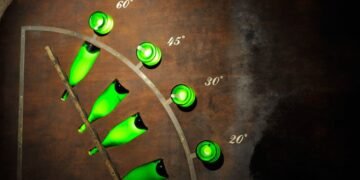
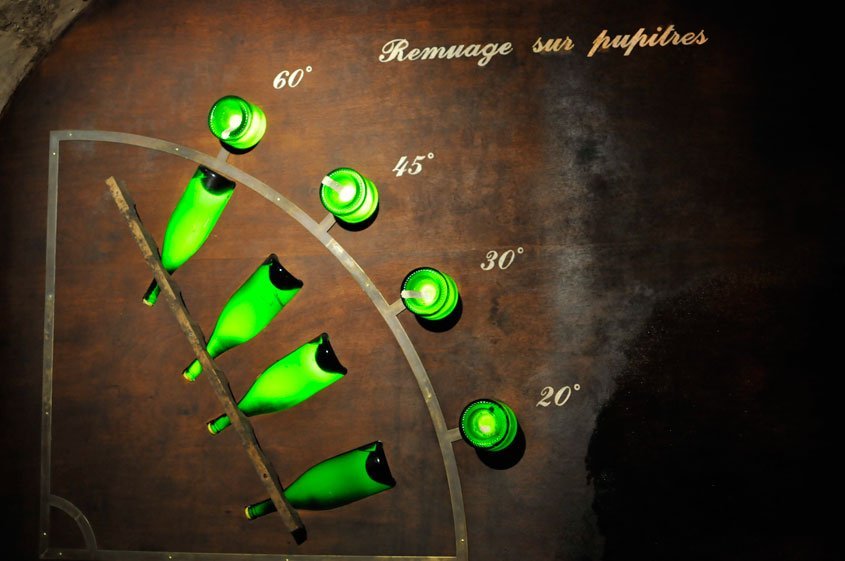
The Traditional Method, also known as Méthode Champenoise, is the method used in Champagne production. It involves the second fermentation occurring in the bottle, which is a labor-intensive and time-consuming process. After the first fermentation, bottles are stored horizontally for aging, and the yeast sediment is gradually moved towards the bottle’s neck through a process called riddling. Once the sediment is collected in the neck, the bottle undergoes disgorging, where the neck is frozen and the sediment plug is ejected.

In contrast, other sparkling wines, like Prosecco and Cava, often employ the Tank Method (Méthode Charmat), where the second fermentation occurs in large pressurized tanks. This method is quicker, cheaper, and produces a less complex wine with lighter, more delicate bubbles. While wines produced this way can be delicious, they don’t have the same depth or texture that comes from the traditional bottle fermentation process.

The second fermentation in the bottle creates not just the signature bubbles, but also the richer, more complex flavors that make Champagne a luxury product. So, in short: without second fermentation, Champagne wouldn’t be Champagne.


The Importance of Time: Aging Champagne on Lees

The second fermentation also explains why Champagne is often aged for an extended period. The process of aging Champagne on its lees—sometimes for several years—contributes significantly to the wine’s taste, complexity, and mouthfeel.

Many of the world’s best Champagnes are not released immediately after the second fermentation. Instead, they are aged in the cool cellars of Champagne houses for anywhere from 3 to 10 years or more. This aging allows the wine to develop richer flavors and a smoother texture, as well as a more refined mousse (the term for the foam or bubbles).

Aging on the lees also helps to soften the acidity of the wine, creating a more balanced drink. For this reason, some of the most sought-after Champagne bottles are those that have been aged for a long time, such as vintage releases or prestige cuvées.


The Modern Evolution: Does Champagne Still Need Second Fermentation?

With advancements in technology, one might wonder whether the traditional second fermentation process is still necessary in the modern age. Could there be a way to create Champagne-like bubbles without going through this labor-intensive process?
How to Make Kombucha & Easy Secondary Fermentation Recipes - The  Fermentation Adventure

The answer, surprisingly, is no. While alternative methods, such as artificial carbonation, exist for creating sparkling wines, they simply don’t replicate the complexity and quality of Champagne made via the traditional method. Artificially carbonated wines lack the depth, the mouthfeel, and the nuanced flavors that come from the second fermentation in the bottle.

In fact, some contemporary Champagne producers are even doubling down on the importance of this process. Many are experimenting with different types of yeasts, fermentation techniques, and aging processes to push the boundaries of flavor and texture while still preserving the essence of the traditional method.

Ultimately, the second fermentation remains a critical part of Champagne’s identity. It is the foundation of everything that makes Champagne unique, from its effervescence to its luxurious, complex taste.


The Future of Champagne: Innovations and Challenges

As with any industry, Champagne production is not immune to change. The modern world presents new challenges, from climate change affecting grape growing to shifting consumer tastes. Yet, Champagne producers continue to innovate within the boundaries of tradition.

In the future, we may see more eco-friendly approaches to Champagne production, such as organic farming and more sustainable winemaking practices. However, the second fermentation will likely remain at the heart of the Champagne process, ensuring that the drink maintains its prestigious position on the world stage.

While technology may evolve, the essence of Champagne will always be tied to this delicate and intricate process of second fermentation. As Champagne continues to captivate drinkers worldwide, this vital step will continue to be a defining factor in what makes Champagne so special and irreplaceable.


Conclusion: Why Second Fermentation Is Essential

So, is the second fermentation in Champagne really that crucial? The answer is a resounding yes. It’s not just a technical step—it’s the backbone of Champagne’s character. This process not only gives Champagne its signature bubbles but also adds depth, complexity, and that iconic richness that sets it apart from other sparkling wines.

Without the second fermentation, Champagne would be just another sparkling wine. But with it, Champagne becomes something much more: a symbol of tradition, craftsmanship, and luxury. For every bottle of Champagne that has been carefully aged on its lees, every step of the second fermentation process tells a story of passion, expertise, and an unrelenting commitment to quality.

Champagne wouldn’t be Champagne without it.
Tags: champagneChampagne productionfermentationvintage Champagne
ShareTweetShare

Related Posts

Can Beer Be an Effective Ingredient in Culinary Cooking?
ALL

Can Beer Be an Effective Ingredient in Culinary Cooking?

January 22, 2026
How Do Different Grains Impact the Flavor Profile of Distilled Spirits?
ALL

How Do Different Grains Impact the Flavor Profile of Distilled Spirits?

January 22, 2026
How Do Whiskey Master Blenders Create Perfection?
ALL

How Do Whiskey Master Blenders Create Perfection?

January 22, 2026
Wine Pairings: Can They Change the Flavor Profile of a Dish?
ALL

Wine Pairings: Can They Change the Flavor Profile of a Dish?

January 22, 2026
Beer the Ultimate Beverage for Pairing with Spicy Food?
ALL

Beer the Ultimate Beverage for Pairing with Spicy Food?

January 21, 2026
The Science Behind the ‘Bubble Size’ in Champagne
ALL

The Science Behind the ‘Bubble Size’ in Champagne

January 21, 2026
Leave Comment
  • Trending
  • Comments
  • Latest
What Hidden Craftsmanship Lies Behind a Bottle of Quality Grain Spirits?

What Hidden Craftsmanship Lies Behind a Bottle of Quality Grain Spirits?

July 3, 2025
How Is Champagne Made? The Secrets Behind the Sparkle

How Is Champagne Made? The Secrets Behind the Sparkle

April 15, 2025
Grain Spirits vs. Traditional Distilled Spirits: Which One Suits Your Taste?

Grain Spirits vs. Traditional Distilled Spirits: Which One Suits Your Taste?

July 3, 2025
Champagne Bubbles: How Do They Perfectly Convey Celebration, Joy, and Luxury?

Champagne Bubbles: How Do They Perfectly Convey Celebration, Joy, and Luxury?

July 2, 2025
The Timeless Elegance of Wine: A Journey Through History and Culture

The Timeless Elegance of Wine: A Journey Through History and Culture

Why Is Château Lafite Rothschild the Pinnacle of Fine Wine?

Why Is Château Lafite Rothschild the Pinnacle of Fine Wine?

How Did Château Lafite Rothschild Become a Global Icon of Luxury?

How Did Château Lafite Rothschild Become a Global Icon of Luxury?

What Makes Chateau Lafite Rothschild the Pinnacle of Bordeaux Wines?

What Makes Chateau Lafite Rothschild the Pinnacle of Bordeaux Wines?

Can Beer Be an Effective Ingredient in Culinary Cooking?

Can Beer Be an Effective Ingredient in Culinary Cooking?

January 22, 2026
Second Fermentation in Champagne: Is It Really That Crucial?

Second Fermentation in Champagne: Is It Really That Crucial?

January 22, 2026
How Do Different Grains Impact the Flavor Profile of Distilled Spirits?

How Do Different Grains Impact the Flavor Profile of Distilled Spirits?

January 22, 2026
How Do Whiskey Master Blenders Create Perfection?

How Do Whiskey Master Blenders Create Perfection?

January 22, 2026
SipsavorLife

Welcome to our comprehensive beverage guide, where you can explore the fascinating world of alcoholic drinks. From exquisite wines and rich whiskeys to refreshing beers and sparkling champagnes, we provide insights, tips, and recommendations for enthusiasts and casual drinkers alike. Discover your next favorite libation with us!

© 2025 sipsavorlife.com. contacts:sipsavorlife-35376@gmail.com

No Result
View All Result
  • Home
  • Wine
  • Whiskey
  • Beer
  • Grain Spirits
  • Champagne
  • ALL

© 2025 sipsavorlife.com. contacts:sipsavorlife-35376@gmail.com

Welcome Back!

Login to your account below

Forgotten Password?

Retrieve your password

Please enter your username or email address to reset your password.

Log In