



















Whiskey is an age-old drink enjoyed by connoisseurs around the world for its rich history, variety, and complexity. Whether you’re a beginner or a seasoned aficionado, one of the most exciting aspects of whiskey is how it can be paired with different elements—chiefly food and cigars. Both pairings offer unique experiences, but the question is: Does whiskey pair better with food or cigars? Let’s dive into the details of both and explore how each enhances the whiskey-drinking experience.
1. The Art of Whiskey Pairing with Food
Pairing whiskey with food is an age-old tradition, and for good reason. The right food can elevate the whiskey’s characteristics, highlighting its notes while complementing its flavors. Whiskey, with its complex profiles—ranging from smoky and peaty to sweet and spicy—offers numerous possibilities for pairing. Here’s a deeper look at how different whiskeys interact with food.
Whiskey Flavor Profiles and Food Pairing
Whiskeys, especially aged ones, boast a range of flavors that can complement or contrast with various foods. Below are some popular whiskey types and their ideal food partners:
- Scotch Whisky: Often smoky, peaty, and rich in flavor, Scotch pairs well with hearty and flavorful foods. Think smoked salmon, charcuterie, or even blue cheese. The smoky notes of the whiskey can enhance the umami flavors of the food, making for a memorable experience.
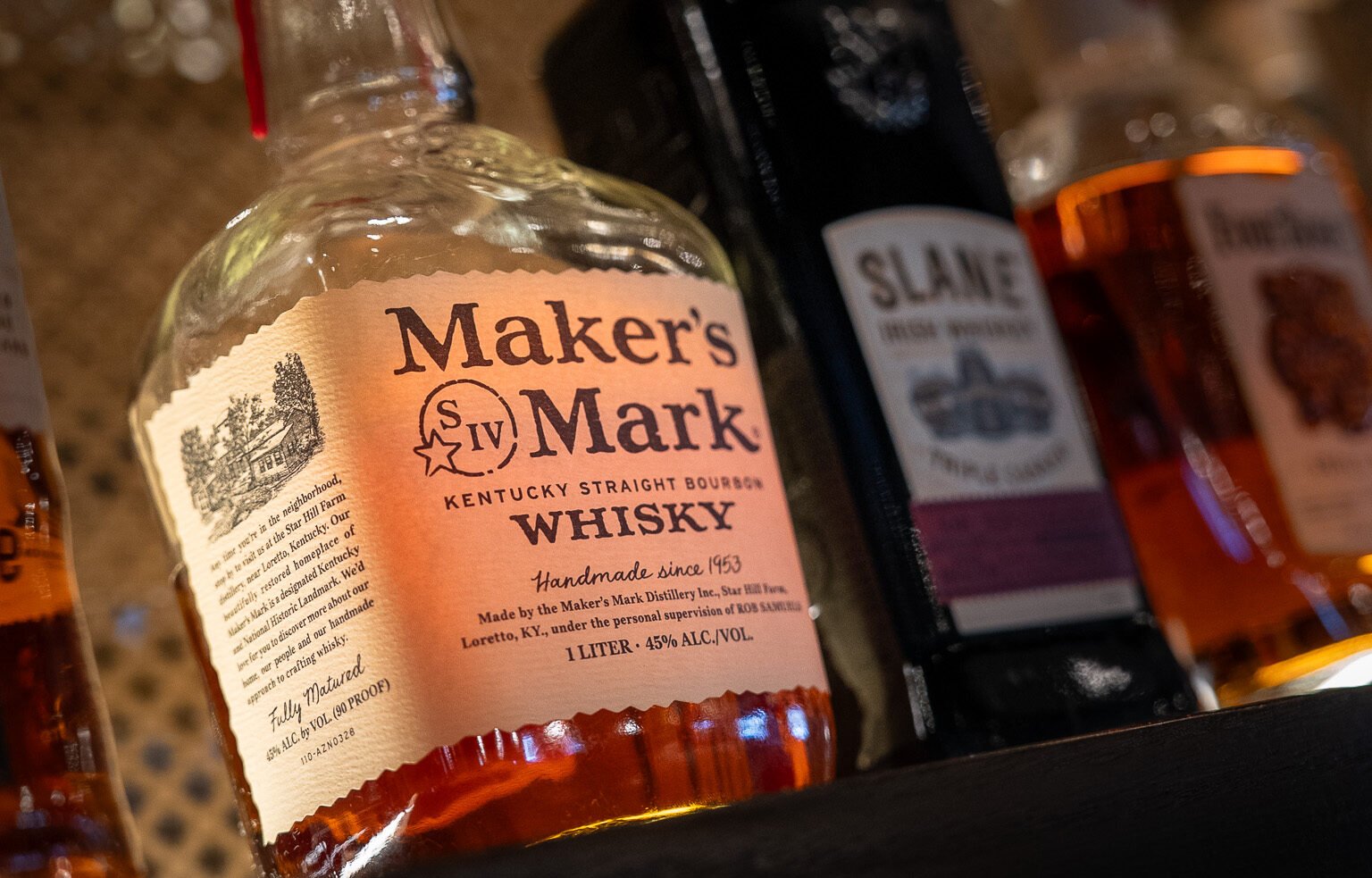
- Bourbon: With its sweeter, fuller body thanks to the high corn content, bourbon pairs wonderfully with dishes that have a touch of sweetness or a caramelized finish. Try it with grilled meats like ribs, roasted vegetables, or a rich dessert like pecan pie. The sweet notes of bourbon accentuate the sweetness in the food, balancing savory and sweet elements.
- Rye Whiskey: Known for its spicy and bold flavor, rye whiskey pairs excellently with rich and fatty foods. It works beautifully with aged cheeses, cured meats, or even rich stews. The spicy bite of rye whiskey cuts through the richness of the food, creating a harmonious balance.
- Irish Whiskey: Typically smoother and lighter than Scotch or bourbon, Irish whiskey works well with more delicate flavors. Pair it with seafood, chicken, or creamy pasta dishes. Its lightness lets the subtle nuances of the food shine through without overpowering them.
Enhancing the Dining Experience
Pairing whiskey with food is not just about contrast; it’s also about synergy. The ideal pairing enhances the natural flavors of both the whiskey and the dish. This process, called “food synergy,” occurs when the two elements interact to create something greater than the sum of their parts. For example, pairing a rich, oaky whiskey with a creamy dessert like crème brûlée can elevate both the sweetness of the dessert and the depth of the whiskey.
Additionally, pairing whiskey with food often encourages experimentation. As a diner, you can explore different textures, tastes, and contrasts—something that makes each meal a unique experience. The variety of whiskey styles provides a spectrum of flavor profiles, from light and floral to dark and robust, ensuring there’s a whiskey to complement any meal.

Cultural Significance of Whiskey and Food Pairing
In many cultures, food and drink pairings go beyond just taste; they become part of the social experience. In Scotland, for instance, whiskey is often enjoyed during communal meals, and specific regional dishes are carefully paired with local whiskeys. Similarly, in the United States, pairing bourbon with regional specialties like southern BBQ or Kentucky bourbon balls offers a window into the culinary traditions of the area.
2. Whiskey Pairing with Cigars: A Luxurious Tradition
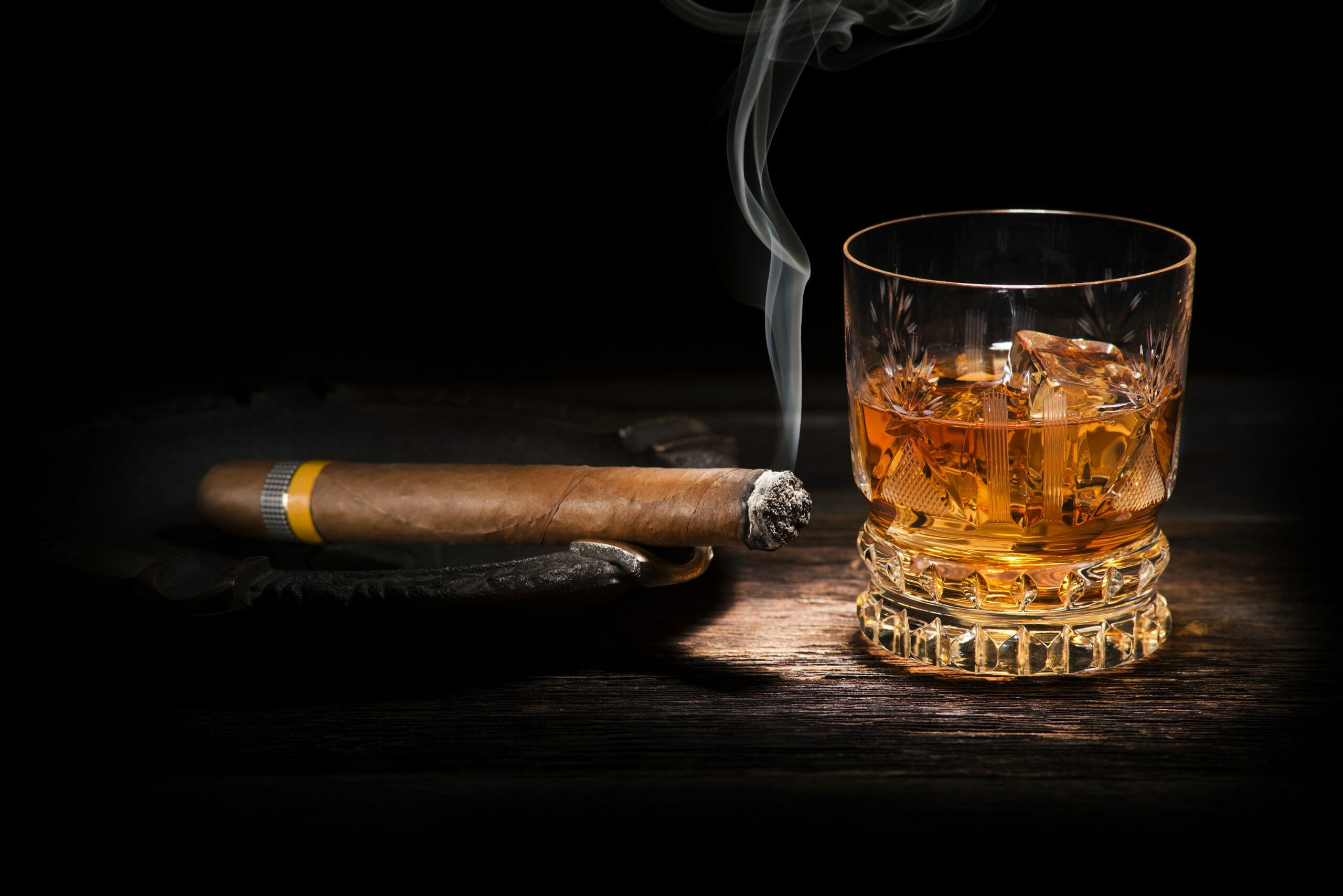
On the other hand, whiskey and cigars have long been a cherished pairing, popularized by the idea of luxury and relaxation. When paired correctly, the two create a sophisticated experience—combining the rich flavor profile of the whiskey with the smooth, earthy notes of the cigar.
The Cigar Influence
Cigars come in various sizes, shapes, and flavors, and just like whiskey, they have complex profiles that evolve during the smoking experience. A good cigar will add layers to the whiskey tasting, influencing the flavor and aroma in ways that food cannot. Some cigar smokers prefer their cigars with a robust whiskey to enhance the intensity, while others may prefer a lighter whiskey to balance the cigar’s strong flavor.
- Full-Bodied Whiskeys with Full-Bodied Cigars: Strong whiskeys like peaty Scotch or dark rye whiskey tend to pair well with bold cigars such as the robust Cuban or Dominican cigars. The cigar’s deep, earthy flavors complement the whiskey’s intensity, resulting in a powerful, balanced flavor experience.
- Smooth Whiskeys with Milder Cigars: Lighter, smoother whiskeys—like Irish whiskey or certain low-proof bourbons—pair nicely with more subtle cigars that have floral or light tobacco notes. This pairing allows both elements to shine without overwhelming each other.
- The Importance of Aging in Both Whiskey and Cigars: Just as whiskey improves with age, so does the tobacco used for cigars. Aged whiskey, with its complex flavors, will pair best with a cigar that has also had time to mature. This harmony between the aging processes creates a balanced, nuanced pairing that highlights both the whiskey and cigar’s best attributes.
Why Whiskey and Cigars Are a Classic Pairing
The pairing of whiskey with cigars is rooted in luxury. For many, it’s a way to unwind after a long day, relishing the subtle nuances of both the whiskey and the cigar. The act of sipping whiskey while puffing on a fine cigar is a ritualistic experience, associated with moments of quiet contemplation or engaging in lively conversation. The aromas of the whiskey, the flavor profile of the cigar, and the environment around you all come together to create a sensory experience unlike any other.
Additionally, many whiskey lovers and cigar aficionados argue that this pairing offers a deeper, more contemplative experience than food pairing. Unlike food, cigars provide an ongoing, gradual evolution of flavors as you smoke, giving you more time to savor the drink and reflect on its subtleties.
3. Which Is the Superior Pairing?
So, which is better—food or cigars? The answer ultimately depends on the type of experience you’re seeking.
Food Pairing: A Dynamic, Versatile Experience
If you’re someone who loves variety and the exploration of flavors, pairing whiskey with food is the way to go. The possibilities are endless, and each whiskey can pair differently depending on the type of cuisine. Food pairing also engages multiple senses: sight, smell, taste, and texture. It’s a dynamic experience, with new flavors revealed with each bite and sip. Plus, it’s a social experience, where food and whiskey are often shared among friends and family, making for memorable gatherings.
Cigar Pairing: A Slow, Reflective Ritual
On the other hand, if you’re in the mood for a quiet, introspective experience where you savor each moment, pairing whiskey with a fine cigar might be the better option. It’s a more relaxed affair, ideal for moments of solitude or when enjoying an intimate conversation. With a cigar, the experience is less about the food and more about the intricate dance between the whiskey and tobacco, which can lead to profound moments of flavor discovery.
4. Conclusion
Both whiskey and food pairings and whiskey and cigar pairings offer something special. While food pairings give you a wider array of flavors and textures, cigars offer a deeper, more focused exploration of flavor. Your choice should depend on the mood, the occasion, and the type of experience you wish to create. Whether you’re savoring a fine Scotch with a hearty steak or enjoying a smooth bourbon with a premium cigar, whiskey remains a drink that’s as versatile as it is complex.