


























In the intricate world of whiskey collecting, a quiet revolution is taking place. Traditional collectors once prioritized age statements, legendary distilleries, and iconic bottles. Today, however, the focus is shifting toward the rare, the obscure, and the once-overlooked. Rare distilleries, those hidden gems scattered across the globe or shuttered decades ago, are drawing the attention of aficionados, investors, and enthusiasts alike. But why has this fascination emerged, and what does it mean for the future of whiskey collecting?
This exploration delves into the forces reshaping the whiskey market, the psychology behind collectors’ preferences, and the distinct allure of rare distilleries. By the end, it will be clear that this trend is not just a passing phase but a reflection of deeper currents in culture, economics, and sensory curiosity.
The Shift from Famous to Rare
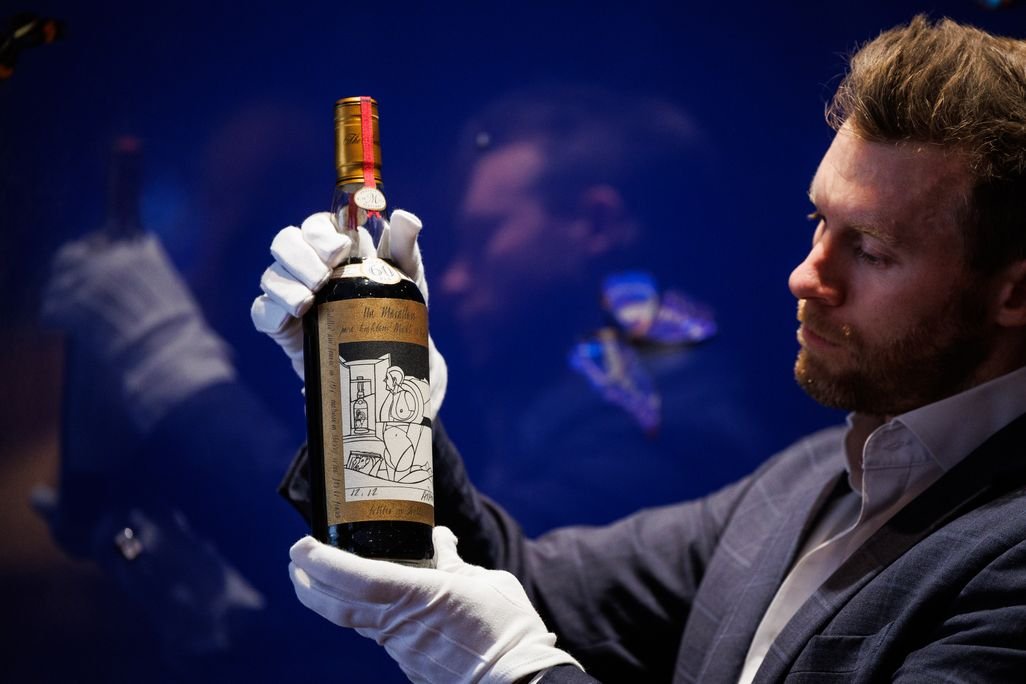
Historically, collectors gravitated toward well-known distilleries such as Macallan, Glenfiddich, or Pappy Van Winkle. These names carried prestige, a proven track record, and market stability. A bottle from a famous distillery was an immediate marker of quality and desirability. However, the modern collector seeks more than recognition; they seek rarity, narrative, and the thrill of discovery.
This shift is partly driven by the maturation of the whiskey market itself. With mass production brands becoming ubiquitous, their investment potential has plateaued. Rare distilleries, by contrast, offer scarcity that is almost guaranteed to appreciate in value. A limited release from a defunct Scottish distillery or a small batch from an emerging craft operation can rapidly outpace mainstream bottles in both financial and cultural worth.
The Allure of the Obscure
What makes rare distilleries so magnetic to collectors? There are several intertwined factors:
- Scarcity as Status: Possessing bottles from rare distilleries signals not only taste but also insider knowledge. Unlike widely available bottles, these whiskeys are challenging to find, creating an implicit social cachet among collectors.
- Historical Significance: Many rare distilleries come with rich histories. Some were operational for only a few years, while others closed decades ago due to economic or political shifts. Owning a bottle from such a place is akin to holding a liquid fragment of history.
- Unique Flavor Profiles: Smaller distilleries often experiment with grains, casks, and maturation techniques in ways large-scale operations cannot. This can result in bold, idiosyncratic flavors that are unavailable elsewhere, giving collectors a genuine sensory adventure.
- Investment Potential: The financial upside of rare distilleries is compelling. As mainstream bottles saturate the market, the rarity premium for obscure distilleries has surged. Some collectors view these bottles not merely as beverages but as appreciating assets, much like fine art or rare wines.
The Role of Craft and Innovation
The renaissance of craft distilling worldwide has further amplified interest in rare distilleries. From the rolling hills of Kentucky to the remote highlands of Scotland, new distilleries are experimenting with mash bills, fermentation techniques, and aging methods. These experimental bottles are often produced in extremely limited quantities, making them instantly collectible.
Collectors now hunt for expressions that push boundaries—a rye whiskey finished in unusual casks, a single malt with an unconventional yeast strain, or a bourbon incorporating local grains. The spirit of innovation transforms whiskey from a static product into a narrative experience. Each bottle tells a story of creativity, experimentation, and sometimes audacious risk-taking.
Cultural and Psychological Factors
Whiskey collecting is as much about psychology as it is about taste. Several subtle cultural and emotional forces are at play:
- Nostalgia and Heritage: Bottles from historic distilleries evoke a sense of connection to a bygone era. For collectors, owning a bottle from a distillery that closed before they were born is akin to holding a piece of living history.
- Curiosity and Discovery: Humans are naturally drawn to novelty. Rare distilleries offer an opportunity to explore flavors, methods, and traditions outside the mainstream, satisfying the desire for intellectual and sensory adventure.
- Community and Identity: Within collector circles, rare bottles often confer authority and expertise. Discussing a limited-edition release from a closed distillery signals not just passion, but knowledge, fostering identity within the community.
- Exclusivity and Status: Owning rare whiskey elevates social and economic status within collecting networks. Scarcity translates into prestige, reinforcing a collector’s sense of accomplishment and taste.
Market Dynamics Behind the Trend
The surge in focus on rare distilleries is closely tied to broader market forces. The global whiskey market has grown exponentially in the last decade, driven by rising interest in premium spirits, the proliferation of craft distilleries, and the globalization of taste. Several key dynamics are worth noting:
- Rising Prices of Iconic Bottles: With demand exceeding supply, bottles from mainstream premium distilleries have skyrocketed in value. Collectors seeking growth opportunities have pivoted to rare distilleries, where potential returns are more significant.
- Secondary Market Expansion: Online auctions and specialized retailers have made trading rare bottles easier than ever. Platforms now provide price transparency and verification services, allowing collectors to confidently invest in scarce offerings.
- Globalization of Tastes: Whiskey appreciation is no longer confined to Scotland, Ireland, or the U.S. Enthusiasts from Asia, Europe, and Latin America increasingly seek unique bottles, amplifying global demand for rare expressions.
- Speculative Collecting: A growing segment of collectors approaches whiskey as an investment asset. Rare distilleries, especially those closed or in limited production, represent high potential returns—sometimes outperforming traditional investment vehicles.
Regional Focus: Why Geography Matters
Rare distilleries often gain mystique due to their geographical context. Collectors are drawn to regions with distinctive terroir, production methods, or histories that influence flavor in unique ways.
- Scotland: Closed Highland and Lowland distilleries offer bottles with flavors unobtainable today. Distilleries like Brora or Port Ellen have reached cult status, their rarity fueling both desire and investment value.
- Ireland: Smaller Irish distilleries, often overshadowed by global names like Jameson, now attract attention for traditional methods, small-batch production, and experimental maturation.
- United States: Kentucky and Tennessee are hubs of craft innovation. Beyond the iconic bourbons, micro-distilleries producing limited cask releases are becoming highly sought-after.
- Japan: Japanese distilleries, known for precision and elegance, are producing small-batch releases that collectors scramble to acquire, further reinforcing the global appetite for rare expressions.
- Emerging Regions: Distilleries in Taiwan, India, and Australia are gaining international recognition. Limited-edition bottles from these regions combine novelty, craftsmanship, and rarity.
The Role of Storytelling and Branding
In the world of rare distilleries, storytelling is almost as important as the liquid itself. Labels, bottle design, and brand narratives create emotional resonance. Collectors are drawn to bottles with tales of ingenuity, adversity, or regional identity.
- Defunct Distilleries: Bottles from closed distilleries often highlight the final batch or commemorate historic milestones. The narrative of “once lost, now found” heightens allure.
- Heritage Branding: Distilleries emphasize lineage, local ingredients, and traditional techniques. Limited releases may include hand-numbered bottles, artisanal packaging, or commemorative editions, reinforcing scarcity and prestige.
- Experiential Marketing: Whiskey tastings, distillery tours, and private events cultivate a sense of exclusivity. Collectors become emotionally invested in the brand, often seeking rare releases as a tangible extension of that experience.

Flavor Exploration as a Driver
At its core, whiskey collecting is about flavor—complex, evolving, and deeply personal. Rare distilleries offer unique sensory experiences that mainstream brands cannot replicate.
- Cask Variations: Limited cask types, such as Mizunara oak or rum barrels, create flavor profiles that are distinct and experimental.
- Grain Experiments: Uncommon grain combinations—spelt, quinoa, or heirloom corn—introduce novel aromas and textures.
- Aging Nuances: Small distilleries often use unconventional maturation techniques, including hybrid cask systems, solera aging, or rapid barrel rotation, producing unexpected depth and complexity.
For collectors, discovering a rare bottle is akin to uncovering a hidden musical composition or a lost painting—each sip offers revelation and personal satisfaction.
Challenges and Risks
Despite its allure, collecting from rare distilleries carries inherent risks:
- Authentication: The rarity of bottles invites counterfeit attempts. Verifying provenance is crucial, particularly for investment purposes.
- Market Volatility: While rare bottles often appreciate, prices can fluctuate based on trends, speculation, and global economic conditions.
- Limited Supply: High demand and low availability can create frustration and drive prices to inaccessible levels, sometimes limiting the enjoyment of the actual product.
- Storage and Preservation: Proper storage is essential to maintain quality and value. Temperature fluctuations, light exposure, and humidity can all affect bottle integrity.
Collectors must navigate these challenges carefully, balancing passion with prudence.
Future Outlook
The fascination with rare distilleries is likely to intensify. Several trends point to sustained interest:
- Increased Craft Innovation: As new distilleries emerge, rare releases will continue to proliferate, expanding the scope of collectibility.
- Global Collecting Communities: Social media, online forums, and auction platforms create international networks of collectors, amplifying the visibility of rare distilleries.
- Investment Recognition: Institutional investors and hedge funds are increasingly eyeing rare whiskey as a legitimate asset class, providing market stability and credibility.
- Cultural Resonance: As consumers increasingly value authenticity, heritage, and story-driven products, rare distilleries offer exactly what mainstream brands cannot: identity and narrative.
Conclusion
Whiskey collecting has evolved beyond the confines of fame and recognition. The focus on rare distilleries reflects a convergence of taste, culture, investment logic, and psychological desire for discovery. Scarcity, history, flavor, and narrative converge to create a compelling allure that mainstream bottles cannot match.
For the modern collector, rare distilleries represent not only liquid craftsmanship but a portal into heritage, innovation, and the thrill of the unknown. They embody the marriage of connoisseurship and adventure, investment and enjoyment, art and science.
In short, whiskey collectors are drawn to rare distilleries because these bottles are more than beverages—they are stories, experiences, and treasures distilled into amber liquid. As the market matures and tastes evolve, the spotlight on rare distilleries will only grow brighter, ensuring that the next generation of collectors will continue the quest for the extraordinary.